Yoga Asanas Names with Pictures and Meanings
Yoga poses 12 illustrations Updated 2 Nov 2026
Yoga asanas names usually come in two forms: a Sanskrit name such as bhujangasana and an English name such as cobra pose. Most Sanskrit names describe a shape from nature or daily life, so once you know a few word parts, the names start to explain themselves.
This page lists all the yoga poses names covered on the site, grouped by type, with a picture for the most common ones. Tap any name to open its full guide with steps, holds and safety notes.
- Name pattern
- Word for a shape plus asana, meaning seat or pose
- Poses on this site
- 40 single pose guides and 3 pose lists
- Classic number
- 84 asanas in tradition
- Best first five
- Tadasana, vrikshasana, balasana, bhujangasana, shavasana
- Languages
- Sanskrit with English and Hindi names
How yoga asanas names are built
Almost every Sanskrit pose name ends in asana. The first part names a shape, an animal, an object or a sage. Learn these common word parts and many yoga asanas with names start to make sense.
| Word part | Meaning | Example |
|---|---|---|
| Ardha | Half | Ardha chakrasana, half wheel |
| Utthita | Extended | Utthita trikonasana |
| Supta | Lying down | Supta baddha konasana |
| Parivrtta | Revolved, twisted | Parivrtta trikonasana |
| Adho mukha | Face down | Adho mukha svanasana |
| Urdhva | Upward | Urdhva hastasana |
| Eka pada | One leg | Eka pada kapotasana |
| Baddha | Bound | Baddha konasana |
Yoga asanas names in pictures
- Level
- Beginner
- Hold
- 5 to 10 breaths
- Works on
- Posture
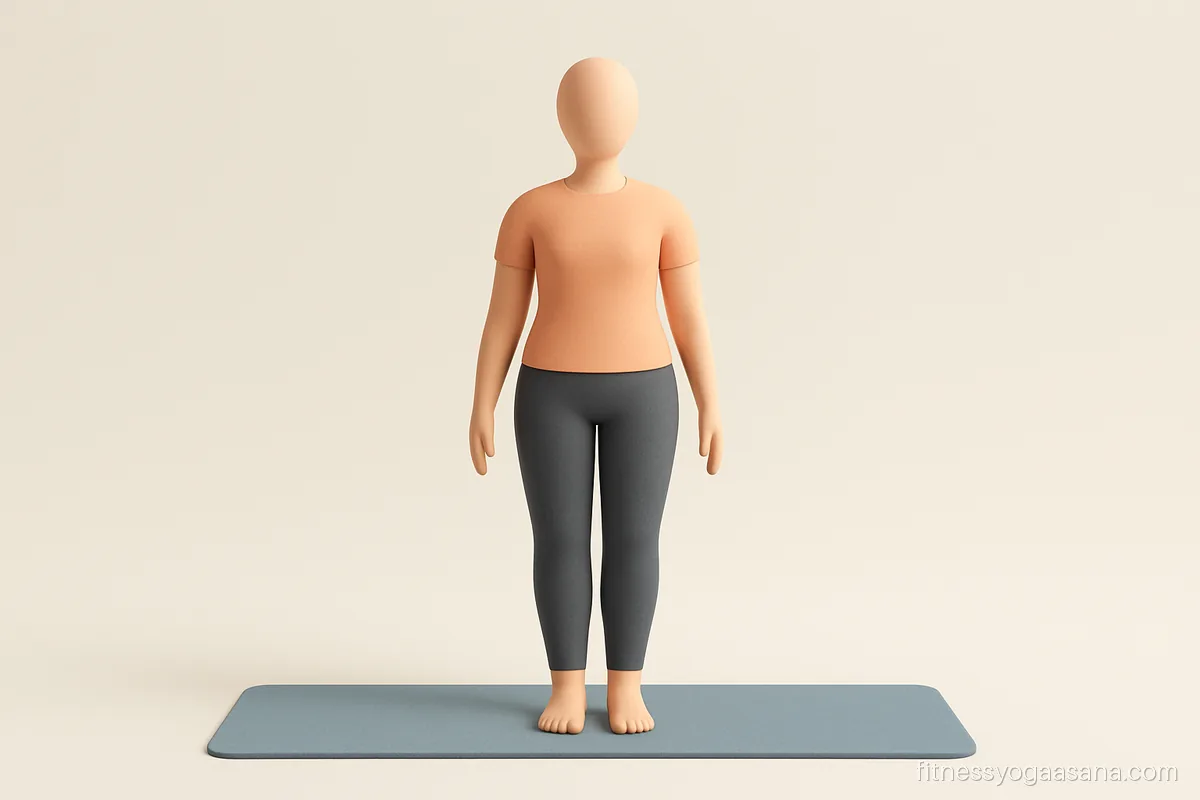
Tadasana means palm tree or mountain pose. It is the base for every standing asana.
Teacher's cue: Feel the weight spread evenly across both feet.

- Level
- Beginner
- Hold
- 5 breaths each side
- Works on
- Balance
Vriksha means tree. The standing leg is the trunk and the raised arms are the branches.
Teacher's cue: Root down through the standing foot before you raise the arms.
- Level
- Beginner
- Hold
- 5 breaths each side
- Works on
- Side body, legs
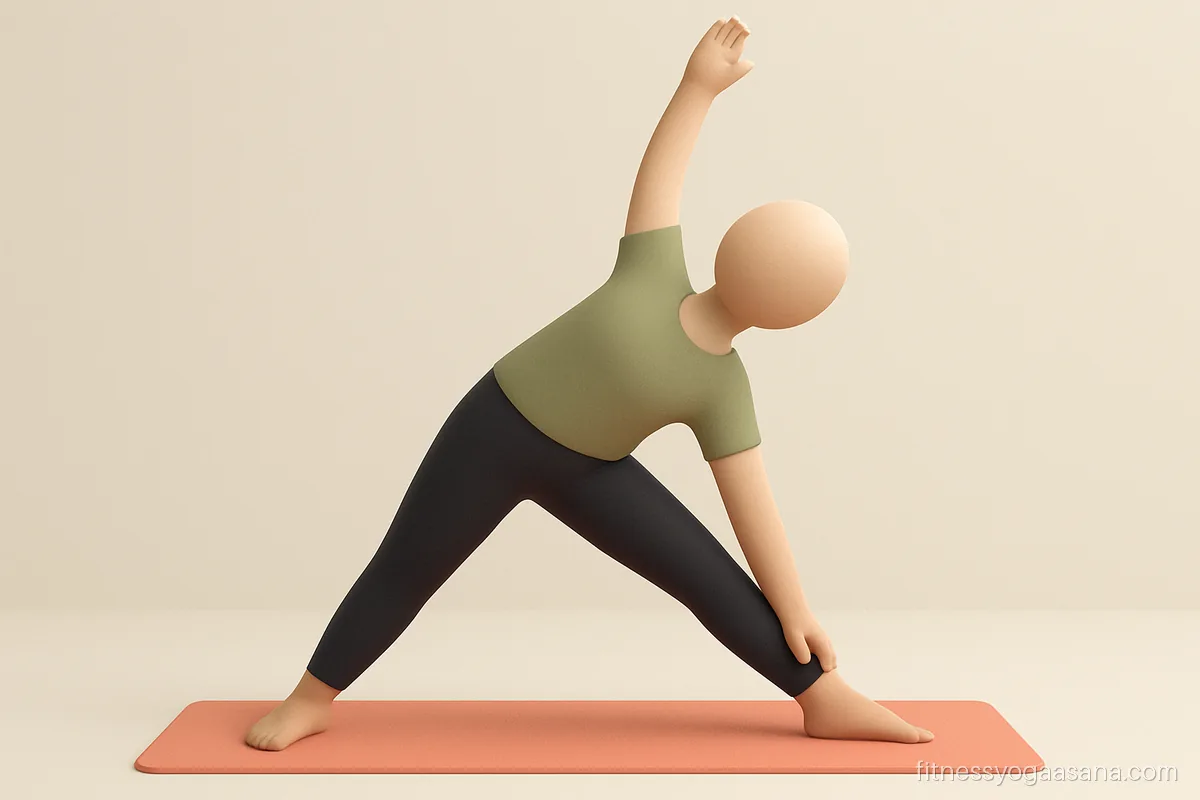
Trikona means triangle. The legs and the floor form one triangle and the torso forms another.
Teacher's cue: Reach out long before you tip down, and keep both sides of the waist even.
- Level
- Beginner
- Hold
- 3 to 5 breaths
- Works on
- Spine
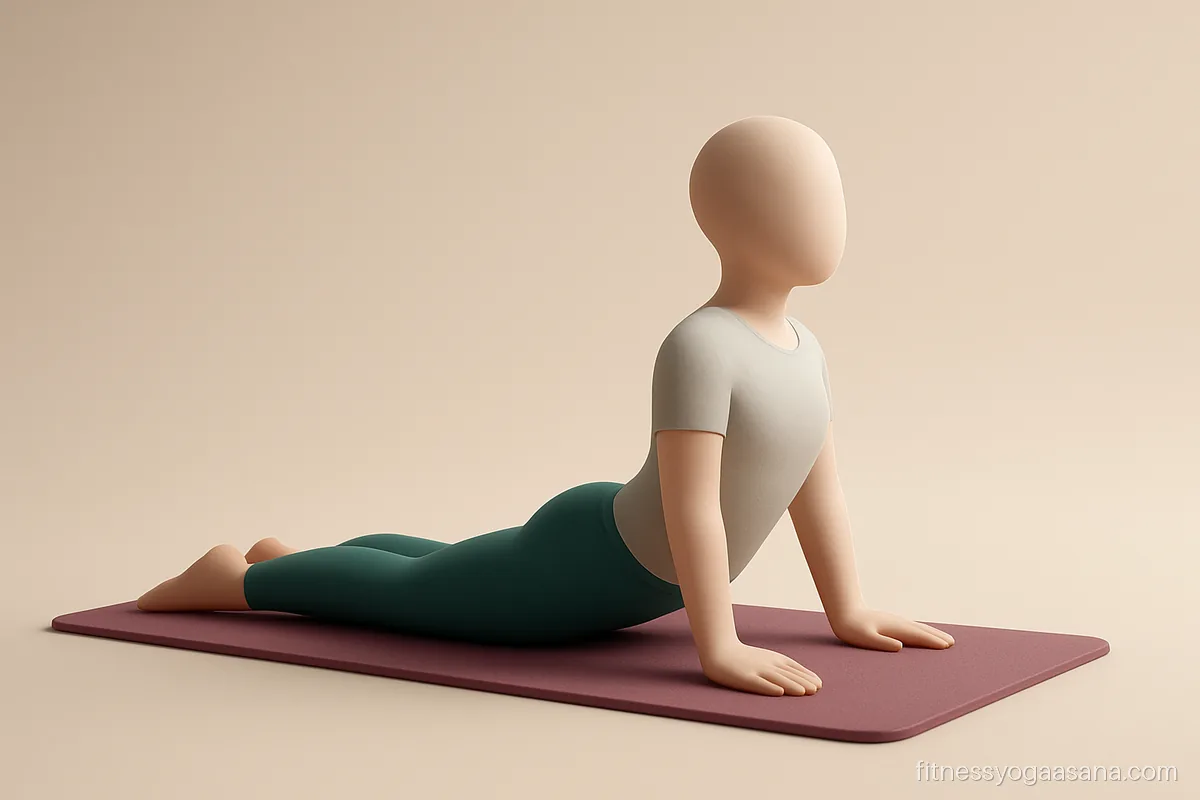
Bhujanga means serpent. The lifted chest looks like a cobra raising its hood.
Teacher's cue: Lift with the upper back and keep the elbows bent.
- Level
- Intermediate
- Hold
- 3 breaths
- Works on
- Back, thighs
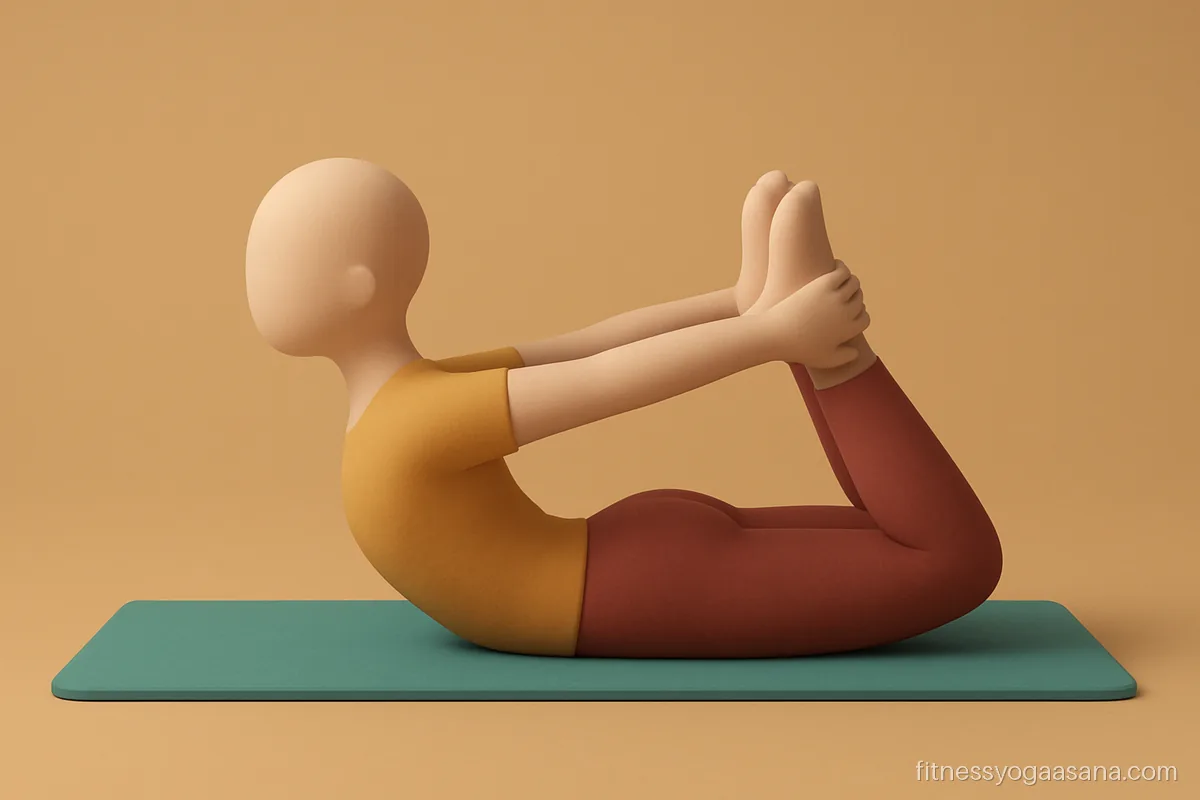
Dhanu means bow. The arms are the string and the body curves like the wooden bow.
Teacher's cue: Kick the feet into the hands to lift, rather than pulling with the arms.
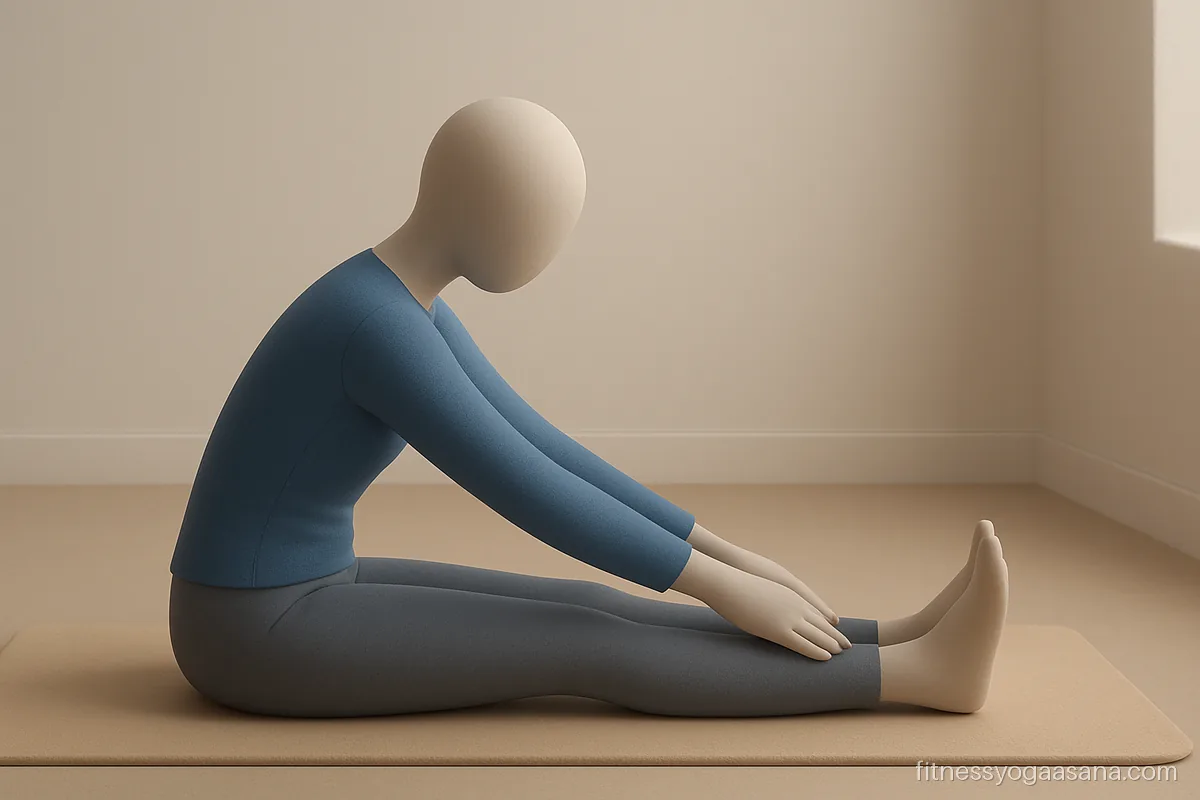
- Level
- Beginner
- Hold
- 5 to 8 breaths
- Works on
- Hamstrings, back
Paschima means west, the back of the body. This pose stretches the whole back line from heels to head.
Teacher's cue: Lead with the chest, not the head, and bend the knees if needed.

- Level
- Beginner
- Hold
- 2 to 5 minutes
- Works on
- Knees, digestion
Vajra means thunderbolt or diamond. It is the one pose often done right after meals.
Teacher's cue: Rest the hands on the thighs and keep the spine tall.
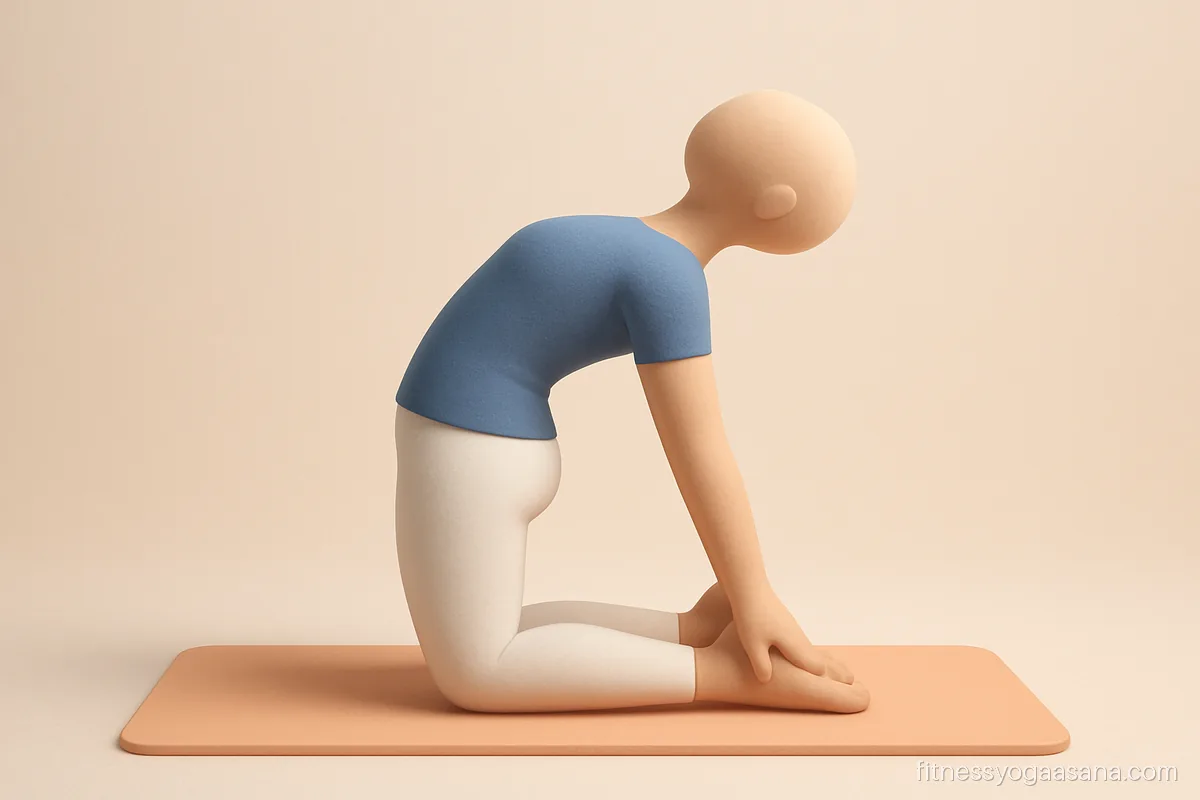
- Level
- Intermediate
- Hold
- 3 breaths
- Works on
- Chest, hip flexors
Ushtra means camel. The back bend lifts the chest the way a camel's hump rises.
Teacher's cue: Push the hips forward over the knees before you reach back.
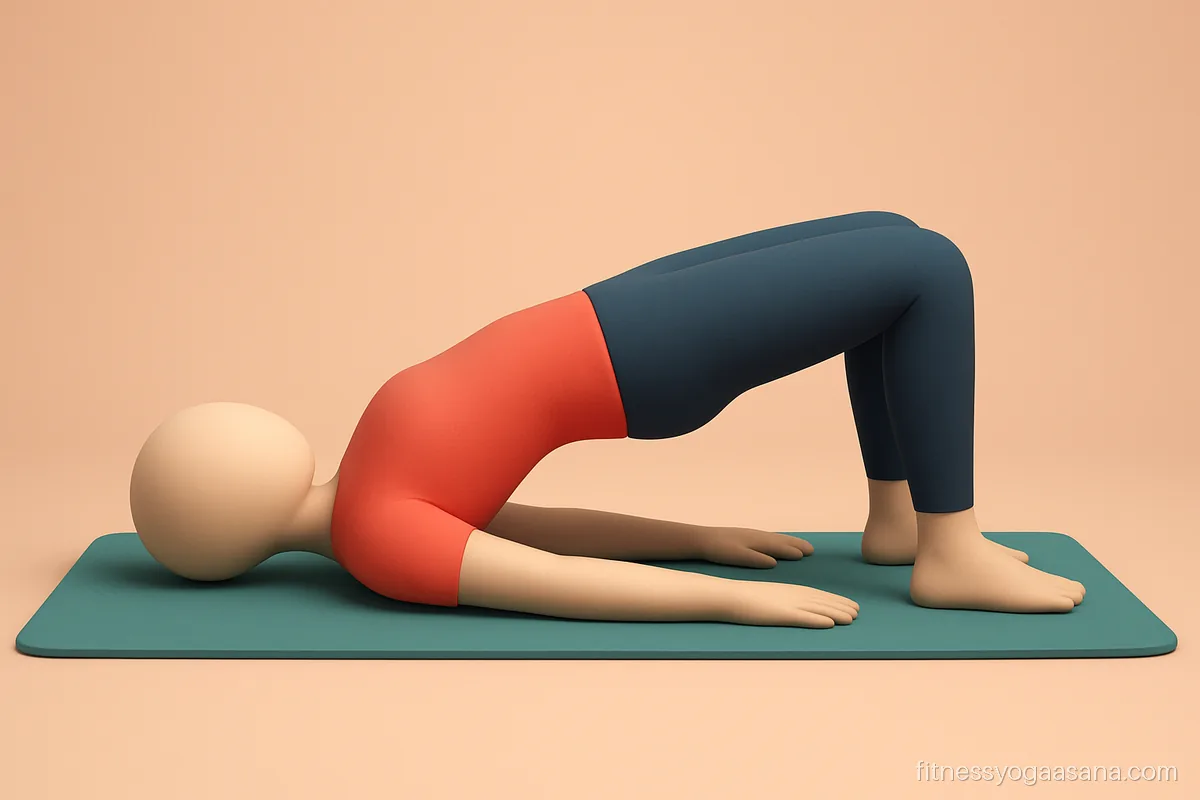
- Level
- Beginner
- Hold
- 3 to 5 breaths
- Works on
- Glutes, back
Setu bandha means bridge building. The body forms an arch from shoulders to knees.
Teacher's cue: Press the feet down and keep the knees pointing straight ahead.

- Level
- Intermediate
- Hold
- 1 to 10 minutes
- Works on
- Hips, posture
Padma means lotus. It is the classic seat for meditation, but only for very open hips.
Teacher's cue: Never force the knees; use half lotus or easy pose if they hurt.

- Level
- Intermediate
- Hold
- 5 breaths
- Works on
- Spine, shoulders
Hala means plough. The legs reach over the head like the blade of a plough.
Teacher's cue: Keep the neck still and the weight on the shoulders, never on the neck.
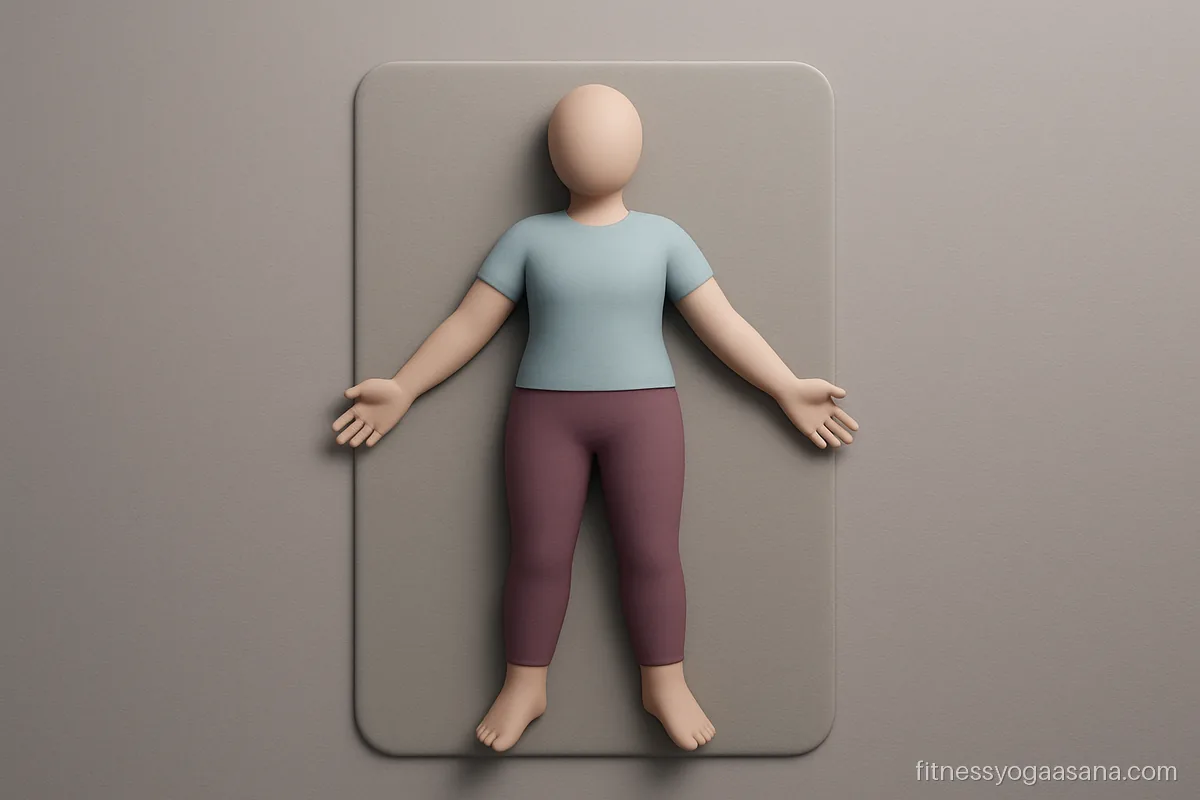
- Level
- All levels
- Hold
- 5 to 10 minutes
- Works on
- Rest
Shava means corpse. Lying completely still is harder than it sounds and is the final pose of every session.
Teacher's cue: Let the body be heavy and let go of controlling the breath.
Standing yoga poses names
- Tadasana: mountain pose
- Vrikshasana: tree pose
- Trikonasana: triangle pose
- Utkatasana: chair pose
- Virabhadrasana: warrior pose, in three forms
- Malasana: garland pose or yogi squat
More on the standing yoga poses page, including eagle, half moon and dancer pose.
Sitting and kneeling asanas names
- Sukhasana: easy pose
- Padmasana: lotus pose
- Vajrasana: thunderbolt pose
- Dandasana: staff pose
- Paschimottanasana: seated forward bend
- Vakrasana: simple seated twist
- Baddha konasana: butterfly or bound angle pose
- Mandukasana: frog pose
- Simhasana: lion pose
- Ustrasana: camel pose
See the full sitting yoga poses list.
Lying down poses on the belly and back
On the belly (prone): bhujangasana (cobra), dhanurasana (bow), makarasana (crocodile) and shalabhasana (locust).
On the back (supine): setu bandhasana (bridge), pawanmuktasana (wind relieving), matsyasana (fish), ananda balasana (happy baby), halasana (plough), naukasana (boat) and shavasana (corpse).
All fours, balances and inversions
- Marjaryasana and bitilasana: cat cow pose
- Balasana: child pose
- Adho mukha svanasana: downward dog
- Kumbhakasana: plank pose
- Kapotasana: pigeon pose
- Chakrasana: wheel pose
- Bakasana: crow pose
- Sarvangasana: shoulder stand
- Shirshasana: headstand
- Viparita karani: legs up the wall
For the hardest of these, read advanced yoga poses first.
The 84 yoga asanas list: tradition and reality
Many people search for an 84 yoga asanas list. The number comes from old tradition: texts such as the Hatha Yoga Pradipika say that 84 asanas were taught, then describe only about 15 of them in detail. Later teachers created their own lists of 84, and they do not match each other.
So there is no single official list. A sensible approach is to learn 20 to 30 poses well, covering every family above, rather than trying to collect all 84 names. The yoga chart page shows a printable style overview of the poses most teachers start with.
Yoga asanas names in Hindi and English
Most Indian teachers use the Sanskrit names, which are also used in Hindi. A few have popular Hindi names too: tadasana is sometimes called taad asana, vajrasana is called vajra aasan, and naukasana is the boat pose, nauka meaning boat in Hindi. In English classes you will hear the English name first. Knowing both helps you follow any teacher, video or yoga aasan chart.
How to learn yoga poses names faster
- Learn five poses a week, saying the Sanskrit name aloud each time you practise.
- Link each name to its picture: bhujanga, serpent, and a cobra's raised hood.
- Use the word parts table above to decode new names.
- Practise a short sequence such as surya namaskar, which repeats the same names daily.
Every yoga poses guide on this site
| Guide | What it covers |
|---|---|
| Bhujangasana (cobra) | Cobra pose: a gentle back bend lying on the belly |
| Standing yoga poses | The main standing asanas with names, pictures and a sequence |
| Cat cow pose | A flowing spine warm up on hands and knees, linked to the breath |
| Balasana (child) | Child pose: a kneeling forward rest for the back and mind |
| Sitting yoga poses | Seated asanas for breathing, flexibility and calm, with names |
| Butterfly pose | Soles together, knees wide: a seated hip opener |
| Tadasana (mountain) | Mountain pose: the standing base for every other asana |
| Vrikshasana (tree) | Tree pose: a one leg balance for focus and steadiness |
| Advanced yoga poses | Arm balances, inversions and deep bends, with prep poses |
| Yoga for flexibility | Ten stretching poses and a routine to loosen a stiff body |
| Setu bandhasana (bridge) | Hips lifted from the floor: a gentle back bend and glute builder |
| Padmasana (lotus) | Lotus pose: the classic cross legged seat for meditation |
| Vajrasana (thunderbolt) | Kneeling on the heels: the seat traditionally used after meals |
| Ustrasana (camel) | Camel pose: a kneeling back bend that opens chest and hips |
| Downward dog | The inverted V: hips high, heels reaching, spine long |
| Dhanurasana (bow) | Bow pose: a belly down back bend holding the ankles |
| Halasana (plough) | Plough pose: legs overhead, weight on the shoulders |
| Malasana (garland) | Garland pose: a deep squat with palms together at the chest |
| Trikonasana (triangle) | Triangle pose: a wide legged side stretch and leg strengthener |
| Pawanmuktasana (wind relieving) | Knees hugged to the chest to ease gas and the lower back |
| Chakrasana (wheel) | Wheel pose and the standing half wheel used in schools |
| Shavasana (corpse) | Corpse pose: complete stillness at the end of practice |
| Matsyasana (fish) | Fish pose: an open chest, lifted ribs, and a lightly supported head |
| Naukasana (boat) | Boat pose: balance on the sit bones with legs and chest lifted |
| Vakrasana (twist) | The beginner seated twist, and the other twists it leads to |
| Pigeon pose | A deep outer hip stretch with props and knee friendly options |
| Sukhasana (easy) | The simple cross legged seat for breathing and meditation |
| Simhasana (lion) | Kneeling, tongue out, a strong exhale: tension release for face and throat |
| Sarvangasana (shoulder stand) | The shoulder stand, with a blanket setup that protects the neck |
| Warrior pose | Three strong standing poses for legs, hips and balance |
| Utkatasana (chair) | An invisible chair: a strong squat with arms raised |
| Mandukasana (frog) | The kneeling fist fold and the wide knee hip opener |
| Plank pose | The straight line hold and the low push up of sun salutation |
| Viparita karani (legs up the wall) | Lying with the legs resting up a wall: the easiest restful inversion |
| Shirshasana (headstand) | Headstand on the forearms, learned slowly with preparation |
| Happy baby pose | Lying on the back holding the feet: a playful hip opener |
| Bakasana (crow) | The first arm balance: knees on the upper arms, feet lifted |
| Paschimottanasana (seated forward bend) | Legs long, folding forward from the hips over the thighs |
| Dandasana (staff) | Sitting tall with legs straight: the base of seated yoga |
| Makarasana (crocodile) | Lying face down with the head on folded arms: rest that teaches breathing |
Practise on an empty stomach, move slowly into each position and stop at any sharp pain. If you have an injury, a health condition or are pregnant, check with a doctor or an experienced teacher first.
Questions people ask
How many yoga asanas are there in total?
Tradition speaks of 84 classic asanas, and some texts mention far more variations. Modern teachers use a few hundred named poses, but a balanced home practice needs only 20 to 30.
What are the 12 basic yoga asanas names?
A common basic set is tadasana, vrikshasana, trikonasana, utkatasana, vajrasana, sukhasana, paschimottanasana, bhujangasana, setu bandhasana, balasana, pawanmuktasana and shavasana.
Why do yoga poses have Sanskrit names?
Yoga developed in India, where Sanskrit was the language of learning. The names are descriptive and shared by teachers around the world, which keeps instructions consistent.
Which yoga asana is called the king of asanas?
Shirshasana, the headstand, is traditionally called the king of asanas and sarvangasana, the shoulder stand, the queen. Both should be learned with a teacher.
Is there an official 84 yoga asanas list?
No. Texts mention the number 84, but different traditions give different lists. Treat the number as symbolic.
Practise next
 Standing yoga posesThe main standing asanas with names, pictures and a sequence
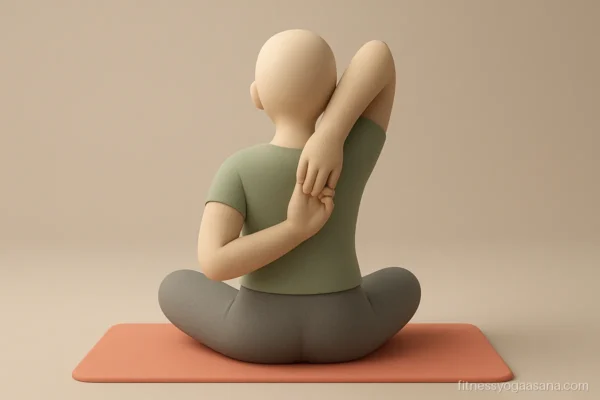 Sitting yoga posesSeated asanas for breathing, flexibility and calm, with names
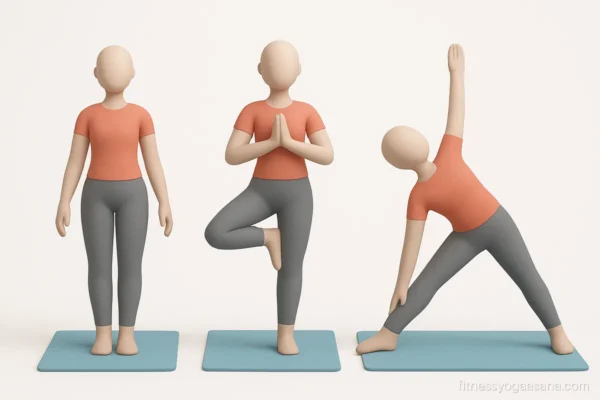 Yoga chartA chart of common poses by type, plus school chart tips
 Advanced yoga posesArm balances, inversions and deep bends, with prep poses
 Yoga for beginnersTen easy poses, basic rules and a two week plan for new students
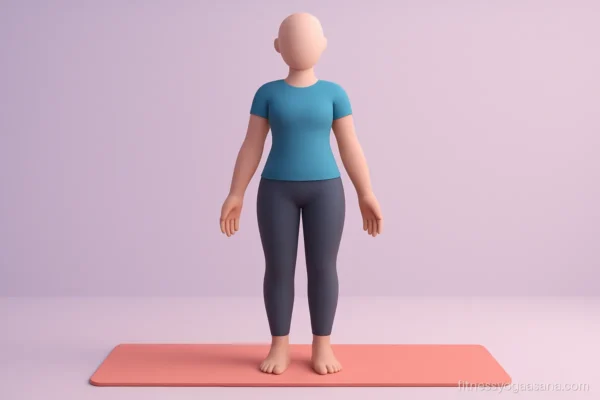 HomeEvery yoga pose, breath and mudra on the site in one place