Lion Pose Yoga: Simhasana and the Roaring Breath
Yoga poses 4 illustrations Updated 2 Nov 2026
Lion pose yoga, or simhasana, is a kneeling pose combined with a bold breath: you open the mouth wide, stretch the tongue down toward the chin, spread the fingers and exhale forcefully with a throaty sound like a roar. Simha means lion, and singhasan or simhasana yoga are common spellings. It looks playful, and that is part of its value. It releases tension in the jaw, face and throat and often brings a laugh.
Below: lion breath step by step, gentler versions, what the pose actually does for the face and throat, how children and adults use it, and the few situations when it is wise to skip it.
- Sanskrit
- Simhasana (simha: lion)
- English
- Lion pose, lion breath
- Level
- All levels
- Repeats
- 3 to 5 roaring breaths
- Releases
- Jaw, face, tongue, throat
- Gentler option
- Seated on a chair, silent exhale
How to do lion pose yoga
- Kneel and sit back on the heels, or cross the ankles under the hips for the classic version.
- Place the palms on the knees and spread the fingers wide.
- Inhale deeply through the nose.
- Lean forward slightly, open the mouth wide and stretch the tongue down toward the chin.
- Exhale strongly through the mouth with a long ha sound from the throat.
- Traditionally the gaze is lifted toward the eyebrow centre.
- Close the mouth, breathe normally, and repeat three to five times.
Simhasana (lion) in pictures
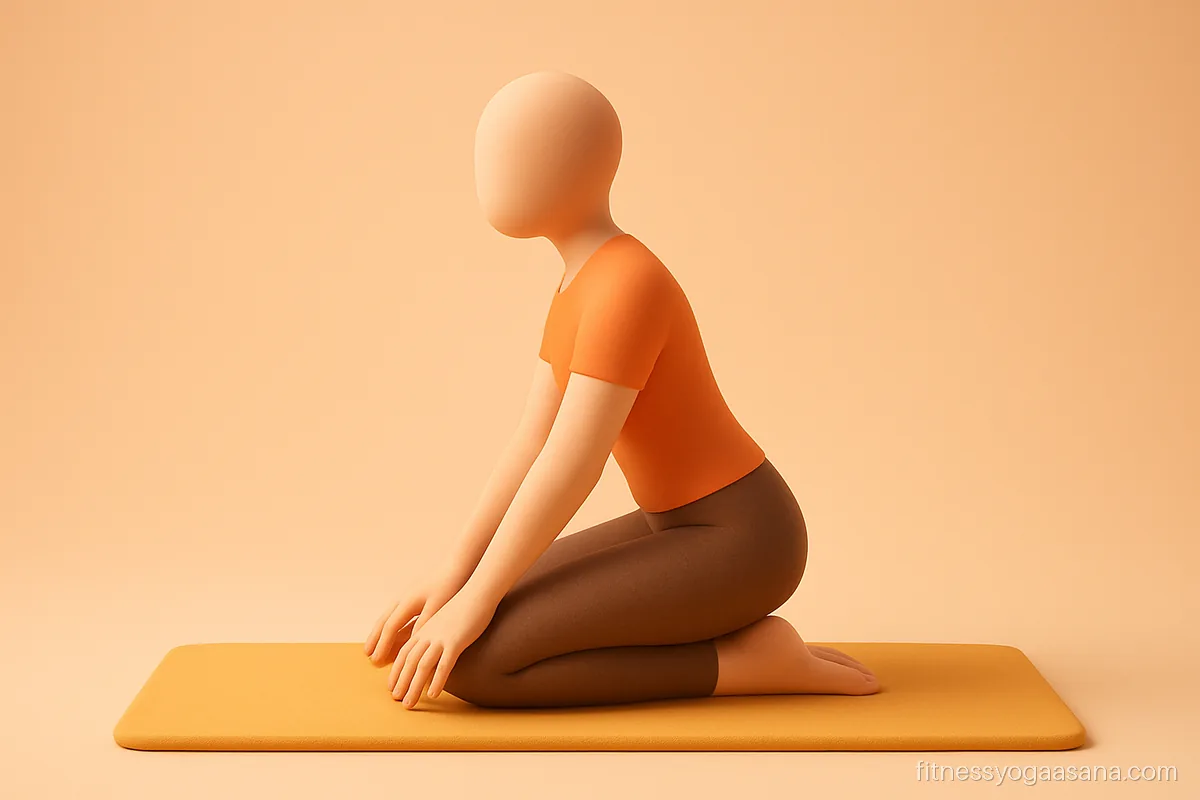
- Level
- All levels
- Hold
- 3 to 5 breaths
- Works on
- Jaw, throat, face
Spread the fingers like claws and lean slightly forward as you exhale with a roar.
Teacher's cue: Let the exhale be strong but not strained.
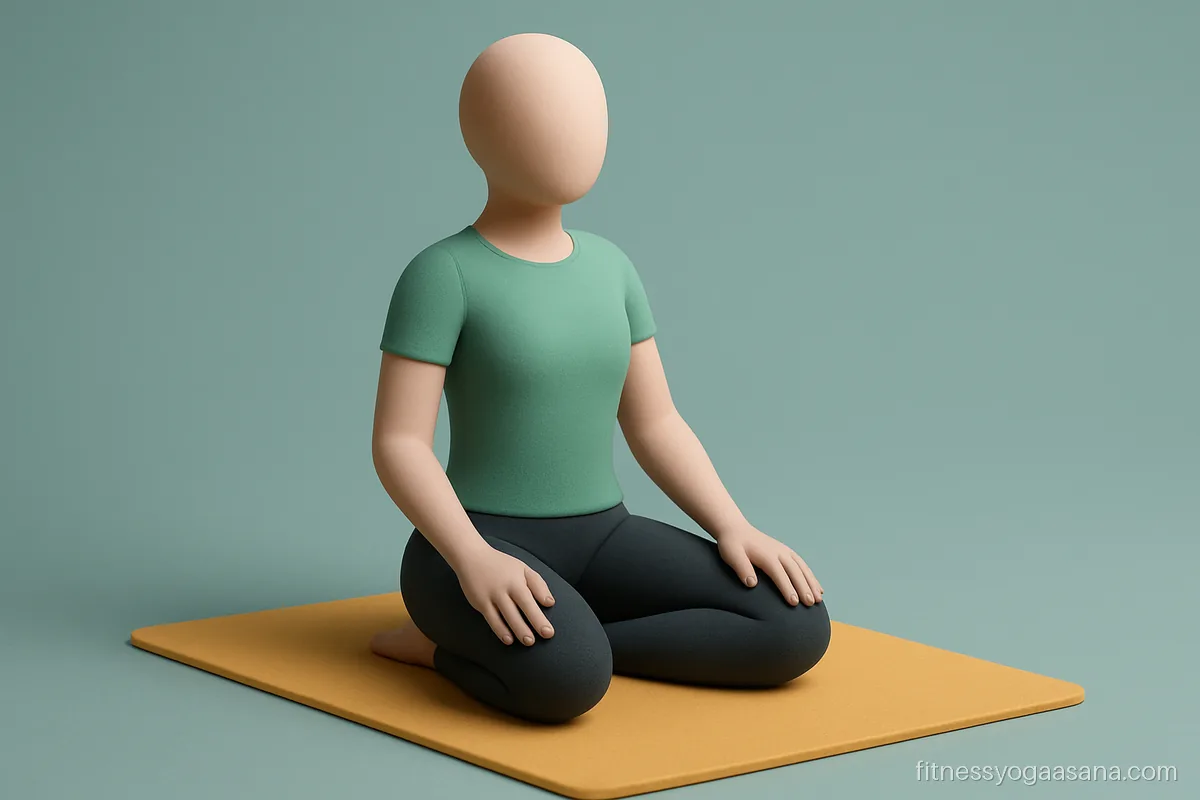
- Level
- Intermediate
- Hold
- 3 breaths
- Works on
- Ankles, throat
In the classic version the ankles cross under the buttocks, which also stretches the front of the ankles.
Teacher's cue: Sit back onto the crossed ankles with the spine upright.
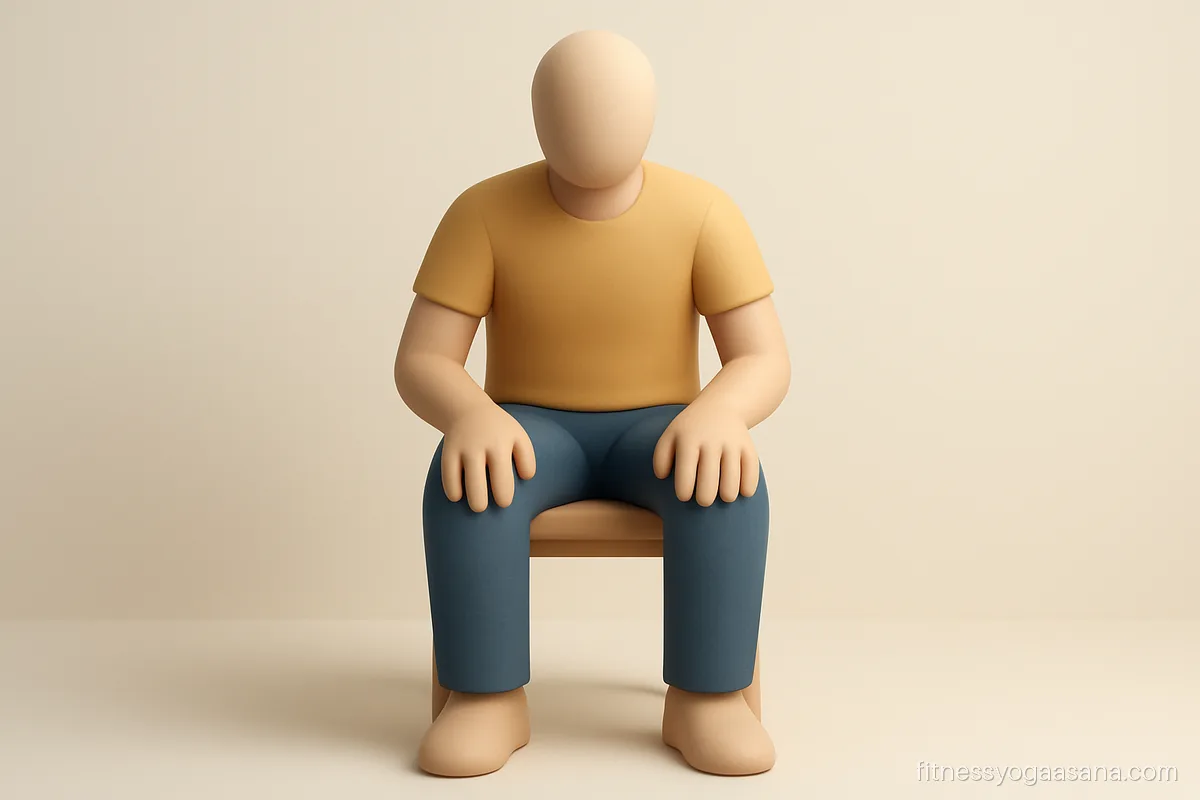
- Level
- All levels
- Hold
- 3 breaths
- Works on
- Tension release
On a chair, lion breath works just as well for the face and jaw.
Teacher's cue: Inhale through the nose, exhale through a wide mouth.
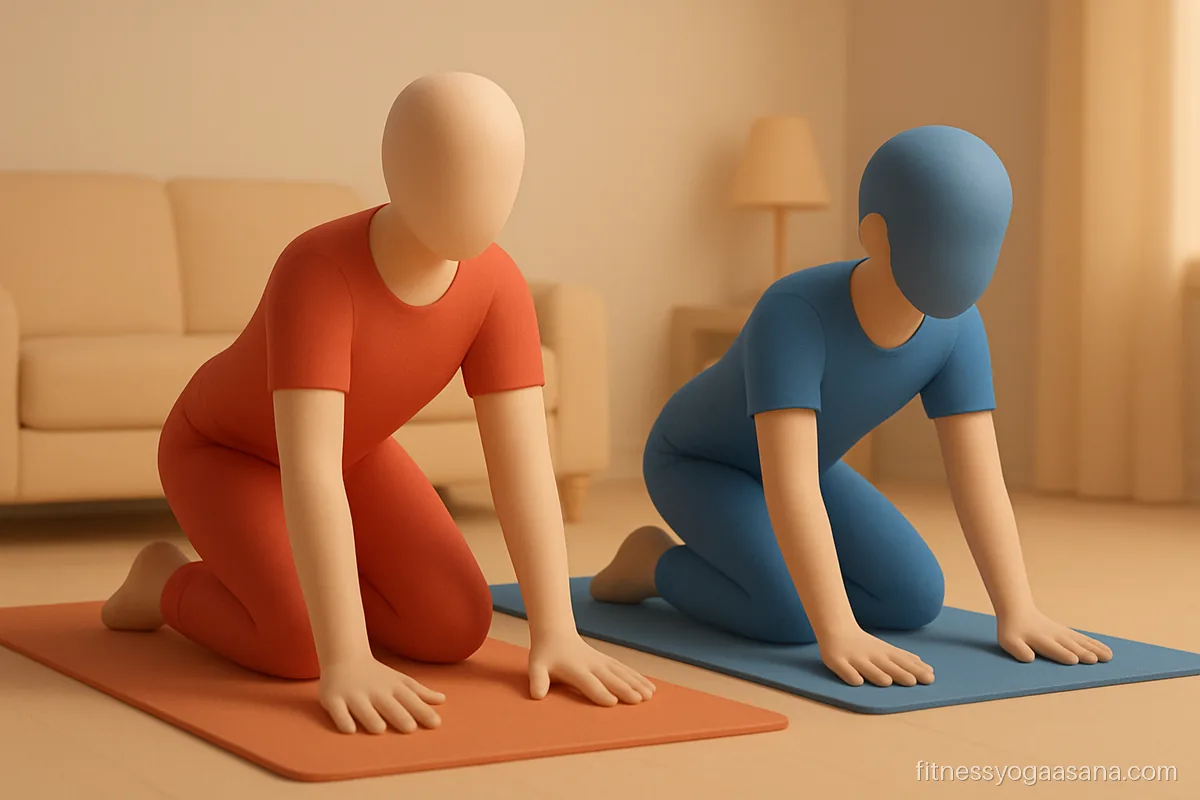
- Level
- All levels
- Hold
- 3 roars
- Works on
- Fun, release
Lion pose is a family favourite because the roar breaks tension and makes everyone smile.
Teacher's cue: Make it playful rather than perfect.
What lion breath does
Many people hold tension in the jaw, tongue and throat without noticing. Opening the mouth wide and stretching the tongue engages and then releases these muscles. The long exhale with sound slows the breath afterward and can feel like letting off steam. It is used by singers and speakers to loosen the throat before performing. Some people find it helps with clenching or grinding the teeth, though dental problems still need a dentist.
Gentler and quieter versions
- Chair lion: sit on a chair with hands on the thighs.
- Silent lion: make the same face and stretch, but exhale with a whisper instead of a roar.
- Knee friendly: place a cushion between the buttocks and heels, or sit cross legged.
Silent lion is handy at work or when others are sleeping.
Lion pose for kids and families
Children love lion pose because it gives permission to be loud and silly. It works well as an energy release before a quieter activity, or as a way to shake off frustration. Combine it with other animal poses such as cobra and cat cow for a short playful sequence. More ideas are on yoga for kids.
When to skip it
Skip the kneeling version with knee injuries or recent knee surgery; use the chair version instead. Avoid the forceful exhale if you have a sore throat, recent throat or jaw surgery, or jaw joint pain that worsens when the mouth opens wide. People with high blood pressure can practise the gentle version without straining.
Using it within a class
Lion pose is a good transition between active poses and quiet breathing, or a way to start a class with energy and laughter. It also pairs well with face yoga exercises and with humming bhramari afterward to settle the breath.
Practise on an empty stomach, move slowly into each position and stop at any sharp pain. If you have an injury, a health condition or are pregnant, check with a doctor or an experienced teacher first.
Questions people ask
What is simhasana in English?
Lion pose, also called lion breath.
What are the benefits of lion pose?
It releases tension in the jaw, face, tongue and throat, and the long exhale can feel calming afterward.
Is lion pose good for the throat?
Singers use it to loosen the throat. Skip it with a sore or injured throat.
Can kids do lion pose yoga?
Yes, children usually rank it among their favourites.
How many rounds of lion breath are enough?
Three to five rounds is enough.
Practise next
 Face yogaFacial exercises for cheeks, jaw and tension, with honest results
 Yoga for kidsEasy, playful poses and breathing games for children
 Vajrasana (thunderbolt)Kneeling on the heels: the seat traditionally used after meals
 Bhramari pranayamaThe humming bee breath: steps, benefits and how many rounds
 Shambhavi mudraAn eye gesture: the gaze lifts toward the space between the brows
More in yoga poses
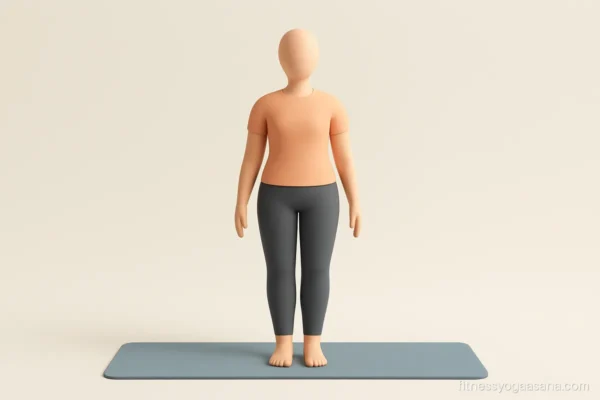 Yoga asanas namesSanskrit and English names of common yoga poses, with pictures
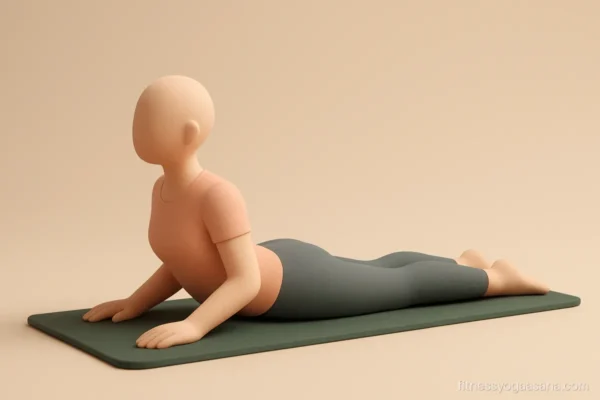 Bhujangasana (cobra)Cobra pose: a gentle back bend lying on the belly
 Standing yoga posesThe main standing asanas with names, pictures and a sequence
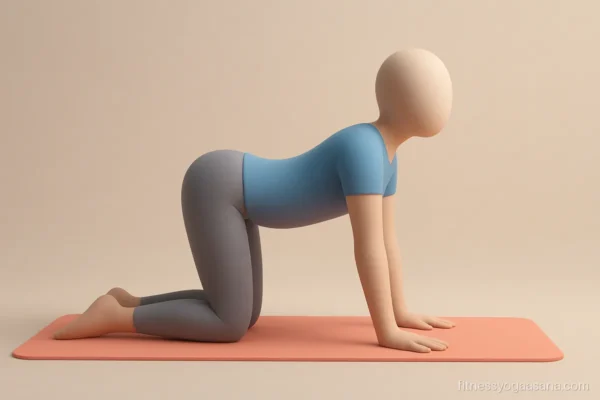 Cat cow poseA flowing spine warm up on hands and knees, linked to the breath
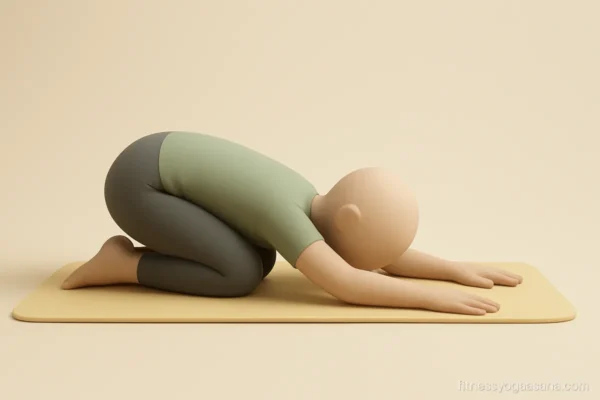 Balasana (child)Child pose: a kneeling forward rest for the back and mind
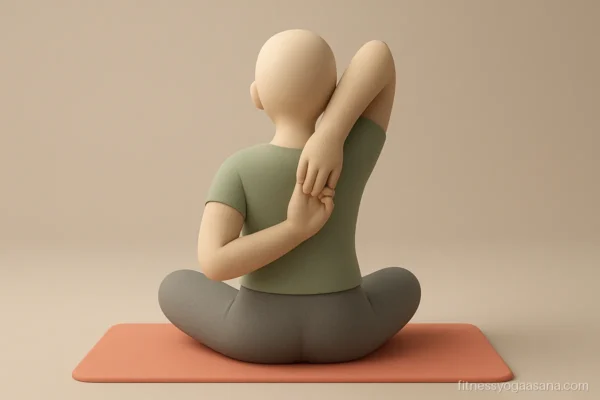 Sitting yoga posesSeated asanas for breathing, flexibility and calm, with names
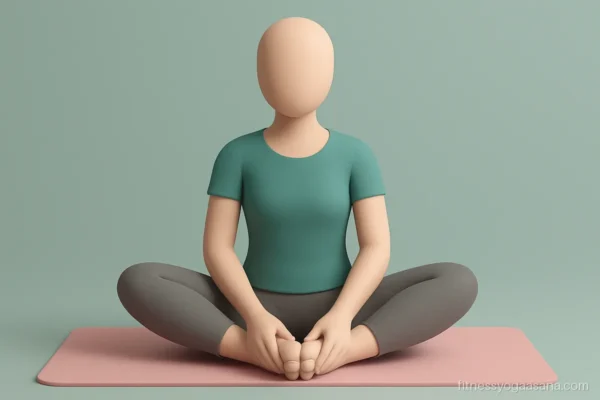 Butterfly poseSoles together, knees wide: a seated hip opener
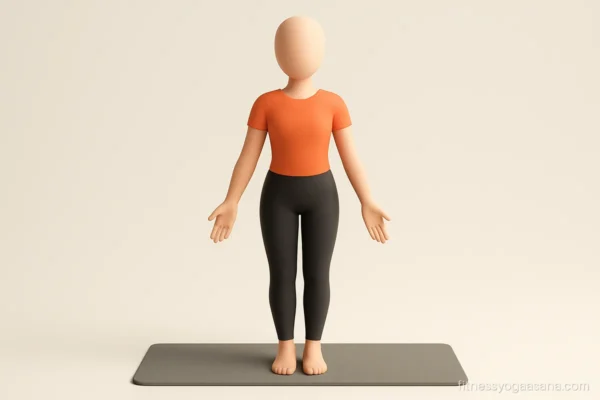 Tadasana (mountain)Mountain pose: the standing base for every other asana