Pranayama: The Yoga of Breathing, Step by Step
Pranayama 6 illustrations Updated 2 Nov 2026
Pranayama is the practice of guiding the breath in yoga: slowing it, lengthening it, directing it through one nostril or the other, and sometimes pausing it. The word joins prana, life energy or breath, with ayama, extension or control. In Patanjali's eight limbs, pranayama comes right after asana, because a steady body makes steady breathing possible.
This page explains what pranayama is, how to sit and breathe, the main types and a safe beginner plan. Use the breath pacer below to practise along, and follow the links to each pranayama guide.
- Meaning
- Prana (breath, energy) plus ayama (extension)
- Main phases
- Puraka (in), kumbhaka (pause), rechaka (out)
- Best time
- Early morning or evening, empty stomach
- Start with
- Belly breathing, anulom vilom, bhramari
- Session length
- 5 to 20 minutes
- Never
- Strain, force or hold to discomfort
What is pranayama?
In yoga, prana means the vital energy that keeps us alive, and the breath is its most obvious form. Pranayama means extending or regulating that breath. Every pranayama breathing practice is built from three phases: puraka, the inhale; kumbhaka, a natural or deliberate pause; and rechaka, the exhale.
Classical texts treat pranayama as a bridge between the body and the mind. When the breath becomes slow and even, the mind usually follows. That is why pranayama in yoga comes before concentration and meditation in the eight limbs.
Pranayama in pictures
- Level
- All levels
- Hold
- Whole session
- Works on
- Posture, breath
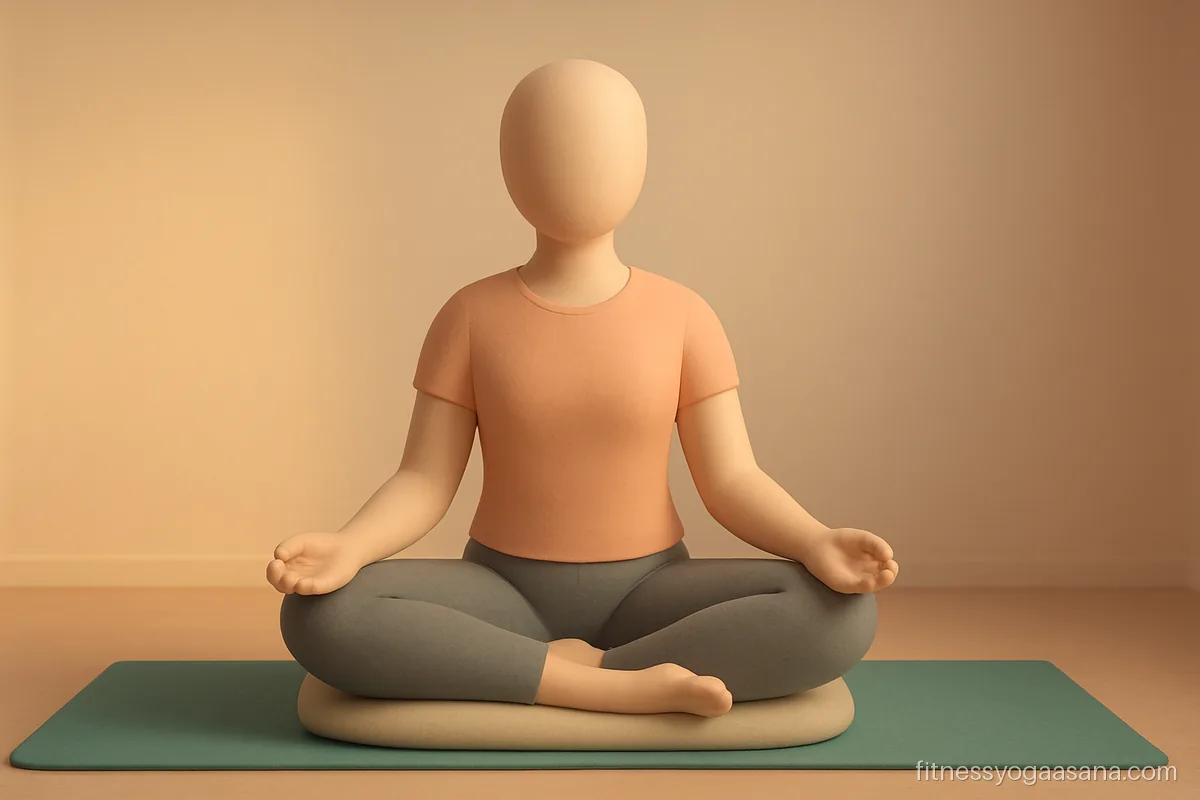
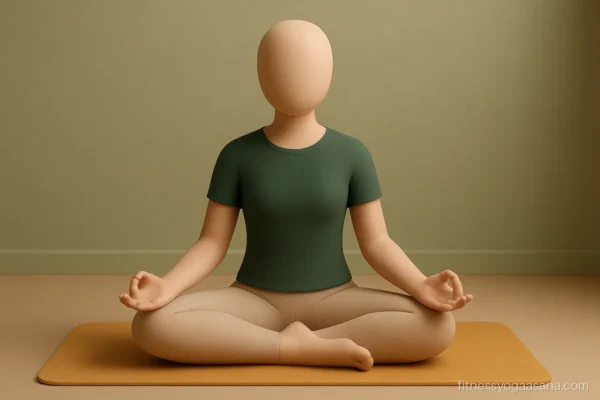
A tall, easy seat comes first. If the knees are higher than the hips, sit on a higher cushion so the lower back does not round.
Teacher's cue: Lift the breastbone a little and let the shoulder blades soften down the back.

- Level
- Beginner
- Hold
- 5 to 10 rounds
- Works on
- Balance, calm
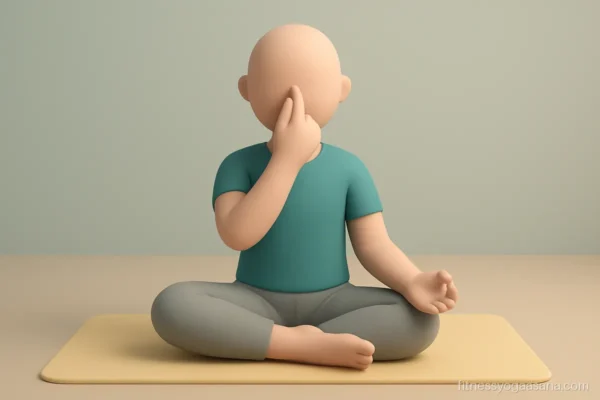
Alternate nostril practices use nasika mudra: index and middle fingers fold down, the thumb closes the right nostril and the ring finger the left.
Teacher's cue: Touch the nostril softly at the fleshy part, just below the bone.
- Level
- Beginner
- Hold
- 5 to 9 rounds
- Works on
- Calm, sleep
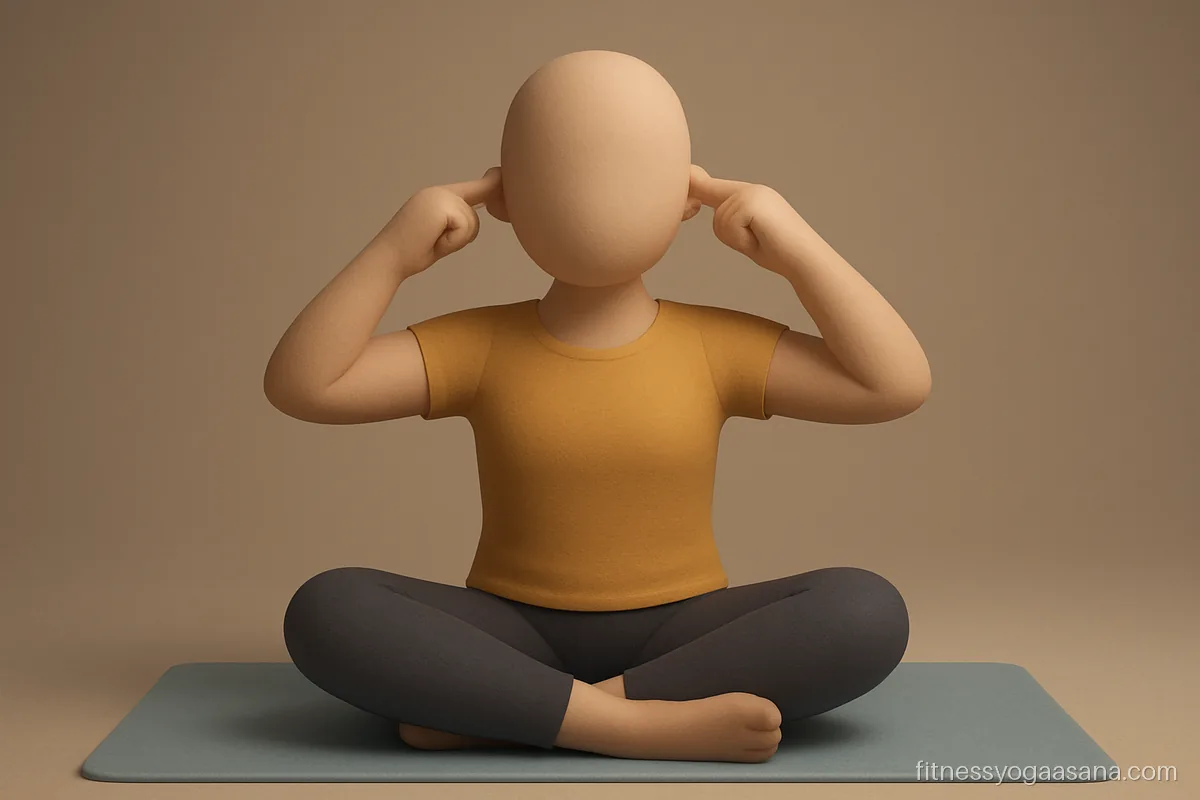
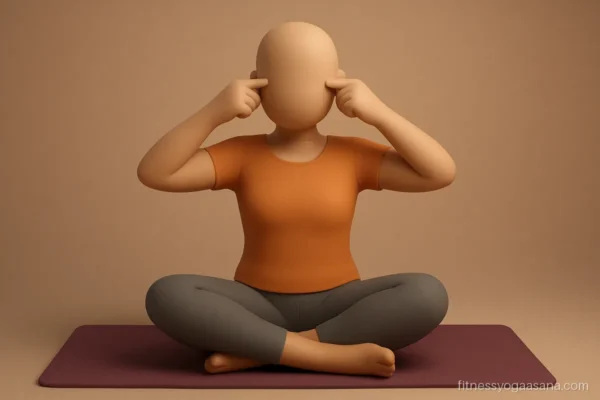
Bhramari, the humming breath, closes the ears with the thumbs so the hum is felt inside the head. It is one of the most calming practices.
Teacher's cue: Keep the lips closed, teeth apart and hum on a long, easy exhale.
- Level
- Intermediate
- Hold
- 20 to 30 strokes
- Works on
- Abdomen, alertness
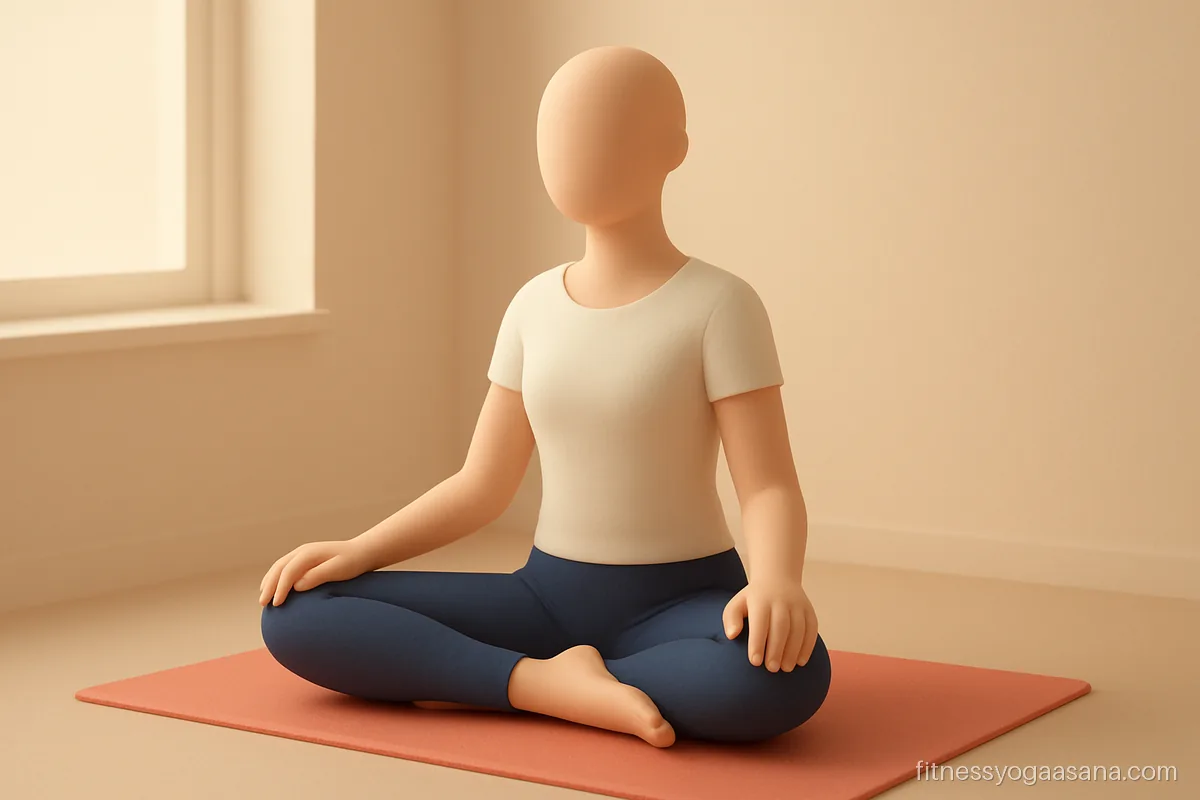
Kapalbhati uses short, active exhales from the belly with passive inhales. It is energising and not for everyone.
Teacher's cue: Snap the navel in to breathe out, then let the breath fall back in by itself.
- Level
- Beginner
- Hold
- 8 to 10 rounds
- Works on
- Cooling
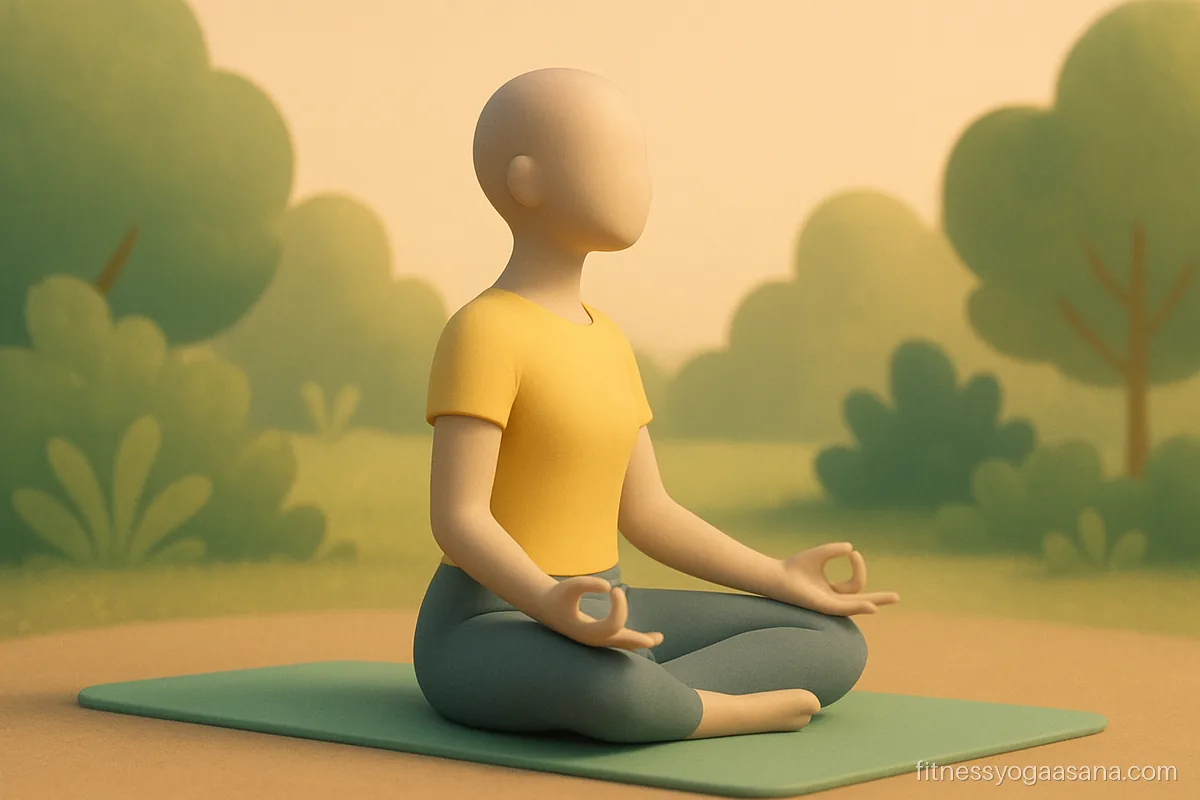
Sheetali cools the body: the breath is drawn in through a rolled tongue and released through the nose. Sheetkari is the version for those who cannot roll the tongue.
Teacher's cue: Sip the air in slowly, then close the mouth and breathe out through the nose.

- Level
- All levels
- Hold
- 3 to 5 minutes
- Works on
- Diaphragm
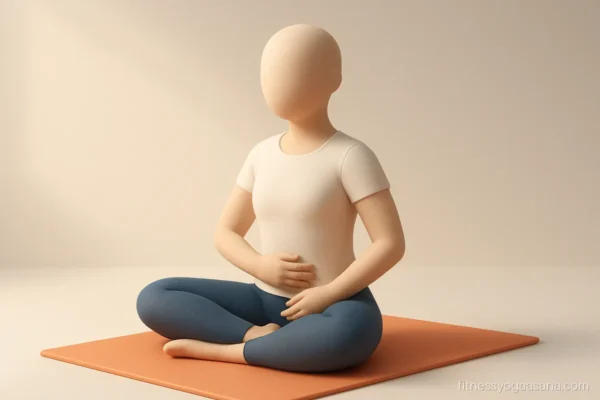
If sitting is uncomfortable, start lying down. Feeling the belly rise under your hands teaches the slow breathing that every pranayama builds on.
Teacher's cue: Breathe in so the hands rise, breathe out so they sink, with no effort in the chest.
How to sit for pranayama yoga
- Seat: sukhasana, vajrasana or padmasana, or a chair with feet flat on the floor.
- Spine: upright but not rigid, with the head balanced over the shoulders.
- Hands: resting on the knees, often in gyan mudra, or one hand in nasika mudra for nostril practices.
- Breath: through the nose unless a practice says otherwise, such as sheetali.
- Eyes: closed or softly lowered.
The main types of pranayama
| Practice | How it works | Effect people report |
|---|---|---|
| Anulom vilom | Alternate nostril breathing, no hold | Balancing, calming |
| Nadi shodhana | Alternate nostril with ratios and holds later | Calm focus |
| Bhramari | Humming exhale with ears closed | Deep calm, easier sleep |
| Ujjayi | Soft ocean sound in the throat | Steady, warming |
| Kapalbhati | Quick active exhales | Energising |
| Bhastrika | Forceful in and out, like bellows | Strongly energising |
| Sheetali and sheetkari | Cool air in through the mouth | Cooling |
| Surya bhedana | In right, out left | Warming, alerting |
| Chandra bhedana | In left, out right | Cooling, quietening |
The types of pranayama page explains each family and the eight classical kumbhakas.
Best pranayama for beginners
Start with practices that slow the breath without force:
- Two minutes of belly breathing, also called dirga pranayama when it fills belly, ribs and chest in turn.
- Five to ten rounds of anulom vilom.
- Five rounds of bhramari.
- One minute of quiet natural breathing.
Practise this daily for two weeks before adding kapalbhati or bhastrika. The breath pacer on this page can guide the timing.
Pranayama steps for a 15 minute morning session
- Sit and watch the natural breath for one minute.
- Do six slow belly breaths, counting four in and six out.
- If suitable for you, do two rounds of 20 kapalbhati strokes with rest between.
- Practise anulom vilom for five minutes.
- Add five rounds of bhramari.
- Finish with two minutes of silence, hands in gyan mudra.
Pranayama exercise or breathing practice?
People often call it a pranayama exercise, and in a sense it is: you are training the muscles of breathing, especially the diaphragm. But unlike a workout, the aim is less effort, not more. A good session leaves you calmer and more alert, never out of breath. If you notice gasping, a tight chest or light-headedness, you are pushing too hard. Shorten the count, drop any holds and return to easy breathing for a minute before trying again.
Pranayama benefits and what research says
Slow breathing practices are among the better studied parts of yoga. Trials suggest they may lower perceived stress, support healthy blood pressure and improve breathing efficiency in healthy adults. Results vary and most studies are small. The benefits of pranayama page sums up the evidence for each practice in plain words.
Who should be careful
- Pregnancy, high blood pressure, heart disease, epilepsy, hernia or recent surgery: avoid forceful practices such as kapalbhati and bhastrika, and ask your doctor about any breath holding.
- Asthma: keep practices gentle and keep your inhaler nearby.
- Feeling dizzy, tingling or anxious: stop, breathe normally and rest.
Every pranayama guide on this site
| Guide | What it covers |
|---|---|
| Bhramari pranayama | The humming bee breath: steps, benefits and how many rounds |
| Bhastrika pranayama | The bellows breath: forceful, equal breathing for energy |
| Types of pranayama | Calming, energising, cooling and balancing breath practices |
| Ujjayi pranayama | The ocean breath: a soft throat sound for steady breathing |
| Kapalbhati | Quick belly exhales with passive inhales, for energy |
| Nadi shodhana | Channel cleansing alternate nostril breath, with ratios |
| Sheetali pranayama | Breathing in through a rolled tongue to cool down |
| Anulom vilom | Simple alternate nostril breathing, without breath holds |
| Surya bhedana pranayama | Breathe in through the right nostril, out through the left |
| Benefits of pranayama | Ten benefits of yogic breathing and what studies support |
| Sheetkari pranayama | Cool air drawn in through the teeth with a soft hiss |
| Chandra bhedana pranayama | Inhale left, exhale right: the cooling, calming nostril breath |
Breathe gently and never force a hold. Skip fast or forceful breathing in pregnancy, high blood pressure, heart disease, epilepsy or after recent surgery, and stop if you feel dizzy or breathless.
Questions people ask
What is pranayama in simple words?
Pranayama is breathing practice in yoga. You slow down, lengthen and guide your breath in specific patterns to calm or energise the body and mind.
Is there a fixed number of pranayama practices?
The Hatha Yoga Pradipika names eight classical kumbhakas. Modern teachers add practices like anulom vilom and kapalbhati, so most lists contain eight to twelve types.
When is the best time for pranayama?
Dawn is the classic choice, before breakfast. Evening also works if you wait two to three hours after a meal.
Can I do pranayama after asanas?
Yes. The usual order is asanas first, then pranayama, then a few minutes of meditation or rest.
How long should beginners practise pranayama?
Five to ten minutes a day is enough to start. Increase slowly over weeks as the breath becomes comfortable.
Practise next
 Types of pranayamaCalming, energising, cooling and balancing breath practices
 Anulom vilomSimple alternate nostril breathing, without breath holds
 Bhramari pranayamaThe humming bee breath: steps, benefits and how many rounds
 KapalbhatiQuick belly exhales with passive inhales, for energy
 Benefits of pranayamaTen benefits of yogic breathing and what studies support
 Yoga meditationHow yoga and meditation fit together, with a starter practice