Anulom Vilom Pranayama: Alternate Nostril Breathing Made Simple
Pranayama 3 illustrations Updated 2 Nov 2026
Anulom vilom pranayama is alternate nostril breathing: you breathe in through one nostril, out through the other, then back again, using the fingers of the right hand to close each side in turn. Across Indian parks, schools and clinics it is probably the most taught breath of all, easy to learn and soothing for nearly anyone.
Anuloma means with the grain and viloma against it, describing the back and forth flow. Read on for the method, a counting plan, session length, what it offers, and where it parts ways with nadi shodhana.
- Also called
- Anuloma viloma, alternate nostril breathing
- Hand
- Right hand, nasika mudra
- Breath holds
- None in the usual form
- Count
- In 4, out 4, building to in 4, out 8
- Duration
- 5 to 15 minutes
- Suits
- Almost everyone, including beginners
How to do anulom vilom pranayama
- Take a tall seat and let your left palm settle on your left thigh.
- Curl the pointing and middle fingers of the right hand toward the palm; thumb and ring finger stay free to act as valves.
- Press the thumb softly against the right side of the nose and draw air in through the left.
- Switch: the ring finger seals the left side, the thumb lifts, and air leaves through the right.
- Draw the next breath in through that same right side.
- Switch again and let the breath flow out through the left. This completes a single round.
- Keep going for five to fifteen minutes, ending after an out breath on the left.
Anulom vilom in pictures
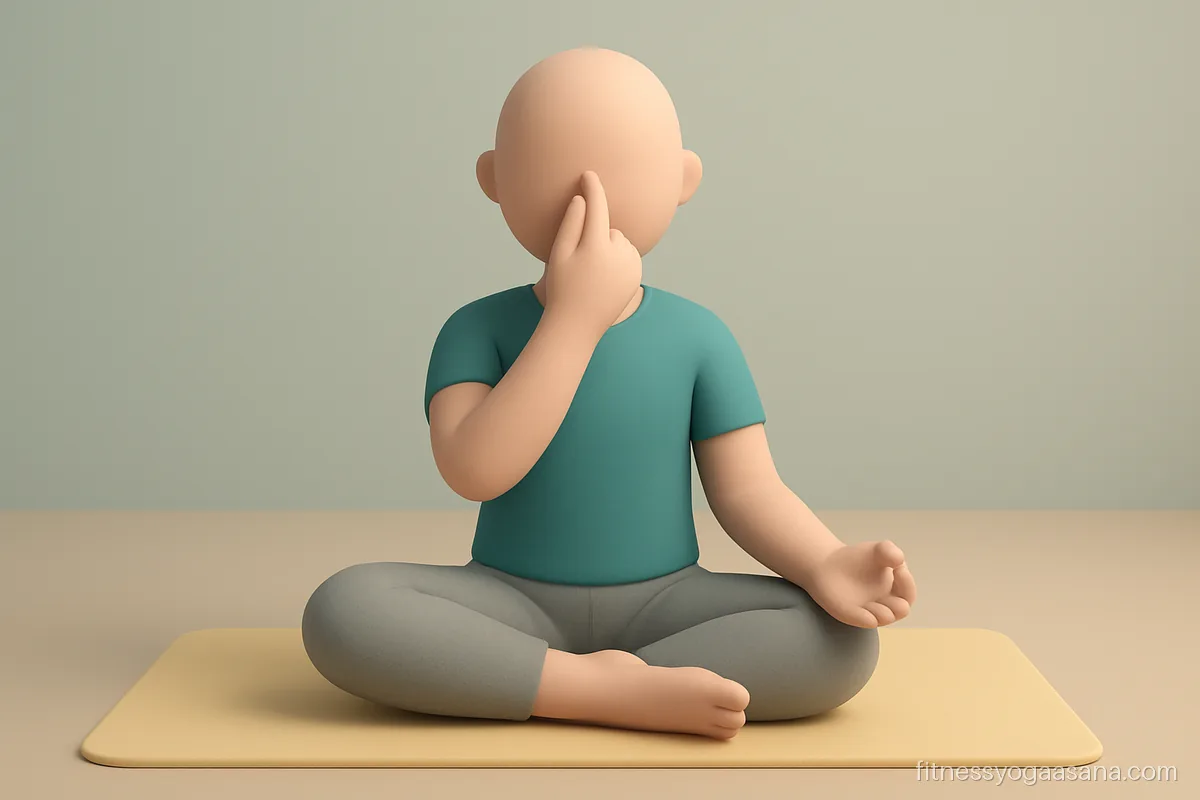
- Level
- Beginner
- Hold
- Count of 4
- Works on
- Balance
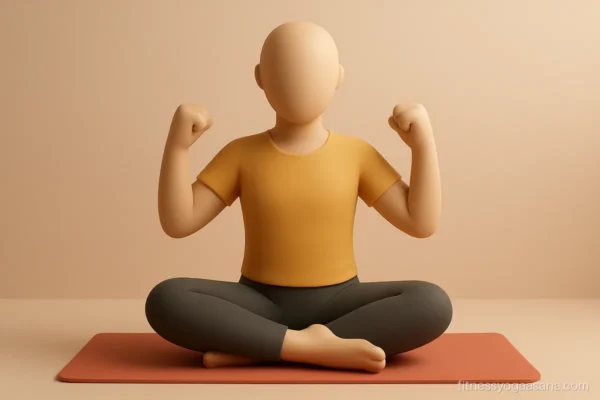
Begin by closing the right side with the thumb and breathing in slowly through the left.
Teacher's cue: Keep the elbow relaxed and close to the body.

- Level
- All levels
- Hold
- 5 minutes
- Works on
- Calm, focus
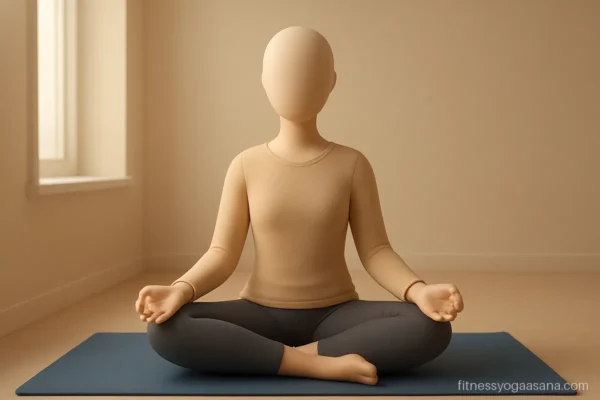
Five minutes on a chair is enough for a calm break during a busy day.
Teacher's cue: Rest the left forearm on the thigh and let the shoulders drop.

- Level
- All levels
- Hold
- 10 minutes
- Works on
- Routine
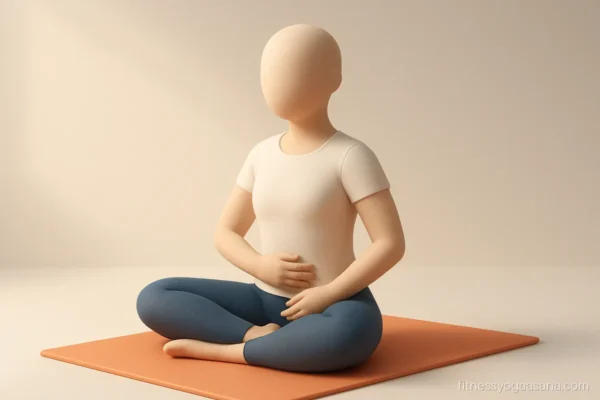
In many Indian parks, anulom vilom is part of the morning group routine.
Teacher's cue: Breathe at your own pace, not your neighbour's.
A simple count to follow
| Week | In | Out |
|---|---|---|
| 1 to 2 | 4 | 4 |
| 3 to 4 | 4 | 6 |
| 5 onward | 4 | 8 |
A longer out breath is calming. Never strain to reach a count; shorten it if you feel breathless. You can follow the alternate nostril timing on the breathing circle in our pranayama guide.
Anulom vilom pranayama benefits
People most often report a calmer mind, steadier focus and easier sleep. Small studies of alternate nostril breathing suggest it may lower perceived stress, slow the heart rate and modestly lower blood pressure, and some show better attention scores. Anuloma viloma pranayama benefits grow with steady, everyday practice rather than long weekend sessions. Claims that it opens blocked arteries or reverses disease have no support.
Anulom vilom pranayama yoga sessions in groups often run for 10 to 15 minutes; at home, even five unhurried minutes are worthwhile.
Anulom vilom vs nadi shodhana
Both follow the same alternating pattern. In common Indian teaching, anulom vilom has no breath holds, while nadi shodhana adds ratios and, at later stages, kumbhaka. If you are unsure, practise anulom vilom; it is the safer, simpler form. Anuloma pranayama in some texts refers to a related practice of inhaling through both nostrils and exhaling through partly closed nostrils.
Common mistakes
- Pressing too hard on the nose: a light touch is enough.
- Lifting the shoulder of the working arm: rest the elbow against the chest.
- Breathing noisily or quickly: keep each breath silent and slow.
- Losing track: count rounds on the fingers of the left hand.
When to practise and who should take care
Morning and evening both work, ideally on an empty stomach. A stuffy nose from a cold is a good reason to go lightly or rest that day. Without holds, anulom vilom yoga practice is suitable in pregnancy and for most health conditions, but stop if you feel dizzy. Pair it with bhramari for a calming evening routine.
Breathe gently and never force a hold. Skip fast or forceful breathing in pregnancy, high blood pressure, heart disease, epilepsy or after recent surgery, and stop if you feel dizzy or breathless.
Questions people ask
How long should I do anulom vilom?
Five minutes at first, rising to ten or fifteen as it becomes easy.
Can I do anulom vilom at night?
Yes, it is calming and can help you unwind before sleep.
Does alternate nostril breathing suit people with high BP?
The gentle version without holds is commonly recommended and may help slightly. Continue medical treatment.
Which nostril should I start with?
Usually the left. Breathe out fully first, then inhale through the left nostril.
Can children do anulom vilom?
Older children can try a few relaxed rounds with a short count, supervised by an adult.
Practise next
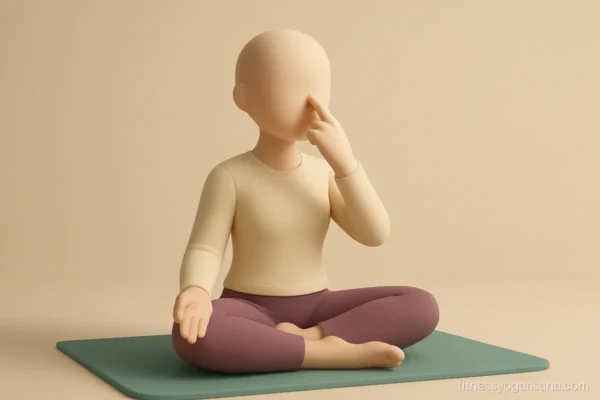 Nadi shodhanaChannel cleansing alternate nostril breath, with ratios
 PranayamaWhat pranayama is, how to start and every breathing practice
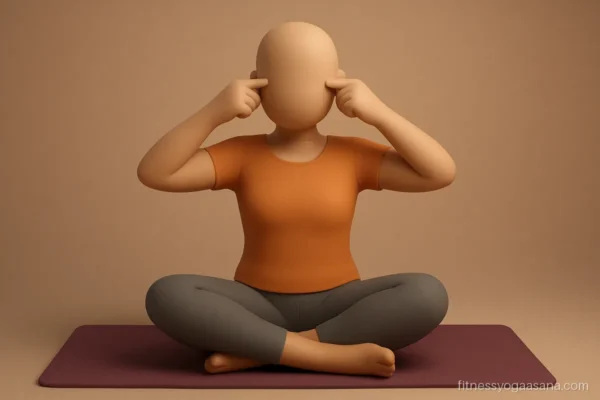 Bhramari pranayamaThe humming bee breath: steps, benefits and how many rounds
 Types of pranayamaCalming, energising, cooling and balancing breath practices
 Yoga for high blood pressureSafe poses, slow breathing and what to avoid with high BP
More in pranayama
 Bhastrika pranayamaThe bellows breath: forceful, equal breathing for energy
 Ujjayi pranayamaThe ocean breath: a soft throat sound for steady breathing
 KapalbhatiQuick belly exhales with passive inhales, for energy
 Sheetali pranayamaBreathing in through a rolled tongue to cool down
 Surya bhedana pranayamaBreathe in through the right nostril, out through the left
 Benefits of pranayamaTen benefits of yogic breathing and what studies support
 Sheetkari pranayamaCool air drawn in through the teeth with a soft hiss
 Chandra bhedana pranayamaInhale left, exhale right: the cooling, calming nostril breath