Sheetkari Pranayama: The Hissing Cooling Breath
Pranayama 3 illustrations Updated 2 Nov 2026
Sheetkari pranayama cools you through the teeth. With the upper and lower teeth just touching and the lips drawn back, you pull air in through the narrow gaps so it makes a faint hiss, then close the mouth so the breath exits through the nose. Anyone who cannot curl the tongue for sheetali can use this instead and get much the same fresh, settled feeling.
Its other spellings include sitkari, shitkari pranayama and seetkari, and the Hatha Yoga Pradipika counts it among its eight kumbhakas. Below: the method, a comparison with the tongue version, why people like it in summer, and when to leave it alone.
- Inhale
- Through the teeth, lips parted, soft hiss
- Exhale
- Through the nose, mouth closed
- Rounds
- 8 to 15
- Best for
- Hot weather, feeling heated or irritable
- Spellings
- Sitkari, shitkari, seetkari
- Skip if
- Cold, cough, sensitive teeth, low BP
How to do sheetkari pranayama
- Take any steady seat with the back upright.
- Let the teeth meet gently, without clenching.
- Draw the lips back so the front teeth are visible.
- Pull the breath in slowly across the teeth, listening for a soft hiss.
- Shut the lips and release the air through the nostrils, taking longer than the in breath.
- Continue for eight to fifteen cycles, about three to five minutes.
In some lineages the tongue tip curls back toward the palate during the inhale. If that feels awkward, just leave the tongue at rest.
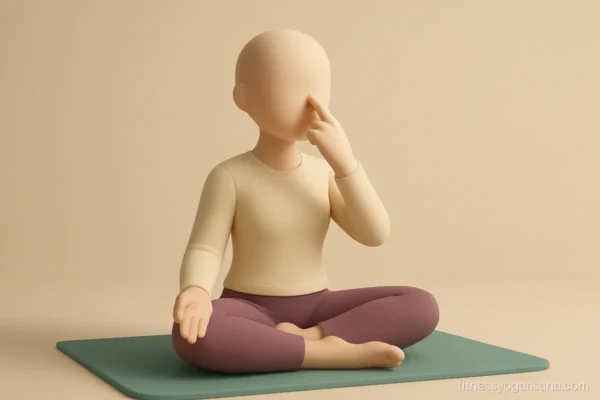
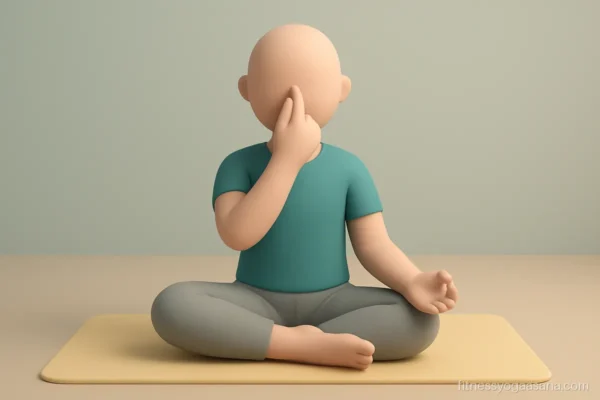
Sheetkari pranayama in pictures
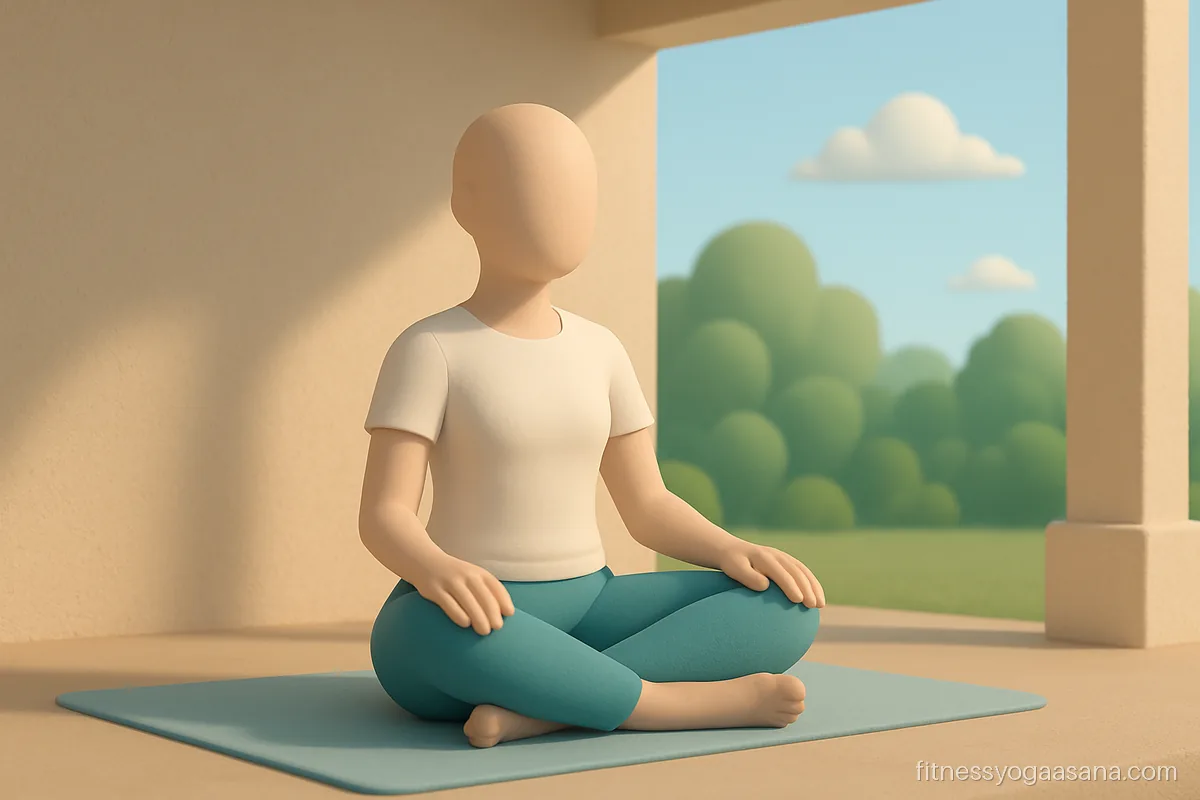
- Level
- Beginner
- Hold
- 8 to 15 rounds
- Works on
- Cooling
Teeth together, lips apart: the breath slides in over the teeth with a whisper of sound.
Teacher's cue: Keep the jaw soft; the teeth only touch.

- Level
- Beginner
- Hold
- One slow exhale
- Works on
- Calm
Seal the lips after each hiss and let the warmed air drift out of the nostrils.
Teacher's cue: Make the out breath longer and quieter than the in breath.
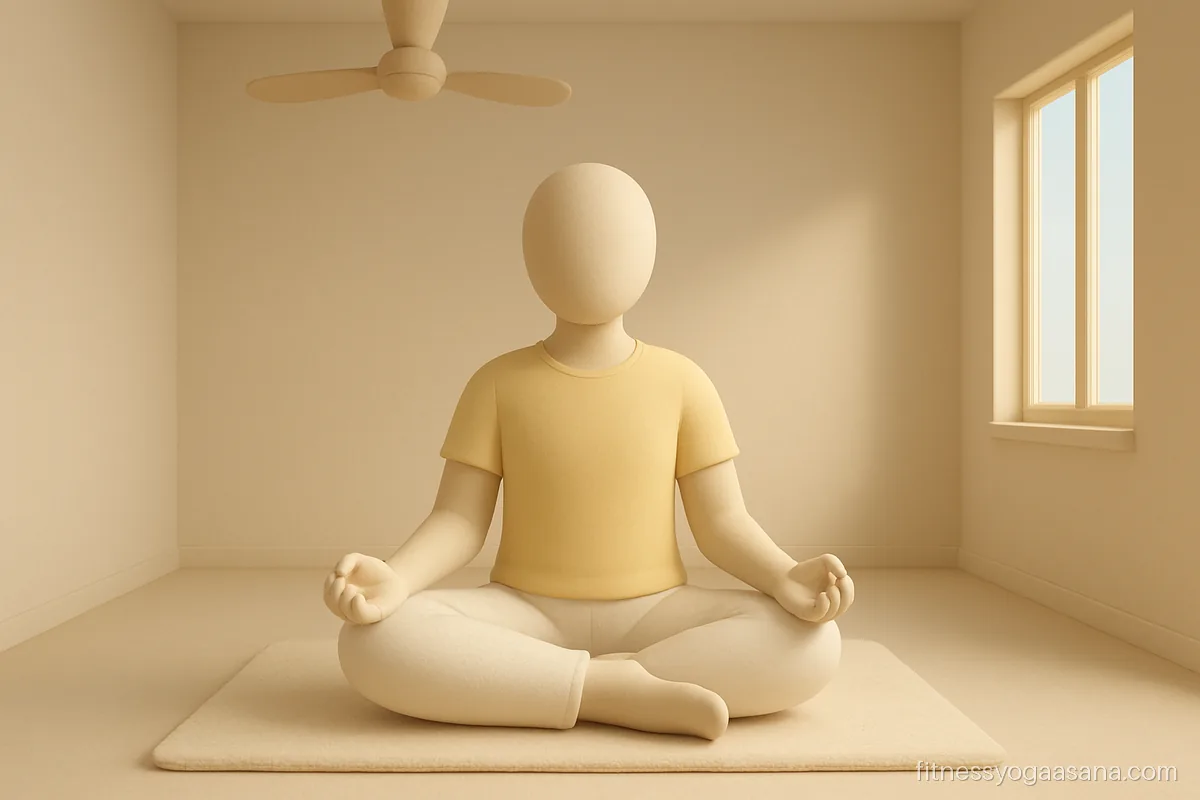
- Level
- All levels
- Hold
- 3 to 5 minutes
- Works on
- Heat relief
On a sweltering afternoon, five quiet minutes of this breath under a fan can feel like a cold drink.
Teacher's cue: Stop if the teeth feel sensitive to the cool air.
Sheetkari vs sheetali
| Sheetkari | Sheetali | |
|---|---|---|
| Air enters | Between the teeth | Through a rolled tongue |
| Sound | Soft hiss | Quiet sip |
| Who can do it | Almost everyone | Only people who can roll the tongue |
| Effect | Cooling, calming | Cooling, calming |
Sheetkari pranayama benefits
The cool air over the teeth and tongue gives an immediate cooling sensation, which many people find soothing in hot weather or when they feel flushed or irritable. Like other slow breathing practices, it may help lower heart rate and stress for a short while. Traditional texts also claim it reduces hunger, thirst and sleepiness, which has not been studied.
Sitkari pranayama in a hot climate
In much of India the summer months bring sticky heat and short tempers. Cooling breaths have been used for centuries in exactly this setting. A practical way to use sheetkari is to do a few rounds after coming indoors from the sun, before a meal on a hot day, or when you notice irritation rising. Drink water as well; no breathing technique replaces hydration. People who work outdoors may find a short round at lunch helps them feel fresher for the afternoon.
Who should avoid it
Put this practice aside on cold days, when a chest or throat infection is brewing, during an asthma flare, if your blood pressure tends to run low, or if cold air hurts your teeth. Mouth breathing pulls in whatever is in the air, so practise indoors when it is dusty or smoggy. The classical method adds a pause after the inhale; omit it with high blood pressure or a heart condition.
Where it fits
Sitkari pranayama works well to cool down after a demanding session or as a midday reset in summer. Combine it with the left nostril breath on our chandra bhedana page for an extra calming effect, and compare every method in the types of pranayama table or the main pranayama guide.
Breathe gently and never force a hold. Skip fast or forceful breathing in pregnancy, high blood pressure, heart disease, epilepsy or after recent surgery, and stop if you feel dizzy or breathless.
Questions people ask
What is sheetkari pranayama?
A cooling technique in which air is drawn in between the teeth with the lips parted and let out through the nose.
How is it different from sheetali?
Sheetali sends the in breath through a curled tongue; sheetkari sends it between the teeth, so almost anyone can do it.
How long should I practise sheetkari?
Eight to fifteen breaths, roughly three to five minutes, is plenty.
Is it suitable in winter?
Generally no; save it for warm weather and skip it when you have a cold.
Is shitkari pranayama the same practice?
Yes, shitkari, sitkari and seetkari are all spellings of sheetkari.
Practise next
 Sheetali pranayamaBreathing in through a rolled tongue to cool down
 Chandra bhedana pranayamaInhale left, exhale right: the cooling, calming nostril breath
 Types of pranayamaCalming, energising, cooling and balancing breath practices
 PranayamaWhat pranayama is, how to start and every breathing practice
 Benefits of pranayamaTen benefits of yogic breathing and what studies support
More in pranayama
 Bhramari pranayamaThe humming bee breath: steps, benefits and how many rounds
 Bhastrika pranayamaThe bellows breath: forceful, equal breathing for energy
 Ujjayi pranayamaThe ocean breath: a soft throat sound for steady breathing
 KapalbhatiQuick belly exhales with passive inhales, for energy
 Nadi shodhanaChannel cleansing alternate nostril breath, with ratios
 Anulom vilomSimple alternate nostril breathing, without breath holds
 Surya bhedana pranayamaBreathe in through the right nostril, out through the left