Kapalbhati Pranayama: Skull Shining Breath, Step by Step
Pranayama 3 illustrations Updated 2 Nov 2026
Kapalbhati pranayama is a breathing practice of short, strong exhales through the nose, each driven by a quick inward pull of the belly, with the inhale happening by itself. Kapal means skull and bhati means shining, so the name is often translated as skull shining breath. It is also one of the six cleansing practices of hatha yoga.
Done correctly, it feels energising and clearing. Done carelessly, or by the wrong person, it can cause dizziness or strain. This page covers the steps, rounds, benefits and the people who must skip it.
- Meaning
- Kapal: skull, bhati: shining
- Also spelled
- Kapalabhati
- Beginner dose
- 20 to 30 strokes, 2 or 3 rounds
- Pace
- About 1 stroke per second at first
- Best time
- Morning, empty stomach
- Never if
- Pregnant, hernia, recent surgery, high BP
Kapalbhati pranayama steps
- Take an upright seat, cross legged, kneeling or on a chair, palms on the knees.
- Take one normal breath in.
- Breathe out sharply through the nose by pulling the belly in quickly.
- Relax the belly; the breath will flow in on its own.
- Repeat at an easy rhythm, about one stroke per second, for 20 to 30 strokes.
- After the last stroke, take a slow full breath and rest for 30 to 60 seconds.
- Do 2 or 3 rounds in total.
Kapalbhati yoga kaise karte hain in one sentence: tez saans bahar, pet andar, saans andar apne aap.
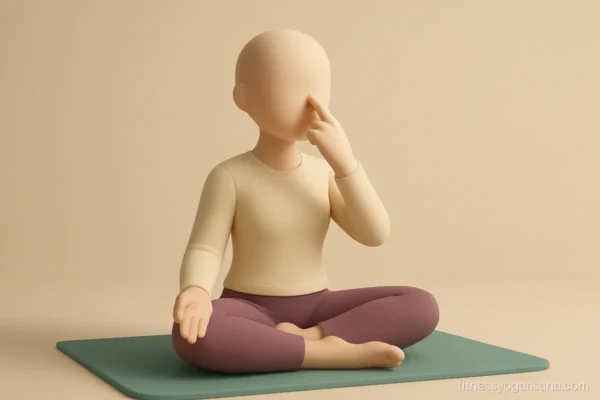
Kapalbhati in pictures
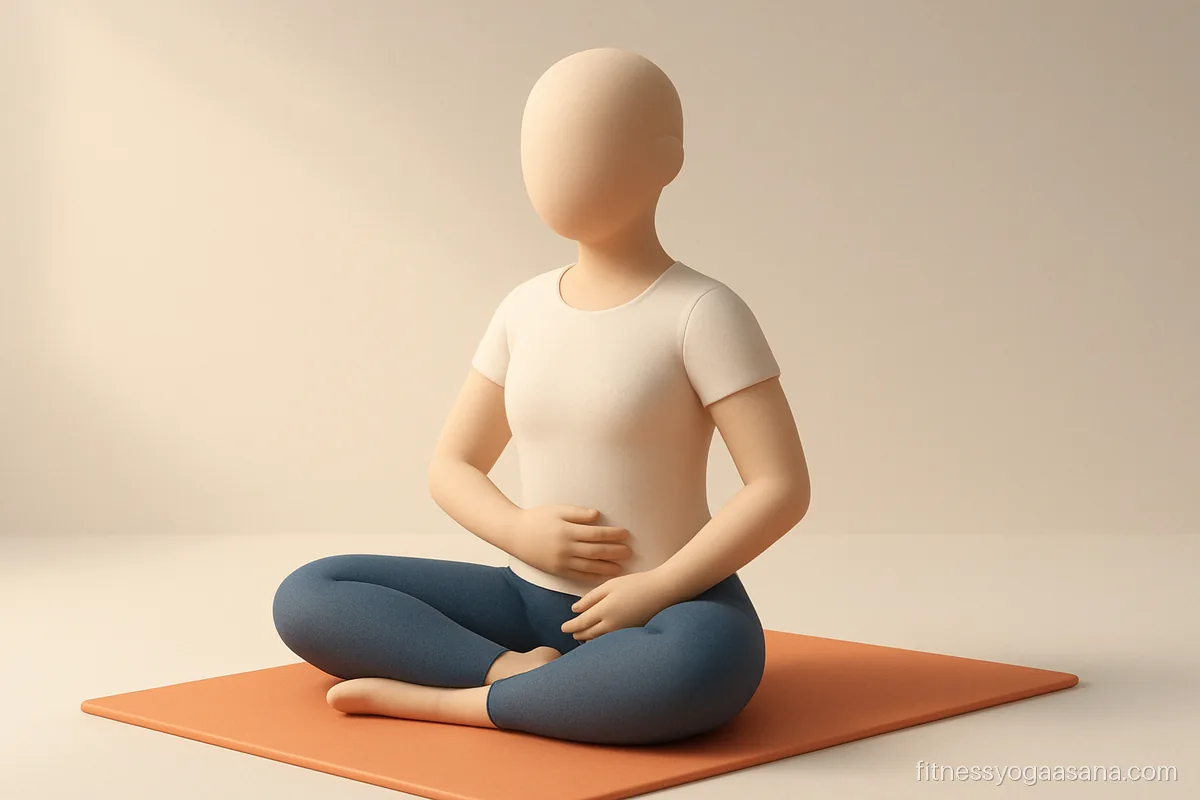
- Level
- Beginner
- Hold
- 20 strokes
- Works on
- Abdomen
Place a hand on the belly while learning. Feel it pull in sharply on each exhale and relax on its own for the inhale.
Teacher's cue: Think of blowing out a candle through your nose, from the belly.

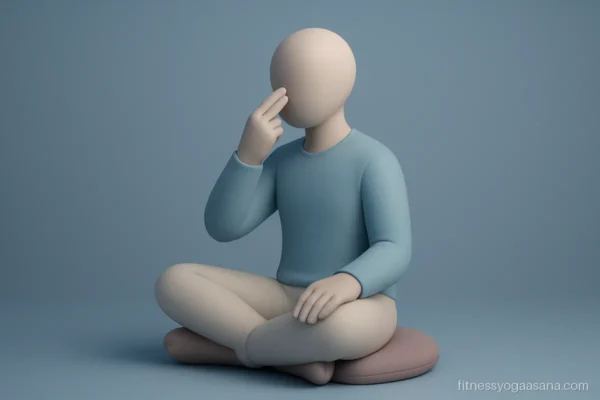
- Level
- Beginner
- Hold
- 2 or 3 rounds
- Works on
- Energy
Kneeling in vajrasana keeps the spine upright and makes the belly movement easy to feel.
Teacher's cue: Keep the chest and shoulders still; only the belly moves.
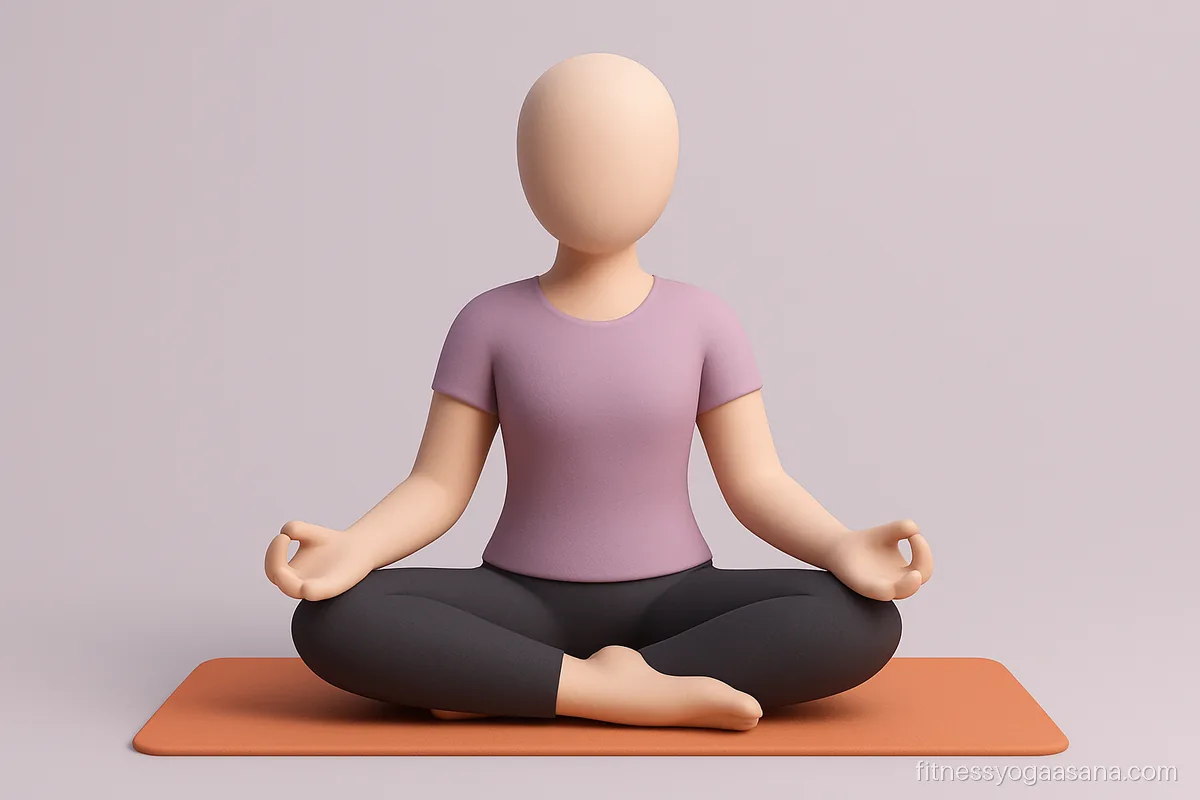
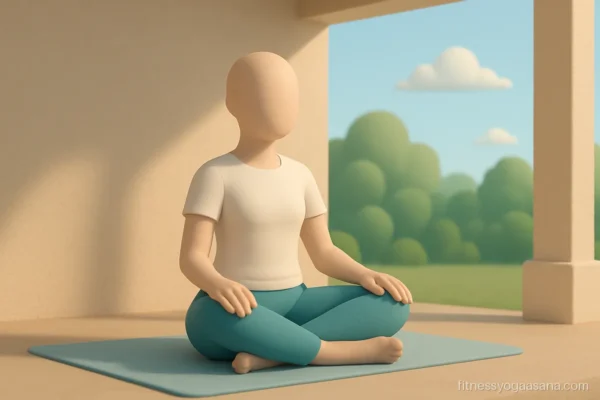
- Level
- All levels
- Hold
- 30 to 60 seconds
- Works on
- Recovery
After each round, breathe naturally for 30 seconds or more. Notice the stillness before starting the next round.
Teacher's cue: Rest until you have no urge to breathe faster.
Getting the kapalbhati yoga technique right
- Active exhale, passive inhale: never suck air in.
- Still upper body: shoulders, chest and face stay relaxed.
- Gentle start: speed and number of strokes grow over weeks, not days.
- Nose only: keep the mouth closed throughout.
Kapalbhati is not really an asana, though people sometimes call it kapalbhati asana; it is done sitting still.
You may see it written kapalabhati pranayama in older books; kapalbhati pranayama yoga in Indian classes is exactly the same practice.
Kapalbhati pranayama benefits
After a few rounds most practitioners describe a buzz of alertness, a little warmth and a lighter, less heavy belly. The quick belly contractions work the abdominal muscles. Small studies suggest it may improve some lung function measures and reaction time, but large trials are lacking. Claims that kapalbhati melts belly fat or treats serious diseases are not supported. Think of kapalbhati yoga benefits as energy and abdominal awareness, best combined with calm breathing afterwards.
Who must not do kapalbhati
Skip kapalbhati completely during pregnancy and for several months after childbirth, after any abdominal, chest, eye or brain surgery, and with a hernia, uncontrolled blood pressure, heart disease, epilepsy, glaucoma or a slipped disc. Many teachers advise avoiding it during periods. People with acid reflux may find it worsens symptoms. If unsure, ask your doctor and choose alternate nostril breathing instead.
Common mistakes
| Mistake | Fix |
|---|---|
| Forcing the inhale | Let the belly release and air comes in by itself |
| Shoulders jumping with each stroke | Slow down and keep the movement in the belly |
| Going too fast too soon | Start at one per second |
| Continuing when dizzy | Stop, breathe normally and rest |
Kapalbhati in a breathing routine
Practise kapalbhati first, then a balancing practice such as nadi shodhana, then a calming one such as bhramari. This order energises and then settles you. For a stronger practice that also forces the inhale, see bhastrika. The full list is on types of pranayama.
Breathe gently and never force a hold. Skip fast or forceful breathing in pregnancy, high blood pressure, heart disease, epilepsy or after recent surgery, and stop if you feel dizzy or breathless.
Questions people ask
What daily amount of kapalbhati is sensible?
Beginners: 2 or 3 rounds of 20 to 30 strokes. Experienced practitioners may do more, but more is not always better.
Does kapalbhati reduce belly fat?
It strengthens the abdominal muscles but does not burn significant fat. Diet and overall activity matter far more.
Can I do kapalbhati at night?
It is energising and may affect sleep. Morning is the best time.
Is kapalbhati safe during periods?
Most teachers also leave it out on period days. Gentle breathing is a better choice on those days.
What is the difference between kapalbhati and kapalabhati?
They are two spellings of the same practice.
Practise next
 Bhastrika pranayamaThe bellows breath: forceful, equal breathing for energy
 PranayamaWhat pranayama is, how to start and every breathing practice
 Types of pranayamaCalming, energising, cooling and balancing breath practices
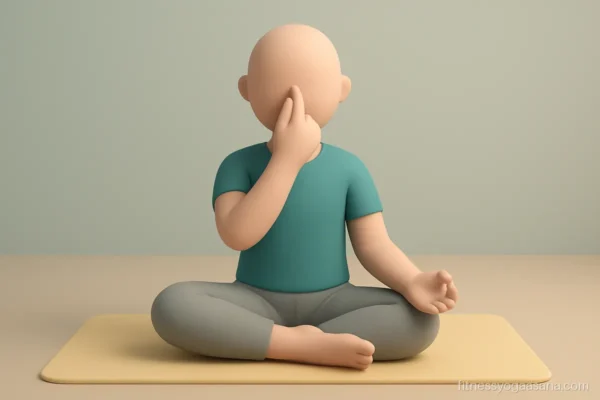 Anulom vilomSimple alternate nostril breathing, without breath holds
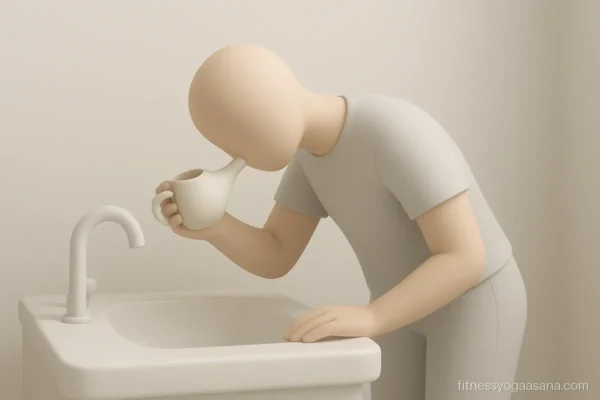 ShatkarmaNeti, dhauti, basti, nauli, trataka and kapalbhati explained
More in pranayama
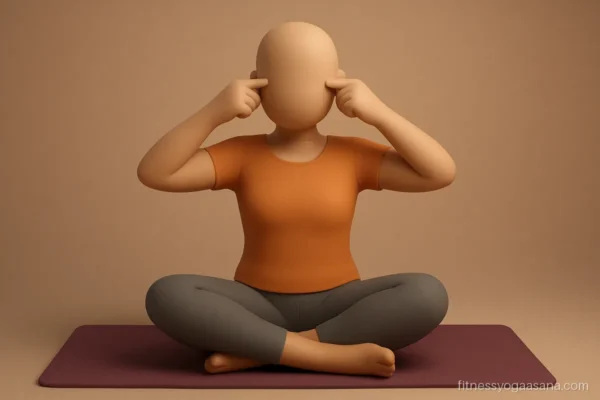 Bhramari pranayamaThe humming bee breath: steps, benefits and how many rounds
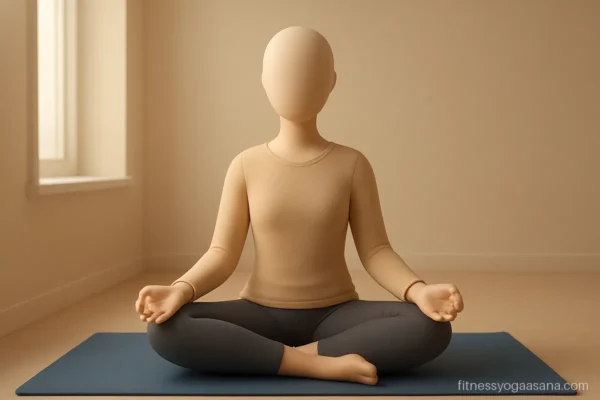 Ujjayi pranayamaThe ocean breath: a soft throat sound for steady breathing
 Nadi shodhanaChannel cleansing alternate nostril breath, with ratios
 Sheetali pranayamaBreathing in through a rolled tongue to cool down
 Surya bhedana pranayamaBreathe in through the right nostril, out through the left
 Benefits of pranayamaTen benefits of yogic breathing and what studies support
 Sheetkari pranayamaCool air drawn in through the teeth with a soft hiss
 Chandra bhedana pranayamaInhale left, exhale right: the cooling, calming nostril breath