What Is Yoga? Meaning, Definition and How It Works
Yoga basics 6 illustrations Updated 2 Nov 2026
What is yoga in one line: a practical system from ancient India for steadying the body, the breath and the mind so that a person can live with more clarity and ease. The word comes from the Sanskrit root yuj, which means to join or to yoke, and the most quoted definition, from Patanjali, calls yoga the quieting of the movements of the mind.
Most people meet yoga through poses on a mat, but poses are only one part. This introduction to yoga covers what people usually ask about yoga. It explains the meaning of yoga, the elements of a full practice, the main paths, and where to go next on this site.
- Word root
- Yuj: to join, to yoke, to unite
- Origin
- Ancient India, thousands of years old
- Classic text
- Yoga Sutras of Patanjali
- Main parts
- Ethics, posture, breath, focus, meditation
- Who can do it
- Almost anyone, with suitable changes
- Goal
- A steady body and a calm, clear mind
What is yoga: the meaning of the word
The Sanskrit root yuj appears in everyday words across Indian languages. It carries the sense of joining two things or harnessing them to work together, the way a yoke joins two oxen. In yoga, the idea is to bring scattered attention together: body, breath and mind pulling in one direction.
When people ask yoga kya hai, the plain Hindi answer is the same: yog ka arth hai jodna, to join. Over time the word also came to mean a method or a path, which is why you will hear of karma yoga, bhakti yoga and jnana yoga as different routes to the same steadiness.
What is yoga in pictures

- Level
- All levels
- Hold
- 5 to 20 minutes
- Works on
- Mind, attention
Stillness is the heart of the classic definition. Sitting quietly with the breath is as much yoga as any pose.
Teacher's cue: Let the spine be tall and the face soft, then simply notice the breath moving.
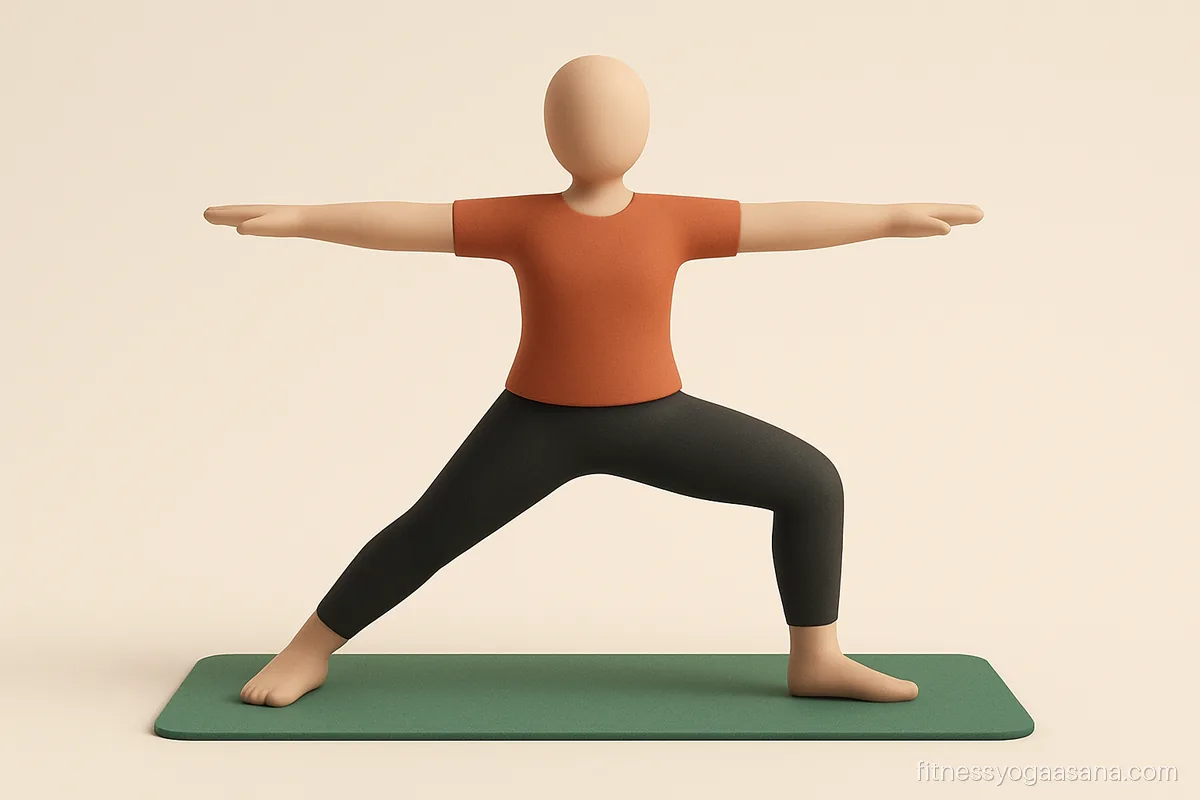
- Level
- Beginner
- Hold
- 5 breaths each side
- Works on
- Legs, stamina
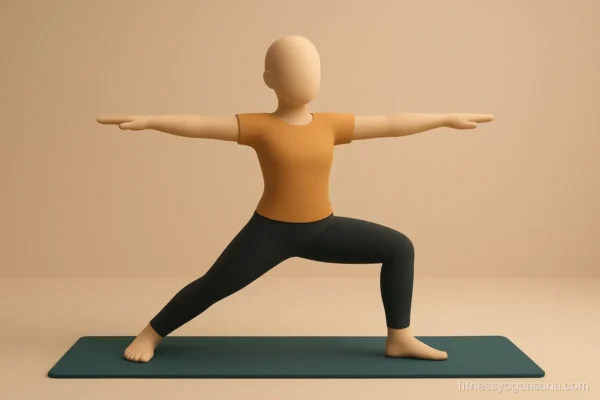
Asanas are the physical element of yoga. They build strength and stamina while asking the mind to stay with the breath.
Teacher's cue: Bend the front knee over the ankle and reach long through both middle fingers.
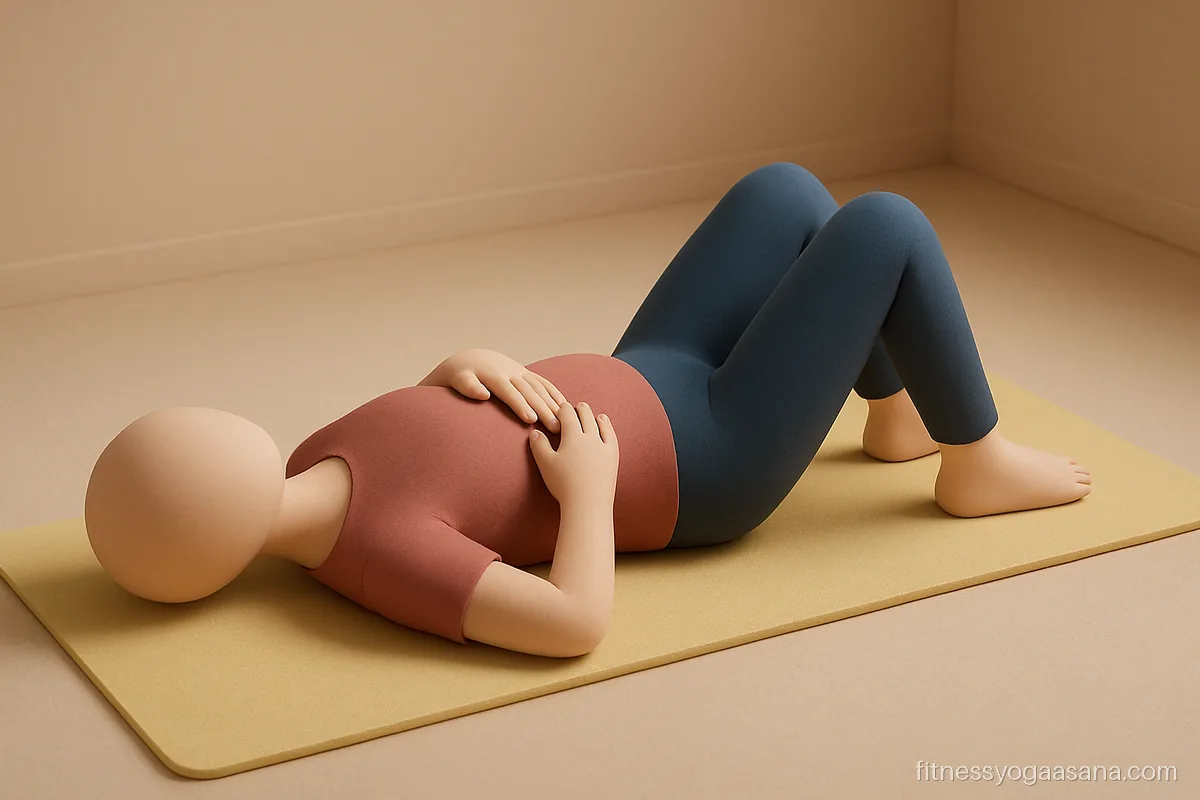
- Level
- All levels
- Hold
- 2 to 5 minutes
- Works on
- Breath, relaxation
Breath awareness links the body and mind. Feeling the belly rise first is the starting point for every pranayama practice.
Teacher's cue: Breathe so the lower hand rises before the upper hand, slowly and without force.
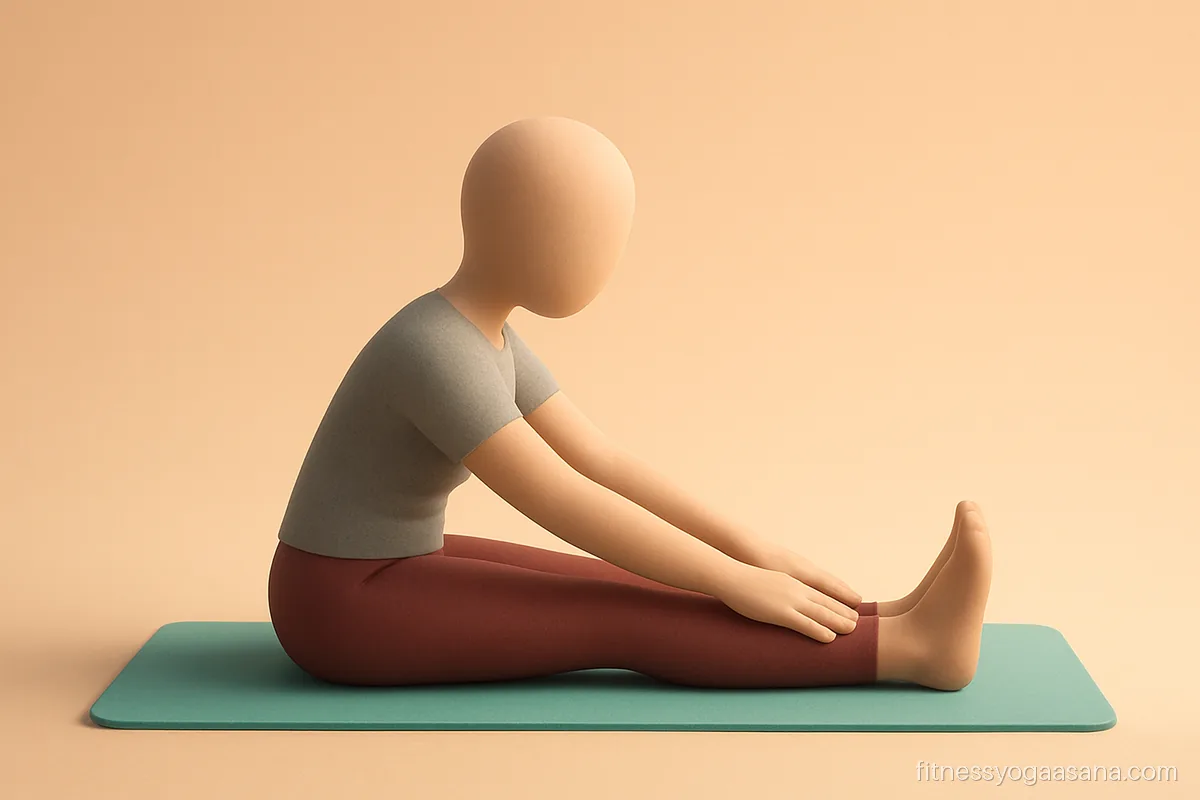
- Level
- Beginner
- Hold
- 5 to 8 breaths
- Works on
- Hamstrings, calm
Forward bends are often taught as an exercise in letting go: you reach, then soften, rather than pulling harder.
Teacher's cue: Hinge from the hips first, then let the spine soften only as far as feels kind.
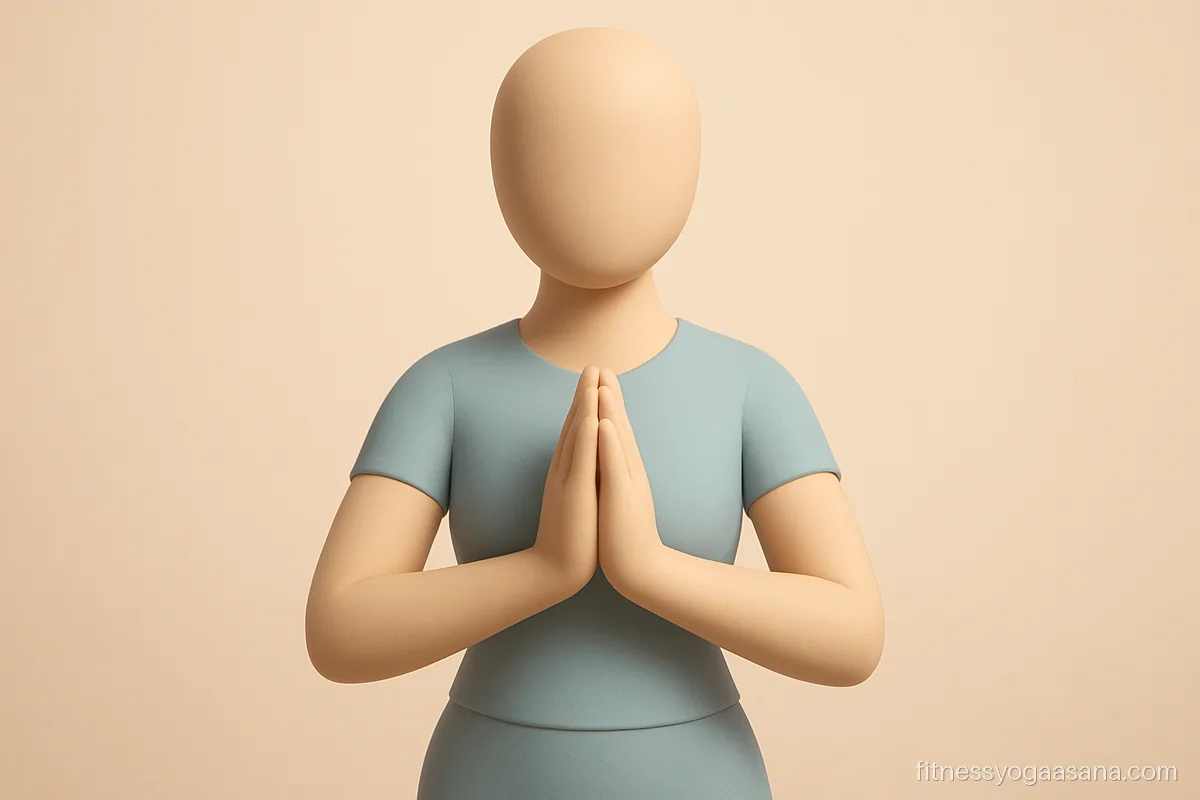
- Level
- All levels
- Hold
- 3 breaths
- Works on
- Attention
Many classes open and close with palms together. It marks the start and end of practice and a moment of respect.
Teacher's cue: Press the palms evenly and let the thumbs rest lightly against the breastbone.

- Level
- All levels
- Hold
- 5 minutes
- Works on
- Recovery
A full yoga session ends in rest. Shavasana gives the nervous system time to settle before you return to the day.
Teacher's cue: Release the jaw, the hands and the belly one by one.
The classic definition of yoga
The Yoga Sutras, compiled by Patanjali, open by defining yoga as the stilling of the fluctuations of the mind. The text then says that when the mind is still, a person rests in their true nature. That short definition explains why yoga gives so much weight to steadiness and so little to how far you can bend.
The Yoga Sutras page explains the four chapters and the most useful lines in simple words. A later text, the Hatha Yoga Pradipika, focuses on the body and breath and is the source of many poses and breathing methods taught today.
The elements of yoga
School syllabuses often list the elements of yoga. The most complete list is Patanjali's eight limbs, covered in detail on the 8 limbs of yoga page.
| Element | Meaning | In daily life |
|---|---|---|
| Yama | Restraints in how we treat others | Non-violence, truthfulness |
| Niyama | Personal disciplines | Cleanliness, contentment, self study |
| Asana | Steady posture | The poses on your mat |
| Pranayama | Breath regulation | Slow, even breathing practices |
| Pratyahara | Drawing the senses inward | Less reacting to every noise |
| Dharana | Concentration | Holding attention on one point |
| Dhyana | Meditation | Attention that flows without effort |
| Samadhi | Complete absorption | The goal described by the texts |
Yoga philosophy in plain words
Yoga philosophy grew alongside the Samkhya school of Indian thought. It describes two levels of experience: the changing world of body, thoughts and feelings, and an unchanging awareness that watches them. Suffering, in this view, comes from confusing the two. Practice slowly loosens that confusion.
You do not need to accept any belief to benefit from the practice. Many people use yoga purely for health and calm. Others find the philosophy gives their practice meaning. Both approaches are common in India and abroad.
Hatha yoga meaning and the physical practice
Hatha yoga is the branch that works through the body and breath. The word is often explained as ha, sun, and tha, moon, describing a balance of active and calming energies. Almost every pose class you see today, from gentle classes to fast flowing ones, grows out of hatha yoga. Read more on the hatha yoga page or compare styles on types of yoga.
Yoga kaise karte hain and yoga kaise karen: how to begin
Starting is simpler than it looks. Choose a quiet spot, a non slip mat and a time when your stomach is empty. Then follow this order.
- Sit for two minutes and let the breath slow down.
- Warm up with gentle neck, shoulder and spine movements.
- Practise five to eight easy poses, holding each for a few breaths.
- Add five minutes of calm breathing such as anulom vilom.
- Lie in shavasana for five minutes before getting up.
The yoga for beginners guide turns this into a two week plan, and the benefits of yoga page explains what regular practice may do for you.
Is yoga a religion?
Yoga grew within Indian spiritual traditions, and some practitioners treat it as a spiritual path. But the practices themselves, posture, breath and attention, do not require belief in any god or creed. People of every faith and of none practise yoga. On this site we describe traditional ideas respectfully and keep the instructions practical.
Every yoga basics guide on this site
| Guide | What it covers |
|---|---|
| Home | Every yoga pose, breath and mudra on the site in one place |
| International yoga day | Why yoga day is on 21 June, how it started and how to join in |
| Yoga for beginners | Ten easy poses, basic rules and a two week plan for new students |
| Benefits of yoga | What regular yoga practice may do for body and mind, and how soon |
| 8 limbs of yoga | Patanjali's eightfold path from ethics to deep meditation |
| Cleaning a yoga mat | Quick wipe, deep clean and drying tips for every mat type |
| Yoga nidra | Yogic sleep: a guided lying down practice for deep rest |
| Father of yoga | Why Patanjali is called the father of yoga, and other answers |
| Yoga meditation | How yoga and meditation fit together, with a starter practice |
| History of yoga | Where yoga began and how it changed over the centuries |
| Yoga chart | A chart of common poses by type, plus school chart tips |
| Yoga sutras | Patanjali's 196 sutras: definition, chapters and key ideas |
| Yoga mantra | Om, peace chants and closing prayers with meanings |
| Yoga break (Y Break) | The five minute workplace yoga protocol, explained |
| Shatkarma | Neti, dhauti, basti, nauli, trataka and kapalbhati explained |
| Morning yoga | A short wake up routine, best morning poses and habit tips |
| Chakras in yoga | The seven traditional energy centres along the spine |
| Hatha yoga pradipika | The medieval handbook of postures, breath, seals and meditation |
Practise on an empty stomach, move slowly into each position and stop at any sharp pain. If you have an injury, a health condition or are pregnant, check with a doctor or an experienced teacher first.
Questions people ask
What is yoga in simple words?
Yoga is a set of practices that trains the body, breath and mind to work together. It includes poses, breathing exercises, concentration and meditation, along with simple ethical guidelines.
What is the meaning of yoga in Hindi?
In Hindi, yoga or yog means jodna, to join or unite. It refers to joining body, breath and mind, and in a spiritual sense joining the individual with a larger awareness.
Who gave the definition of yoga?
The most quoted definition comes from Patanjali's Yoga Sutras, which describe yoga as the stilling of the movements of the mind. The father of yoga page explains why Patanjali is often given that title.
What are the elements of yoga?
The classic answer is Patanjali’s eight limbs, which start with ethics and personal discipline and end in deep meditation. Physical practice usually focuses on asana and pranayama, with a little meditation.
How is yoga different from exercise?
Exercise mainly trains the body. Yoga also trains attention, since each pose is a few slow, aware breaths long, and sessions end in rest or meditation.
Can anyone do yoga?
Almost anyone can practise some form of yoga, including older adults and people with limited movement, using chairs and props. People with health conditions should ask their doctor which practices suit them.
Practise next
 8 limbs of yogaPatanjali's eightfold path from ethics to deep meditation
 History of yogaWhere yoga began and how it changed over the centuries
 Benefits of yogaWhat regular yoga practice may do for body and mind, and how soon
 Yoga for beginnersTen easy poses, basic rules and a two week plan for new students
 Types of yogaThe classic paths, modern styles and families of yoga asanas
 Yoga sutrasPatanjali's 196 sutras: definition, chapters and key ideas