Benefits of Yoga for Body, Mind and Daily Life
Yoga basics 3 illustrations Updated 2 Nov 2026
The benefits of yoga come from three things working together: moving the body through its full range, slowing the breath, and training attention. Practised a few times a week, yoga may improve flexibility, strength, balance, sleep and mood, and it can help people cope better with stress and long term aches.
Below are twelve benefits explained in plain words, with notes on what research supports, the importance of yoga in daily life, and realistic timelines. People also ask about yoga karne ke fayde in Hindi; the answers are the same.
- Physical
- Flexibility, strength, balance, posture
- Mental
- Calmer mood, better focus, easier sleep
- Strongest evidence
- Low back pain, stress, sleep, fitness
- First changes
- Often within 2 to 3 weeks
- Weekly dose
- 3 to 5 sessions of 20 to 45 minutes
- Not a substitute
- For medical treatment
12 benefits of yoga, including 10 benefits of yoga backed by studies
- Flexibility: regular stretching increases how far joints can comfortably move.
- Strength: holding poses works muscles, especially legs, core and shoulders.
- Balance: standing poses train the ankles and the brain's balance systems, helpful as we age.
- Posture: awareness of alignment carries into how you sit and stand.
- Back comfort: research supports yoga for chronic low back pain.
- Stress: slow breathing and relaxation calm the stress response.
- Sleep: many studies report better sleep quality.
- Mood: yoga may ease symptoms of mild anxiety and low mood.
- Heart health: some trials show modest improvements in blood pressure.
- Breathing: pranayama trains slower, fuller breathing.
- Body awareness: you notice tension and fatigue earlier.
- Habit and routine: a daily practice anchors a healthier lifestyle.
Benefits of yoga in pictures
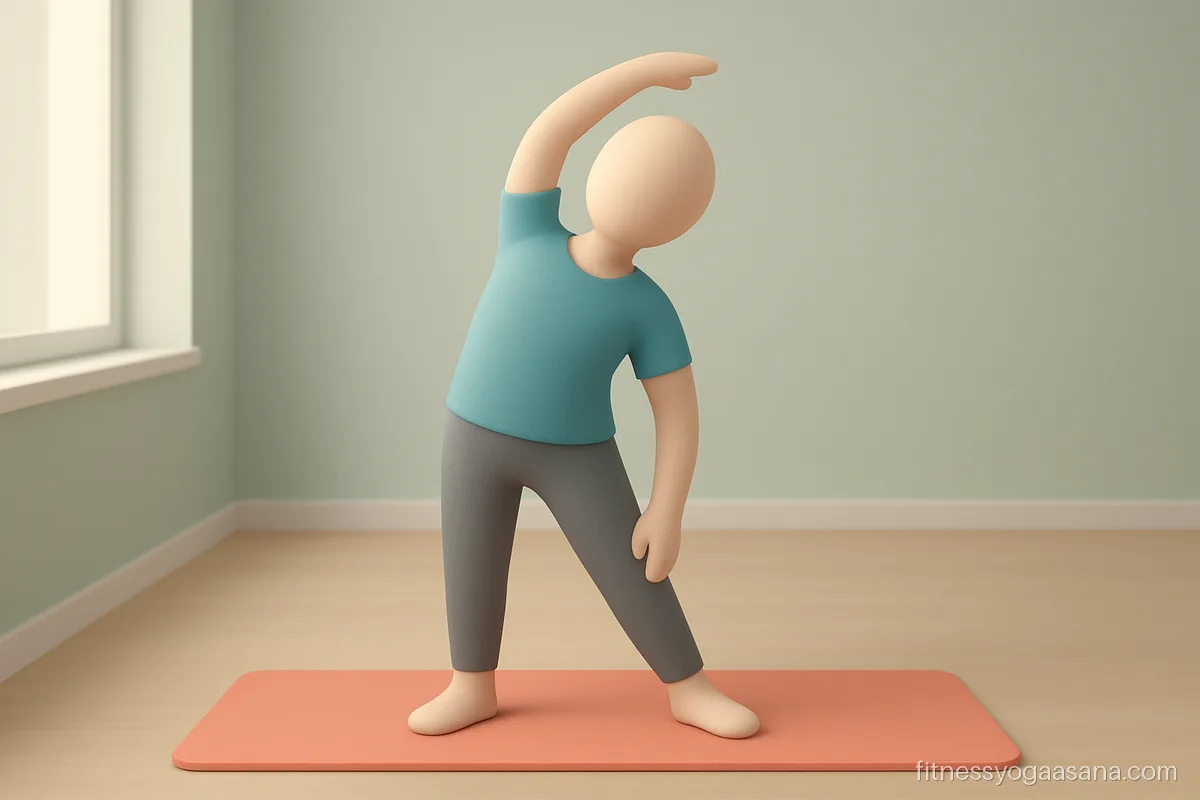
- Level
- Beginner
- Hold
- 3 to 5 breaths
- Works on
- Side body
Flexibility improves gradually as muscles get used to longer ranges. A side stretch like this frees the ribs and waist.
Teacher's cue: Reach up first, then over, keeping both feet heavy.
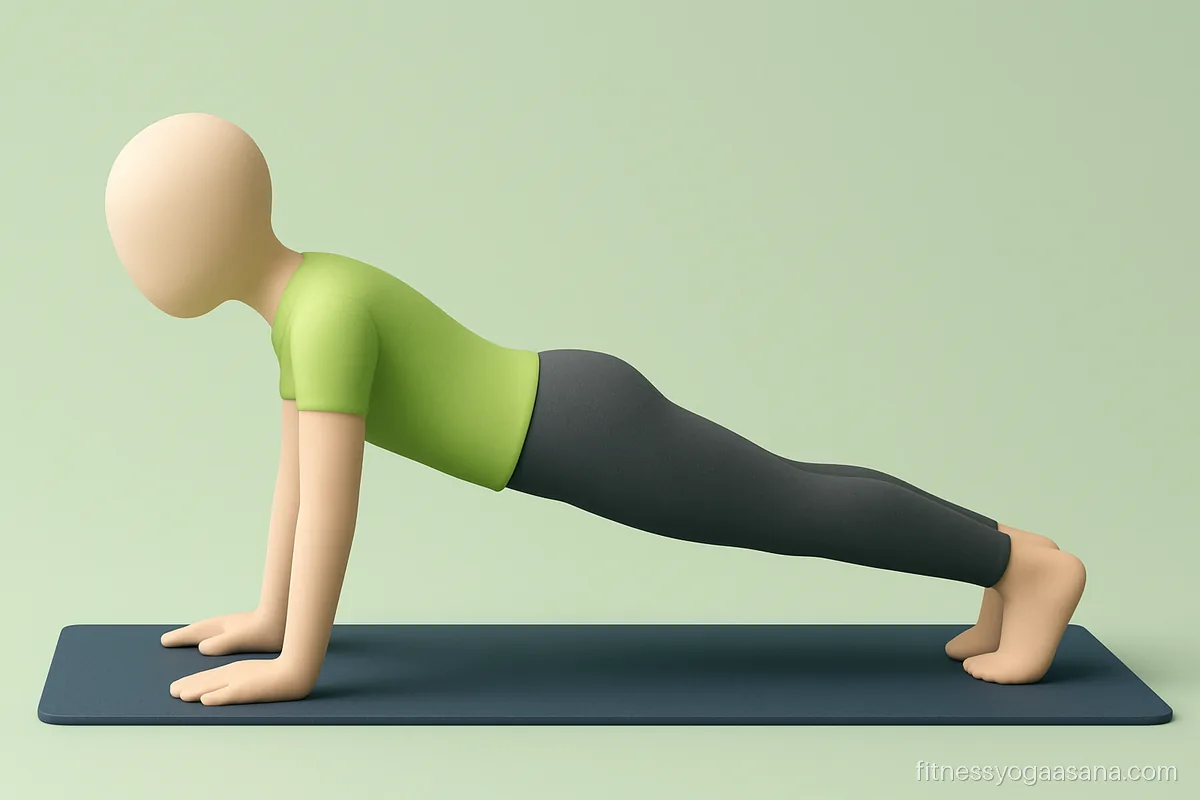
- Level
- Beginner
- Hold
- 20 to 30 seconds
- Works on
- Core, arms
Many poses are strength work in disguise. Holding plank builds the core, shoulders and arms using body weight alone.
Teacher's cue: Make one long line from head to heels and keep breathing.
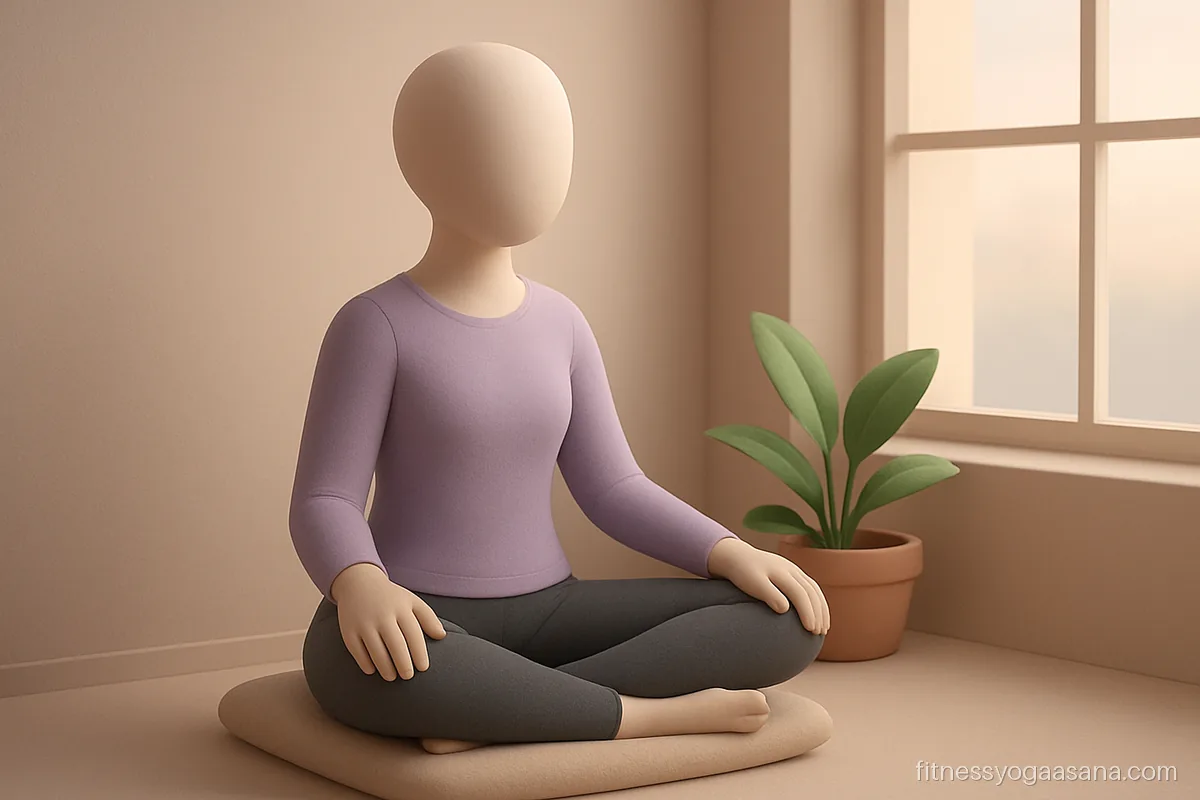
- Level
- All levels
- Hold
- 5 minutes
- Works on
- Mind, stress
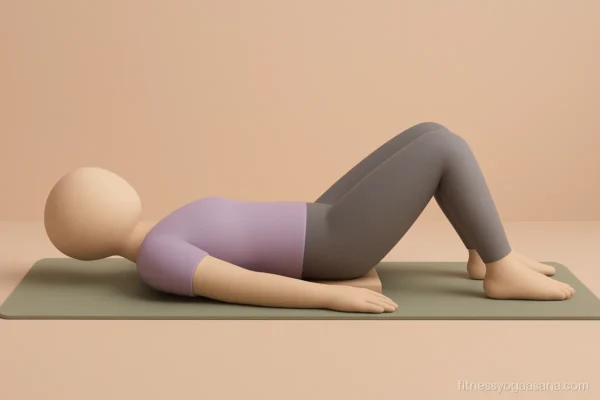
The calming effect is one of the most reported benefits. A few minutes of slow breathing after poses deepens it.
Teacher's cue: Lengthen the out breath a little more than the in breath.
What research supports and what is still unclear
Trials point most clearly to help with long standing lower back aches, everyday stress, sleep and basic fitness. It is promising but mixed for blood pressure, blood sugar, anxiety and some lung conditions. Claims that a particular pose massages organs, cleans the blood or reverses illness are not backed by good studies. The honest picture: yoga is a safe, well rounded form of exercise with real mental benefits, not a treatment for disease.
For condition specific advice, see the yoga therapy guide.
Importance of yoga in daily life
The importance of yoga in daily life is less about any one pose and more about rhythm. Ten minutes of movement in the morning, a few slow breaths before a stressful meeting, a short stretch after hours of sitting: these small moments add up. Students, office workers, parents and older adults all describe the same thing, a little more patience and a little less stiffness.
Classical texts put it differently. The aim of yoga, they say, is a still, clear mind. A fitter body is welcome along the way.
Yoga and its benefits for the mind
The importance of yoga for the mind is easy to underrate. A typical session asks you to notice small sensations, to stay with mild discomfort without reacting, and to return attention to the breath again and again. That is training for daily life: the same skill helps in traffic, during exams and in difficult conversations. People who practise regularly often say they react less sharply and recover from stress faster. Some describe it as the important of yoga that nobody mentions at first, since they came for flexibility and stayed for the calm. Meditation and yoga nidra strengthen this side further.
Yoga ke fayde: benefits by age group
| Group | Most useful benefits |
|---|---|
| Children | Body awareness, focus, calm. See yoga for kids. |
| Students | Concentration, posture, exam stress |
| Working adults | Back and neck comfort, stress, sleep |
| Women | Period comfort, pelvic and core strength. See yoga for women. |
| Older adults | Balance, joint mobility, fall prevention. See yoga for seniors. |
How long before you notice the advantages of yoga
- After one session: many feel calmer and looser.
- After 2 to 3 weeks: easier sleep and less morning stiffness are common reports.
- After 6 to 8 weeks: measurable gains in flexibility and strength.
- After 3 months: steadier balance, better posture, and the habit feels natural.
Getting the most benefit safely
Practise three to five times a week, mixing poses, breathing and rest. Include standing poses for strength, forward and back bends for the spine, and a few minutes of pranayama. Start with the beginner plan if you are new. Anyone living with an ongoing illness should run the plan past their doctor.
Practise on an empty stomach, move slowly into each position and stop at any sharp pain. If you have an injury, a health condition or are pregnant, check with a doctor or an experienced teacher first.
Questions people ask
Which five yoga benefits do people notice first?
Better flexibility, more strength, improved balance, lower stress and better sleep are the five benefits most people notice.
What is the aim of yoga?
In the classical view, the aim is a steady, clear mind and freedom from suffering. For most modern practitioners, it is also health, fitness and calm.
Does yoga help with weight loss?
It helps a little directly, more through habits, stress and sleep. Faster styles burn more energy. See yoga for weight loss.
Are there any disadvantages of yoga?
Injuries can happen when people force deep stretches, inversions or back bends. Learning gradually and avoiding unsuitable poses keeps risk low.
Is yoga better than going to the gym?
They train different things. Yoga is stronger on flexibility, balance and calm; gym training on maximum strength. Many people do both.
Practise next
 What is yogaThe meaning of yoga, its definition and the parts of a practice
 Yoga for beginnersTen easy poses, basic rules and a two week plan for new students
 Yoga therapyHow yoga is used for health, with every condition guide listed
 Yoga for stressCalming poses, breathing and a short routine for stressful days
 PranayamaWhat pranayama is, how to start and every breathing practice
 Surya namaskar benefitsWhat regular sun salutations do for strength, flexibility and mood
More in yoga basics
 International yoga dayWhy yoga day is on 21 June, how it started and how to join in
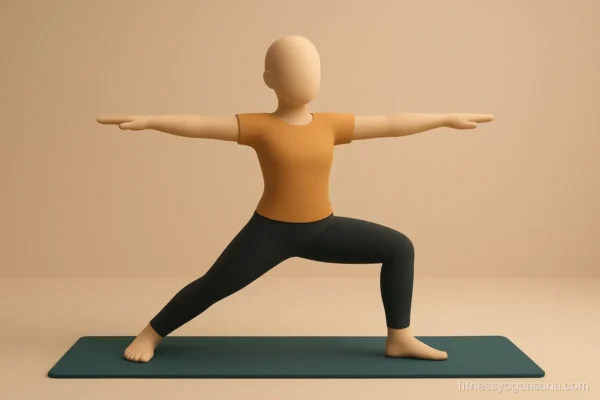 8 limbs of yogaPatanjali's eightfold path from ethics to deep meditation
 Cleaning a yoga matQuick wipe, deep clean and drying tips for every mat type
 Yoga nidraYogic sleep: a guided lying down practice for deep rest
 Father of yogaWhy Patanjali is called the father of yoga, and other answers
 Yoga meditationHow yoga and meditation fit together, with a starter practice
 History of yogaWhere yoga began and how it changed over the centuries
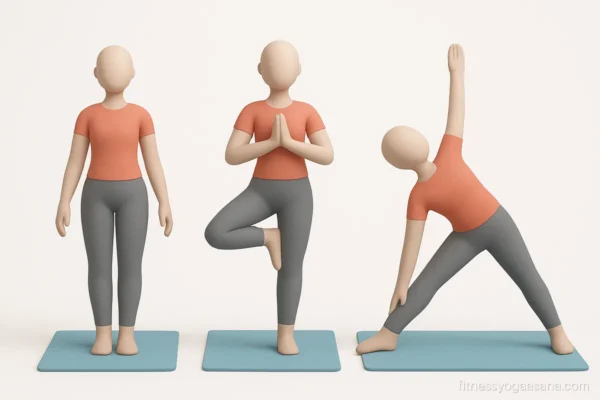 Yoga chartA chart of common poses by type, plus school chart tips