Yoga for Seniors: Strength, Balance and Ease
Yoga for health 4 illustrations Updated 2 Nov 2026
Yoga for seniors focuses on what matters most for healthy ageing: keeping the legs strong, the joints moving, balance steady and the mind calm. Research in older adults links regular gentle yoga with better balance, flexibility, mobility and mood, and some studies show fewer falls when balance training is part of the practice. You do not need to touch your toes or sit on the floor to benefit.
This page offers poses for balance, strength and mobility, a gentle weekly plan for senior citizens, chair yoga options, tips for safe practice, and the health conditions to discuss with a doctor first. Anti aging yoga claims are also addressed honestly.
- Focus
- Balance, leg strength, mobility, calm
- Frequency
- 2 to 3 sessions a week, 20 to 40 minutes
- Props
- Sturdy chair, wall, cushions, blocks
- Key poses
- Mountain, chair sit to stand, tree at wall
- Avoid
- Fast flows, deep twists with osteoporosis
- Check first
- Heart, BP, bones, joint replacements
Why yoga for seniors helps
From middle age onward, muscle strength and balance decline unless they are trained, and falls become a major cause of injury. Yoga combines strength work, balance practice, stretching and relaxation in one session, and it can be adapted to almost any ability. Studies of yoga in older adults report improvements in balance, walking speed, flexibility, sleep and mood. The social side of group classes helps with loneliness, which affects health as much as physical factors.
Yoga for seniors in pictures
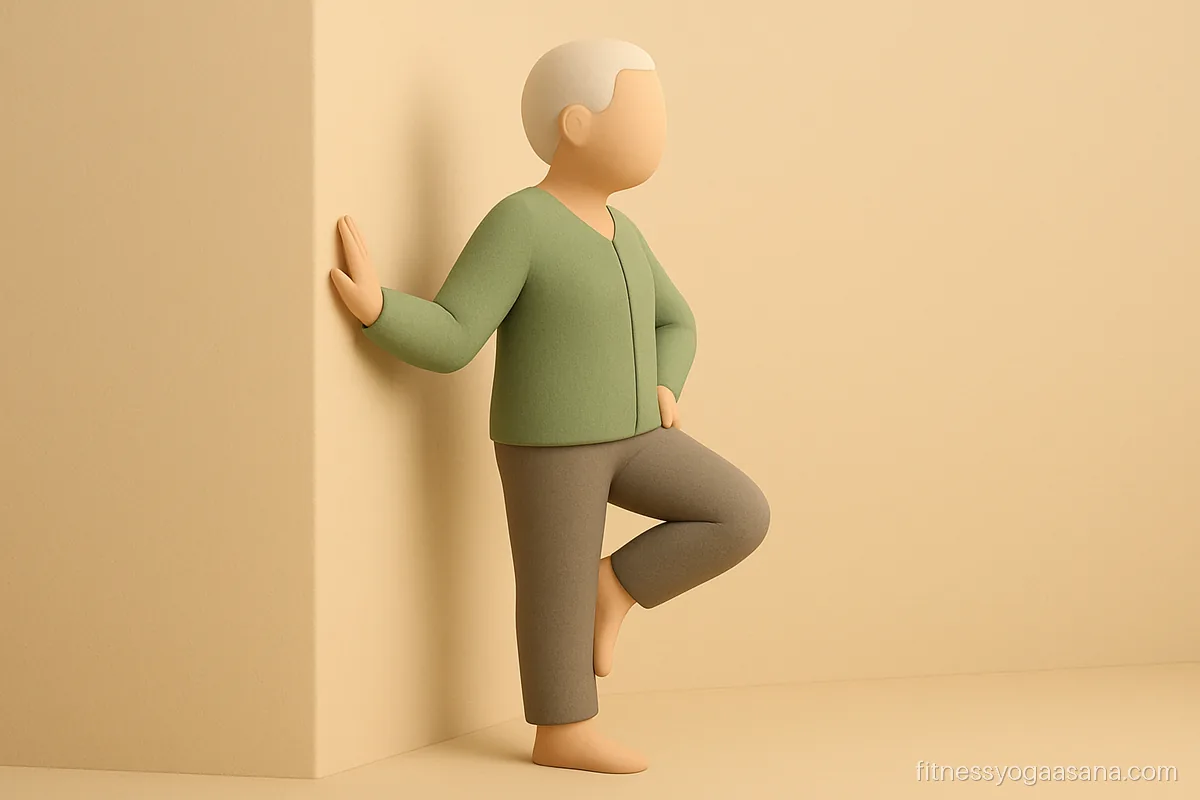
- Level
- Beginner
- Hold
- 5 breaths a side
- Works on
- Balance
Using the wall makes balance training safe; the leg muscles still work to keep you steady.
Teacher's cue: Rest the foot on the ankle or shin, never on the knee.
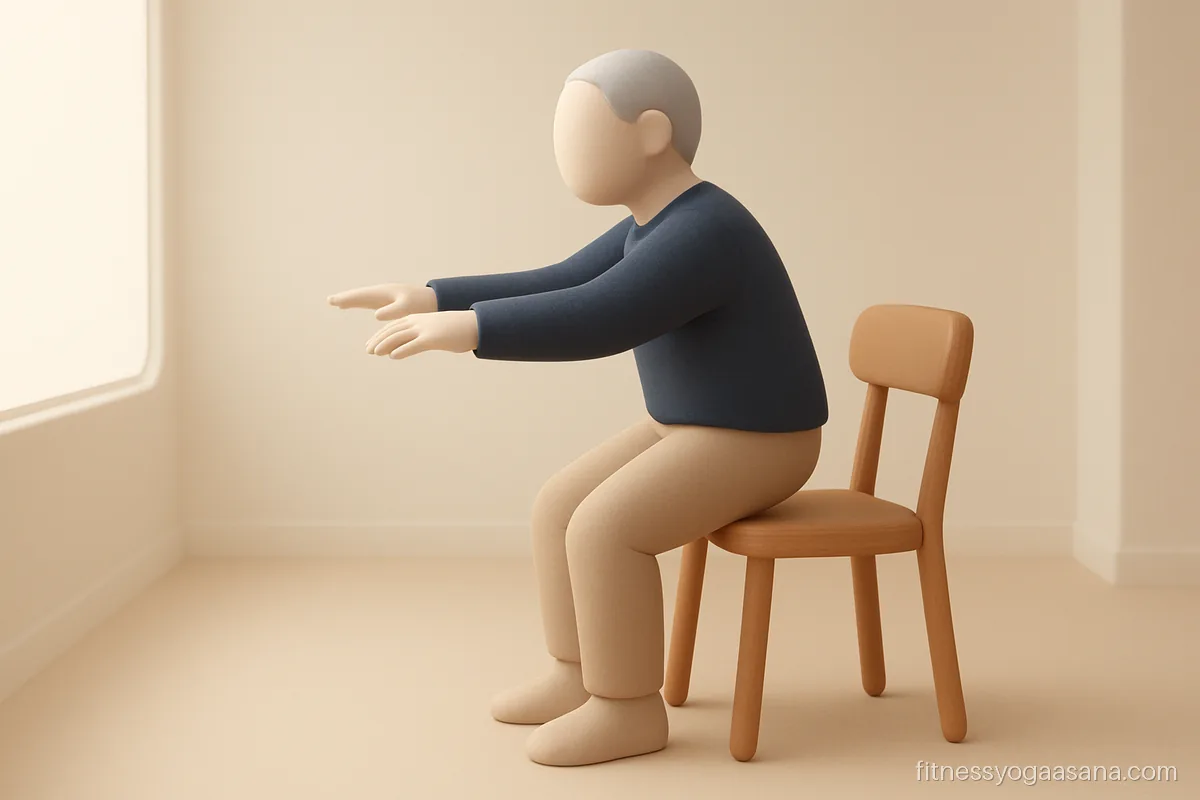
- Level
- All levels
- Hold
- 5 to 10 repeats
- Works on
- Leg strength
Sit to stand practice builds the leg strength needed to get up from chairs, toilets and floors safely.
Teacher's cue: Lean forward, nose over toes, then press up.

- Level
- Beginner
- Hold
- 3 breaths, 5 times
- Works on
- Hips, back
A small bridge strengthens the hips and back. Lift only as high as is comfortable.
Teacher's cue: Press through the feet and lift slowly.
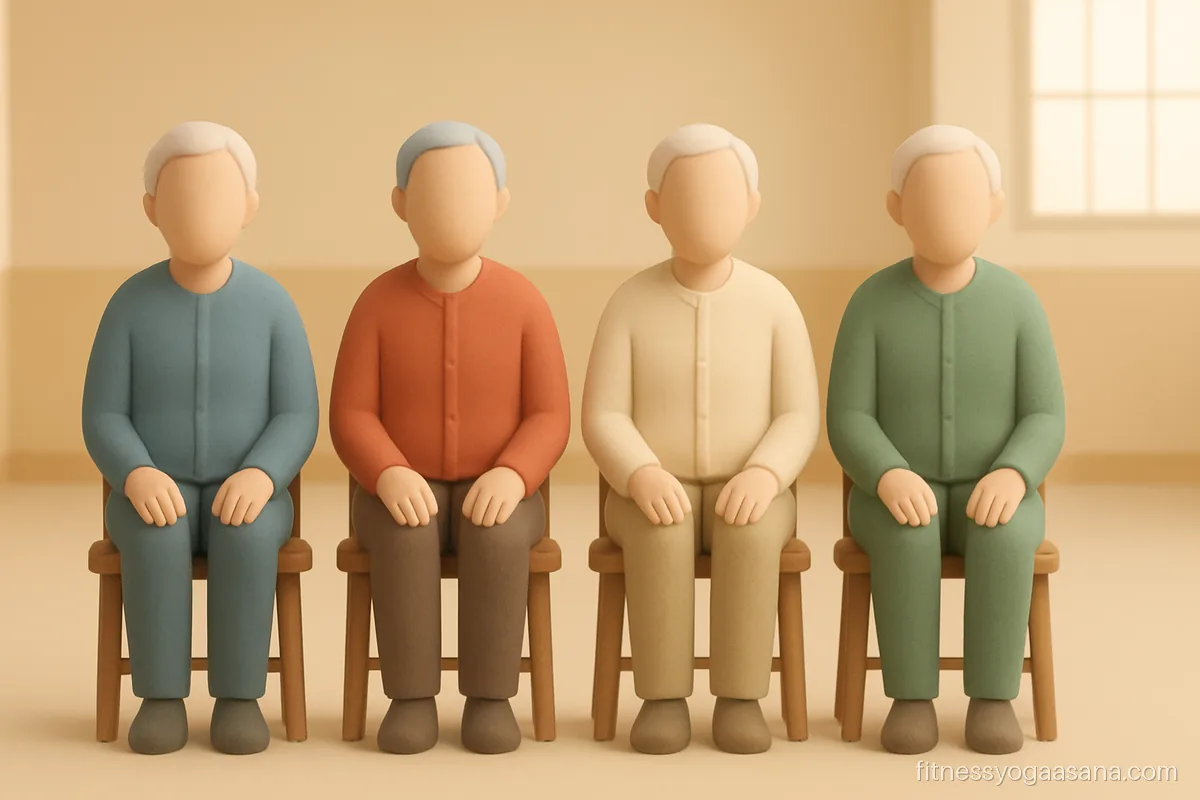
- Level
- All levels
- Hold
- 5 minutes
- Works on
- Calm, connection
Group classes add social contact, which also supports wellbeing in later life.
Teacher's cue: Nose in, long slow breath out.
Poses for balance, strength and mobility
- Balance: mountain pose with eyes open, then briefly closed while holding a chair; tree pose at the wall.
- Strength: chair sit to stand, wall push ups, gentle bridge, supported warrior holding a chair.
- Mobility: seated cat cow, shoulder rolls, ankle circles, gentle side bends.
- Calm: slow breathing and a short relaxation lying down or seated.
A gentle weekly plan
| Day | Practice |
|---|---|
| Mon | 30 minutes: warm up, balance, strength, relaxation |
| Tue | Walk 20 to 30 minutes |
| Wed | 20 minutes of chair yoga |
| Thu | Walk |
| Fri | 30 minutes, same as Monday |
| Sat | Breathing and relaxation, 15 minutes |
| Sun | Rest or a leisurely walk |
Chair yoga for seniors
Chair yoga for seniors keeps every benefit while removing the worry of getting down to the floor. Seated cat cow, side bends, twists, ankle circles and arm raises can all be done on a sturdy chair, and standing balances can be practised holding its back. A short chair session every morning is often easier to keep up than a long class once a week.
Safety tips for older practitioners
- Use a grippy mat or rug, with a steady chair or wall within reach.
- Get up from the floor slowly: roll to the side, come to hands and knees, then use a chair to stand.
- Avoid holding the breath during effort.
- With osteoporosis, avoid deep forward bends and strong twists; ask about safe options.
- With joint replacements, follow your surgeon's movement limits.
- Stop for chest pain, dizziness, unusual breathlessness or sharp pain.
Anti aging yoga: what is realistic
Searches for anti aging yoga often promise younger looking skin or reversed ageing. Realistic gains are staying strong, mobile and independent for longer, sleep better and feel calmer. These are valuable. Claims that it reverses ageing or erases wrinkles are not supported. For a balanced look at skin, see yoga for glowing skin.
Talk to a doctor first if
Book a doctor's check first if you live with heart disease, uncontrolled blood pressure, diabetes with low sugar episodes, osteoporosis, recent surgery, a joint replacement, glaucoma, or a history of falls. Bring a list of planned activities; most doctors welcome gentle yoga and can advise on changes. A teacher experienced with older adults is a great help.
This page is general information, not medical advice. If you have a diagnosed condition, are pregnant, recently had surgery or take regular medicine, ask your doctor which practices suit you, and stop at any sharp pain, dizziness or chest discomfort.
Questions people ask
Is yoga safe for seniors?
Gentle, adapted yoga is safe for most older adults. Check with a doctor if you have heart, bone or joint conditions.
Which style suits senior citizens best?
A gentle style focusing on balance, leg strength, mobility and relaxation, with chair options.
How often should seniors do yoga?
Two or three sessions a week, plus walking on other days.
Can yoga prevent falls?
Balance and strength training, which yoga includes, can lower fall risk in older adults.
Can I start yoga at 70?
Yes. Start slowly with chair or wall supported poses and build gradually.
Practise next
 Chair yogaSeated stretches for the office, home and older bodies
 Tadasana (mountain)Mountain pose: the standing base for every other asana
 Vrikshasana (tree)Tree pose: a one leg balance for focus and steadiness
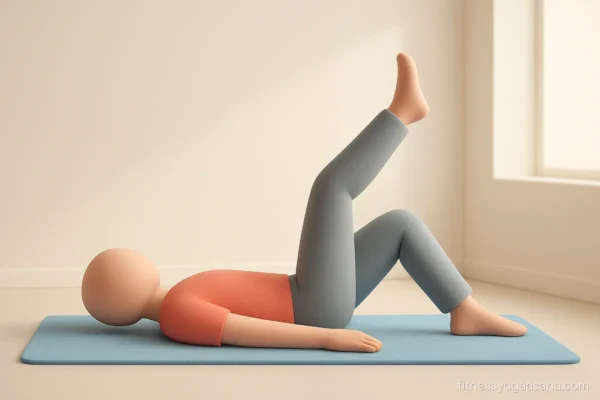 Yoga for knee painKnee friendly strength and mobility, with poses to adapt
 Yoga for back painGentle poses and a daily routine for lower back pain and sciatica
 Setu bandhasana (bridge)Hips lifted from the floor: a gentle back bend and glute builder
More in yoga for health
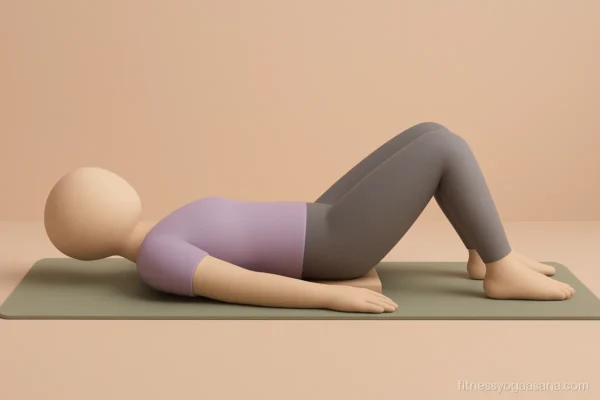 Yoga therapyHow yoga is used for health, with every condition guide listed
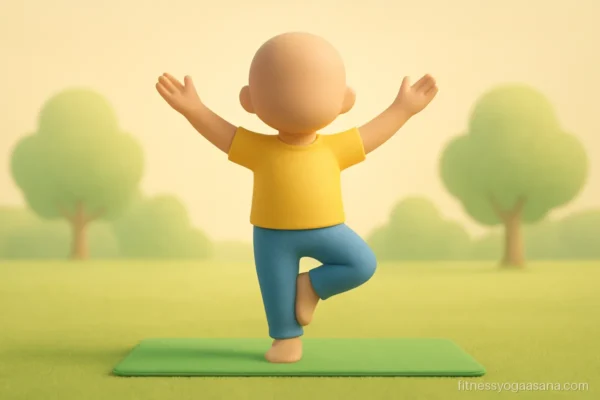 Yoga for kidsEasy, playful poses and breathing games for children
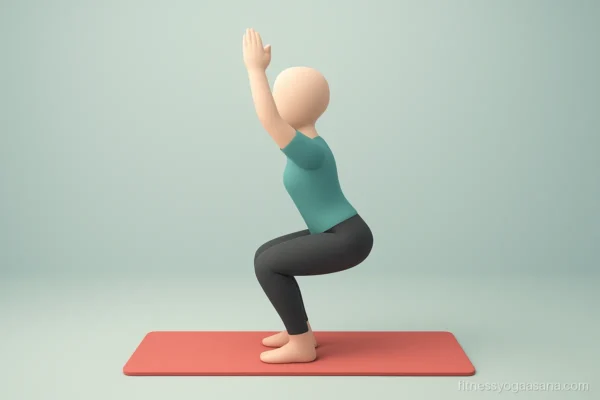 Yoga for weight lossHonest answers, the best poses and a 4 week weight loss plan
 Face yogaFacial exercises for cheeks, jaw and tension, with honest results
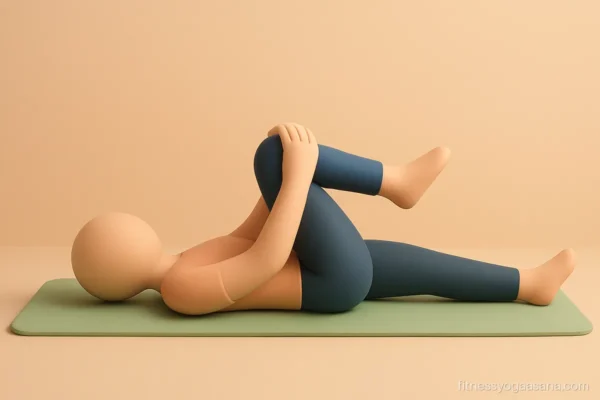 Gas and acidityGentle poses for trapped gas, acidity and a heavy stomach
 Yoga for belly fatCore poses, a daily plan and honest advice on waist fat
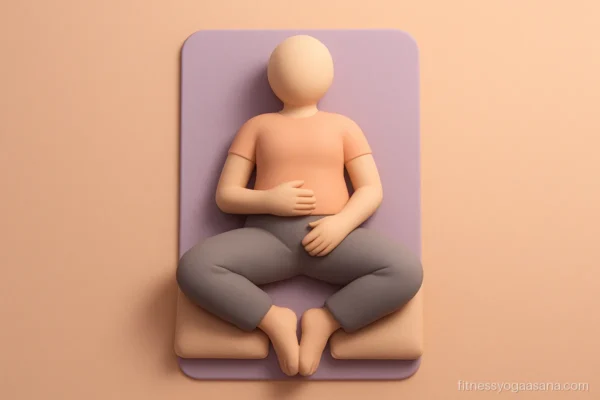 Yoga for periodsGentle poses for cramps, irregular cycles and period days
 Yoga for pregnancySafe prenatal poses by trimester, breathing and postnatal care