Yoga for Back Pain: Gentle Poses and a 15 Minute Routine
Yoga for health 4 illustrations Updated 2 Nov 2026
Yoga for back pain is one of the best researched uses of yoga: trials in adults with long lasting lower back pain show that a gentle weekly programme can reduce pain and improve daily function about as well as other exercise therapy. The key words are gentle and regular. Slow movement, mild stretching and core support help; forcing deep bends does not.
Below are eight back pain yoga poses, a 15 minute routine, options for sciatica, the movements to avoid, and the warning signs that need a doctor before any exercise. Kamar dard ke liye yoga follows exactly the same principles.
- Best for
- Long lasting, non specific lower back pain
- Routine
- 15 minutes daily, or 3 longer sessions a week
- Key poses
- Cat cow, child, bridge, knees to chest, twist
- Avoid early
- Deep forward bends, full wheel, headstand
- Results
- Often noticeable in 4 to 8 weeks
- See a doctor
- Numbness, weakness, fever, after a fall
Yoga for back pain: the 8 best poses
- Cat cow: slow spinal movement, 6 to 8 rounds.
- Child pose: knees wide, arms forward, 1 minute.
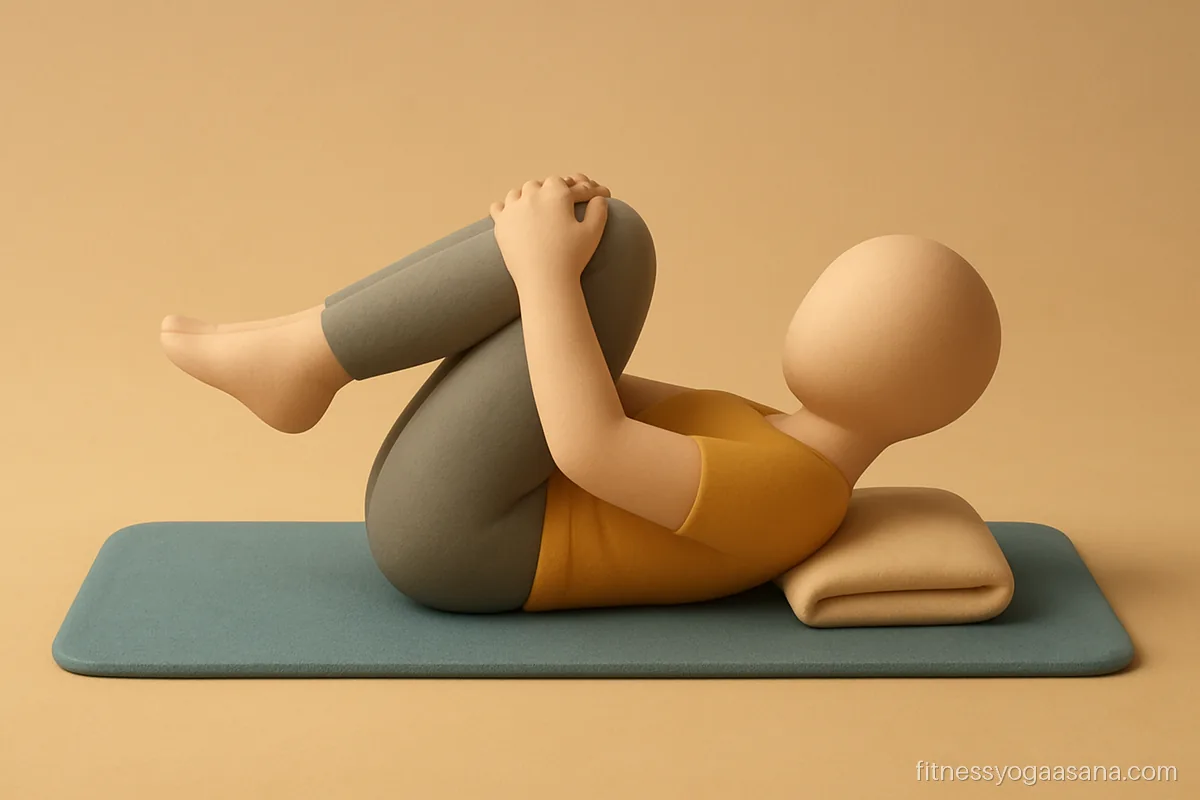
- Knees to chest, the base of pawanmuktasana: 10 breaths.
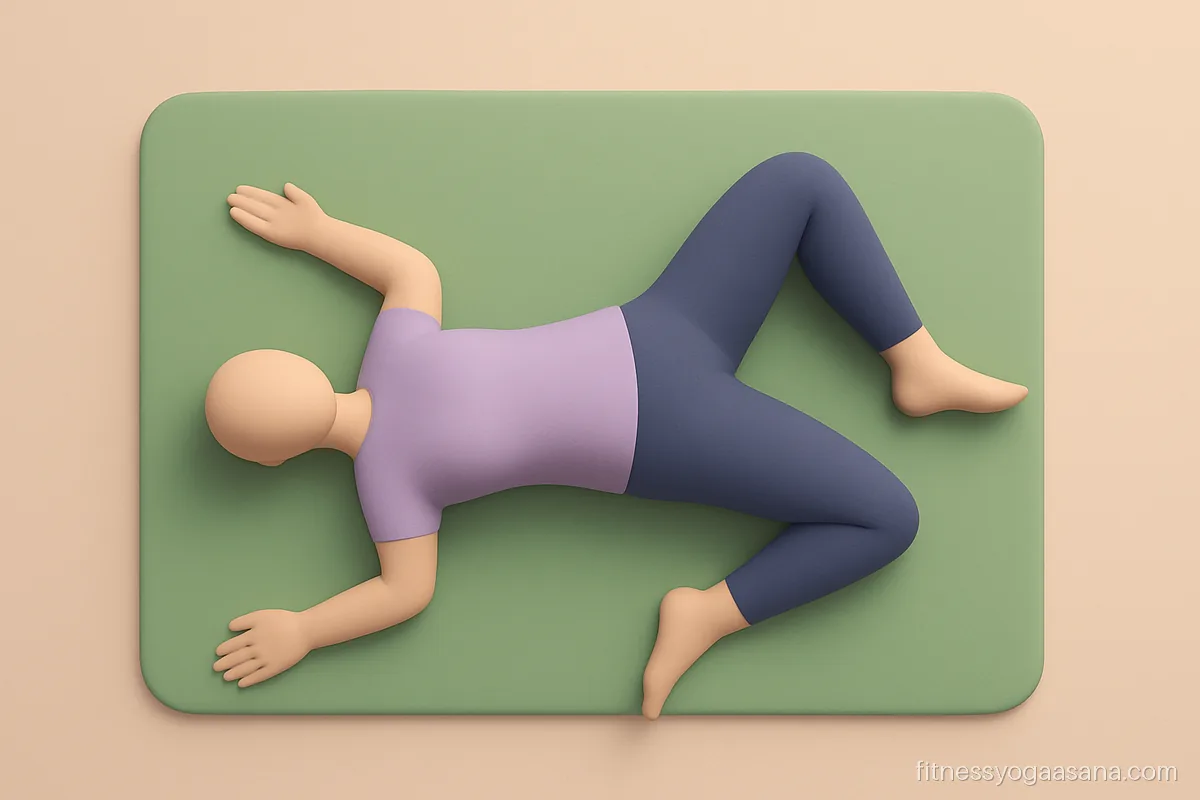
- Lying twist: 5 breaths each side.
- Bridge pose: small lifts, 5 times.
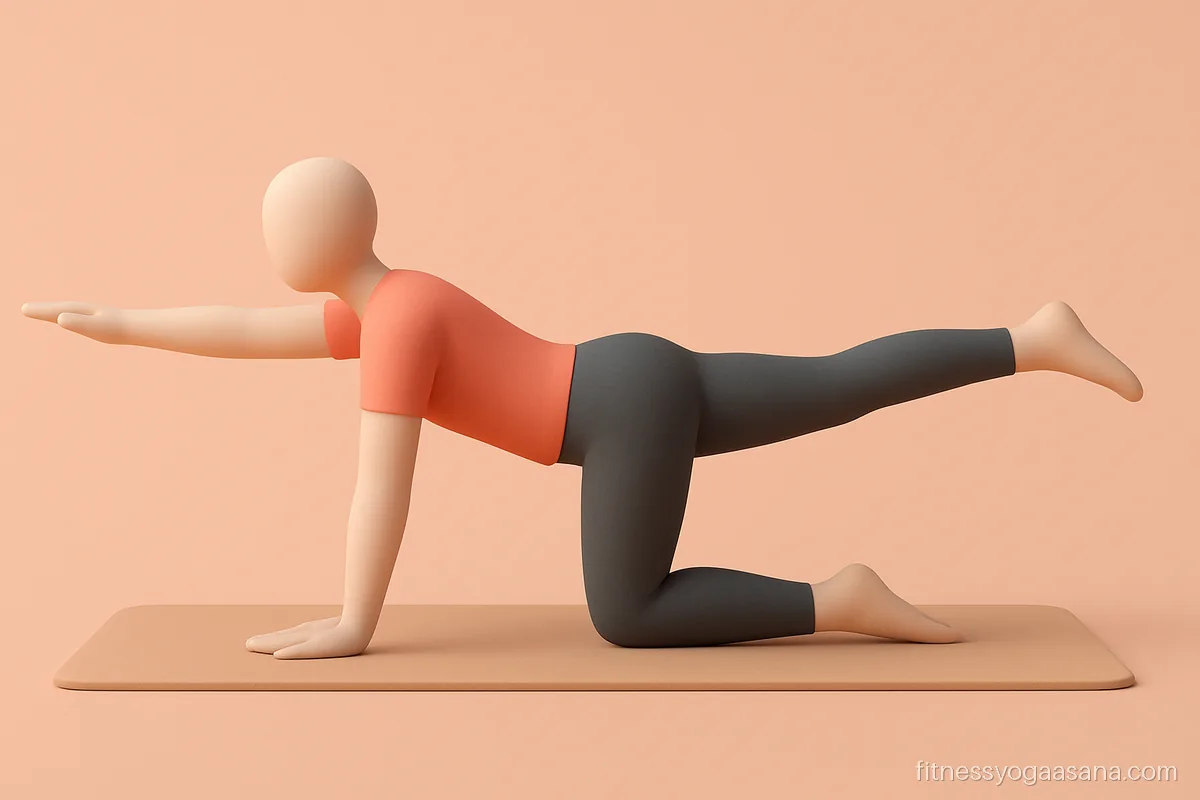
- Bird dog: 5 slow reps each side.
- Sphinx or low cobra: 5 breaths, if extension feels good.
- Makarasana or shavasana with a pillow under the knees: 3 minutes.
These yoga asanas for back pain are all done lying or on all fours, which takes load off the spine.
Yoga for back pain in pictures
- Level
- Beginner
- Hold
- 5 to 10 breaths
- Works on
- Lower back
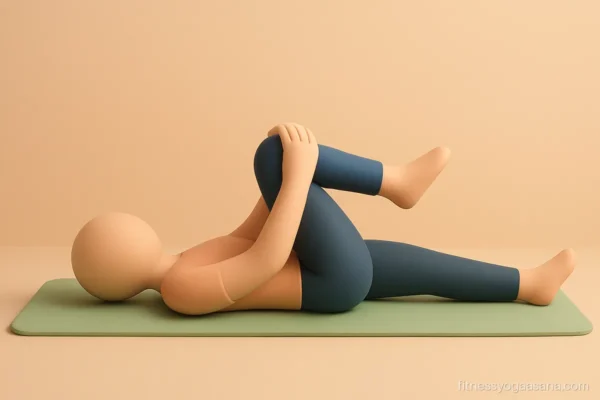
Hugging the knees gently rounds the lower back and releases tight muscles. Rock a little from side to side if it feels good.
Teacher's cue: Hold behind the thighs if hugging the shins strains the knees.
- Level
- Beginner
- Hold
- 5 breaths each side
- Works on
- Spine, hips
A lying twist turns the spine without any weight on it. Keep both shoulders heavy on the mat.
Teacher's cue: Place a cushion under the knees if they do not reach the floor.

- Level
- Beginner
- Hold
- 5 to 8 breaths
- Works on
- Lower back
Many people with back pain feel better with a little extension. Sphinx gives it gently; stop if pain travels down a leg.
Teacher's cue: Rest the weight on the forearms and keep the buttocks soft.
- Level
- Beginner
- Hold
- 3 breaths, 5 each side
- Works on
- Core, back muscles
Bird dog trains the deep muscles that steady the spine. Move slowly and keep the back level.
Teacher's cue: Imagine a cup of tea on your lower back that must not spill.
A 15 minute back pain relief yoga routine
Do this once a day, ideally in the evening when muscles are warmer. Move slowly and breathe through the nose. Start with cat cow stretch yoga for back pain, three minutes of gentle rocking between the two shapes. Rest in child pose for one minute. Lie on your back for knees to chest, then the lying twist each side. Add five small bridges and five bird dogs each side. Turn onto the belly for sphinx if it helps, then finish lying on your back with knees supported for three minutes of slow breathing. Keep a simple log: pain from 0 to 10 before and after.
Yoga for lower back pain vs upper back pain
Lower back pain usually responds to the floor routine above, plus hip stretches like a gentle pigeon pose once the pain settles. Upper back and neck stiffness responds better to shoulder rolls, chest openers and thread the needle. See yoga for neck pain for that routine.
Yoga for sciatica pain
Sciatica yoga needs extra care, because the pain comes from an irritated nerve. Gentle movement often helps, but stretching hard into pain can make it worse. Choose knees to chest, a mild lying twist, cat cow and sphinx, and stop if pain or tingling spreads further down the leg. Avoid deep forward bends and long seated folds while the leg is sore. A physiotherapist can show you nerve gliding exercises that suit your case.
Back pain yoga poses to avoid at first
| Pose | Why to wait |
|---|---|
| Standing and seated deep forward bends | Load the lower back discs when rounded |
| Full wheel and camel | Strong extension can pinch |
| Plough and shoulder stand | Heavy flexion of the neck and back |
| Boat pose with straight legs | Strain on hip flexors and lower back |
| Fast twists | Jerky rotation under load |
When to see a doctor before trying yoga
Get medical help first if back pain follows a fall or accident, comes with fever or weight loss, wakes you every night, or causes numbness, weakness in a leg, or problems controlling the bladder or bowels. Those are signs that need examination. For ordinary aching that has lasted weeks, ask your doctor whether gentle exercise is suitable, then begin with the easiest poses. A mudra for back pain is sometimes suggested online; it may help you relax, but movement and medical advice matter far more.
This page is general information, not medical advice. If you have a diagnosed condition, are pregnant, recently had surgery or take regular medicine, ask your doctor which practices suit you, and stop at any sharp pain, dizziness or chest discomfort.
Questions people ask
Which yoga is best for back pain?
Gentle hatha style yoga with floor based poses such as cat cow, child pose, knees to chest, bridge and lying twists works best for most people.
Will yoga stop my lower back pain from coming back?
Yoga can reduce pain and help prevent flare ups, but back health also depends on activity, posture, sleep and stress. Keep practising even after the pain settles.
How long should I do yoga for back pain?
15 to 20 minutes daily, or three 45 minute sessions a week. Studies usually see benefit after six to twelve weeks.
Is surya namaskar good for back pain?
Only when the pain is mild and settled, and with knees bent in the folds. During a flare, stick to floor poses.
Should yoga for back pain hurt?
Mild stretching discomfort is fine. Sharp, shooting or increasing pain means stop and choose an easier pose.
Practise next
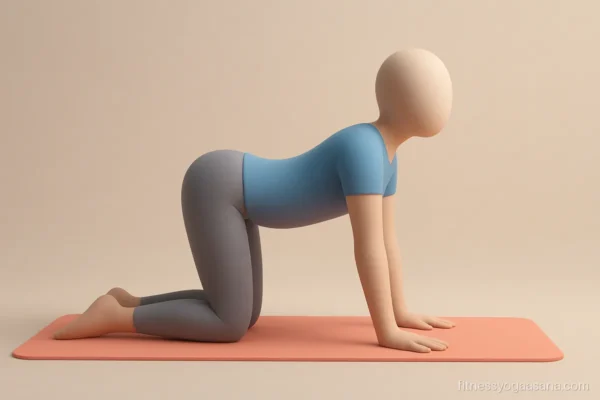 Cat cow poseA flowing spine warm up on hands and knees, linked to the breath
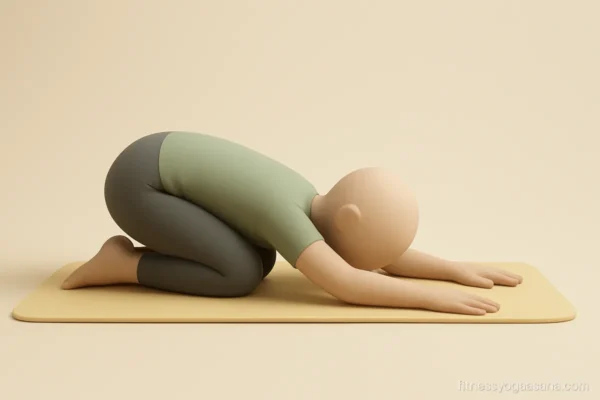 Balasana (child)Child pose: a kneeling forward rest for the back and mind
 Setu bandhasana (bridge)Hips lifted from the floor: a gentle back bend and glute builder
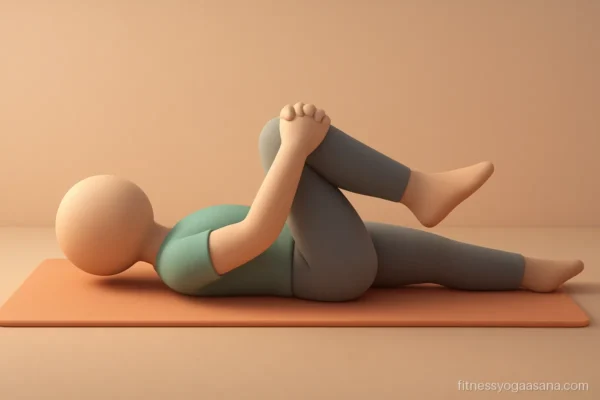 Pawanmuktasana (wind relieving)Knees hugged to the chest to ease gas and the lower back
 Yoga for neck painGentle neck and shoulder routine, with poses to avoid
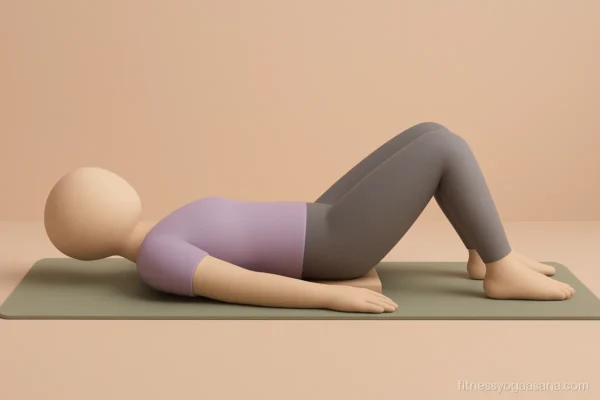 Yoga therapyHow yoga is used for health, with every condition guide listed
More in yoga for health
 Yoga for kidsEasy, playful poses and breathing games for children
 Yoga for weight lossHonest answers, the best poses and a 4 week weight loss plan
 Face yogaFacial exercises for cheeks, jaw and tension, with honest results
 Gas and acidityGentle poses for trapped gas, acidity and a heavy stomach
 Yoga for belly fatCore poses, a daily plan and honest advice on waist fat
 Yoga for periodsGentle poses for cramps, irregular cycles and period days
 Yoga for pregnancySafe prenatal poses by trimester, breathing and postnatal care
 Yoga for pcosPoses, breathing and a weekly plan to support PCOS care