Balasana: How to Do Child Pose and Why It Helps
Yoga poses 4 illustrations Updated 2 Nov 2026
Balasana, or child pose, is a resting position in which you kneel, sit back toward the heels and fold forward with the forehead on the floor. Bala means child, and the shape resembles a small child curled up asleep. It is the pose you return to whenever you need a break during practice.
This page covers how to do balasana, the wide and narrow knee versions, props that make it comfortable, its close relative shashankasana or rabbit pose, the benefits and who should adapt it.
- Sanskrit
- Balasana (bala: child)
- English
- Child pose, child's pose
- Level
- All levels
- Hold
- 30 seconds to 3 minutes
- Pose type
- Kneeling forward bend, resting
- Adapt if
- Knee pain, late pregnancy, high BP in folds
How to do balasana step by step
- Kneel on the mat with the big toes touching.
- Choose your knees: together for a deeper back stretch, or wide for more space.
- Exhale and sit the hips back toward the heels.
- Fold forward and rest the forehead on the mat or a cushion.
- Stretch the arms forward, or rest them back beside the feet, palms up.
- Breathe slowly into the back of the ribs.
- To come up, walk the hands back and rise slowly to kneeling.
Balasana (child) in pictures
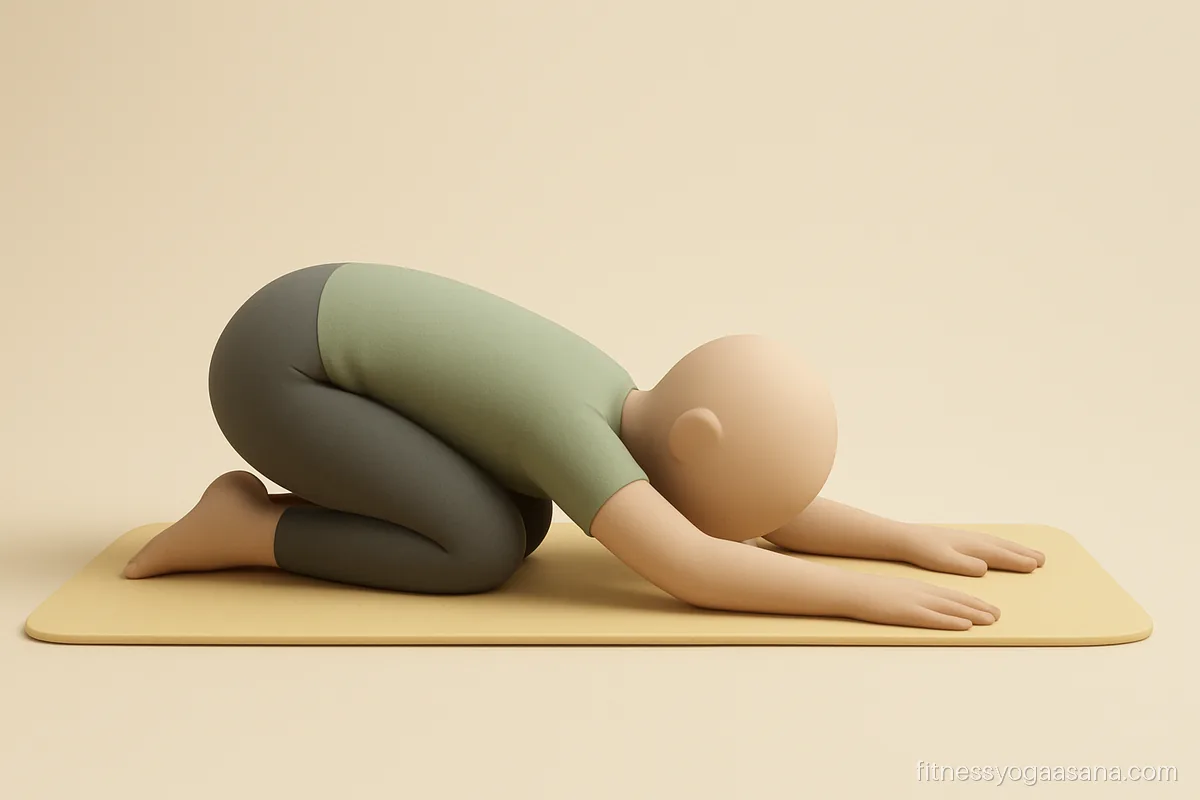
- Level
- All levels
- Hold
- 1 to 3 minutes
- Works on
- Back, shoulders, hips
Wide knee child pose leaves room for the belly and gives the upper back and shoulders a stretch.
Teacher's cue: Walk the fingertips forward, then let the hips sink back.

- Level
- All levels
- Hold
- 1 to 3 minutes
- Works on
- Lower back
In the classic form the knees stay together and the arms rest back beside the feet, palms up. It feels more enclosed and restful.
Teacher's cue: Let the shoulders roll forward and melt toward the floor.

- Level
- All levels
- Hold
- 2 to 5 minutes
- Works on
- Rest
If the forehead does not reach or the knees complain, add props: a firm pillow for the forehead and a blanket roll tucked behind the knees.
Teacher's cue: Add props until you can stay without any effort at all.

- Level
- Beginner
- Hold
- 5 to 10 breaths
- Works on
- Back, calm
Shashankasana, the hare pose, is a close relative taught in many Indian classes: from kneeling, fold forward with arms extended and forehead down.
Teacher's cue: Keep the hips touching the heels as you fold.
Balasana yoga pose names and variations
Child pose yoga, child's pose, balasana yoga pose and child yoga pose are all the same shape. You may see it labelled balasana child pose yoga or child's pose balasana yoga in class plans. Its cousin, shashank asana, is called rabbit pose yoga or hare pose in Indian syllabuses; the arms stay extended and the hips stay down. A more advanced rabbit pose rolls onto the crown of the head, which is a different practice and needs a teacher.
Child pose yoga for beginners
Child pose yoga beginner tips are mostly about props. If the hips float high above the heels, slide a rolled blanket in between. If the forehead hangs in the air, place a cushion or block under it. If the ankles hurt, roll a towel under them. The aim is a pose you can stay in for minutes without effort, so use as many props as you need.
Child pose yoga benefits
- Gently lengthens the lower back and the muscles along the spine.
- Stretches the hips, thighs and ankles.
- With arms forward, stretches the shoulders and side body.
- Calms the breath and many people find it soothing for stress.
- Gives a rest between demanding poses like cobra or downward dog.
As a child pose stretch yoga option, the wide knee version also opens the inner thighs.
Who should adapt child pose
People with knee injuries can do the pose lying on the back with knees hugged in, or with a thick blanket behind the knees. In pregnancy, use wide knees and a bolster under the chest. If folding forward makes you feel pressure in the head, keep the head higher on a stack of cushions. Those with diarrhoea or a recent knee operation should skip it.
Using balasana in your practice
Rest here after back bends, between rounds of surya namaskar, and whenever the breath turns quick. It pairs naturally with cat cow at the start of a session and is part of most routines on the back pain page.
Practise on an empty stomach, move slowly into each position and stop at any sharp pain. If you have an injury, a health condition or are pregnant, check with a doctor or an experienced teacher first.
Questions people ask
What is balasana called in English?
It is called child pose or child's pose. Bala means child in Sanskrit.
How long should I hold child pose?
Anywhere from 30 seconds to 3 minutes. As a resting pose, you can stay longer if it feels good.
Is child pose good for back pain?
Many people with lower back aches find it relieving. If it increases pain, try knees to chest lying on the back instead.
What is the difference between balasana and shashankasana?
They are very similar. Shashankasana, hare pose, keeps the arms extended forward. Balasana can be done with arms back or forward and knees together or wide.
Why can't my hips reach my heels in child pose?
Tight thighs, knees or ankles. Put a rolled blanket between the hips and heels so you can relax fully.
Practise next
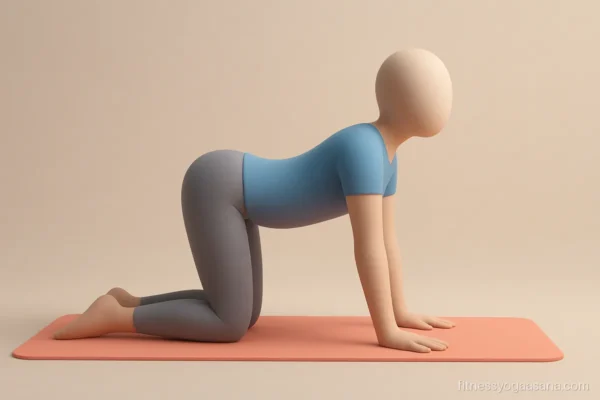 Cat cow poseA flowing spine warm up on hands and knees, linked to the breath
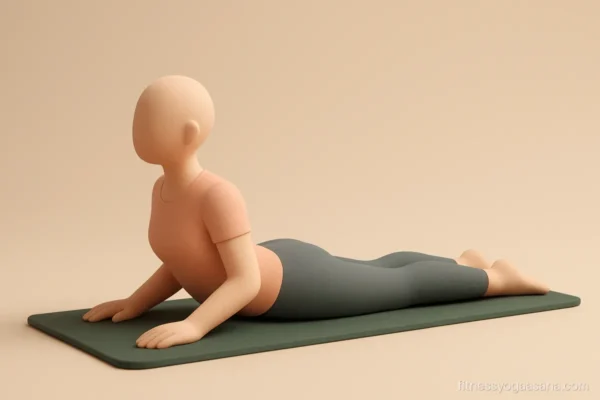 Bhujangasana (cobra)Cobra pose: a gentle back bend lying on the belly
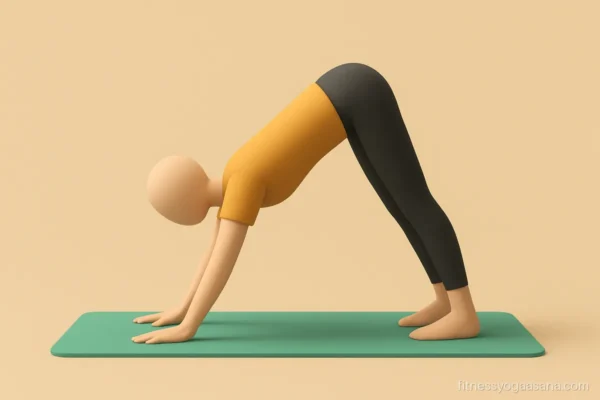 Downward dogThe inverted V: hips high, heels reaching, spine long
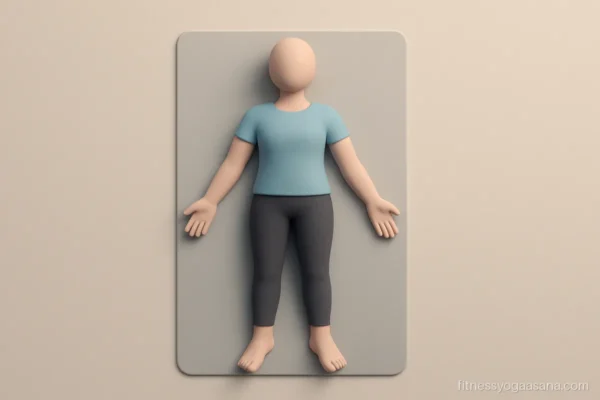 Shavasana (corpse)Corpse pose: complete stillness at the end of practice
 Yoga for back painGentle poses and a daily routine for lower back pain and sciatica
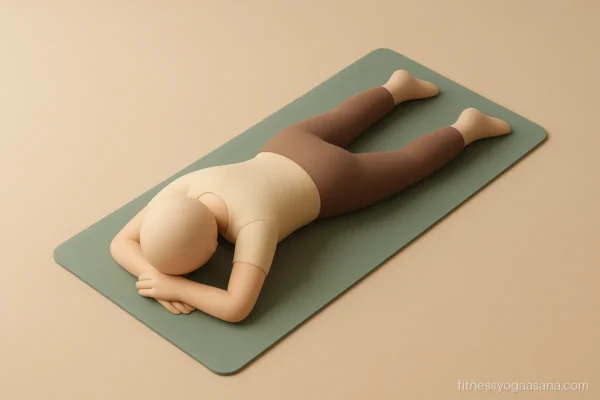 Makarasana (crocodile)Lying face down with the head on folded arms: rest that teaches breathing
More in yoga poses
 Yoga asanas namesSanskrit and English names of common yoga poses, with pictures
 Standing yoga posesThe main standing asanas with names, pictures and a sequence
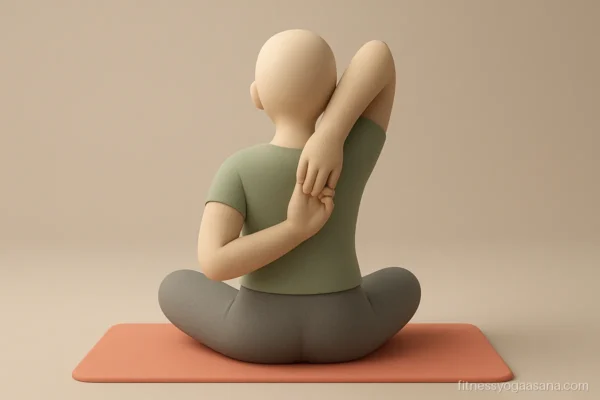 Sitting yoga posesSeated asanas for breathing, flexibility and calm, with names
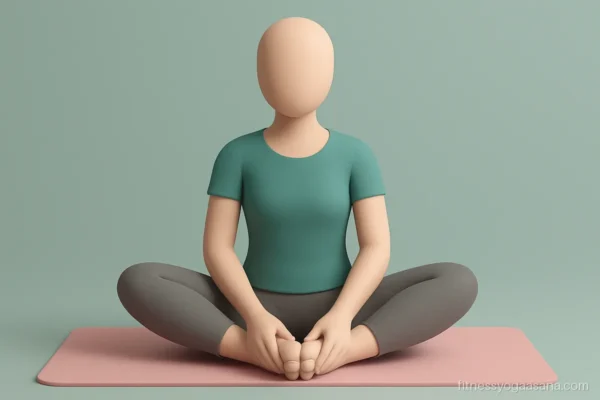 Butterfly poseSoles together, knees wide: a seated hip opener
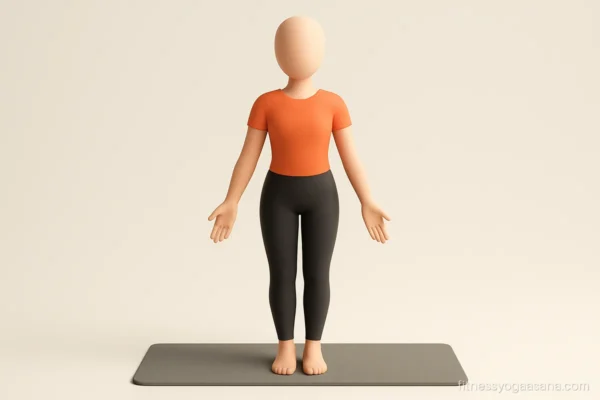 Tadasana (mountain)Mountain pose: the standing base for every other asana
 Vrikshasana (tree)Tree pose: a one leg balance for focus and steadiness
 Advanced yoga posesArm balances, inversions and deep bends, with prep poses
 Yoga for flexibilityTen stretching poses and a routine to loosen a stiff body