Types of Yoga: Paths, Styles and Kinds of Asanas
Styles of yoga 6 illustrations Updated 2 Nov 2026
Types of yoga can mean three different things, and much confusion comes from mixing them up. There are the classic paths of yoga, such as karma, bhakti, jnana and raja yoga. There are modern styles of physical practice, such as hatha, vinyasa and yin. And there are types of yoga asanas, the families of poses such as standing, sitting and back bends.
This page explains all three in turn, helps you pick a style that suits you, and links to a full guide on each one.
- Classic paths
- Karma, bhakti, jnana, raja
- Physical styles
- Hatha, ashtanga, vinyasa, yin, power, hot and more
- Asana families
- Standing, sitting, prone, supine, inversions, balances
- Gentlest
- Yin, restorative and chair yoga
- Most vigorous
- Ashtanga, power and hot yoga
- Best first choice
- A slow hatha class
The four classic types of yoga
Traditional teaching, especially from the Bhagavad Gita and later teachers, speaks of four main paths. Yoga ke prakar in this sense are different approaches to the same goal of a clear, steady mind.
| Path | Focus | Suits |
|---|---|---|
| Karma yoga | Selfless action and duty | Active, practical people |
| Bhakti yoga | Devotion and love | Emotional, heart-led people |
| Jnana yoga | Knowledge and self enquiry | Reflective, questioning minds |
| Raja yoga | Meditation and mind control | Those drawn to inner discipline |
Some lists add hatha yoga, kundalini yoga and mantra yoga to make six or seven types. That is why you may see answers like 7 types of yoga in textbooks.
Types of yoga in pictures
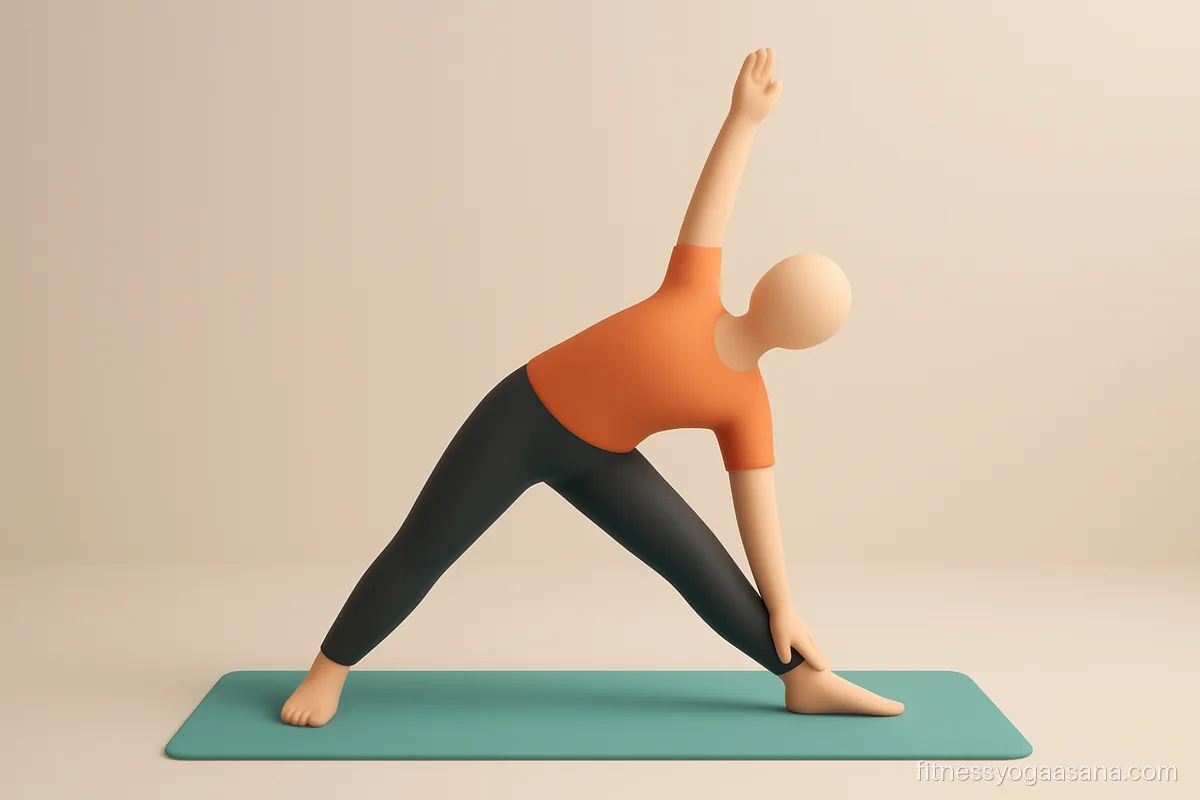
- Level
- Beginner
- Hold
- 5 breaths
- Works on
- Alignment
Hatha yoga holds each pose for several breaths. It is the root of most physical styles and the easiest place to start.
Teacher's cue: Stay still and let each breath deepen the shape a little.
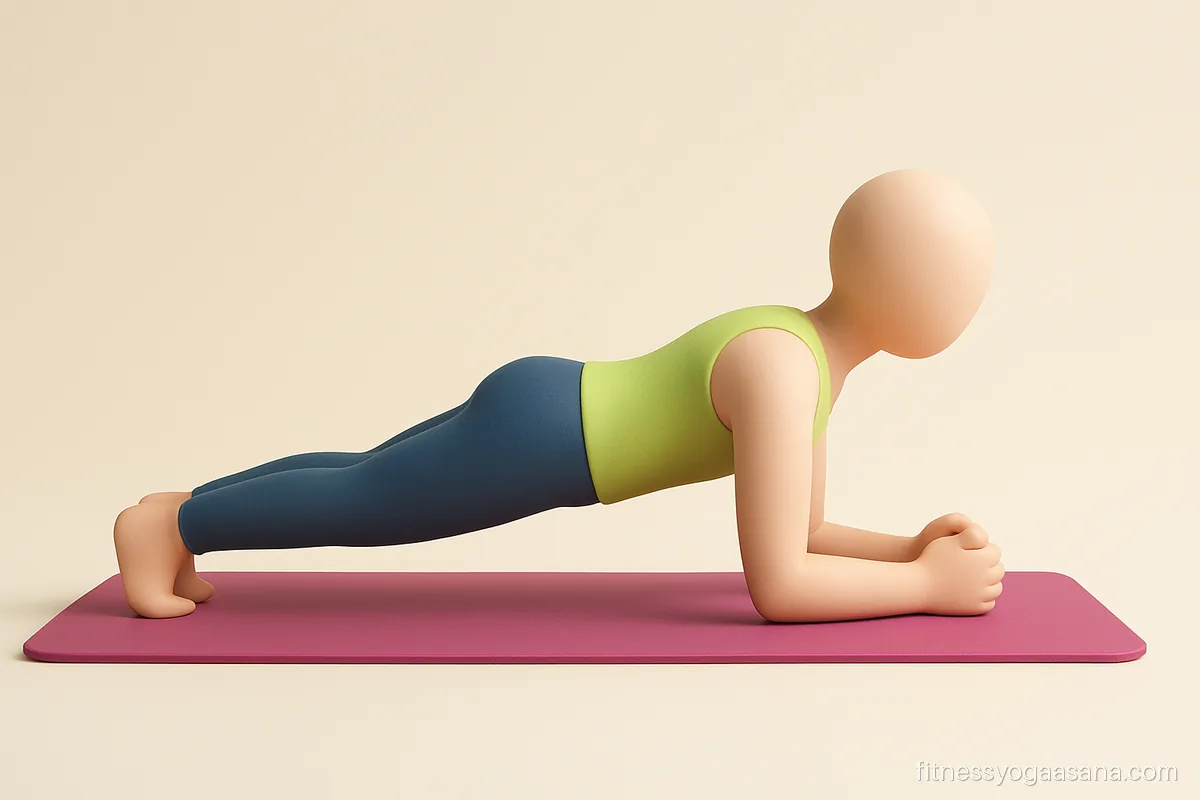
- Level
- Intermediate
- Hold
- One breath per move
- Works on
- Stamina, coordination
Vinyasa links poses in a continuous flow, one movement per breath. Classes feel more like a moving dance.
Teacher's cue: Let the breath set the speed; never move faster than you can breathe.
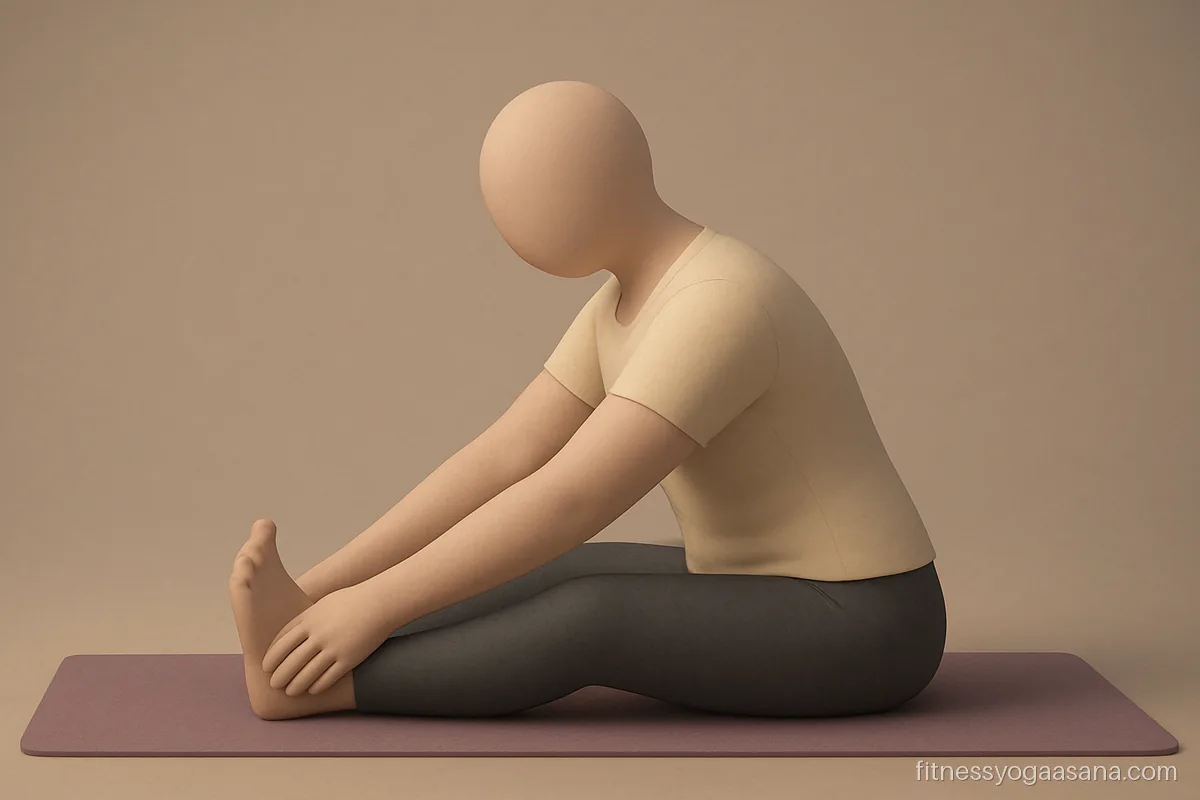
- Level
- All levels
- Hold
- 3 to 5 minutes
- Works on
- Hips, calm
Yin yoga holds relaxed floor poses for three to five minutes, gently loading the joints and connective tissue.
Teacher's cue: Find a mild sensation, then stay still and breathe instead of pushing.
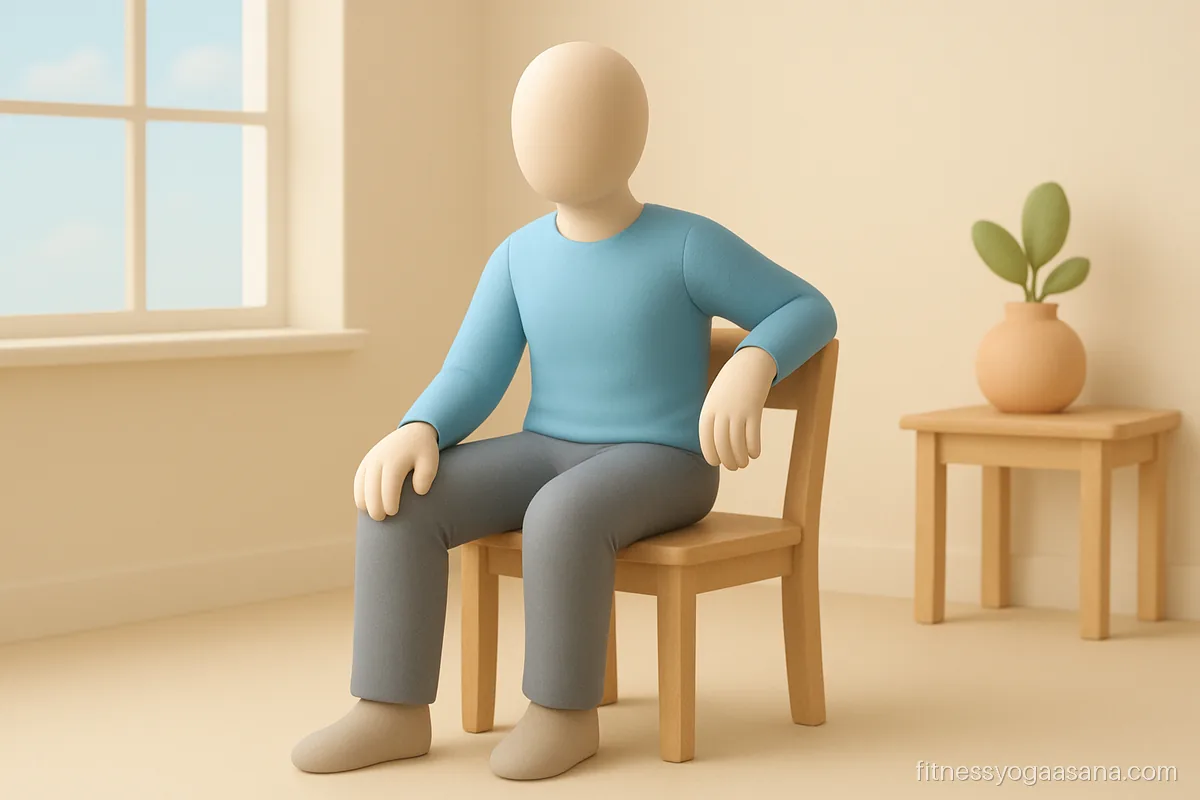
- Level
- All levels
- Hold
- 3 to 5 breaths
- Works on
- Spine, mobility
Chair yoga brings the practice to anyone who cannot get down to the floor easily, including office workers and older adults.
Teacher's cue: Sit tall first, then turn from the ribs, not the neck.
- Level
- All levels
- Hold
- Daily life
- Works on
- Attitude
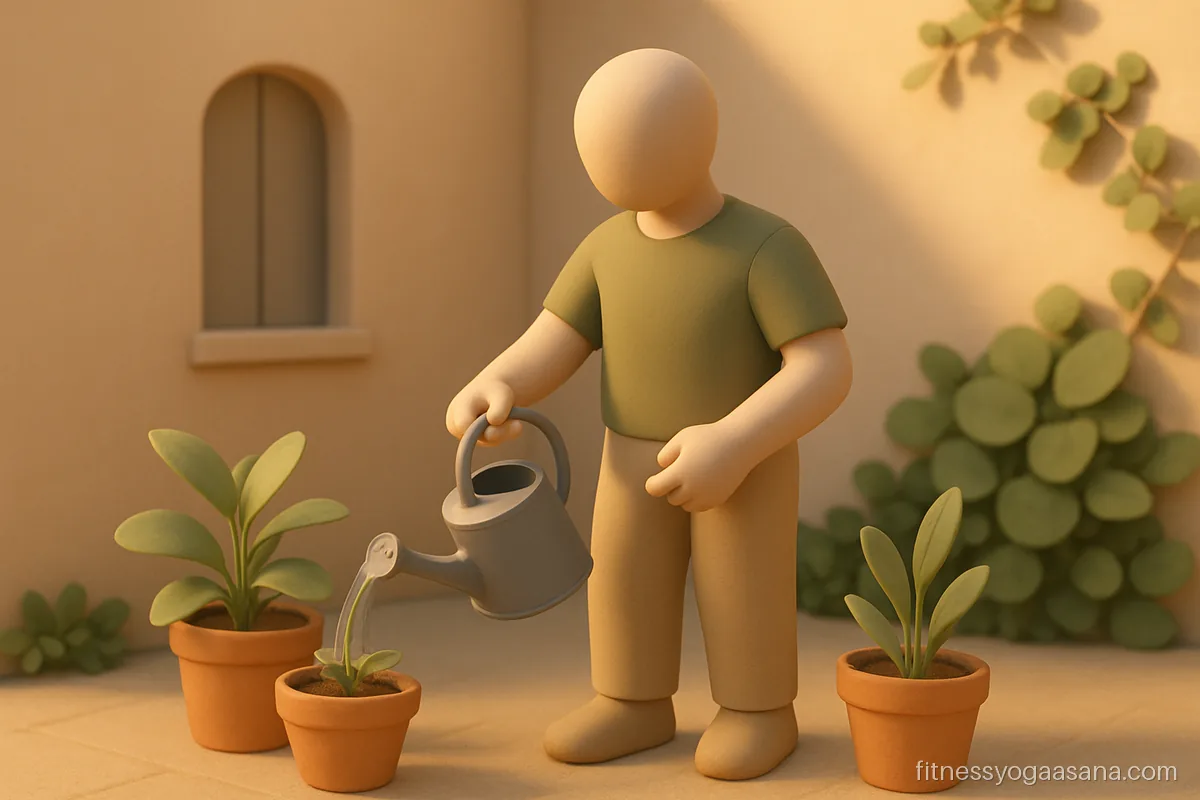
Karma yoga is the path of action: doing your work and serving others carefully, without clinging to rewards.
Teacher's cue: Give full attention to the task in your hands, then let the result go.

- Level
- All levels
- Hold
- 10 to 20 minutes
- Works on
- Mind
Raja yoga is the path of meditation laid out in Patanjali's eight limbs, from ethics to deep concentration.
Teacher's cue: Rest attention on the breath, and gently return each time it wanders.
Modern styles of physical yoga
- Hatha yoga: steady holds and breathing, the classic starting point.
- Ashtanga yoga: a fixed, demanding series of poses linked by breath.
- Vinyasa yoga: creative flowing sequences.
- Power yoga: a fitness focused, fast flow.
- Hot yoga: practice in a heated room.
- Yin yoga: long, passive floor holds.
- Kriya yoga: breath and meditation techniques for inner practice.
- Aerial yoga: poses supported by a fabric hammock.
- Chair yoga: seated and supported practice.
- Partner yoga: poses done in pairs.
Types of yoga asanas
Teachers group poses by the body's position. This is the meaning behind questions like types of asanas in yoga or different types of yoga asanas.
| Type | Examples |
|---|---|
| Standing | Tadasana, trikonasana, warrior |
| Sitting | Sukhasana, vajrasana, paschimottanasana |
| Prone (on the belly) | Bhujangasana, dhanurasana, makarasana |
| Supine (on the back) | Setu bandhasana, pawanmuktasana, shavasana |
| Inversions | Sarvangasana, shirshasana |
| Balances | Vrikshasana, bakasana |
See every pose name on yoga asanas names.
Types of yoga with names and a one line summary
- Hatha: classic poses held with steady breath.
- Ashtanga: the same set series every time, practised with a flowing breath count.
- Vinyasa: poses strung together in a moving, breath-led sequence that changes from class to class.
- Power: a strong, athletic version of vinyasa.
- Hot: any of the above in a room heated to well above normal temperature.
- Yin: quiet floor shapes held for minutes.
- Restorative: fully supported poses with bolsters and blankets for deep rest.
- Kundalini: breath, movement, sound and meditation in set routines called kriyas.
- Kriya: breath and meditation techniques passed from teacher to student.
- Aerial: poses supported by a hanging fabric sling.
- Chair: the same principles adapted for a seat.
- Partner: two people supporting and balancing each other.
Each name links to its own page above, where you can see sample poses and who the style suits.
Different yoga poses for different goals
- Strength: plank, chair pose, warrior and boat pose.
- Flexibility: forward bends, pigeon and butterfly. See yoga for flexibility.
- Calm: child pose, legs up the wall, shavasana and slow breathing.
- Balance: tree pose and warrior three.
How to choose the right type of yoga
- New, stiff or older: start with a slow hatha or chair class.
- Want a workout: try vinyasa or power yoga after a month of basics.
- Stressed or sleeping badly: add yin yoga, yoga nidra and breathing.
- Interested in the inner side: explore raja, kriya or yoga meditation.
- Health condition or pregnancy: choose a gentle style and talk to your doctor first.
How many types of yoga are there?
There is no single answer. Four classic paths are widely agreed. School books often list six or seven types. Modern studios offer dozens of named styles, many of them variations of hatha yoga with a different pace, temperature or focus. What matters most is choosing a type you enjoy enough to practise regularly.
Every styles of yoga guide on this site
| Guide | What it covers |
|---|---|
| Hatha yoga | The classic body and breath branch of yoga, explained simply |
| Ashtanga yoga | Two meanings: Patanjali's path and the vigorous vinyasa series |
| Couple yoga poses | Partner and group poses for couples, friends and challenges |
| Kriya yoga | Patanjali's yoga of action and the later breath meditation path |
| Kundalini yoga | Breath, movement, sound and meditation aimed at inner energy |
| Hot yoga | Yoga in a heated room: how it works, benefits and risks |
| Aerial yoga | Poses supported by a fabric hammock hung from the ceiling |
| Yin yoga | Long, passive floor holds, and how restorative yoga differs |
| Vinyasa yoga | Breath linked flowing sequences, with a home flow |
| Karma yoga | The yoga of action done well, without clinging to rewards |
| Power yoga | A fitness focused flowing style, with a home workout |
| Raja yoga | The classical path of concentration and meditation |
| Bhakti yoga | The yoga of love, devotion and surrender |
| Chair yoga | Seated stretches for the office, home and older bodies |
| Jnana yoga | The path of inquiry, reflection and wisdom |
Practise on an empty stomach, move slowly into each position and stop at any sharp pain. If you have an injury, a health condition or are pregnant, check with a doctor or an experienced teacher first.
Questions people ask
What are the main types of yoga?
The four classic paths are karma, bhakti, jnana and raja yoga. The main physical styles are hatha, ashtanga, vinyasa, yin, power and hot yoga.
Which type of yoga is best for beginners?
A gentle hatha class is the best start, because poses are held slowly and explained clearly. Chair yoga suits people who find the floor difficult.
What are the 7 types of yoga in school books?
Lists vary, but many include hatha, raja, karma, bhakti, jnana, kundalini and mantra yoga.
Which type of yoga is best for weight loss?
Faster styles such as vinyasa, power yoga and brisk surya namaskar burn more energy. Pair them with diet and walking, and see yoga for weight loss.
Is hatha yoga the same as yoga?
Hatha yoga is one branch focused on body and breath. Almost all poses taught today come from it, so people often use the words interchangeably.
Which type of yoga is best for stress?
Slow styles help most: yin, restorative and gentle hatha, plus breathing and yoga nidra. Many people also find a short daily meditation useful.
Practise next
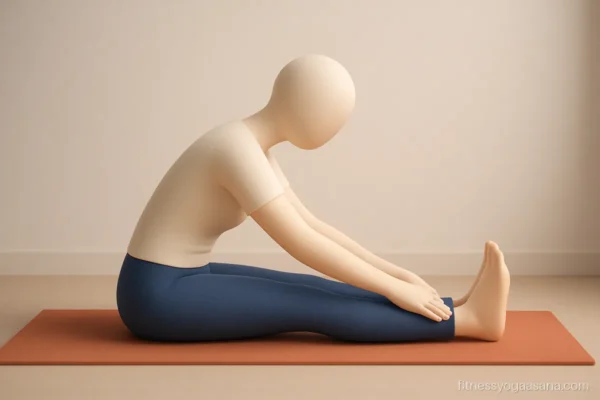 Hatha yogaThe classic body and breath branch of yoga, explained simply
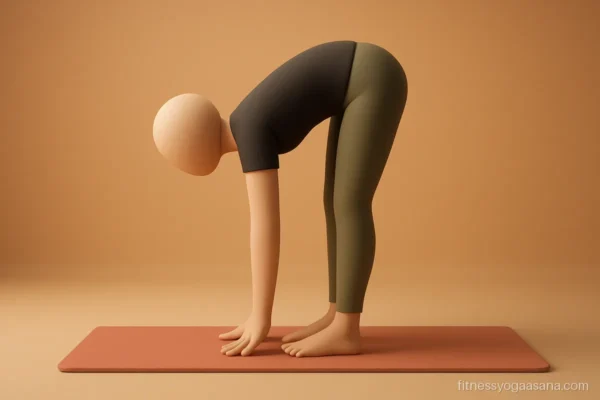 Ashtanga yogaTwo meanings: Patanjali's path and the vigorous vinyasa series
 Vinyasa yogaBreath linked flowing sequences, with a home flow
 Yin yogaLong, passive floor holds, and how restorative yoga differs
 Karma yogaThe yoga of action done well, without clinging to rewards
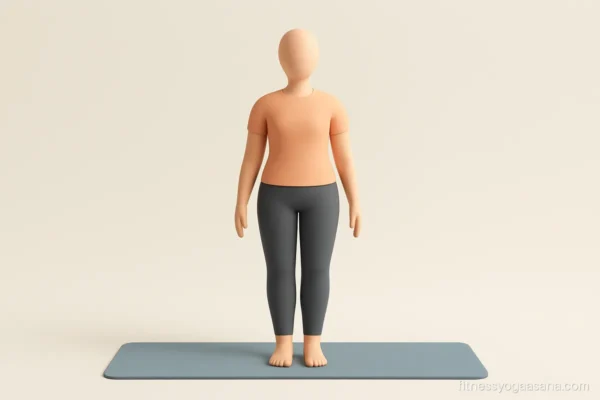 Yoga asanas namesSanskrit and English names of common yoga poses, with pictures