Yin Yoga: Long Holds for Deep Calm
Styles of yoga 3 illustrations Updated 2 Nov 2026
Yin yoga keeps you still in soft floor shapes for three to five minutes or more, muscles loose, so a light but lasting load reaches the tissue that wraps the joints. It feels quiet and meditative, a complete contrast to fast, muscular styles, which yoga teachers call yang.
This guide explains what yin yoga is, eight classic yin yoga poses with suggested times, how restorative yoga is different, a 30 minute sequence, and who should be careful.
- Holds
- 3 to 5 minutes, sometimes longer
- Muscles
- Relaxed, not working
- Targets
- Hips, spine, connective tissue
- Props
- Bolsters, blocks, blankets
- Restorative yoga
- Fully supported, even gentler
- Good for
- Stiffness, stress, balancing busy days
What is yin yoga?
Yin yoga grew out of a blend of hatha yoga and ideas from Chinese medicine and martial arts in the late twentieth century. Its three principles are simple: come into the pose to a mild edge of sensation, become still, and stay for time. Muscles stay relaxed so that the stretch is felt deeper, around joints and fascia. Many teachers also use the long holds for mindfulness, noticing sensation and breath without fidgeting.
Yin yoga in pictures

- Level
- Beginner
- Hold
- 3 minutes each side
- Works on
- Hip flexors
Dragon, the yin version of a low lunge, lets the hips sink and stays for minutes rather than breaths.
Teacher's cue: Find a mild edge, then let gravity do the work.
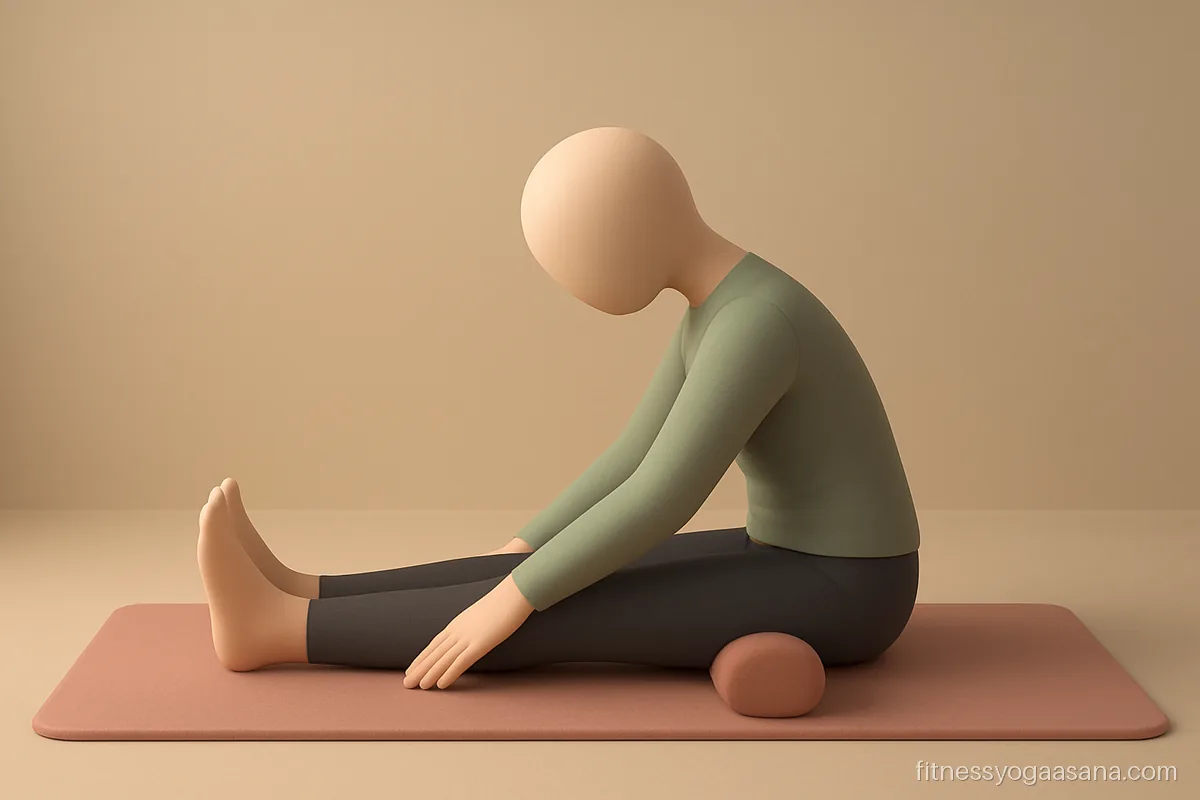
- Level
- All levels
- Hold
- 3 to 5 minutes
- Works on
- Back, hamstrings
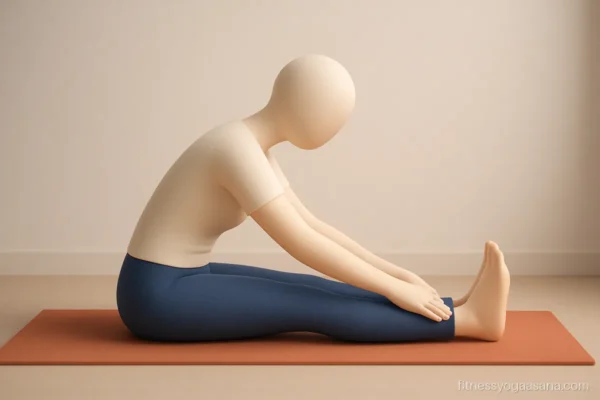
Caterpillar is a relaxed seated fold. The back rounds and the head hangs; no reaching for the toes.
Teacher's cue: Let the spine round like a hanging rope.
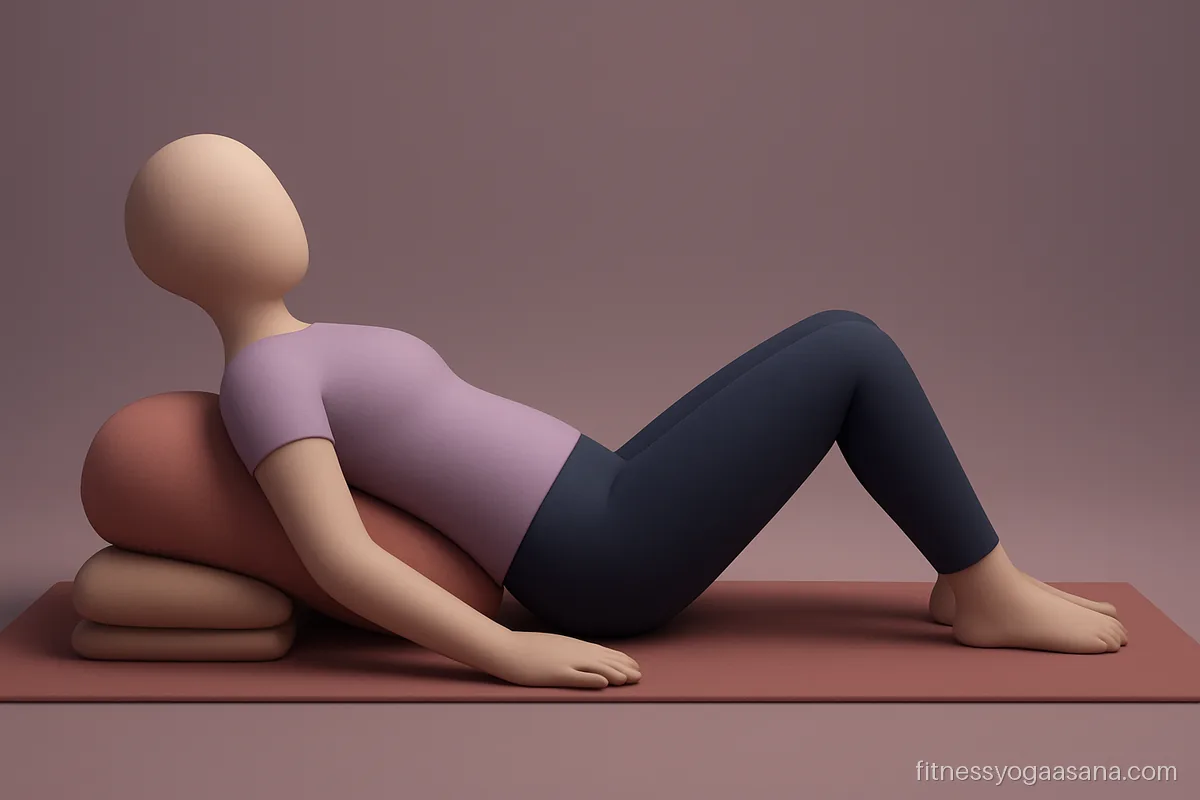
- Level
- All levels
- Hold
- 5 to 10 minutes
- Works on
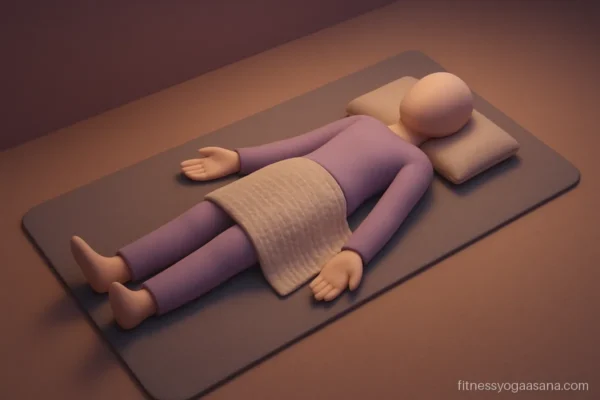
- Deep rest
Restorative yoga supports the body completely. Lying back over a bolster with knees wide is a classic.
Teacher's cue: Adjust the props until nothing needs effort.
8 yin yoga poses and times
| Yin pose | Similar to | Time |
|---|---|---|
| Butterfly | Baddha konasana, rounded | 3 to 5 min |
| Caterpillar | Paschimottanasana, relaxed | 3 to 5 min |
| Dragon | Low lunge | 3 min each side |
| Sleeping swan | Pigeon, folded | 3 min each side |
| Sphinx and seal | Cobra variants | 3 to 5 min |
| Child's pose | Balasana | 3 min |
| Reclined twist | Lying twist | 3 min each side |
| Legs up the wall | Viparita karani | 5 min |
Restorative yoga: how it differs
Restorative yoga also holds poses for a long time, but its aim is complete rest. Props support the body fully, so there is little or no stretch at all. Restorative yoga poses include supported reclining butterfly over a bolster, supported child's pose, legs up the wall and side lying over a bolster. It suits recovery from illness, very stressful periods, pregnancy (with adaptations) and anyone who needs deep relaxation.
Yin yoga poses for beginners at home
Start with three poses only: butterfly, sphinx and a reclined twist, three minutes each. Set a gentle timer so you do not watch the clock, and place cushions wherever the body does not touch the floor. When the time ends, release slowly, because joints can feel stiff after a long hold. Over a few weeks add caterpillar and dragon. Practising two or three evenings a week is enough to notice easier movement and calmer evenings. Pair yin with an active style on other days for balance.
A 30 minute yin sequence
- Butterfly, 4 minutes.
- Caterpillar, 4 minutes.
- Sphinx, 3 minutes, then child's pose, 2 minutes.
- Dragon, 3 minutes each side.
- Reclined twist, 2 minutes each side.
- Legs up the wall or final rest, 5 minutes.
Come out of each pose slowly and pause for a few breaths before the next.
Who should be careful
Very flexible people should not hang at the end of their range; stay at a mild sensation. With joint injuries or osteoporosis, avoid deep loaded folds and twists. In pregnancy, choose supported restorative poses and avoid deep twists and lying on the belly. Come out of any pose that causes tingling or numbness.
Practise on an empty stomach, move slowly into each position and stop at any sharp pain. If you have an injury, a health condition or are pregnant, check with a doctor or an experienced teacher first.
Questions people ask
What is yin yoga?
A slow style holding relaxed floor poses for several minutes to gently stress connective tissue and calm the mind.
What is the difference between yin and restorative yoga?
Yin aims for a mild, sustained stretch; restorative uses props to remove stretch and focus on complete rest.
How long are yin yoga holds?
Typically three to five minutes, sometimes longer for experienced students.
Is yin yoga good for beginners?
Yes. It needs no strength and suits stiff bodies, as long as you stay at a mild edge.
Can yin yoga help sleep?
Many people find an evening yin or restorative session helps them unwind and fall asleep.
Practise next
 Yoga for flexibilityTen stretching poses and a routine to loosen a stiff body
 Yoga for stressCalming poses, breathing and a short routine for stressful days
 Yoga for sleepCalming bedtime poses and breathing, many done in bed
 Viparita karani (legs up the wall)Lying with the legs resting up a wall: the easiest restful inversion
 Types of yogaThe classic paths, modern styles and families of yoga asanas
 Yoga nidraYogic sleep: a guided lying down practice for deep rest
More in styles of yoga
 Hatha yogaThe classic body and breath branch of yoga, explained simply
 Ashtanga yogaTwo meanings: Patanjali's path and the vigorous vinyasa series
 Couple yoga posesPartner and group poses for couples, friends and challenges
 Kriya yogaPatanjali's yoga of action and the later breath meditation path
 Kundalini yogaBreath, movement, sound and meditation aimed at inner energy
 Hot yogaYoga in a heated room: how it works, benefits and risks
 Aerial yogaPoses supported by a fabric hammock hung from the ceiling
 Vinyasa yogaBreath linked flowing sequences, with a home flow