Yoga Nidra: Guided Yogic Sleep for Deep Rest
Yoga basics 3 illustrations Updated 2 Nov 2026
Yoga nidra is a guided relaxation done lying down, in which you move your attention through the body and breath while staying in the state between waking and sleep. The name means yogic sleep. Many people use it to rest deeply during the day, to fall asleep more easily at night, and to calm an anxious mind.
This page explains what yoga nidra is, the usual steps of a session, a short script you can read or record, its benefits, and how it compares with meditation and the newer label NSDR.
- Meaning
- Nidra: sleep. Yoga nidra: yogic sleep
- Position
- Lying in shavasana, supported
- Length
- 10 to 45 minutes
- Level
- All levels
- Best for
- Rest, sleep, stress and anxiety
- Also called
- NSDR, non sleep deep rest
What is yoga nidra?
In yoga nidra you lie still and follow a voice, a recording or your own memory of the steps. The body relaxes as if going to sleep, but attention stays lightly awake. Teachers describe this as a state where deep rest and awareness exist together. The practice draws on older tantric relaxation methods and was shaped into its modern form in India in the twentieth century. It is different from yoga nidrasana, which is an advanced folding pose with a similar name.
Yoga nidra in pictures

- Level
- All levels
- Hold
- 10 to 45 minutes
- Works on
- Deep rest
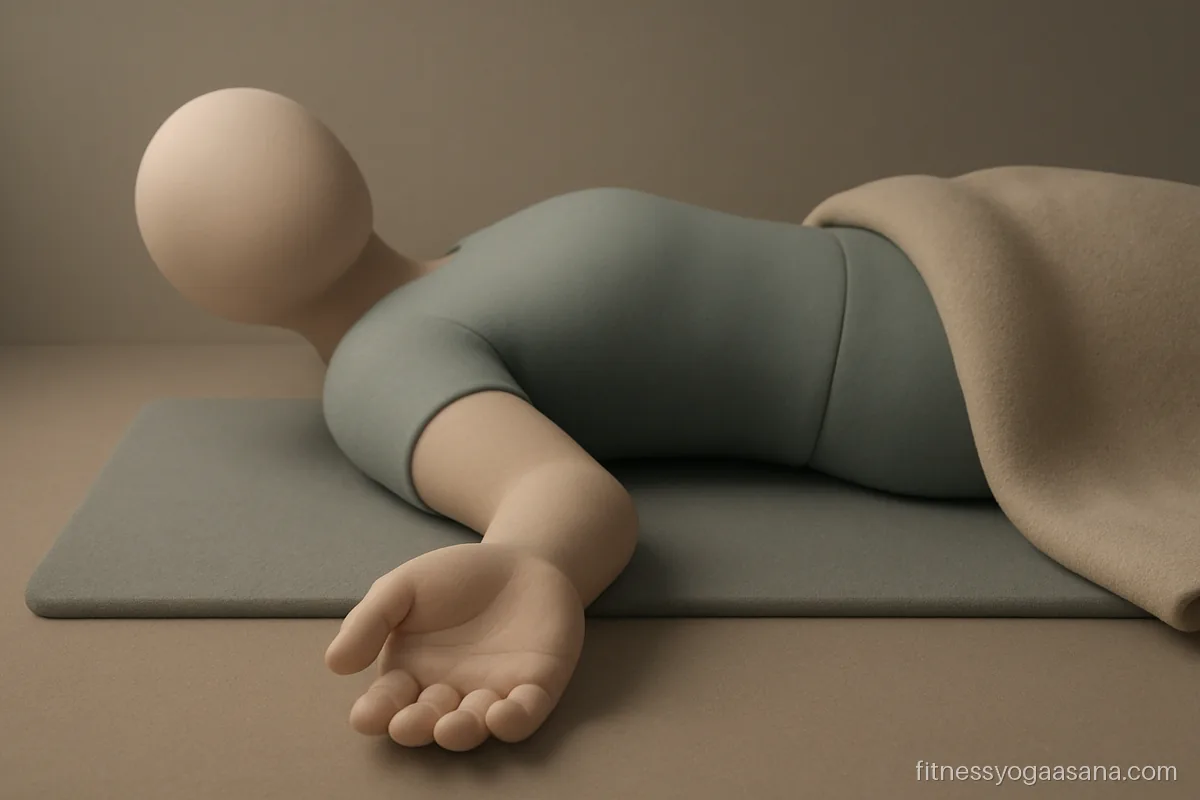
Set up for comfort: support beneath the knees and head, and a light cover, since you cool down as you relax.
Teacher's cue: Make yourself so comfortable that you will not want to move.
- Level
- All levels
- Hold
- 5 to 10 minutes
- Works on
- Attention
The body scan moves attention quickly from part to part: right thumb, index finger, middle finger, and so on around the body.
Teacher's cue: Just name each part in your mind; no need to move it.
- Level
- All levels
- Hold
- 10 to 20 minutes
- Works on
- Sleep
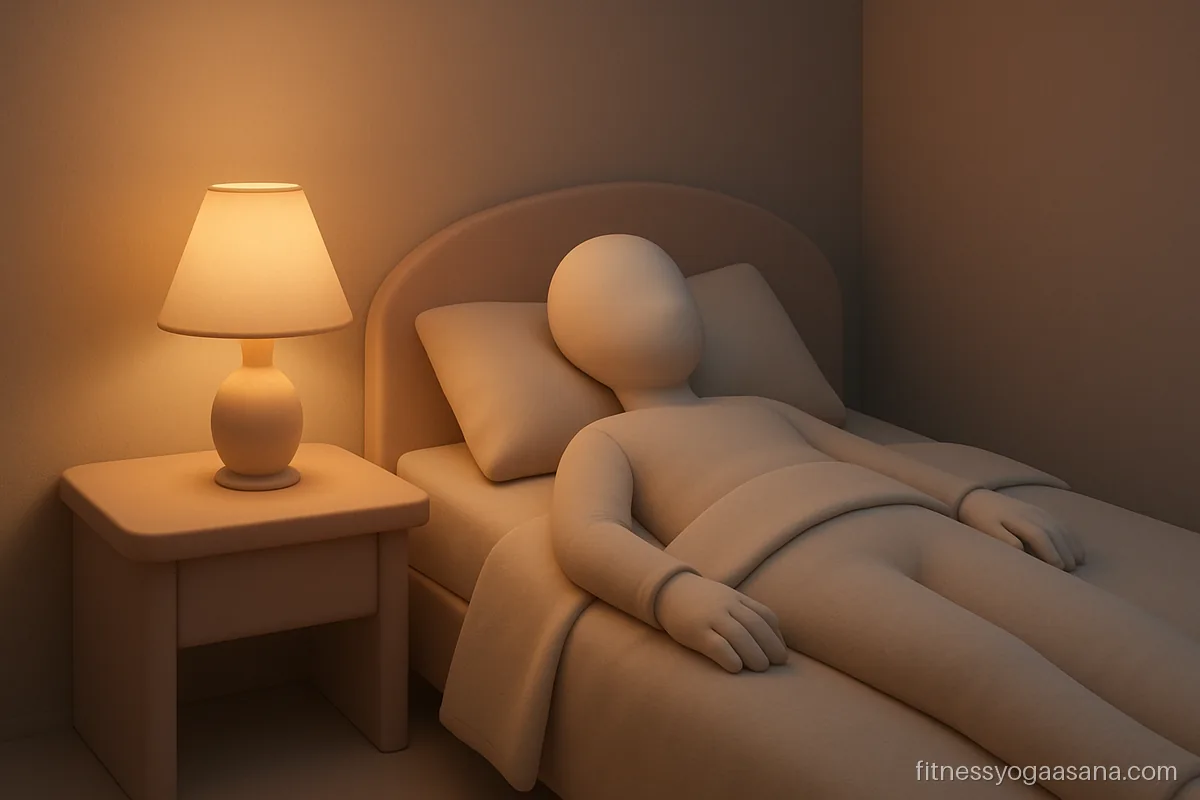
Yoga nidra for sleep can be done in bed. If you fall asleep, that is fine; the practice did its job.
Teacher's cue: Let each breath be slower and heavier than the last.
Yoga nidra steps: how to do yoga nidra
- Preparation: lie in shavasana with props and settle for a minute.
- Intention (sankalpa): repeat a short positive sentence three times, such as I am calm and steady.
- Body scan: move attention rapidly through each body part.
- Breath awareness: count breaths backward from 27 to 1.
- Opposite feelings: recall heaviness then lightness, warmth then coolness.
- Images: picture simple scenes named one after another.
- Intention again: repeat your sankalpa.
- Return: move fingers and toes, roll to the side and sit up slowly.
A short yoga nidra script for beginners
Read this slowly into your phone and play it back, pausing a few seconds between lines.
Lie down and let the body be heavy. Notice the floor holding you. Make a simple wish for yourself and say it silently three times. Now bring attention to the right hand: thumb, first finger, second finger, third finger, little finger, palm, back of the hand, wrist, forearm, elbow, upper arm, shoulder. Now the left hand, in the same order. Feel the right leg, the left leg, the back, the belly, the chest, the face. Feel the whole body at once. Now count your breaths backward from eleven to one. Feel the body heavy. Feel the body light. Repeat your wish. Slowly move your fingers and toes, and when you are ready, roll to one side.
This shorter yoga nidra for beginners takes about ten minutes. Full sessions add more detail and last 20 to 45 minutes.
Yoga nidra benefits
Small studies suggest yoga nidra may improve sleep quality, reduce stress and anxiety symptoms and lower perceived fatigue. Some trials in women with menstrual difficulties and in people with insomnia report encouraging results. Benefits of yoga nidra people describe include feeling as rested as after a nap, an easier time falling asleep, and less tension in the body. It is a support for wellbeing, not a treatment for sleep or anxiety disorders, which need a doctor.
Yoga nidra for sleep and anxiety
For yoga nidra for sleep and anxiety, practise once in the afternoon or early evening for 20 minutes, and use a shorter yoga nidra guided meditation for sleep in bed if you wake at night. Combine it with slow breathing such as bhramari and the routine on yoga for sleep. If anxiety is severe or you have had trauma, a guided practice with a trained teacher may suit you better than recordings.
NSDR, yoga nidra and meditation
NSDR yoga nidra refers to non sleep deep rest, a modern label for short, secular versions of the same practice. Compared with seated yoga meditation, nidra asks for less effort: you lie down and follow instructions, which makes it easier for tired or restless people. Many practitioners use both.
Practise on an empty stomach, move slowly into each position and stop at any sharp pain. If you have an injury, a health condition or are pregnant, check with a doctor or an experienced teacher first.
Questions people ask
What is yoga nidra in simple words?
It is a guided relaxation lying down, moving attention through the body and breath, that leaves you deeply rested while you stay lightly awake.
Is it okay to fall asleep during yoga nidra?
Yes, especially at night. During the day, try to stay aware; a more upright pillow can help.
How long should yoga nidra be?
Ten minutes is enough to feel the effect. Traditional sessions last 30 to 45 minutes.
Can I do yoga nidra every day?
Yes. Daily practice is common and safe. Choose a time when you will not be disturbed.
Is yoga nidra the same as sleep?
No. The body rests deeply, but attention follows the instructions. Many people feel refreshed rather than groggy afterwards.
Practise next
 Yoga for sleepCalming bedtime poses and breathing, many done in bed
 Shavasana (corpse)Corpse pose: complete stillness at the end of practice
 Yoga meditationHow yoga and meditation fit together, with a starter practice
 Yoga for stressCalming poses, breathing and a short routine for stressful days
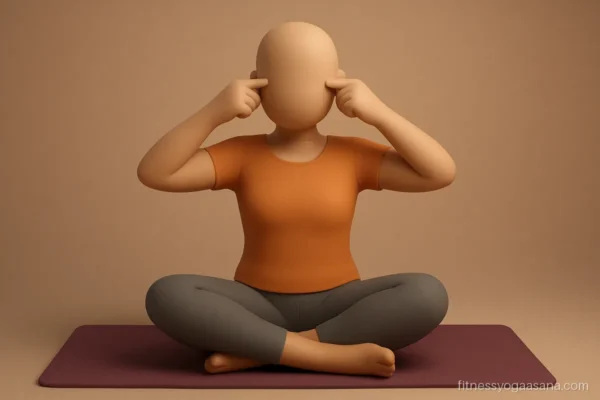 Bhramari pranayamaThe humming bee breath: steps, benefits and how many rounds
 Mudra for sleepFour hand gestures and a bedtime routine for easier sleep
More in yoga basics
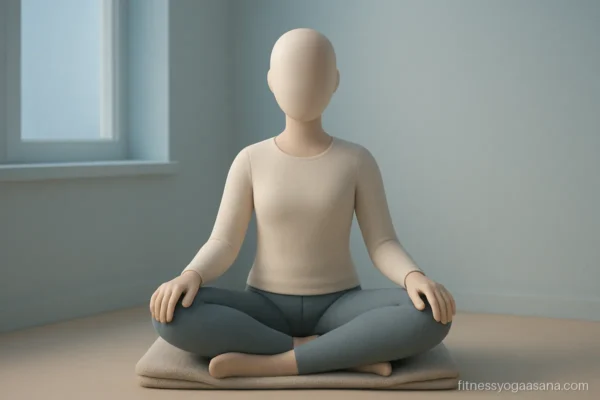 What is yogaThe meaning of yoga, its definition and the parts of a practice
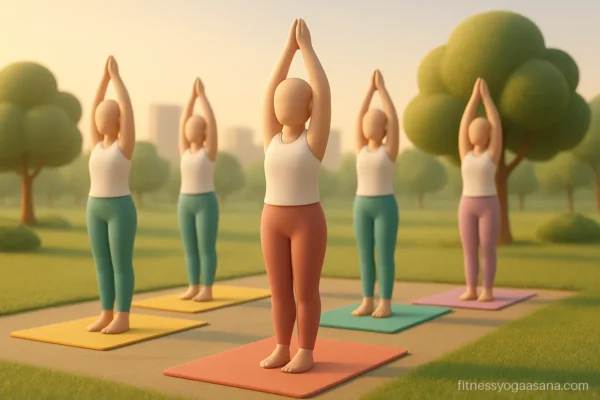 International yoga dayWhy yoga day is on 21 June, how it started and how to join in
 Yoga for beginnersTen easy poses, basic rules and a two week plan for new students
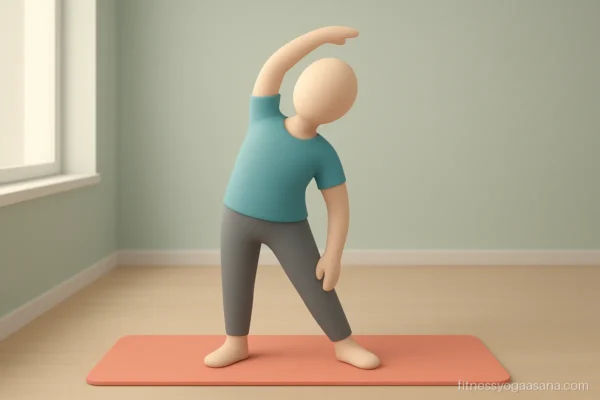 Benefits of yogaWhat regular yoga practice may do for body and mind, and how soon
 8 limbs of yogaPatanjali's eightfold path from ethics to deep meditation
 Cleaning a yoga matQuick wipe, deep clean and drying tips for every mat type
 Father of yogaWhy Patanjali is called the father of yoga, and other answers
 History of yogaWhere yoga began and how it changed over the centuries