Yoga Meditation: A Simple Way to Begin
Yoga basics 3 illustrations Updated 2 Nov 2026
Yoga meditation, called dhyana, is the practice of resting attention on one point, such as the breath, a sound or a word, until the mind grows quiet and steady. In classical yoga, the poses and breathing exist largely to prepare the body to sit still for meditation. Yoga and meditation are therefore not two separate things, but two ends of the same path.
Below: how to sit, a ten minute starter practice, the main types of meditation in yoga, and how this differs from other meditation styles.
- Sanskrit
- Dhyana, the seventh limb
- Start with
- 5 to 10 minutes daily
- Posture
- Any steady seat, or a chair
- Focus options
- Breath, sound, mantra, body, a candle
- Best time
- After asanas, or early morning
- Main skill
- Noticing and gently returning
Yoga meditation for beginners: 10 minutes
- Sit on a cushion or chair with the spine upright and hands resting.
- Close the eyes or lower the gaze.
- Take three slow breaths, longer out than in.
- Let the breath become natural and rest attention on its feeling at the nostrils or belly.
- When the mind wanders, notice where it went and return to the breath without judging.
- After ten minutes, take a deep breath, open the eyes slowly and sit for a moment.
Wandering is not failure. Each return is a repetition, like lifting a weight, and that is the training.
Yoga meditation in pictures

- Level
- All levels
- Hold
- 10 minutes
- Works on
- Stillness
You do not need to sit on the floor. A chair with feet flat and back upright works perfectly for meditation.
Teacher's cue: Sit a little forward so the back holds itself up.

- Level
- All levels
- Hold
- 10 to 20 minutes
- Works on
- Breath
The classic seat: raise the seat on something firm so the knees can drop below hip height.
Teacher's cue: Feel the breath at the tip of the nose, cool coming in, warm going out.
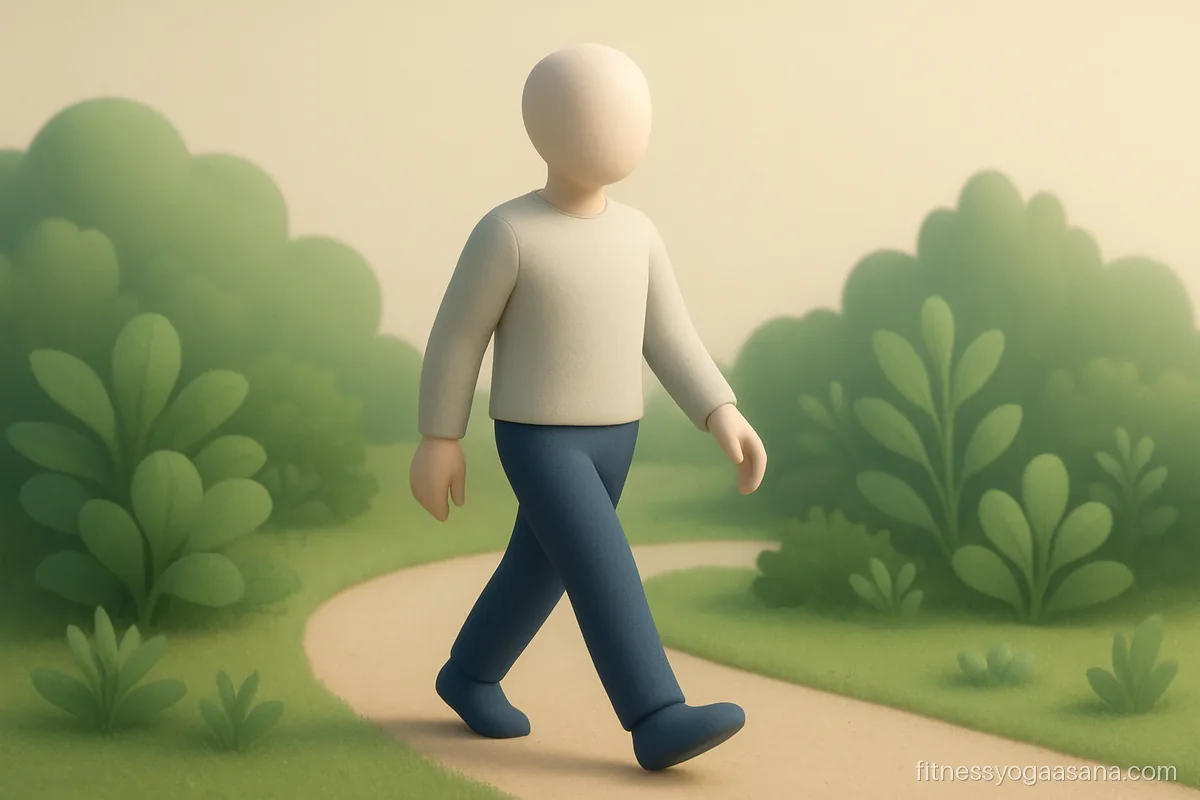
- Level
- All levels
- Hold
- 10 minutes
- Works on
- Body awareness
Walking slowly with attention on each step is a gentle option for restless minds.
Teacher's cue: Feel heel, sole and toes touch the ground in order.
How yoga and meditation fit together
In Patanjali's eight limbs, asana steadies the body, pranayama steadies the breath, pratyahara draws attention inward, and dharana, dhyana and samadhi deepen concentration into meditation. A good yoga session often ends with this order: poses, breathing, a few minutes of meditation, then rest. Meditation yoga poses are simply the seated postures that let you stay still comfortably.
Types of meditation in yoga
| Type | Focus |
|---|---|
| Breath awareness | The natural flow of breath |
| Mantra | Repeating a word or sound such as om |
| Trataka | Gazing at a candle flame or point |
| Body scan | Moving attention through the body, as in yoga nidra |
| Raja yoga meditation | Concentration and inner observation; see raja yoga |
| Kriya yoga meditation | Breathing methods handed down through a teacher lineage; see kriya yoga |
| Walking meditation | Each step and contact with the ground |
Difference between yoga and meditation
Yoga is the whole system: ethics, postures, breath and meditation. Meditation is one part of it, and also exists in many other traditions. In everyday speech, yoga often means the physical practice and meditation means sitting still; the two support each other. Poses release restlessness from the body, and meditation trains the attention that makes poses safer.
Raj yoga meditation, taught by several Indian groups, focuses on quiet reflection with open eyes. The benefits of yoga and meditation together, according to studies, include lower stress and better sleep.
Nature, mudras and other helpers
Many people find nature yoga and meditation easier outdoors, in a park or by water. Hand mudras like dhyana mudra or gyan mudra give the hands a resting place. A timer frees you from checking the clock. Slow breathing first, such as bhramari, makes settling easier.
When meditation feels hard
Restlessness, sleepiness and racing thoughts are normal. Shorten the session, try walking meditation, or meditate after a few minutes of movement. People with a history of trauma or severe anxiety sometimes find silent meditation difficult; a teacher or therapist trained in trauma sensitive practice can help.
Practise on an empty stomach, move slowly into each position and stop at any sharp pain. If you have an injury, a health condition or are pregnant, check with a doctor or an experienced teacher first.
Questions people ask
What is yoga meditation?
It is dhyana, the practice of steady attention on one point, which classical yoga sees as the goal the poses and breathing prepare for.
How long should beginners meditate?
Begin with a short daily sit, around five to ten minutes. Consistency matters more than length.
Should I do yoga or meditation first?
Poses and breathing first, then meditation. The body is calmer and sitting is easier.
Can I meditate lying down?
Yes, but it is easy to fall asleep. Sitting keeps you more alert.
Do I need a mantra to meditate?
No. The breath is enough. A mantra is helpful for some people but not required.
Practise next
 8 limbs of yogaPatanjali's eightfold path from ethics to deep meditation
 Yoga nidraYogic sleep: a guided lying down practice for deep rest
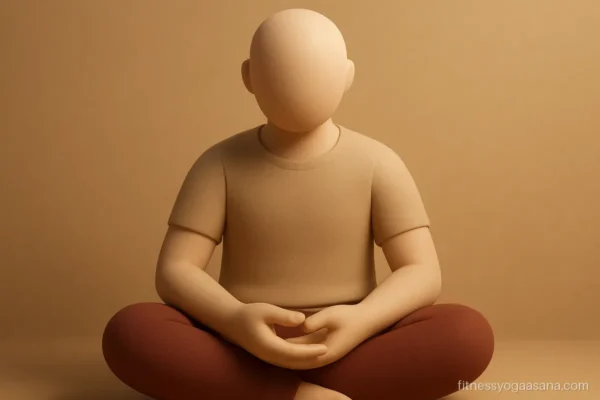 Dhyana mudraHands cradled in the lap, thumbs touching, for meditation
 Raja yogaThe classical path of concentration and meditation
 PranayamaWhat pranayama is, how to start and every breathing practice
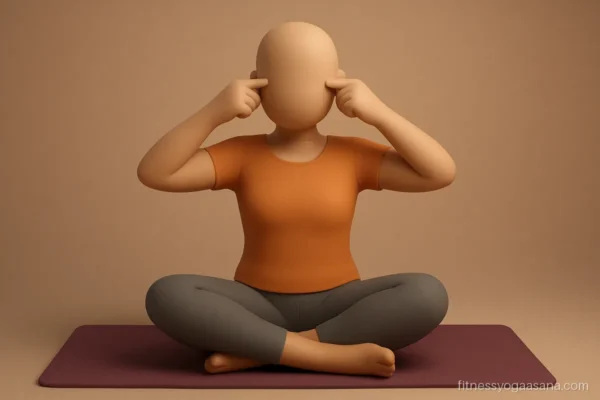 Bhramari pranayamaThe humming bee breath: steps, benefits and how many rounds
More in yoga basics
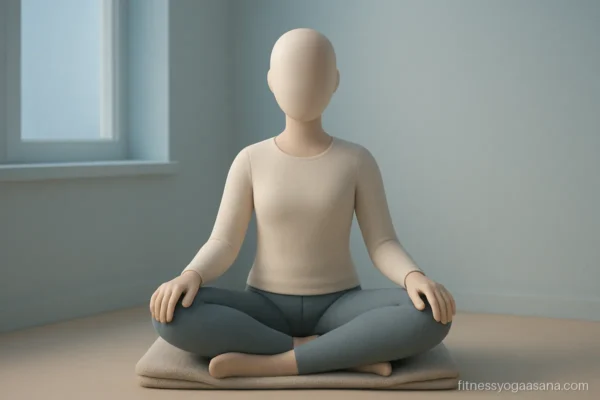 What is yogaThe meaning of yoga, its definition and the parts of a practice
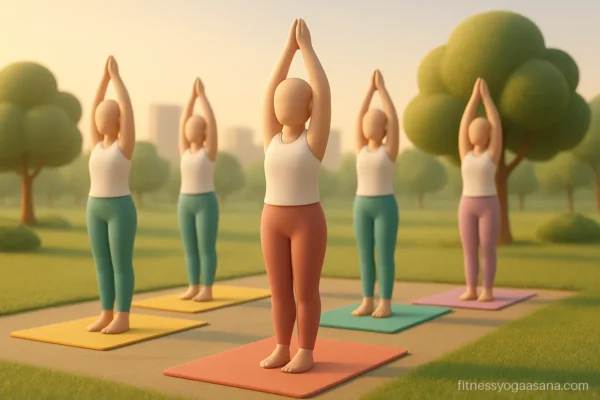 International yoga dayWhy yoga day is on 21 June, how it started and how to join in
 Yoga for beginnersTen easy poses, basic rules and a two week plan for new students
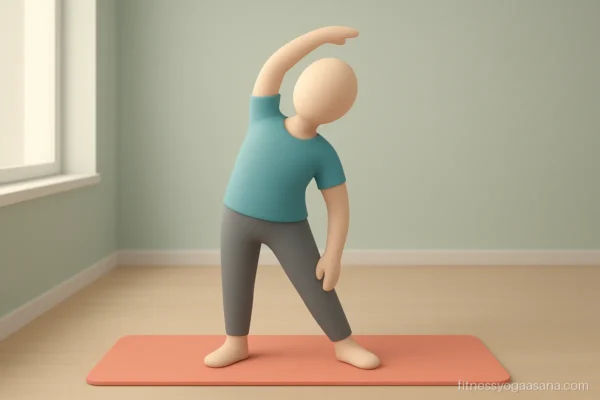 Benefits of yogaWhat regular yoga practice may do for body and mind, and how soon
 Cleaning a yoga matQuick wipe, deep clean and drying tips for every mat type
 Father of yogaWhy Patanjali is called the father of yoga, and other answers
 History of yogaWhere yoga began and how it changed over the centuries
 Yoga chartA chart of common poses by type, plus school chart tips