The 8 Limbs of Yoga, Explained for Daily Life
Yoga basics 3 illustrations Updated 2 Nov 2026
The 8 limbs of yoga are the eight stages of practice described by Patanjali in the Yoga Sutras: yama, niyama, asana, pranayama, pratyahara, dharana, dhyana and samadhi. Together they are called ashtanga yoga, from ashta, eight, and anga, limb, and they move from how we treat others, through body and breath, to deep meditation.
This page explains each limb with plain examples, shows how the eight fit together, and clears up the common confusion between this classical ashtanga and the modern exercise style of the same name.
- Source
- Yoga Sutras of Patanjali, chapter 2 and 3
- Other name
- Ashtanga yoga, raja yoga
- Outer limbs
- Yama, niyama, asana, pranayama, pratyahara
- Inner limbs
- Dharana, dhyana, samadhi
- Yamas
- 5 restraints
- Niyamas
- 5 personal disciplines
The 8 limbs of yoga at a glance
| Limb | Meaning | Everyday example |
|---|---|---|
| 1. Yama | Restraints toward others | Not harming, being honest |
| 2. Niyama | Disciplines toward oneself | Keeping clean, being content |
| 3. Asana | Steady posture | Poses on the mat |
| 4. Pranayama | Breath regulation | Unhurried, smooth breaths |
| 5. Pratyahara | Withdrawing the senses | Not reacting to every distraction |
| 6. Dharana | Concentration | Keeping the mind on a single point |
| 7. Dhyana | Meditation | Attention flowing without effort |
| 8. Samadhi | Absorption | Complete stillness of mind |
8 limbs of yoga in pictures
- Level
- Beginner
- Hold
- 5 breaths
- Works on
- Steadiness
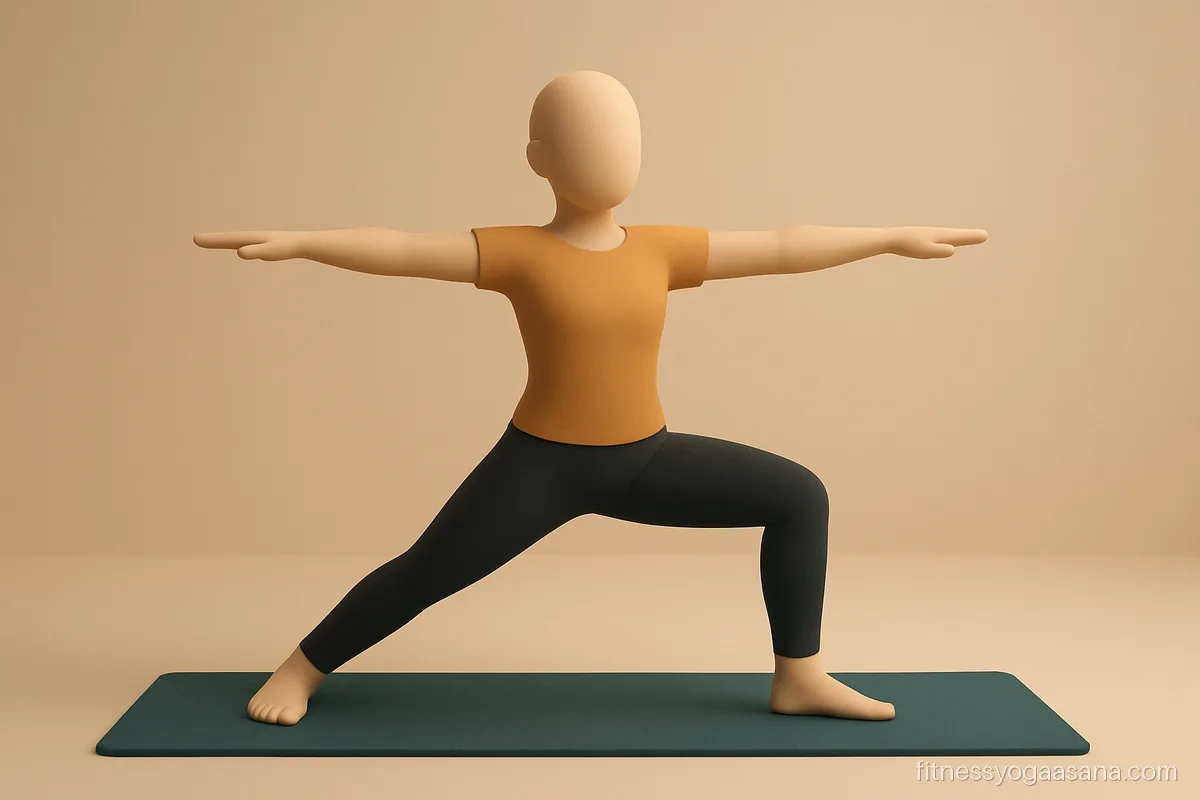
Asana is the third limb. Patanjali describes it simply as a posture that is steady and comfortable.
Teacher's cue: Find the point where the pose feels both firm and easy, then stay there.
- Level
- All levels
- Hold
- 5 minutes
- Works on
- Attention
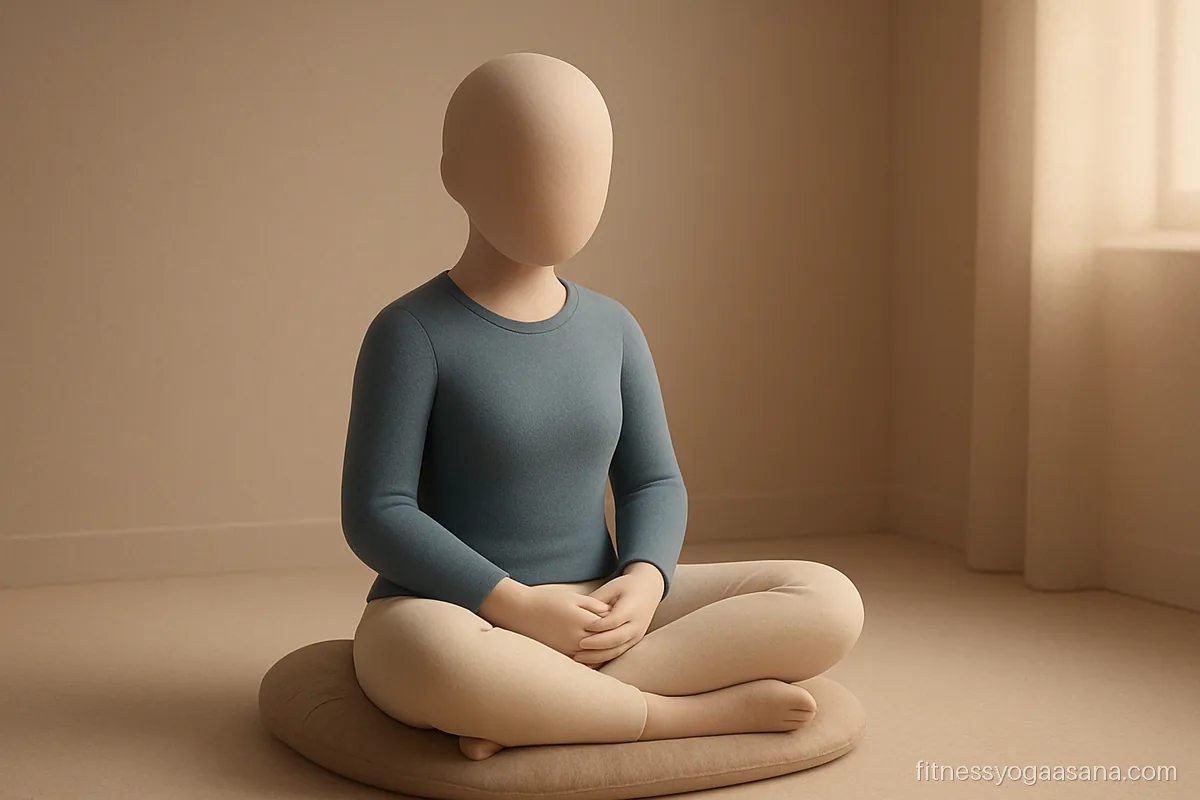
Pratyahara, withdrawing the senses, is the bridge between outer and inner practice. Sounds remain, but they stop pulling you away.
Teacher's cue: Let sounds come and go without naming them.
- Level
- Beginner
- Hold
- 1 to 3 minutes
- Works on
- Concentration
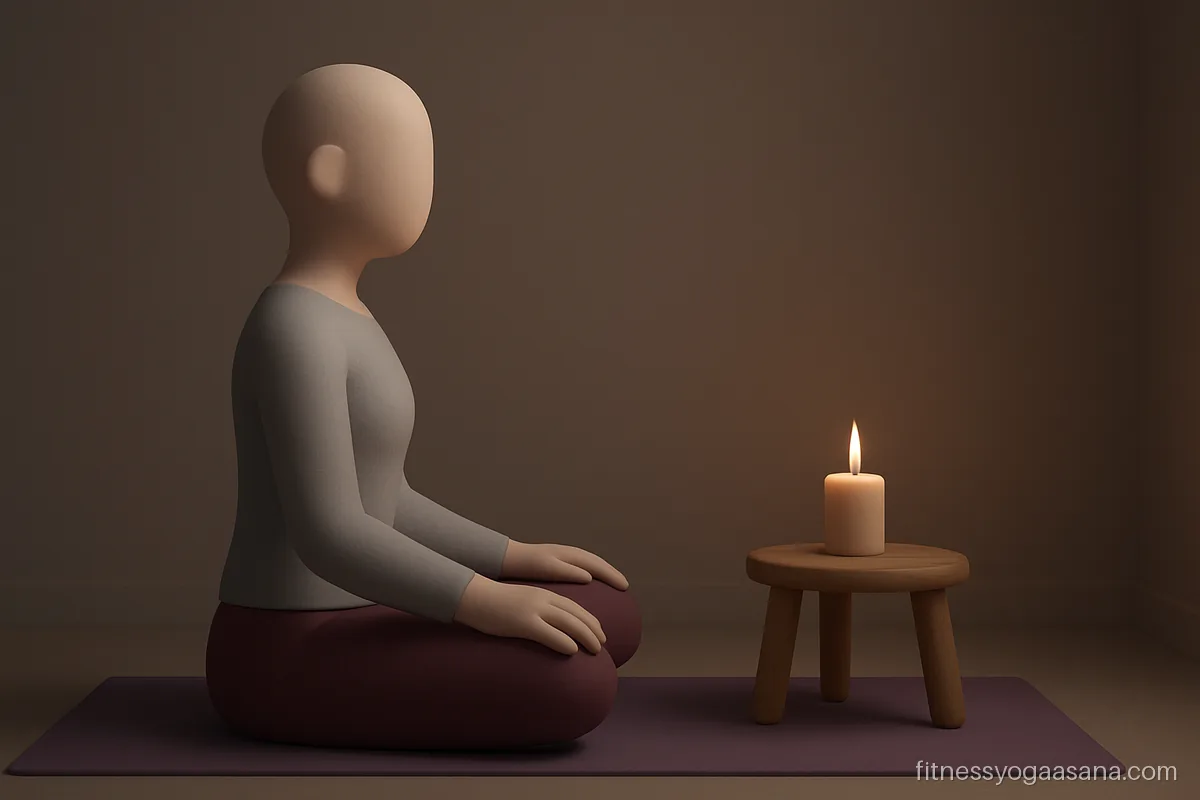
Dharana means holding attention on one point. A steady candle flame is a traditional focus for beginners.
Teacher's cue: Blink when you need to and simply return to the flame.
Yama in yoga: the five restraints
- Ahimsa: non-violence in action, word and thought, including toward yourself on the mat.
- Satya: truthfulness.
- Asteya: not stealing, including other people's time or credit.
- Brahmacharya: moderation and wise use of energy.
- Aparigraha: non-possessiveness, not grabbing more than you need.
When people search yama yoga or yamas yoga, this list of five is what they find. In practice, ahimsa is the one you meet most often in a class: never forcing a pose.
Niyama yoga: the five disciplines
- Shaucha: cleanliness of body, surroundings and mind.
- Santosha: contentment with what is.
- Tapas: steady effort and self discipline.
- Svadhyaya: self study, including study of good texts.
- Ishvara pranidhana: surrender to something larger than oneself.
Of the five, santosha often surprises new students. It does not mean giving up on goals. It means practising without the constant feeling that today is not good enough, which makes regular practice much easier to keep up.
Asana, pranayama and pratyahara yoga
Patanjali gives asana only a few lines: the posture should be steady and comfortable. The many poses we practise today came later, from hatha yoga, but the principle holds. Pranayama then steadies the breath, and pratyahara turns attention inward, so the senses stop dragging the mind outward. Many people experience a taste of pratyahara at the end of a good class, lying in shavasana while the street noise fades into the background.
Dharana yoga, dhyana and samadhi
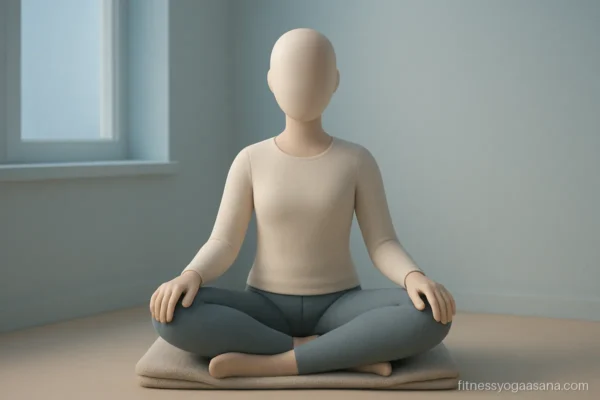
The last three limbs are stages of one process. Dharana is effortful concentration on a single object, such as the breath or a candle flame. When that attention becomes continuous, it is called dhyana, meditation. When the sense of a separate meditator falls away, it is samadhi. The Sutras call these three together samyama. Our yoga meditation guide has simple ways to begin.
Ashtanga yoga: two meanings
Astanga yoga, ashtang yoga and astang yoga are all spellings of the same Sanskrit word. In India it often means these eight limbs. Outside India the word mostly brings to mind ashtanga vinyasa yoga, an athletic pose series developed in the last century. The two share a name and a respect for Patanjali, but they are not the same thing. So the 8 limbs of ashtanga yoga and the eight limbs of ashtanga yoga refer to Patanjali's path, not to a series of poses. Some school books call them the 8 types of yoga, which is not quite accurate; they are stages of one path.
Using the eight limbs in daily life
- Pick one yama or niyama a week to notice, such as truthfulness or contentment.
- Practise 20 minutes of asana with the attitude of ahimsa.
- Add five minutes of slow breathing.
- Sit for five minutes with attention on the breath; when it wanders, return.
That small routine touches six of the eight limbs. Read more in our Yoga Sutras summary.
Practise on an empty stomach, move slowly into each position and stop at any sharp pain. If you have an injury, a health condition or are pregnant, check with a doctor or an experienced teacher first.
Questions people ask
What are the 8 limbs of yoga in order?
Yama, niyama, asana, pranayama, pratyahara, dharana, dhyana and samadhi.
Who wrote about the eight limbs of yoga?
Patanjali, in the Yoga Sutras, a classical text of 196 short verses.
Why is it called ashtanga, and how many limbs are there in ashtanga yoga?
Eight, which is what ashtanga means: ashta is eight and anga is limb.
Is there an ashtanga yoga eight limbs diagram?
Many books draw the limbs as a ladder or a tree, from yama at the base to samadhi at the top. The table on this page gives the same order.
Do I need to follow all eight limbs to do yoga?
No. Most people start with asana and breathing. Interest in the other limbs usually grows naturally with practice.
Practise next
 Yoga sutrasPatanjali's 196 sutras: definition, chapters and key ideas
 What is yogaThe meaning of yoga, its definition and the parts of a practice
 Ashtanga yogaTwo meanings: Patanjali's path and the vigorous vinyasa series
 Yoga meditationHow yoga and meditation fit together, with a starter practice
 Raja yogaThe classical path of concentration and meditation
 PranayamaWhat pranayama is, how to start and every breathing practice
More in yoga basics
 International yoga dayWhy yoga day is on 21 June, how it started and how to join in
 Yoga for beginnersTen easy poses, basic rules and a two week plan for new students
 Benefits of yogaWhat regular yoga practice may do for body and mind, and how soon
 Cleaning a yoga matQuick wipe, deep clean and drying tips for every mat type
 Yoga nidraYogic sleep: a guided lying down practice for deep rest
 Father of yogaWhy Patanjali is called the father of yoga, and other answers
 History of yogaWhere yoga began and how it changed over the centuries
 Yoga chartA chart of common poses by type, plus school chart tips