History of Yoga: From Ancient India to Today
Yoga basics 3 illustrations Updated 2 Nov 2026
The history of yoga stretches back thousands of years in India, from early Vedic hymns and the Upanishads to Patanjali's Yoga Sutras, the hatha yoga manuals and finally the worldwide practice we see today. Yoga originated in India, and its core aim has stayed remarkably steady: a calm, clear mind through discipline of body, breath and attention.
Here is the story in five broad periods, with the key texts of each and the turning points that shaped modern classes.
- Origin
- Ancient India
- Early sources
- Vedas and Upanishads
- Classical text
- Yoga Sutras of Patanjali
- Physical turn
- Hatha yoga, medieval period
- Global spread
- From the late 1800s onward
- UN recognition
- International Day of Yoga, 21 June
History of yoga in five periods
| Period | Key ideas | Sources |
|---|---|---|
| Pre-classical | Ritual, discipline, early meditation | Vedas, early Upanishads |
| Epic | Yoga as action, devotion and knowledge | Bhagavad Gita, Mahabharata |
| Classical | A system of eight limbs | Yoga Sutras of Patanjali |
| Post-classical, hatha | Body and breath as tools | Hatha Yoga Pradipika, Gheranda Samhita |
| Modern | Postural yoga, global spread, health research | Twentieth century teachers and schools |
History of yoga in pictures
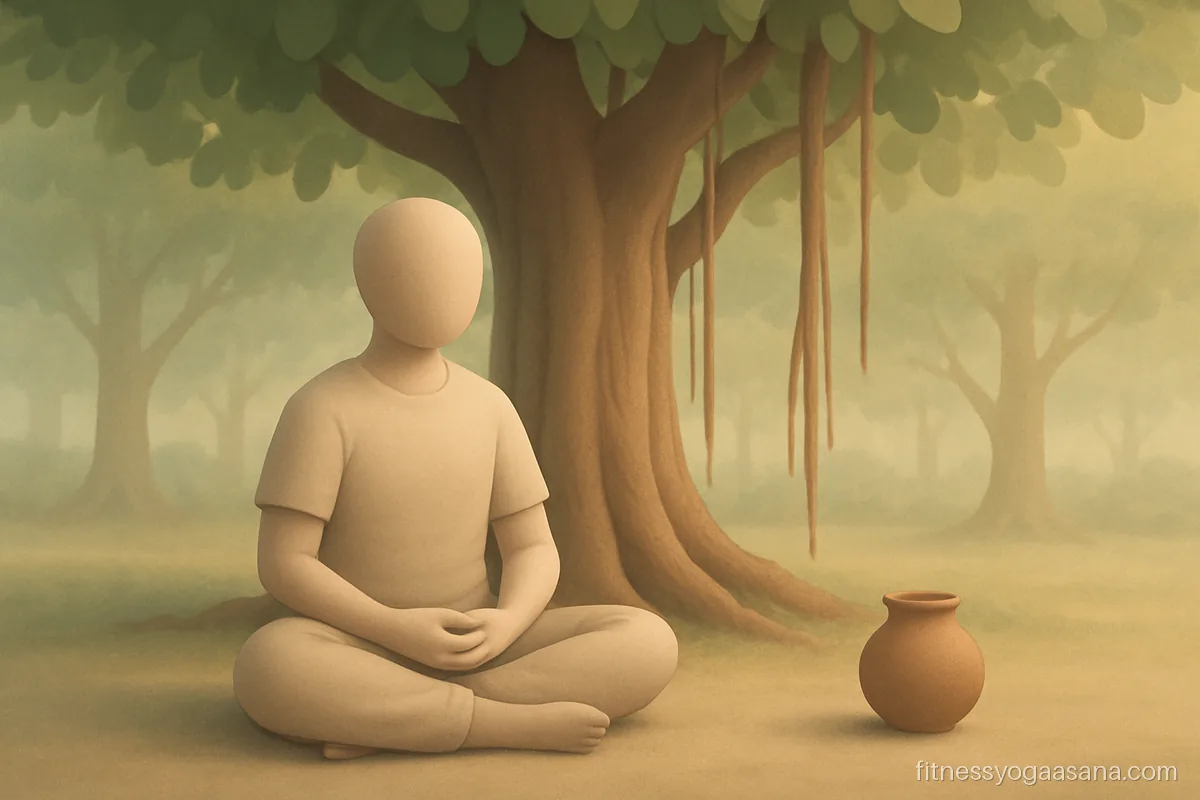
- Level
- All levels
- Hold
- Meditation
- Works on
- Origins
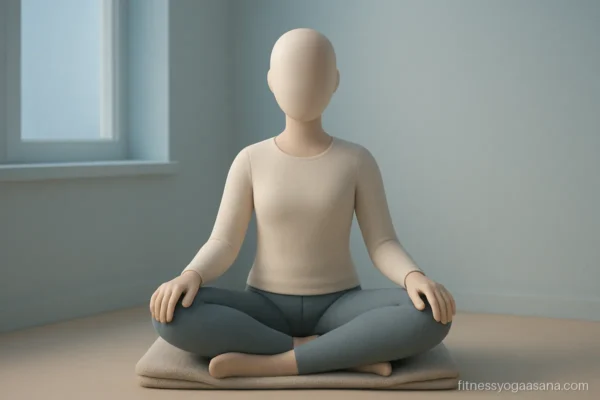
Early yoga was taught in forest hermitages, from teacher to student, mostly as meditation and discipline.
Teacher's cue: Imagine practice with no mat, no studio, only stillness.
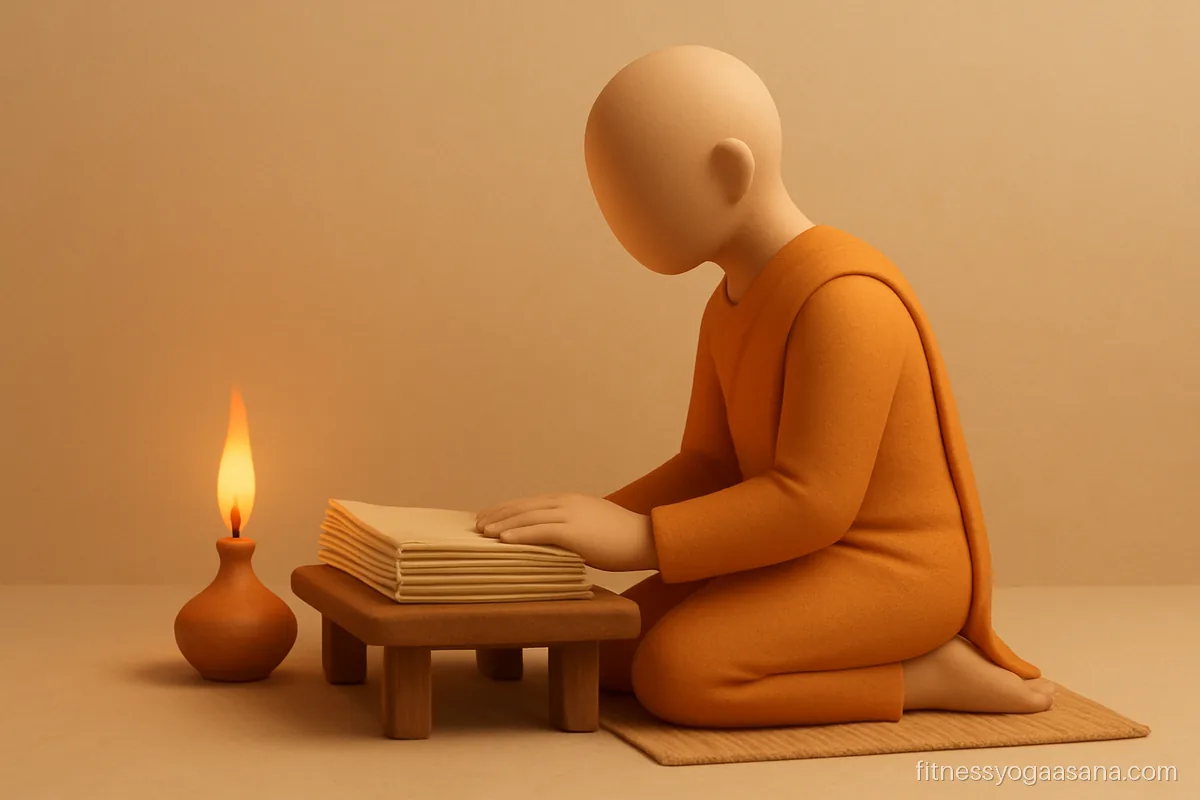
- Level
- All levels
- Hold
- Study
- Works on
- Hatha period
Medieval hatha yoga texts added postures, breathing and cleansing practices, laying the ground for today's physical yoga.
Teacher's cue: Notice how few poses the old texts actually describe.
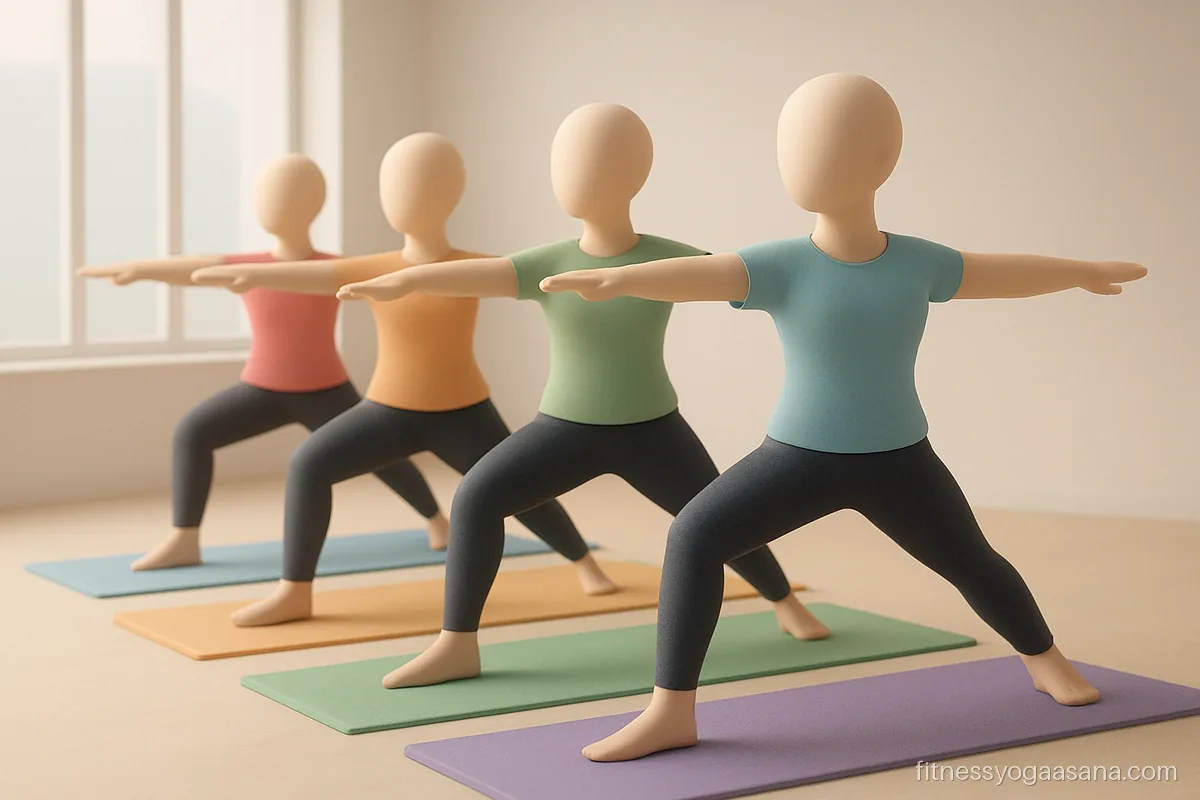
- Level
- All levels
- Hold
- Class
- Works on
- Modern era
Modern group classes built on hatha yoga spread worldwide in the twentieth century, adding standing sequences and flowing styles.
Teacher's cue: Every style in a modern studio traces back to these older roots.
Where did yoga originate?
Yoga originated in ancient India, which answers both where did yoga originate and yoga originated in which country. The earliest clear descriptions of yoga as meditation and control of the senses appear in the Upanishads, such as the Katha Upanishad. Others cite carved Indus Valley seals showing someone sitting with crossed legs; scholars still debate what those images represent. Vedic yoga, the yoga of the earliest hymns, was more about ritual and inner discipline than poses.
So if a quiz asks yoga originated from which country, the answer is India.
The classical period: Patanjali
Patanjali gathered earlier teachings into the Yoga Sutras, a compact manual dated by most scholars to around two millennia back. Their opening lines describe yoga as quieting mental activity, and later chapters lay out the eightfold path. Posture gets only a brief mention: a seat that is steady and comfortable. Hence the title father of yoga for the compiler.
Hatha yoga: the body becomes central
Between about the ninth and fifteenth centuries, teachers of the hatha tradition developed practices to purify and strengthen the body: postures, breath control, cleansing and seals. The Hatha Yoga Pradipika is the best known manual. Even so, it describes only around fifteen asanas, mostly seated. The long standing sequences popular today came much later.
History of yoga in India and abroad in the modern era
From the late nineteenth century, Indian teachers began presenting yoga to the wider world. In the twentieth century, teachers in Mysore, Rishikesh, Pune and elsewhere developed systematic postural methods, and their students opened schools around the world. Styles such as ashtanga vinyasa, flowing vinyasa and many forms of hatha yoga classes grew from this period. Laboratory and clinical studies multiplied in the same decades, and the UN later created an annual day for yoga each June.
What has stayed the same
Ancient yoga and a modern class look very different, yet the core is shared: discipline, attention to the breath, and the aim of a quieter mind. Knowing this history helps keep practice in perspective. Poses are a valuable tool, and the older traditions remind us they were always a means to inner steadiness.
Practise on an empty stomach, move slowly into each position and stop at any sharp pain. If you have an injury, a health condition or are pregnant, check with a doctor or an experienced teacher first.
Questions people ask
Where did yoga originate?
Yoga originated in ancient India. The roots go back to Vedic and Upanishadic writings, centuries before anyone ran a pose class.
How old is yoga?
The earliest clear written descriptions are a few thousand years old. Exact dating is debated by scholars.
Who systematised yoga?
Patanjali, through the Yoga Sutras, which set out the eight limbs.
When did yoga poses become popular?
Hatha yoga texts introduced many postures in medieval times, but long pose sequences became widespread in the twentieth century.
What is vedic yoga?
The early stage of yoga described in Vedic texts, focused on ritual, discipline and inner focus rather than physical poses.
Practise next
 Father of yogaWhy Patanjali is called the father of yoga, and other answers
 Yoga sutrasPatanjali's 196 sutras: definition, chapters and key ideas
 Hatha yoga pradipikaThe medieval handbook of postures, breath, seals and meditation
 What is yogaThe meaning of yoga, its definition and the parts of a practice
 International yoga dayWhy yoga day is on 21 June, how it started and how to join in
More in yoga basics
 Yoga for beginnersTen easy poses, basic rules and a two week plan for new students
 Benefits of yogaWhat regular yoga practice may do for body and mind, and how soon
 8 limbs of yogaPatanjali's eightfold path from ethics to deep meditation
 Cleaning a yoga matQuick wipe, deep clean and drying tips for every mat type
 Yoga nidraYogic sleep: a guided lying down practice for deep rest
 Yoga meditationHow yoga and meditation fit together, with a starter practice
 Yoga chartA chart of common poses by type, plus school chart tips
 Yoga mantraOm, peace chants and closing prayers with meanings