Hatha Yoga: Meaning, Poses and a Beginner Sequence
Styles of yoga 3 illustrations Updated 2 Nov 2026
In short, hatha yoga trains body and breath directly: postures, breathing practices, cleansing techniques and seals, all aimed at a steady body and a calm mind. Nearly every pose class taught today, gentle or vigorous, grows out of hatha yoga.
This page explains what hatha yoga means, where it comes from, the main hatha yoga poses, what a typical class looks like and how it compares with other styles. People also spell it hath yoga or hata yoga; it is the same thing.
- Meaning
- Hatha: force or effort; also sun and moon
- Classic text
- Hatha Yoga Pradipika
- Main tools
- Asana, pranayama, mudra, bandha, shatkarma
- Pace
- Slow, poses held for several breaths
- Good for
- Beginners and steady practice
- Class length
- Usually 60 to 75 minutes
What is hatha yoga?
The Sanskrit word hatha means force or determined effort. A popular teaching splits the word into two syllables standing for the sun and the moon, the warming and cooling sides of a person. Both explanations point to the same idea: using deliberate physical and breathing practices to prepare the body for meditation.
The main source is the Hatha Yoga Pradipika, a manual about five centuries old. Its four chapters cover asanas, pranayama, mudras and bandhas, and finally deep concentration. The text is clear that physical practice is a means, with stillness of mind as the goal.
Hatha yoga in pictures
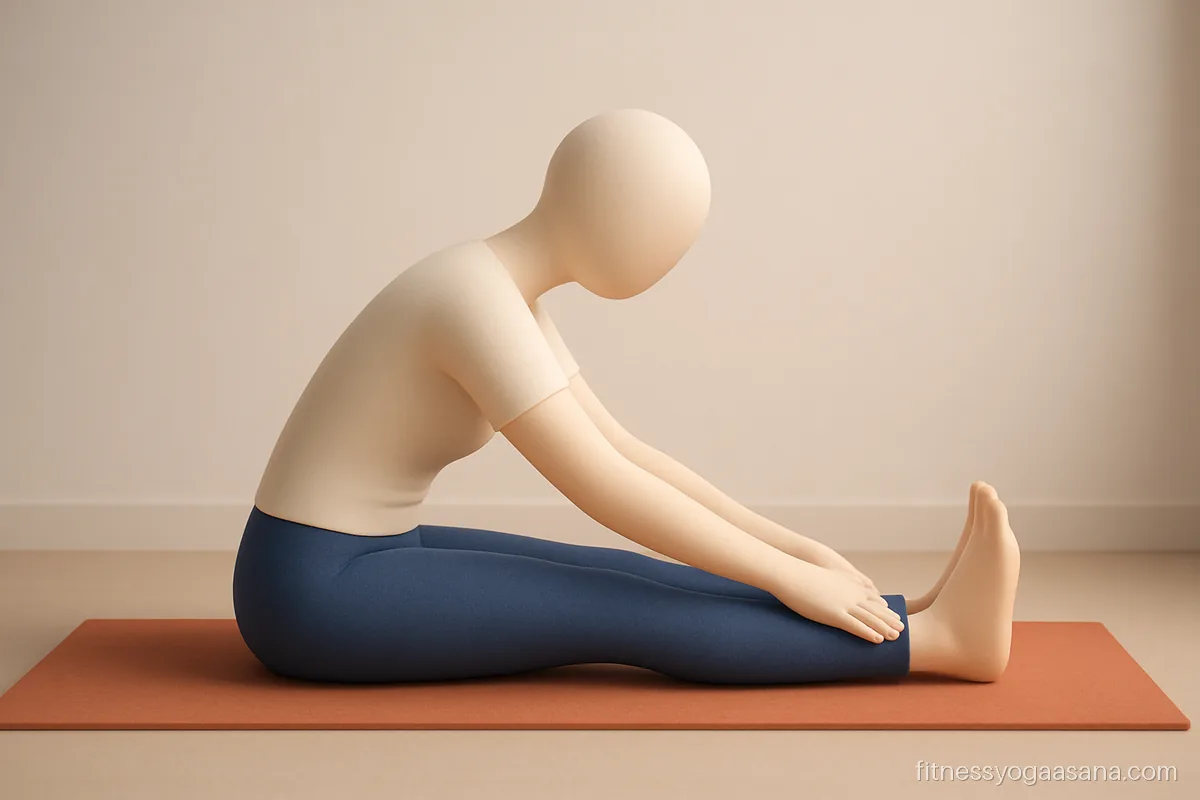
- Level
- Beginner
- Hold
- 5 to 8 breaths
- Works on
- Hamstrings, calm
Hatha classes hold each pose long enough to settle in, often five to eight breaths, with a pause between poses.
Teacher's cue: Let the exhale invite you a little deeper, never a bounce.

- Level
- Intermediate
- Hold
- 10 breaths
- Works on
- Shoulders, legs
Inversions are a traditional part of hatha yoga. Teachers often start students with a wall supported shoulder stand.
Teacher's cue: Walk the feet up the wall and support the back with the hands.
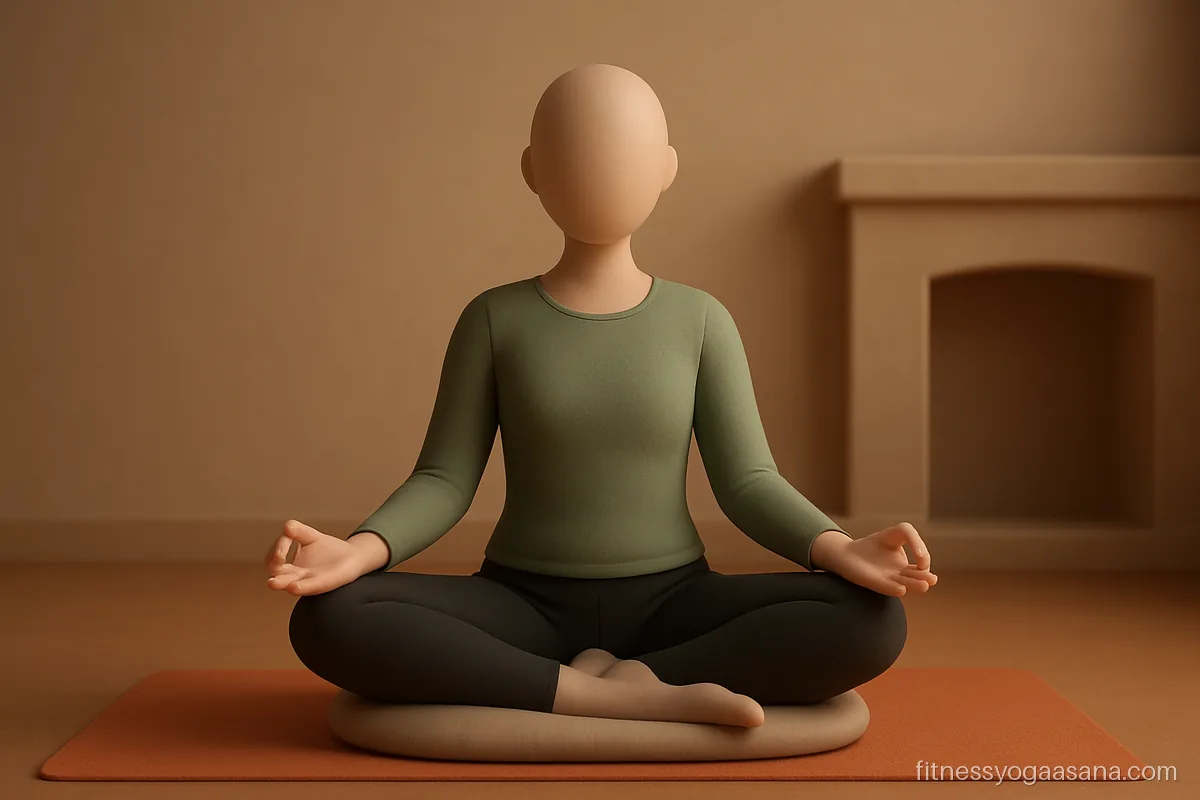
- Level
- All levels
- Hold
- 5 to 10 minutes
- Works on
- Breath
A classic hatha session moves from poses to pranayama to a short meditation, in that order.
Teacher's cue: Keep the face soft and the breath unforced.
Hatha yoga poses most classes include
- Standing: tadasana, trikonasana, warrior and tree.
- Seated: paschimottanasana, a seated twist and lotus or easy pose.
- Back bends: cobra, locust and bow.
- Inversions: shoulder stand, plough and fish pose as a counter pose.
- Rest: shavasana between and after.
These hatha yoga asanas are held with steady breathing rather than flowed through quickly.
What a hatha yoga class looks like
- A few minutes of sitting and breathing.
- Warm up movements for the joints and spine.
- Sun salutations, often two to six rounds.
- Standing poses, then floor poses, each held 5 to 10 breaths.
- Inversions and counter poses.
- Pranayama such as anulom vilom or bhramari.
- Five to ten minutes of relaxation.
Hatha yoga poses for a short home practice
At home, a 30 minute hatha session might be: three rounds of sun salutation, triangle and warrior two on each side, tree pose, cobra twice, a seated forward bend, a supine twist, shoulder stand against the wall if you have learned it, then five minutes of rest. Hold each pose for five breaths and pause between poses to notice the effect. That pause is a small but important hatha habit.
Hatha yoga vs other styles
| Style | Pace | Difference from hatha |
|---|---|---|
| Vinyasa | Flowing | Moves continuously with the breath |
| Ashtanga | Vigorous | Fixed series, practised the same way each time |
| Yin | Very slow | Passive floor holds of several minutes |
| Power | Fast | Fitness focus, less breathwork |
See all styles on types of yoga.
Who hatha yoga suits
Hatha is ideal for beginners, people returning after a break, older adults and anyone who wants to learn alignment carefully. It also suits experienced students who want a balanced practice with breathing and meditation. Anyone managing an illness or injury should tell the teacher before class and leave out inversions and deep back bends until a doctor says they are fine.
Practise on an empty stomach, move slowly into each position and stop at any sharp pain. If you have an injury, a health condition or are pregnant, check with a doctor or an experienced teacher first.
Questions people ask
What is the meaning of hatha yoga?
Hatha means effort or force, and is often explained as sun and moon. Hatha yoga uses body and breath practices to steady the mind.
Is hatha yoga good for beginners?
Yes. Poses are held slowly with clear instruction, so it is the best place to start.
How is hatha yoga different from ashtanga yoga?
Hatha is a broad tradition with flexible sequences. Ashtanga vinyasa is a specific, fixed and more vigorous series.
Can hatha yoga help with weight loss?
It helps with strength and habits but burns less energy than faster styles. Add brisk sun salutations and walking for weight goals.
How often should I practise hatha yoga?
Three to five sessions a week is ideal. Even two classes a week bring noticeable benefits over a few months.
Practise next
 Hatha yoga pradipikaThe medieval handbook of postures, breath, seals and meditation
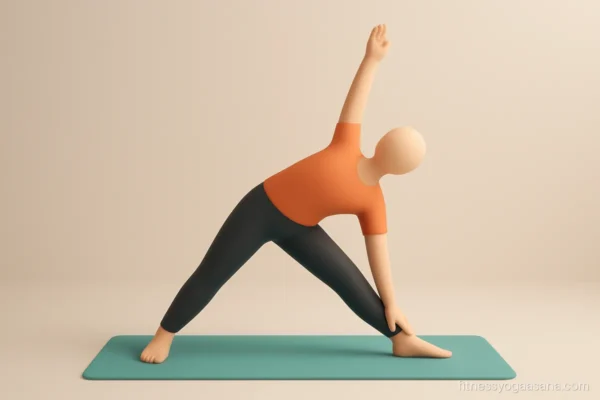 Types of yogaThe classic paths, modern styles and families of yoga asanas
 Vinyasa yogaBreath linked flowing sequences, with a home flow
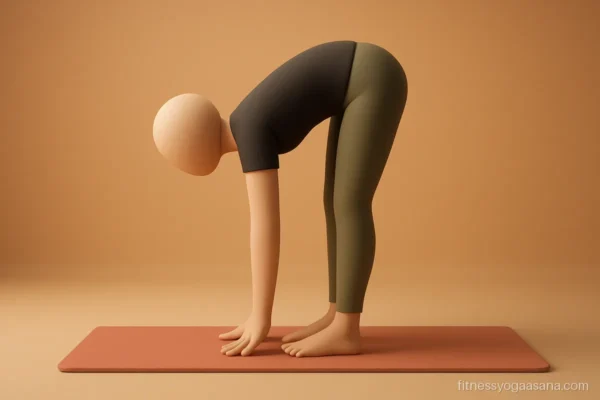 Ashtanga yogaTwo meanings: Patanjali's path and the vigorous vinyasa series
 PranayamaWhat pranayama is, how to start and every breathing practice
 Yoga for beginnersTen easy poses, basic rules and a two week plan for new students
More in styles of yoga
 Couple yoga posesPartner and group poses for couples, friends and challenges
 Kriya yogaPatanjali's yoga of action and the later breath meditation path
 Kundalini yogaBreath, movement, sound and meditation aimed at inner energy
 Hot yogaYoga in a heated room: how it works, benefits and risks
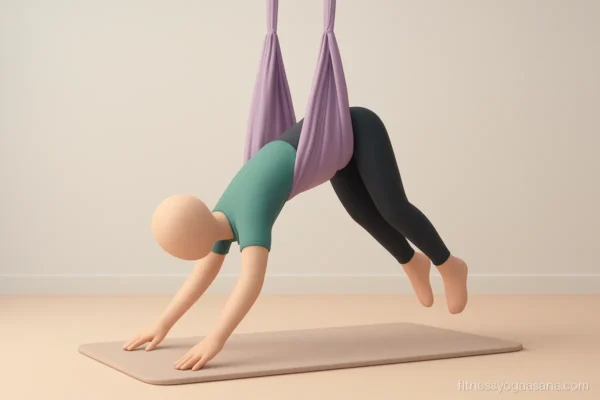 Aerial yogaPoses supported by a fabric hammock hung from the ceiling
 Yin yogaLong, passive floor holds, and how restorative yoga differs
 Karma yogaThe yoga of action done well, without clinging to rewards
 Power yogaA fitness focused flowing style, with a home workout