Hot Yoga: Heated Classes Explained
Styles of yoga 3 illustrations Updated 2 Nov 2026
Hot yoga is any yoga class held in a room heated well above normal temperature, often between about 32 and 40 degrees Celsius, sometimes with added humidity. The heat makes muscles feel looser, raises the heart rate and makes you sweat heavily, which many people enjoy as an intense workout.
It also brings real risks, from dehydration to heat illness. This page explains what happens in a hot yoga class, the poses commonly used, possible benefits, who should avoid it, and how to stay safe if you try it.
- Room heat
- About 32 to 40 degrees Celsius
- Class length
- 60 to 90 minutes
- Style
- Fixed sequences or heated flow classes
- Main risk
- Dehydration and heat illness
- Avoid if
- Pregnant, heart disease, uncontrolled BP
- Bring
- Water, towel, electrolyte drink
What is hot yoga?
Hot yoga is not one style but a setting. Some schools teach a fixed series of around 26 poses and two breathing exercises in a room near 40 degrees. Others run heated vinyasa or power yoga classes at slightly lower temperatures. In all of them, the heat adds intensity: you sweat more, your heart works harder, and stretches feel easier, which can tempt people to push too far.
Hot yoga in pictures

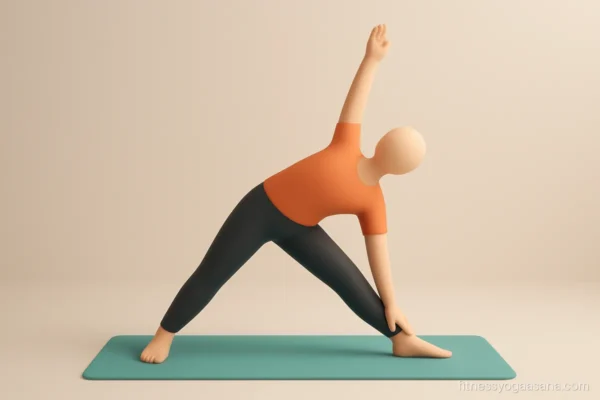
- Level
- Intermediate
- Hold
- 5 breaths
- Works on
- Legs, stamina
A towel over the mat keeps you from slipping as you sweat. Poses are the same as in other classes.
Teacher's cue: Pace yourself; the heat makes everything harder than it feels.

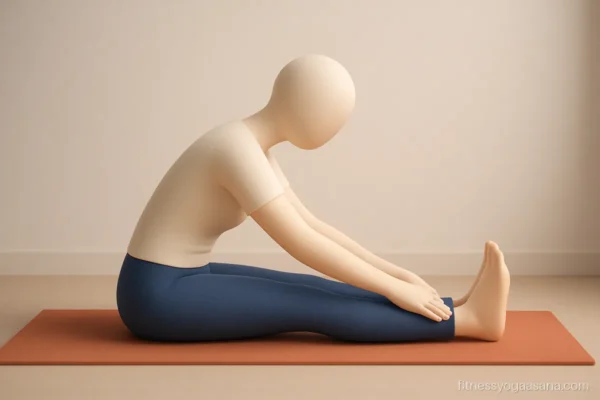
- Level
- All levels
- Hold
- As needed
- Works on
- Hydration
Drink small sips through the class, and leave the room if you feel dizzy or sick.
Teacher's cue: Take small sips early, before thirst arrives.

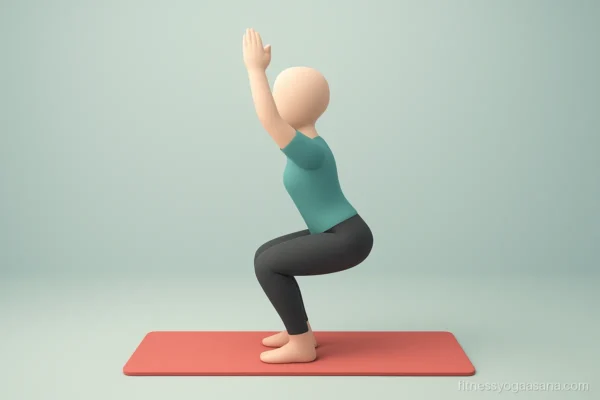
- Level
- Intermediate
- Hold
- 3 breaths each side
- Works on
- Balance, back
Standing balances such as standing bow are common in heated sequences. Hold the wall if you feel faint.
Teacher's cue: Press the lifted foot back into the palm while the supporting leg stays strong.
Hot yoga poses you may meet
- Standing half moon side bend
- Awkward pose, similar to chair pose
- Eagle pose
- Standing bow and other balances
- Triangle pose
- Cobra, locust and bow pose
- Camel pose
- Seated forward bends and a spine twist
These hot yoga poses are standard asanas; it is the heat that changes the experience.
Possible benefits
Studies of heated yoga show improvements in flexibility, balance and some fitness measures, similar to those from yoga at normal temperatures. Many people enjoy the cleansing feeling of sweating and the challenge. However, research has not shown clear extra benefits from the heat itself compared with regular yoga, and the heat adds risk.
Risks of hot yoga
- Dehydration from heavy sweating.
- Heat exhaustion or heat stroke: dizziness, nausea, headache, confusion.
- Overstretching: warm muscles stretch further, but joints and ligaments can be strained.
- Low blood pressure and fainting, especially when standing up quickly.
Who should avoid hot yoga
Avoid heated classes in pregnancy, with heart disease, uncontrolled high or low blood pressure, diabetes with poor control, epilepsy, a history of heat illness, or if you are unwell. Older adults and anyone on medicines that affect sweating or heart rate should ask a doctor first. In India's hot months, ordinary room temperature practice already gives plenty of warmth.
Tips if you try it
- Drink water through the day before class; avoid a heavy meal.
- Bring water, a towel and an electrolyte drink.
- Take it easy in your first few classes; rest whenever you need.
- Leave the room at any sign of dizziness, nausea or headache.
- Do not stretch further than you would in a normal room.
For something calmer, try hatha yoga or browse the different styles.
Wear light, breathable clothing and take a cool shower afterwards rather than an ice cold one.
Practise on an empty stomach, move slowly into each position and stop at any sharp pain. If you have an injury, a health condition or are pregnant, check with a doctor or an experienced teacher first.
Questions people ask
What is hot yoga?
Yoga practised in a heated room, usually 32 to 40 degrees Celsius, which makes classes sweatier and more intense.
Is hot yoga better than normal yoga?
Not clearly. Benefits are similar, and the heat adds risk. Choose it only if you enjoy it and are healthy.
Is hot yoga safe during pregnancy?
No. Overheating is a risk in pregnancy; choose gentle prenatal yoga at normal room temperature instead.
How much water should I drink for hot yoga?
Drink steadily during the day, sip during class and rehydrate afterwards, ideally with some electrolytes.
Does hot yoga help weight loss?
You lose water through sweat, not fat. Energy use is somewhat higher, but diet and regular activity matter more.
Practise next
 Power yogaA fitness focused flowing style, with a home workout
 Vinyasa yogaBreath linked flowing sequences, with a home flow
 Types of yogaThe classic paths, modern styles and families of yoga asanas
 Hatha yogaThe classic body and breath branch of yoga, explained simply
 Yoga for weight lossHonest answers, the best poses and a 4 week weight loss plan
More in styles of yoga
 Ashtanga yogaTwo meanings: Patanjali's path and the vigorous vinyasa series
 Couple yoga posesPartner and group poses for couples, friends and challenges
 Kriya yogaPatanjali's yoga of action and the later breath meditation path
 Kundalini yogaBreath, movement, sound and meditation aimed at inner energy
 Aerial yogaPoses supported by a fabric hammock hung from the ceiling
 Yin yogaLong, passive floor holds, and how restorative yoga differs
 Karma yogaThe yoga of action done well, without clinging to rewards
 Raja yogaThe classical path of concentration and meditation