Power Yoga: A Strong, Flowing Workout
Styles of yoga 3 illustrations Updated 2 Nov 2026
Power yoga is a vigorous, fitness oriented style of flowing yoga. It borrows the breath linked movement of ashtanga vinyasa but drops the fixed series, so teachers build strong sequences with lots of sun salutations, standing poses, core work and holds that make the muscles burn. Classes feel like a workout, which is why power yoga is popular in gyms.
Here is what to expect, the key power yoga poses, a 25 minute session you can do at home, the benefits for strength and fitness, and who should start with a gentler style first.
- Style
- Vigorous flowing vinyasa
- Focus
- Strength, stamina, calorie burn
- Typical class
- 45 to 75 minutes
- Heat
- Sometimes heated; not required
- Best for
- Fit beginners and regular exercisers
- Go slow if
- Wrist, shoulder, heart or BP issues
What is power yoga?
Power yoga developed as a way to bring the athletic side of ashtanga into gyms and studios without its fixed order. Sequences change from class to class but always flow continuously, often with music, and focus on strength and stamina. Breathing is usually ujjayi. There is less emphasis on chanting, philosophy or long relaxation, though good teachers still end with rest.
Power yoga in pictures
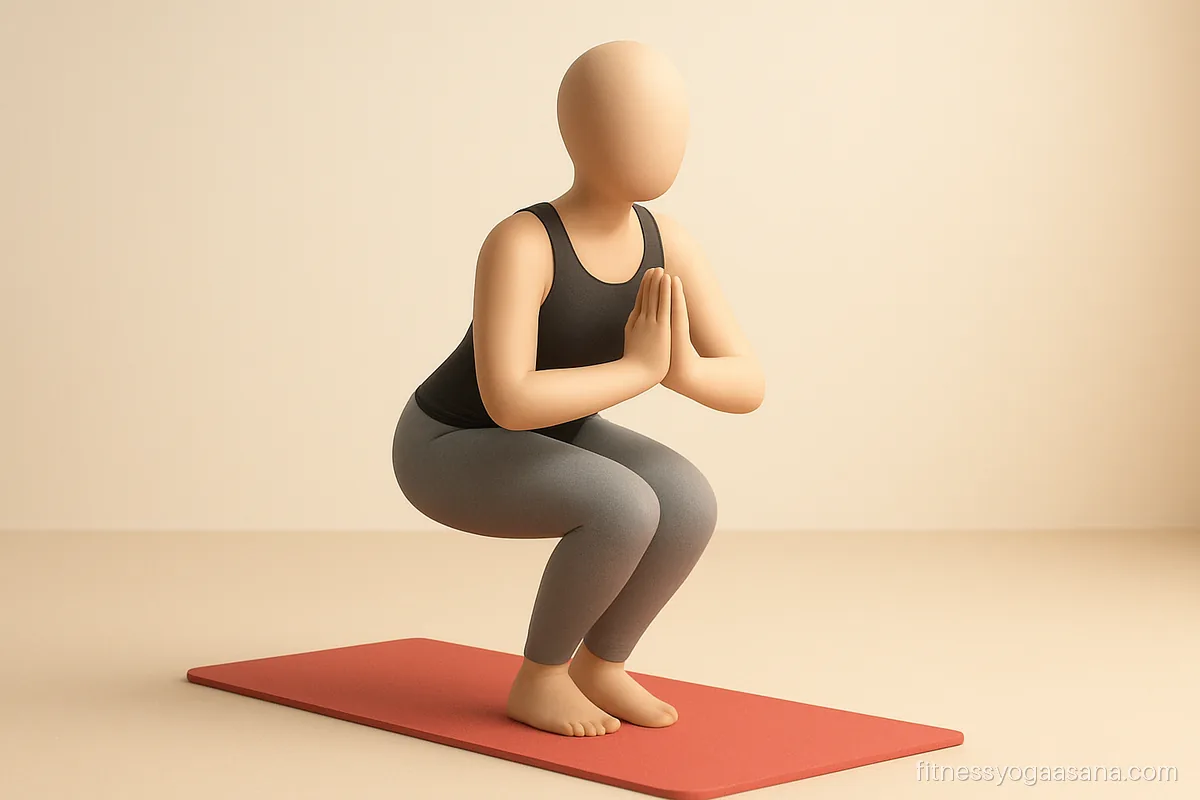
- Level
- Intermediate
- Hold
- 5 breaths each side
- Works on
- Legs, core
Twisted chair combines a deep squat with a twist, a power yoga favourite for legs and core.
Teacher's cue: Keep the knees level as you hook the elbow outside the knee.
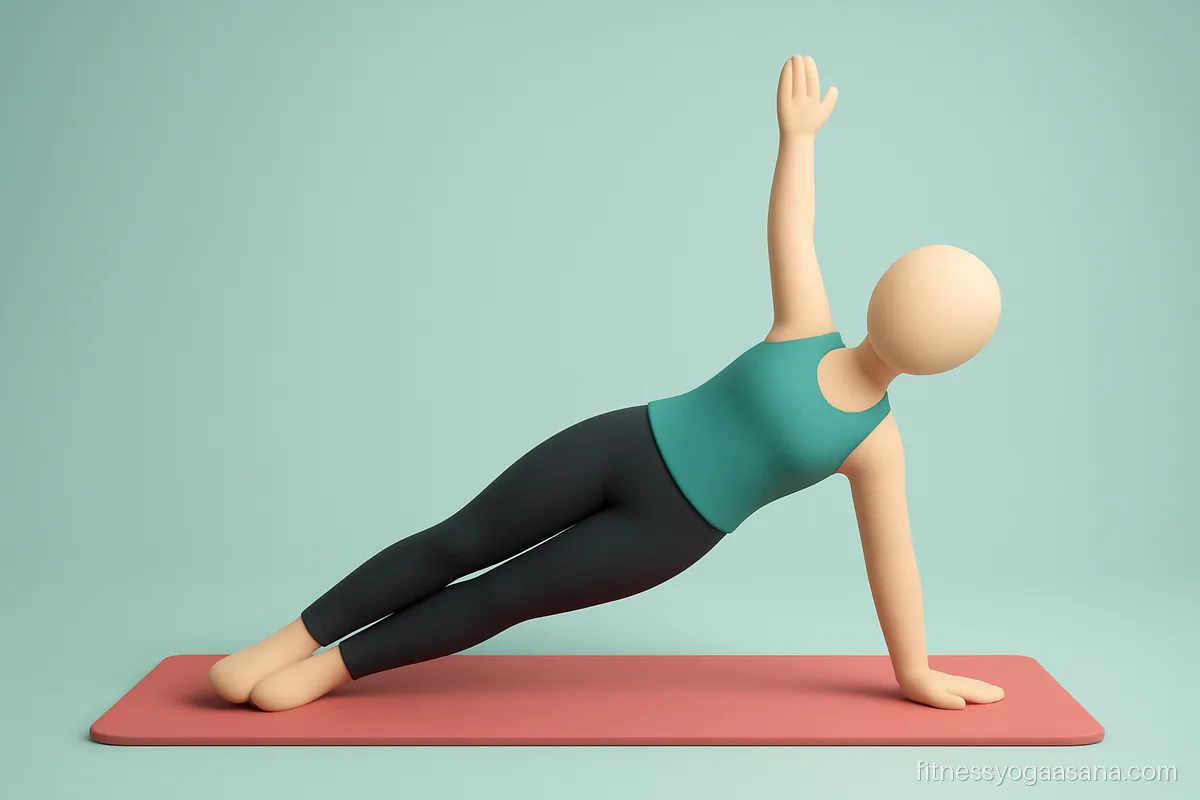
- Level
- Intermediate
- Hold
- 3 to 5 breaths
- Works on
- Shoulders, obliques
Holding side plank trains the shoulders and waist muscles that every fast flow depends on.
Teacher's cue: Press the floor away and lift the bottom hip.

- Level
- Intermediate
- Hold
- 3 to 5 breaths a side
- Works on
- Balance, hamstrings
Warrior three trains balance and the back of the body. Hands on blocks make it easier.
Teacher's cue: Reach the arms and back heel away from each other.
Key power yoga poses
- Repeated rounds of the A and B sun salutations.
- Chair pose and twisted chair.
- Warrior one, two and three.
- Plank, chaturanga and side plank.
- Boat pose and core work.
- Arm balances such as crow for stronger students.
- Back bends such as bridge or wheel.
A 25 minute power yoga workout at home
- Warm up: cat cow and downward dog, 3 minutes.
- Five rounds of sun salutation with a chair pose added, 6 minutes.
- Standing flow on each side: warrior one, warrior two, side angle, warrior three, 6 minutes.
- Core: plank 30 seconds, side plank each side, boat pose three times, 4 minutes.
- Bridge three times and a supine twist, 3 minutes.
- Rest in shavasana, 3 minutes.
Let the breath set the tempo, and drop into balasana whenever it turns ragged.
Power yoga poses for beginners
If you are new, simplify the strongest moves. Put the knees down for the plank and lowering moves, hold chair pose for three breaths instead of ten, and keep a hand on a block in warrior three and half moon. Skip arm balances for the first few months. Rest is part of the practice: a minute in child pose between flows keeps the quality high and protects the joints. Over a few weeks the same sequence will feel noticeably easier, which is the sign to add holds or rounds.
Benefits of power yoga
Power yoga builds muscular strength and endurance, raises the heart rate and can support weight goals as part of a healthy lifestyle. It also trains balance and flexibility. Many people like that it feels like a workout while still teaching breath control. For weight goals, see yoga for weight loss.
Who should start gentler
If you are new to exercise, start with hatha yoga or a beginner vinyasa class for a few weeks to learn alignment. With wrist or shoulder problems, the repeated plank work can aggravate them. Heart patients, people with raised blood pressure or a new injury, and expectant mothers should talk to a doctor and pick softer classes. Compare options on types of yoga.
Practise on an empty stomach, move slowly into each position and stop at any sharp pain. If you have an injury, a health condition or are pregnant, check with a doctor or an experienced teacher first.
Questions people ask
What is power yoga?
A vigorous, fitness focused style of flowing yoga based on vinyasa, with strong standing poses and core work.
Is power yoga good for weight loss?
It burns more energy than gentle styles and builds muscle, which helps alongside diet.
What is the difference between power yoga and vinyasa?
Power yoga is a more athletic form of vinyasa, with a stronger focus on fitness.
Can beginners do power yoga?
Fit beginners can, in a beginner level class. Others should learn basic poses first.
How often should I do power yoga?
Two to four times a week, balanced with gentler practice or rest days.
Practise next
 Vinyasa yogaBreath linked flowing sequences, with a home flow
 Ashtanga yogaTwo meanings: Patanjali's path and the vigorous vinyasa series
 Yoga for weight lossHonest answers, the best poses and a 4 week weight loss plan
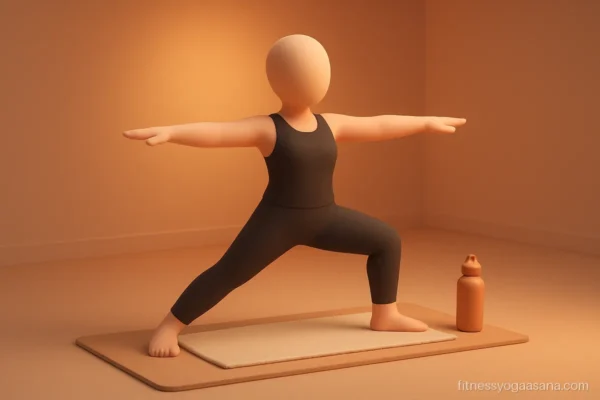 Hot yogaYoga in a heated room: how it works, benefits and risks
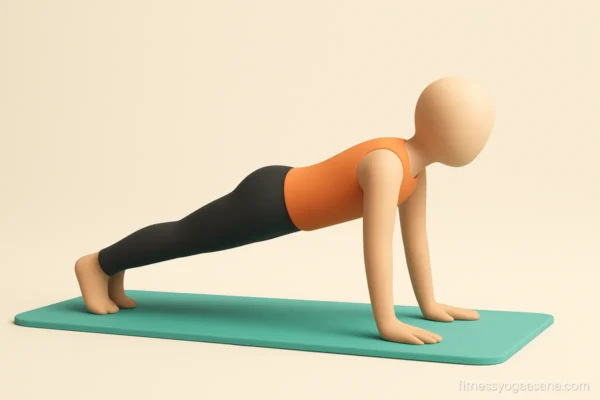 Plank poseThe straight line hold and the low push up of sun salutation
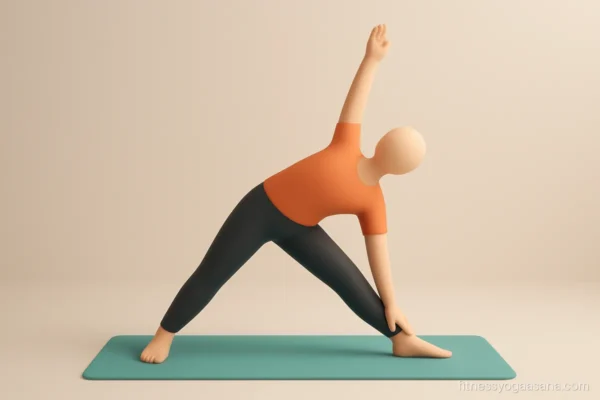 Types of yogaThe classic paths, modern styles and families of yoga asanas
More in styles of yoga
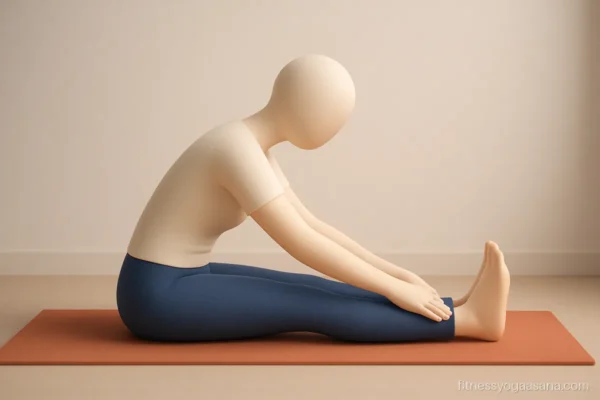 Hatha yogaThe classic body and breath branch of yoga, explained simply
 Couple yoga posesPartner and group poses for couples, friends and challenges
 Kriya yogaPatanjali's yoga of action and the later breath meditation path
 Kundalini yogaBreath, movement, sound and meditation aimed at inner energy
 Aerial yogaPoses supported by a fabric hammock hung from the ceiling
 Yin yogaLong, passive floor holds, and how restorative yoga differs
 Karma yogaThe yoga of action done well, without clinging to rewards
 Raja yogaThe classical path of concentration and meditation