Crow Pose Yoga: Learning Bakasana Step by Step
Yoga poses 4 illustrations Updated 2 Nov 2026
Crow pose yoga, or bakasana, is the arm balance most people learn first. You squat, place the hands on the floor, rest the knees on the backs of the upper arms and lean forward until the feet float. Baka means crane, and some teachers distinguish crane, with straight arms, from crow, with bent arms; in most classes the two names are swapped freely. Bakasana yoga and crow pose yoga point to the same balance.
The pose depends more on technique and courage than on raw strength. This page breaks it into small steps, explains the forward lean that most beginners miss, offers drills to build confidence, and covers how to fall safely and protect the wrists.
- Sanskrit
- Bakasana (baka: crane); kakasana (crow)
- English
- Crow pose, crane pose
- Level
- Intermediate
- Hold
- A few seconds, building to 5 breaths
- Works
- Core, arms, wrists, balance
- Avoid if
- Wrist injury, pregnancy, high BP
How to do crow pose yoga
- Squat with the feet together or slightly apart and the knees wide.
- Place the hands shoulder width apart on the mat, fingers spread.
- Bend the elbows slightly back, like in chaturanga.
- Lift the hips and place the knees high on the backs of the upper arms, close to the armpits.
- Look forward, about a hand's length beyond the fingertips.
- Lean forward until the weight moves into the hands and the toes feel light.
- Lift one foot, then the other. Draw the heels toward the buttocks.
- Hold a few breaths, then lower the feet with control.
Bakasana (crow) in pictures
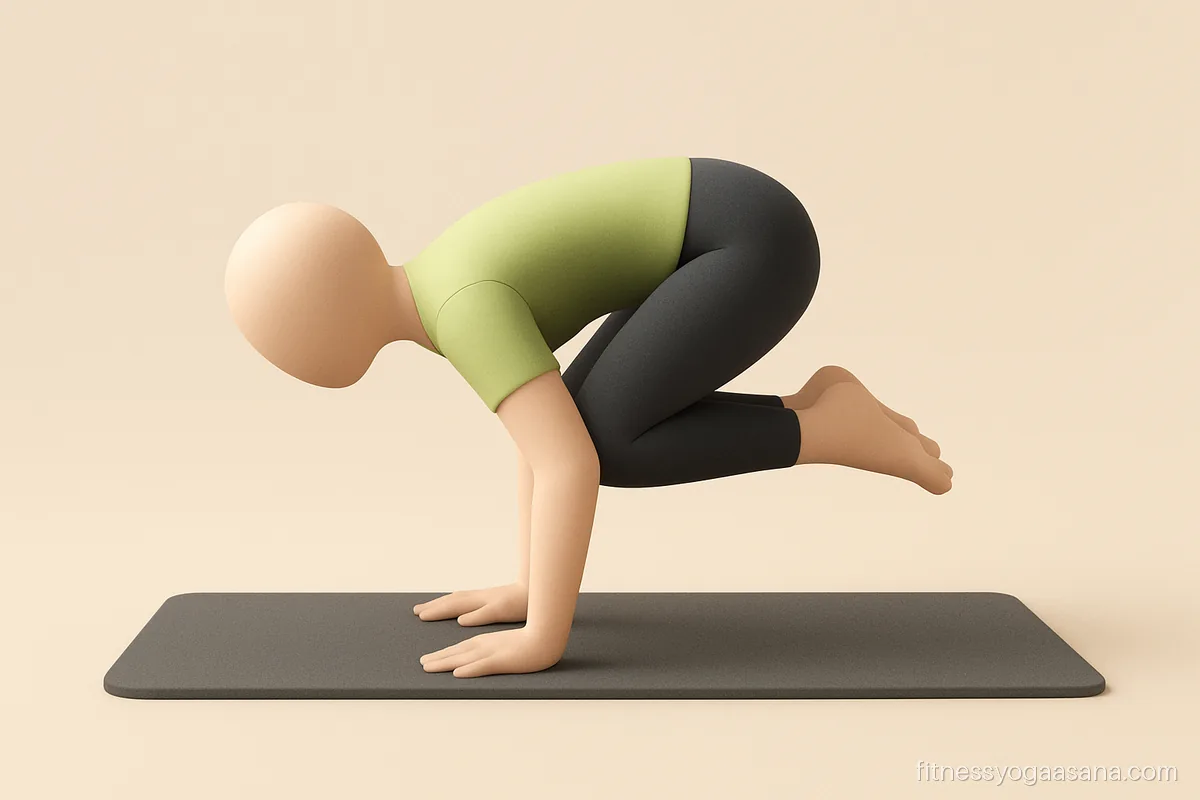
- Level
- Intermediate
- Hold
- 3 to 5 breaths
- Works on
- Core, balance
Knees high on the upper arms, gaze forward, both feet light behind you.
Teacher's cue: Look a little ahead of your fingertips, not down.
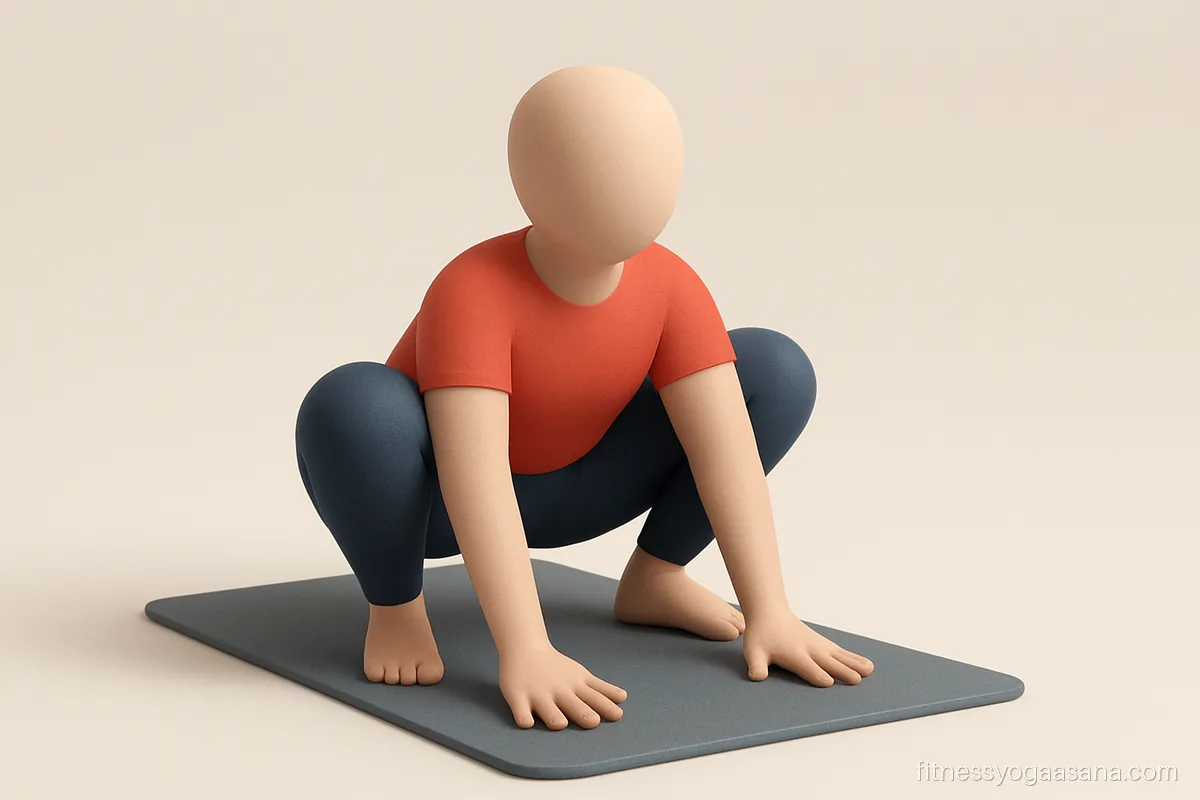
- Level
- Beginner
- Hold
- Setup
- Works on
- Setup
Start in a low squat with the hands shoulder width apart, fingers spread wide.
Teacher's cue: Lift the hips before you lean.
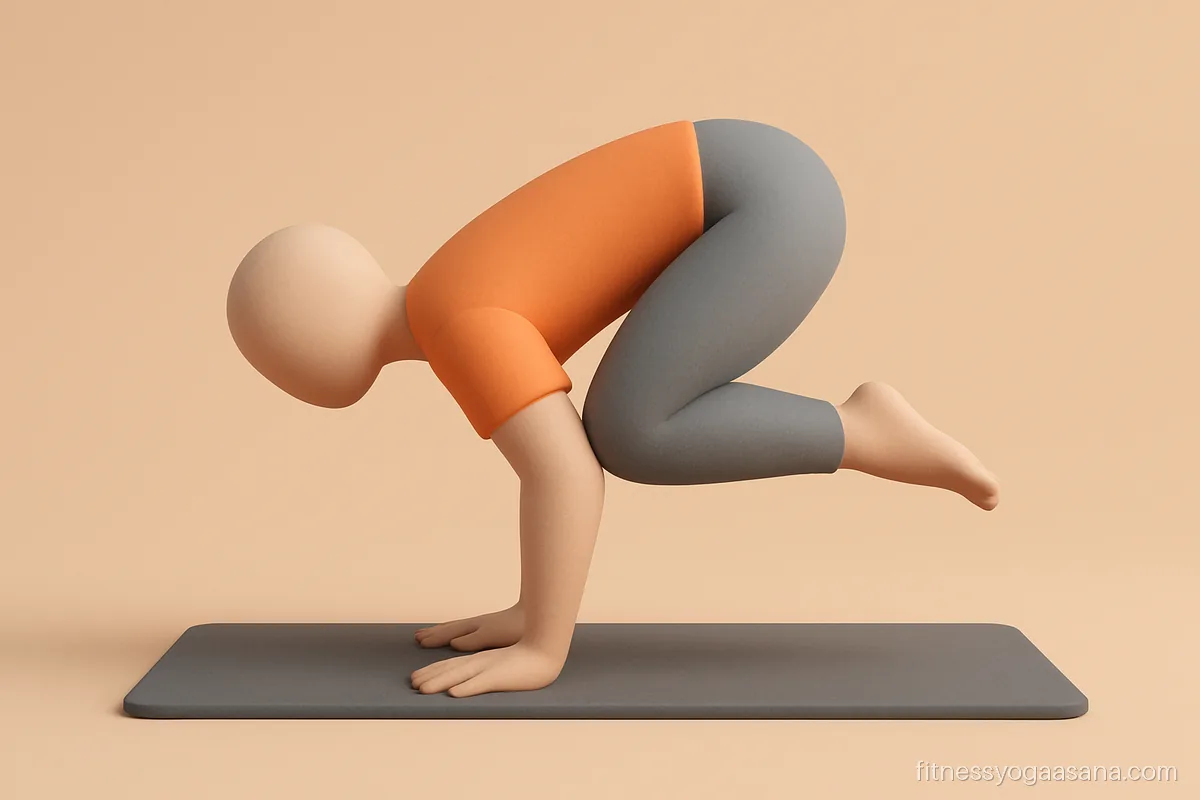
- Level
- Beginner
- Hold
- 3 breaths a side
- Works on
- Finding the lean
Lifting one foot at a time teaches the lean before you commit both feet.
Teacher's cue: Shift the shoulders forward over the fingertips.
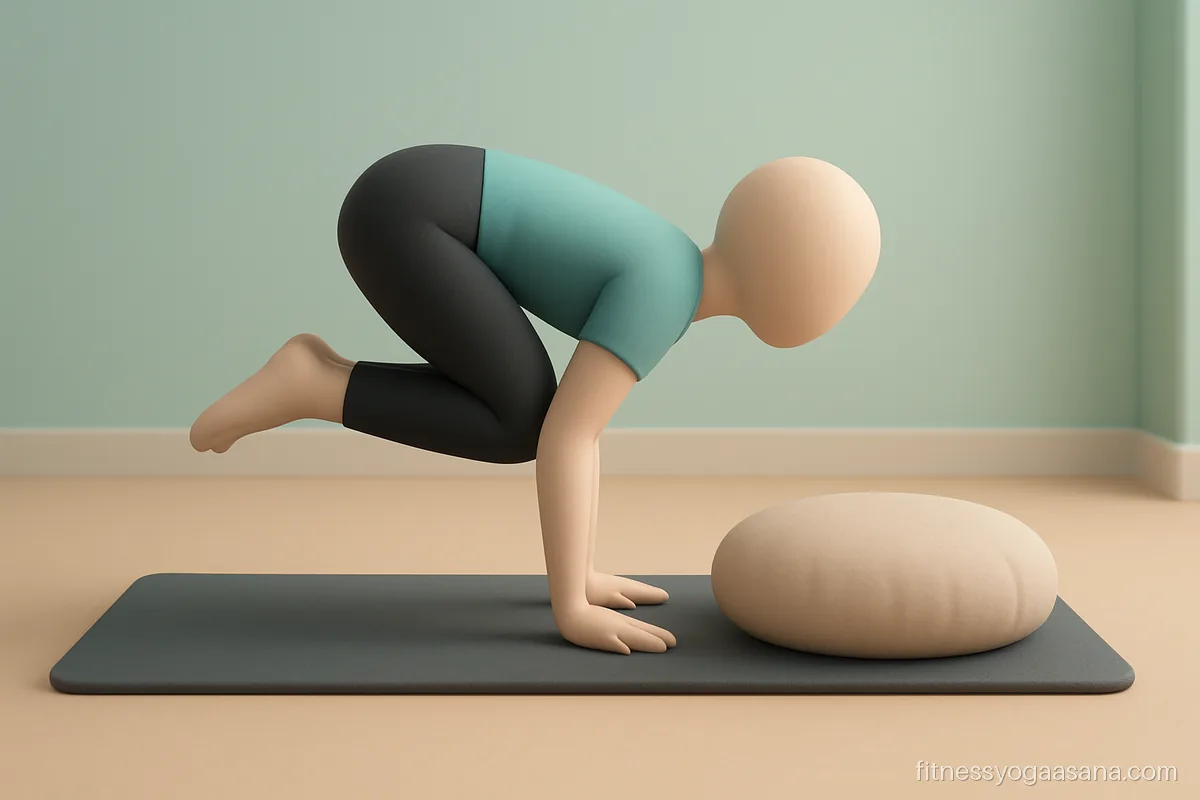
- Level
- All levels
- Hold
- Practice
- Works on
- Confidence
A cushion in front of the face removes the fear of tipping forward.
Teacher's cue: If you fall forward, the cushion catches you; that means you leaned enough.
The lean is the secret
Most beginners do not lean far enough because the face moves closer to the floor and fear kicks in. The shoulders need to travel forward past the wrists so the body weight balances over the hands. Placing a cushion in front of you removes the fear. If you tip onto the cushion, you have found the edge of the balance; ease back slightly and try again.
Drills to build crow
Wrist care
Warm up the wrists before arm balances with circles and gentle stretches. Fan the fingers and grip with the pads too, so the wrist heel is not doing all the work. If the wrists hurt, practise for shorter periods, use a wedge under the heels of the hands, or work on the core drills without the balance for a while.
Who should skip it
Avoid crow pose with wrist or shoulder injuries, carpal tunnel syndrome, high blood pressure, in pregnancy, or after recent abdominal surgery. Anyone with glaucoma should avoid letting the head drop low. Stop if you feel sharp pain anywhere.
What crow pose builds
Crow strengthens the wrists, forearms, shoulders and deep core, and trains balance, focus and confidence. Many people describe the first time the feet lift as a highlight of their practice. It also prepares you for other arm balances in advanced yoga poses and flows such as vinyasa.
Practise on an empty stomach, move slowly into each position and stop at any sharp pain. If you have an injury, a health condition or are pregnant, check with a doctor or an experienced teacher first.
Questions people ask
What is bakasana in English?
Crane pose, commonly called crow pose.
Why can I not lift my feet in crow pose?
Usually you are not leaning forward enough. Place a cushion in front and shift the shoulders past the wrists.
Is crow pose hard?
It feels hard at first but depends more on technique than strength. Many people learn it within weeks of practice.
How long should I hold crow pose?
A few seconds at first, building to five breaths.
What is the difference between crow and crane?
Some teachers call the bent arm version crow and the straight arm version crane.
Practise next
 Advanced yoga posesArm balances, inversions and deep bends, with prep poses
 Malasana (garland)Garland pose: a deep squat with palms together at the chest
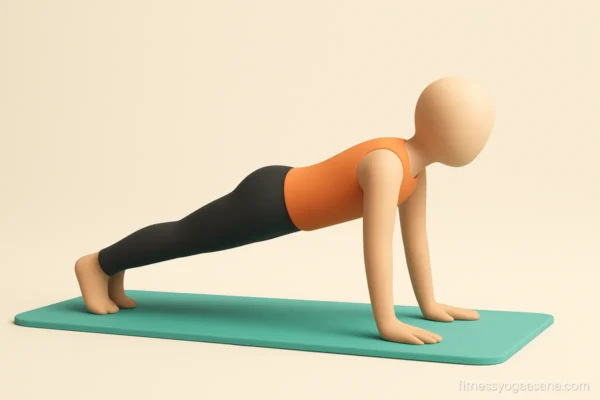 Plank poseThe straight line hold and the low push up of sun salutation
 Vinyasa yogaBreath linked flowing sequences, with a home flow
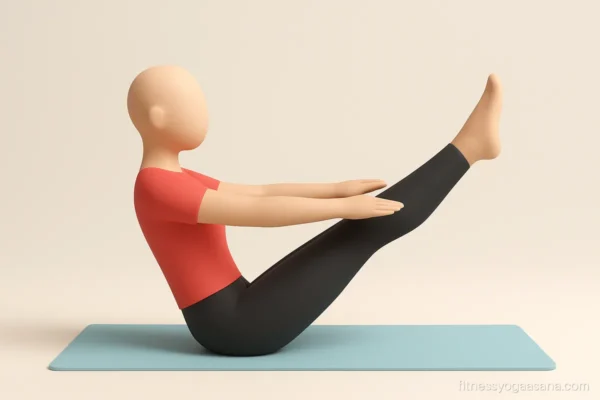 Naukasana (boat)Boat pose: balance on the sit bones with legs and chest lifted
 Power yogaA fitness focused flowing style, with a home workout
More in yoga poses
 Yoga asanas namesSanskrit and English names of common yoga poses, with pictures
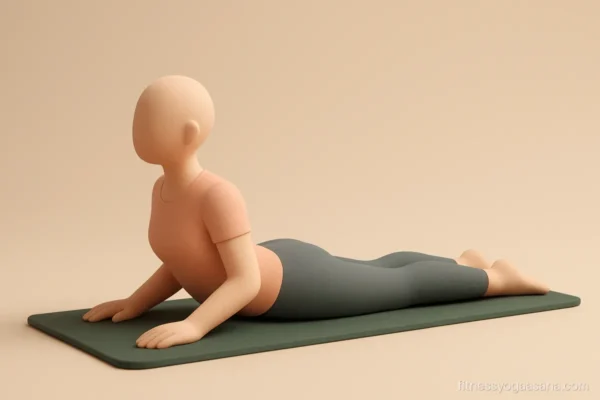 Bhujangasana (cobra)Cobra pose: a gentle back bend lying on the belly
 Standing yoga posesThe main standing asanas with names, pictures and a sequence
 Cat cow poseA flowing spine warm up on hands and knees, linked to the breath
 Balasana (child)Child pose: a kneeling forward rest for the back and mind
 Sitting yoga posesSeated asanas for breathing, flexibility and calm, with names
 Butterfly poseSoles together, knees wide: a seated hip opener
 Tadasana (mountain)Mountain pose: the standing base for every other asana