Malasana: How to Do the Yogi Squat Comfortably
Yoga poses 4 illustrations Updated 2 Nov 2026
Malasana is a deep squat with the feet a little wider than the hips, the heels down if possible, the knees open and the palms joined at the chest with the elbows pressing the inner knees. Mala means garland, and in English it is called garland pose or yogi squat. Squatting like this was part of daily life in India for generations, and many people who sit on chairs all day have lost the ease of it.
This page explains the steps, how to support lifted heels, alignment for the knees and back, the benefits for hips, ankles and digestion, and who should adapt it.
- Sanskrit
- Malasana (mala: garland)
- English
- Garland pose, yogi squat
- Level
- Beginner
- Hold
- 5 to 10 breaths, building to 1 minute
- Props
- Rolled blanket under heels, block under seat
- Adapt if
- Knee pain, ankle stiffness
How to do malasana step by step
- Stand with feet a little wider than hip width, toes turned out slightly.
- Bend the knees and lower the hips toward the floor.
- Let the heels stay down, or support them with a rolled blanket.
- Join the hands in prayer at heart level.
- Press the elbows gently into the inner knees and the knees back into the elbows.
- Lengthen the spine and keep the chest lifted.
- Breathe for 5 to 10 breaths, then place the hands down and rise slowly.
Malasana (garland) in pictures

- Level
- Beginner
- Hold
- 5 to 10 breaths
- Works on
- Hips, ankles
The classic yogi squat: heels down, knees wide, palms together and elbows gently pressing the knees open.
Teacher's cue: Lengthen the spine upward as the hips sink downward.

- Level
- All levels
- Hold
- 5 to 10 breaths
- Works on
- Ankle support
If the heels lift, slide a rolled blanket under them. The squat then becomes stable and comfortable.
Teacher's cue: Press the heels down into the blanket.

- Level
- All levels
- Hold
- 1 to 2 minutes
- Works on
- Hips, rest
Sitting on a block takes weight off the knees and lets you stay longer.
Teacher's cue: Let the block carry your weight; relax the legs.

- Level
- Intermediate
- Hold
- 5 breaths
- Works on
- Back, hips
A deeper variation folds the chest forward between the knees with the arms wrapping back around the shins.
Teacher's cue: Fold just to the point where the heels still hold the floor.
Malasana yoga names
Malasana yoga and malasana yoga pose are the common labels; malasana yoga squat pose and garland pose yoga are used in English classes. Squatting with the heels down is also called the Asian squat or deep squat.
Alignment for knees and back
- Knees point in the same direction as the toes; never let them collapse inward.
- Weight spreads over the whole foot, not just the toes.
- The spine stays long; a rounded back means the hips need more height.
- If the knees ache, raise the seat on a block.
Building up to a comfortable squat
If a deep squat feels impossible, practise in stages. Week one: squat holding the edge of a sturdy table or door frame for support. Week two: add a blanket roll beneath the heels. Week three: add a block under the seat and hold for longer. Many people who could not squat at all find it comfortable within a month of daily practice. A minute in the squat while brushing teeth or waiting for the kettle is an easy way to fit it into daily life.
Benefits of malasana
- Opens the hips and groin.
- Stretches the ankles, calves and lower back.
- Builds comfort with squatting, useful for daily life and for older age.
- Many people find it helps constipation, since it mirrors the natural toilet posture.
- Often included in pregnancy yoga in a supported form, with a doctor's approval.
Who should adapt it
With knee injuries or knee pain, sit on a block or skip the deep squat. With ankle stiffness, use heel support. In late pregnancy, squat only with support and your doctor's agreement, and avoid it if there is any risk of early labour. Rise slowly if you feel lightheaded. Pair it with butterfly and pigeon for a hip opening session.
Practise on an empty stomach, move slowly into each position and stop at any sharp pain. If you have an injury, a health condition or are pregnant, check with a doctor or an experienced teacher first.
Questions people ask
What is malasana in English?
Garland pose, also called yogi squat.
Why can't I keep my heels down in malasana?
Tight ankles and calves are common. Support the heels with a rolled blanket and practise regularly.
Is malasana good for constipation?
Many people find squatting helps bowel movements, since it relaxes the pelvic floor.
How long should I hold malasana?
Start with 5 to 10 breaths and build toward one minute or more.
Is malasana safe for bad knees?
Use a block under the seat or skip the deep squat if it hurts.
Practise next
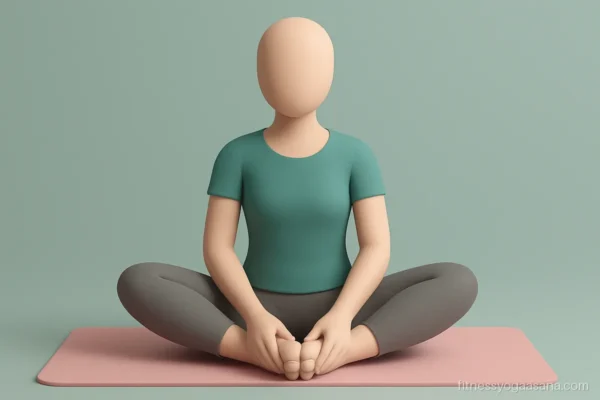 Butterfly poseSoles together, knees wide: a seated hip opener
 Yoga for constipationPoses, a morning routine and habits for regular bowels
 Yoga for pregnancySafe prenatal poses by trimester, breathing and postnatal care
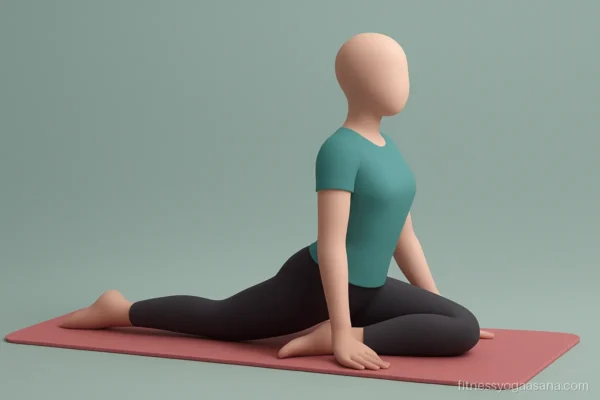 Pigeon poseA deep outer hip stretch with props and knee friendly options
 Utkatasana (chair)An invisible chair: a strong squat with arms raised
 Standing yoga posesThe main standing asanas with names, pictures and a sequence
More in yoga poses
 Yoga asanas namesSanskrit and English names of common yoga poses, with pictures
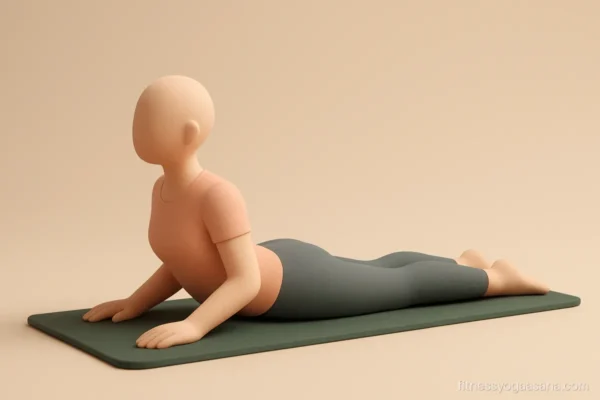 Bhujangasana (cobra)Cobra pose: a gentle back bend lying on the belly
 Cat cow poseA flowing spine warm up on hands and knees, linked to the breath
 Balasana (child)Child pose: a kneeling forward rest for the back and mind
 Sitting yoga posesSeated asanas for breathing, flexibility and calm, with names
 Tadasana (mountain)Mountain pose: the standing base for every other asana
 Vrikshasana (tree)Tree pose: a one leg balance for focus and steadiness
 Advanced yoga posesArm balances, inversions and deep bends, with prep poses