Yoga Therapy and Yoga for Health
Yoga for health 6 illustrations Updated 2 Nov 2026
Yoga therapy is the use of yoga practices, adapted to one person's health needs, to support recovery and wellbeing alongside medical care. Where a group class follows one plan for everyone, therapeutic yoga starts with an assessment and then chooses poses, breathing and relaxation that suit that body and condition.
This hub explains what yoga therapy can and cannot do, how to use our health guides safely, and gives brief notes on conditions that do not yet have their own page. Every guide on this site is general information: please discuss any new practice with your doctor.
- What it is
- Yoga adapted to an individual's health needs
- Works with
- Medical care, never instead of it
- Common uses
- Back pain, stress, sleep, breathing, mobility
- Main tools
- Gentle asanas, breathing, relaxation
- Who guides it
- Trained yoga therapist with your doctor
- Guides here
- 31 condition and goal pages
What yoga therapy is, and what it is not
A yoga therapist takes a history, looks at posture and breathing, and then builds a short home practice, often 15 to 30 minutes, that the person can repeat daily. Progress is reviewed and the plan changes as needed. The aim is better function and comfort, not a perfect pose.
Yoga therapy is not a replacement for diagnosis, medicine, surgery or physiotherapy. A good therapist works with your doctor and refers you back if new symptoms appear. On this site we keep to that line: every health page says when to see a doctor.
Yoga therapy in pictures
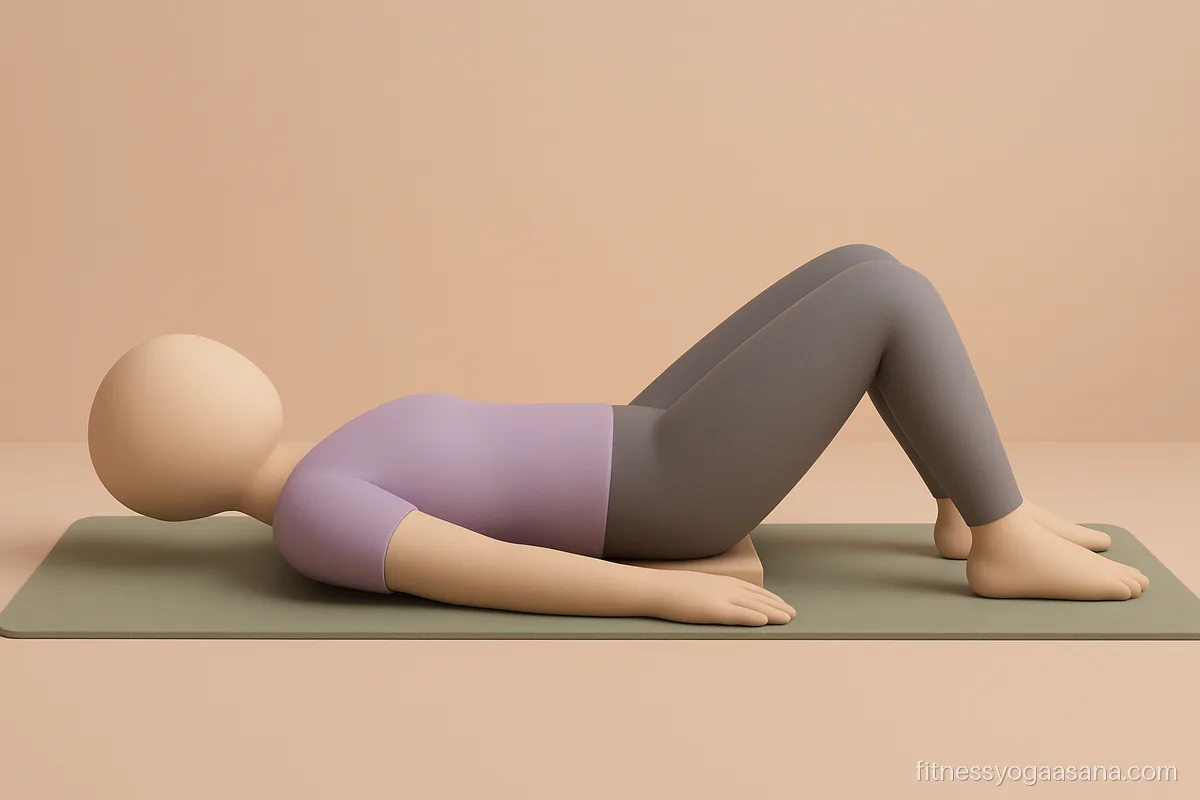
- Level
- Beginner
- Hold
- 1 to 2 minutes
- Works on
- Lower back, hips
Props make poses restful. A block under the pelvis turns bridge pose into a gentle opening that suits sore backs and tired legs.
Teacher's cue: Rest your weight on the block and let the belly soften.
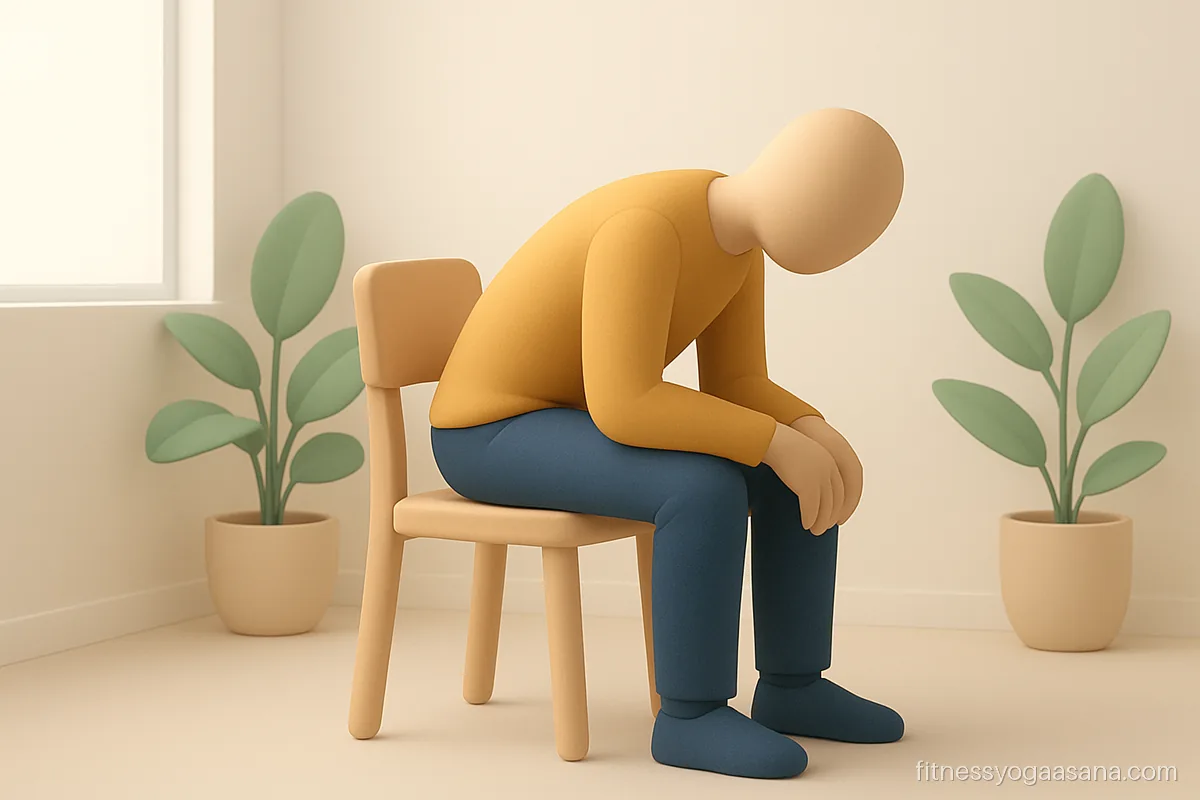
- Level
- All levels
- Hold
- 5 breaths
- Works on
- Back, relaxation
Chair based poses help people who cannot get to the floor. Folding over the thighs releases the back without strain.
Teacher's cue: Let your head be heavy and breathe into your back ribs.
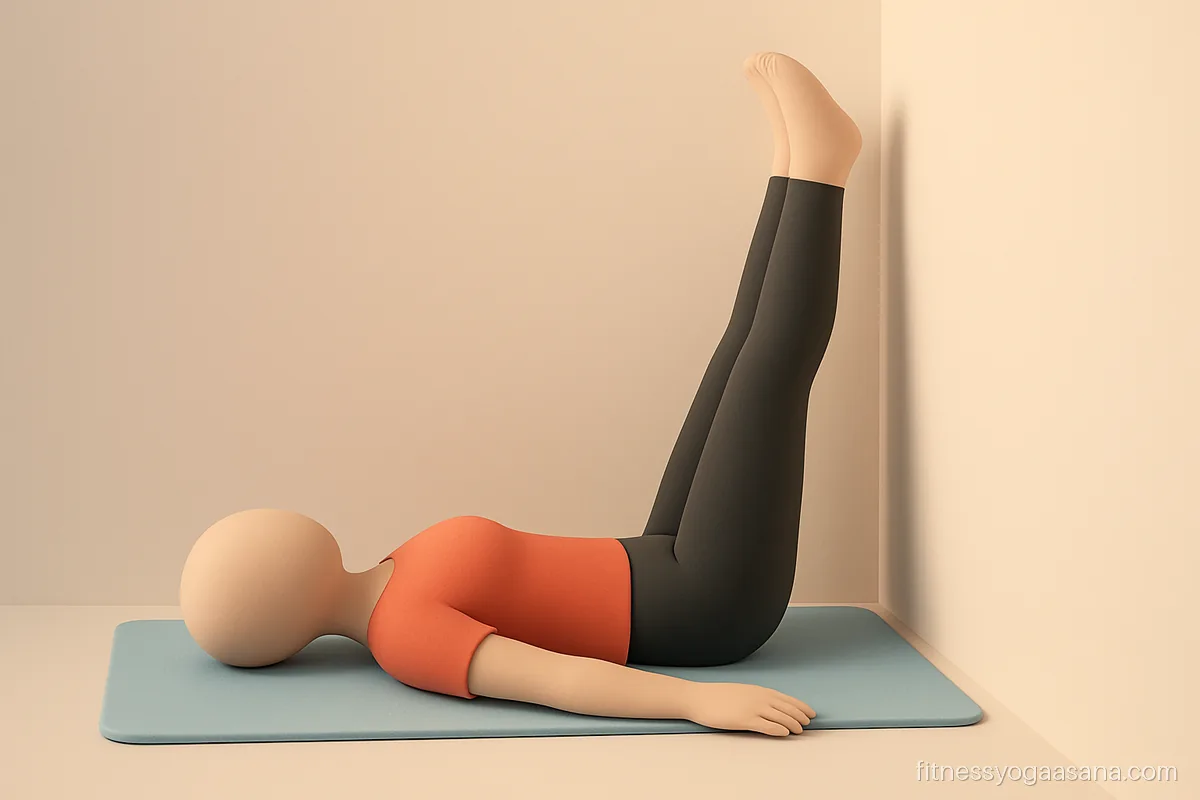
- Level
- All levels
- Hold
- 3 to 5 minutes
- Works on
- Legs, calm
Raising the legs against a wall is a common suggestion for tired, heavy legs after standing all day.
Teacher's cue: Shift the hips a little away from the wall if the hamstrings pull.
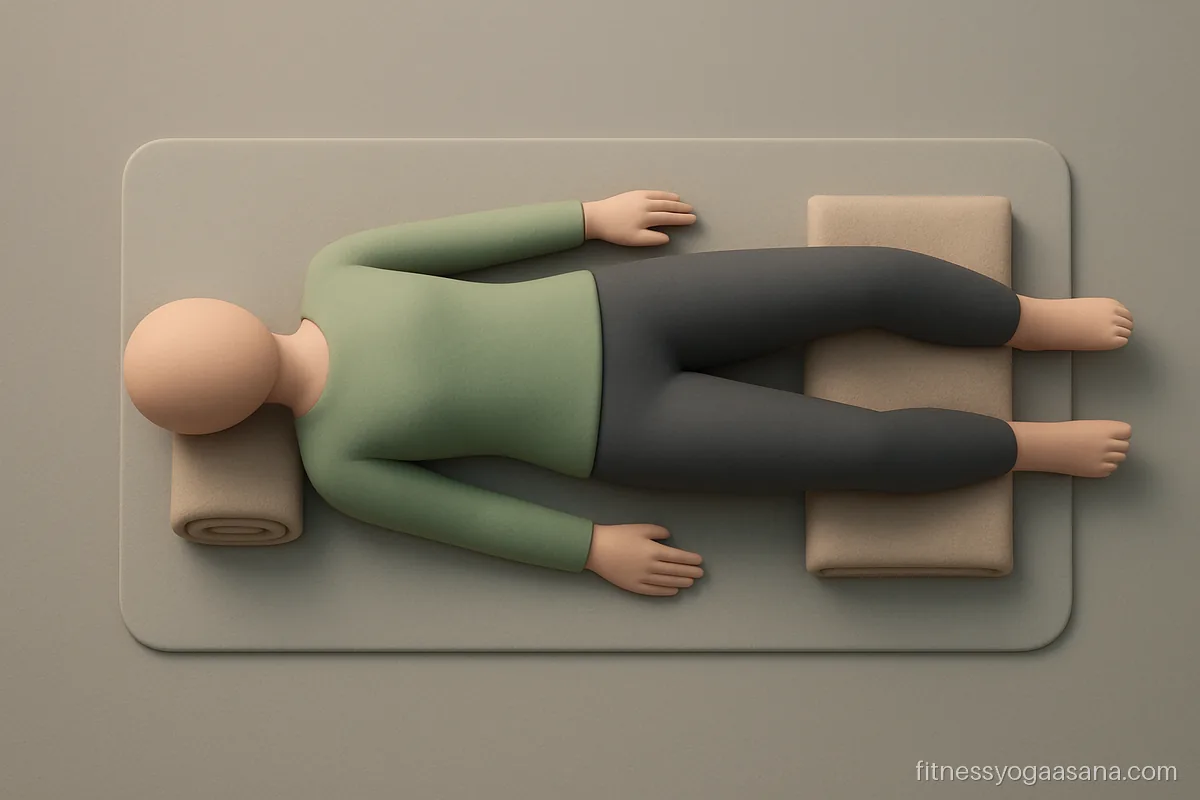
- Level
- All levels
- Hold
- 10 minutes
- Works on
- Nervous system
Deep relaxation is a core tool in therapeutic yoga. A rolled blanket under the knees takes pressure off the lower back.
Teacher's cue: Scan from toes to head, letting each part grow heavy.
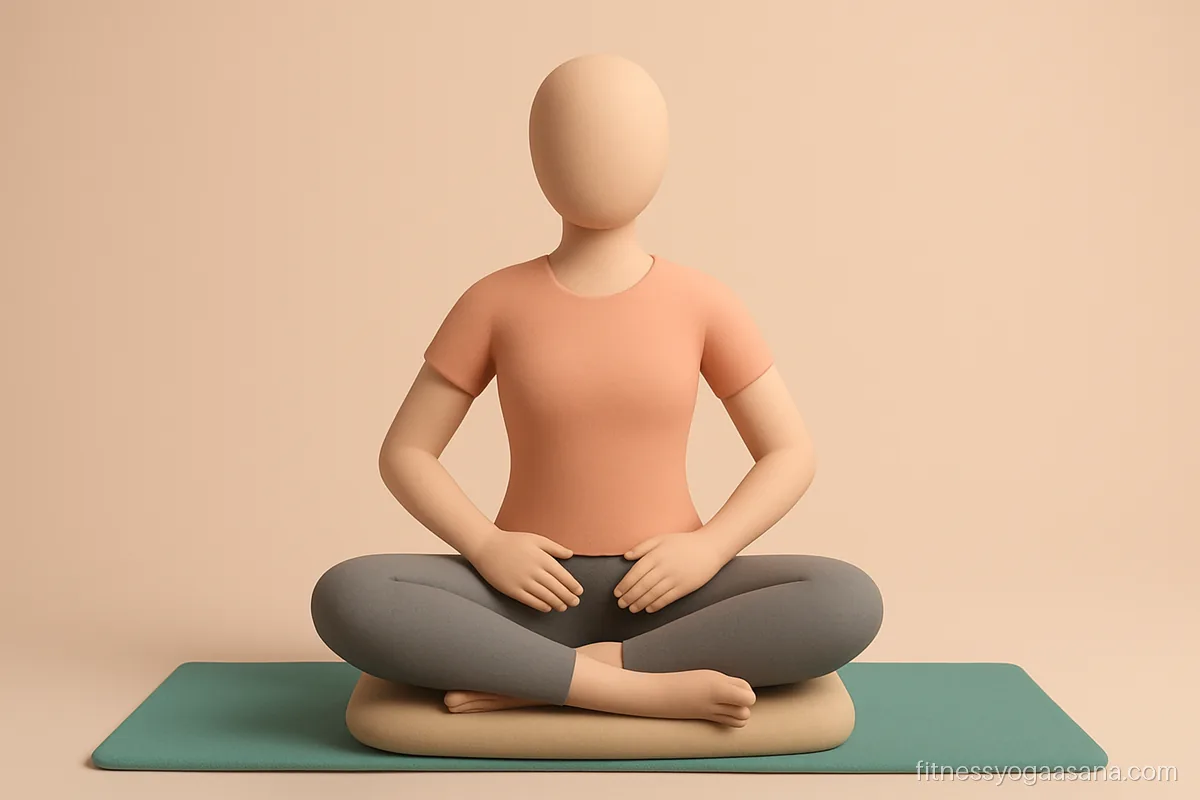
- Level
- All levels
- Hold
- 10 slow breaths
- Works on
- Breathing
Breathing work helps many conditions, from stress to stiff ribs. Hands on the side ribs show whether the breath reaches the lower lungs.
Teacher's cue: Breathe in so your hands move outward, then let them sink in.
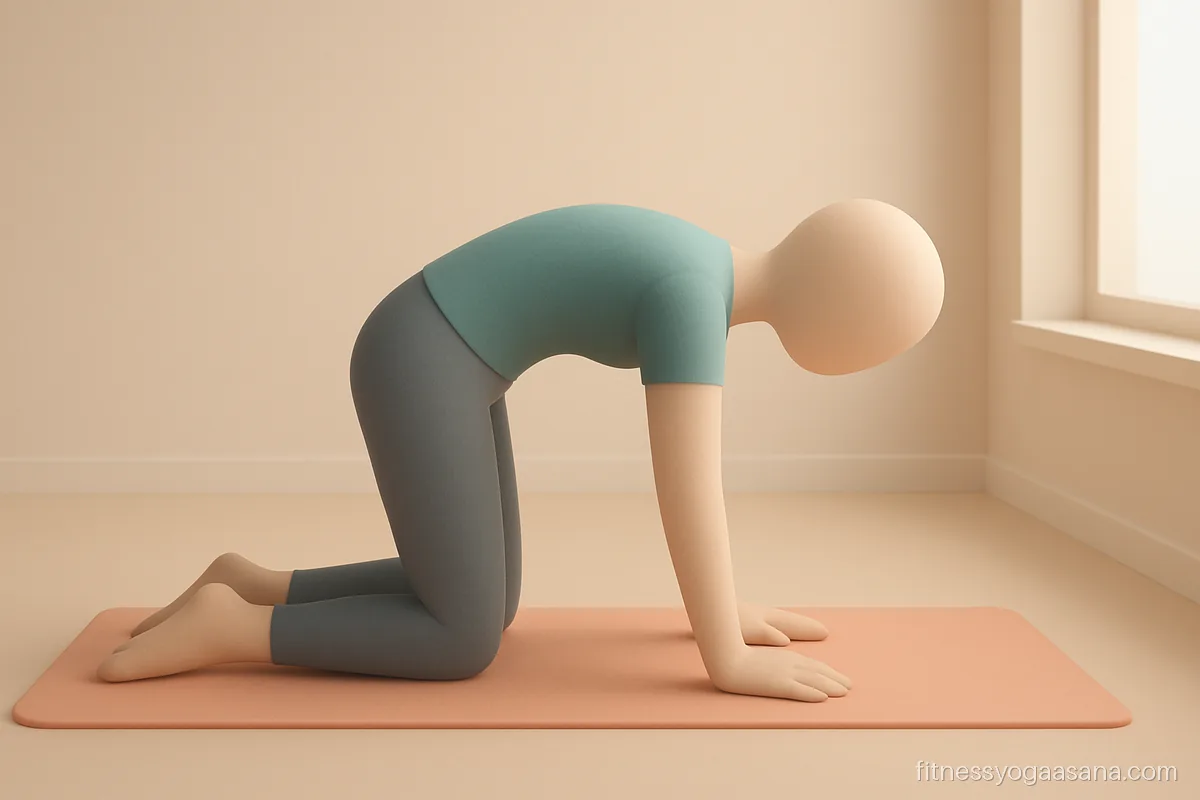
- Level
- Beginner
- Hold
- 6 to 8 rounds
- Works on
- Spine
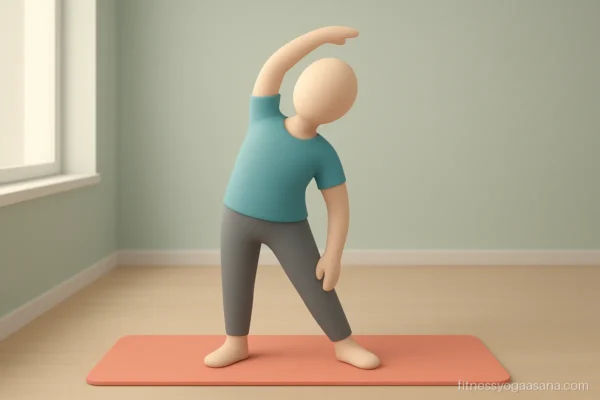
Slow spinal movement is often the first step in therapy for stiff backs and necks.
Teacher's cue: Move one vertebra at a time and keep the range comfortable.
What research says about yoga and health
Yoga has been studied in hundreds of trials. The evidence is strongest for chronic low back pain, stress and anxiety symptoms, sleep quality and general fitness in healthy adults. There is promising but mixed evidence for blood pressure, blood sugar control and some breathing conditions. For many other claims, research is small or missing. Health benefits of yoga are real, but they build slowly over weeks of regular practice.
Yoga for health: our condition guides
Back, joints and posture: back pain, neck pain and cervical, knee pain, healthy ageing.
Weight and metabolism: weight loss, belly fat, weight gain, diabetes, thyroid, fatty liver.
Digestion: constipation, gas and acidity, piles.
Women's health: PCOS, periods, pregnancy, fertility, yoga for women.
Heart, breath and mind: high blood pressure, heart health, asthma, stress, sleep, migraine.
Appearance and growth: face yoga, glowing skin, hair growth, eyes, height, super brain yoga and yoga for kids.
Short notes on other conditions
These come up often in searches. Each needs a doctor's advice first; yoga can only be a supporting habit.
- Yoga for varicose veins: legs up the wall, ankle circles and walking help blood return from the legs. Avoid long static standing holds. Talk to your doctor about compression and treatment.
- Yoga for hernia: avoid poses that raise pressure in the belly, such as boat pose, kapalbhati and deep back bends. Gentle breathing and relaxation are usually safer; ask your surgeon.
- Yoga for prostate comfort: gentle hip openers and pelvic floor awareness are sometimes suggested. Any urinary symptoms need a doctor's check first.
- Yoga for leg pain: calf and hamstring stretches can ease tightness, but sudden, swollen or night pain needs medical review.
- Yoga for the nervous system: slow breathing, yoga nidra and restorative poses are used to calm the stress response.
- Yoga for endometriosis: gentle restorative poses and breathing may help with pain coping; work with your gynaecologist.
- Yoga for tinnitus: relaxation may reduce the distress it causes, though not the sound itself.
- Kidney mudra: a name used online for various hand gestures; there is no evidence that any mudra treats kidney disease.
How to use a yoga therapy approach at home
- Get a diagnosis and ask your doctor if exercise is safe.
- Choose 4 to 6 gentle practices from the relevant guide.
- Practise for 15 to 20 minutes daily for at least four weeks.
- Keep a simple diary of pain, sleep or energy from 0 to 10.
- Stop any practice that makes symptoms worse and tell your doctor.
- If you can, have a few sessions with a qualified yoga therapist.
Yoga for fitness and a healthier life
Even without a specific condition, yoga for fitness and yoga for life go together. A balanced week might include three sessions of 30 minutes with surya namaskar, standing poses and core work, two short pranayama sessions and daily walking. That combination covers strength, flexibility, balance and relaxation.
Red flags: when to stop and see a doctor
- Chest pain, pressure or a racing heart
- Sudden severe headache or vision changes
- Numbness, tingling or weakness spreading down an arm or leg
- Pain that is sharp, worsening or keeps you awake at night
- Dizziness or fainting during breathing practices
Every yoga for health guide on this site
| Guide | What it covers |
|---|---|
| Yoga for kids | Easy, playful poses and breathing games for children |
| Yoga for weight loss | Honest answers, the best poses and a 4 week weight loss plan |
| Yoga for back pain | Gentle poses and a daily routine for lower back pain and sciatica |
| Face yoga | Facial exercises for cheeks, jaw and tension, with honest results |
| Gas and acidity | Gentle poses for trapped gas, acidity and a heavy stomach |
| Yoga for belly fat | Core poses, a daily plan and honest advice on waist fat |
| Yoga for periods | Gentle poses for cramps, irregular cycles and period days |
| Yoga for pregnancy | Safe prenatal poses by trimester, breathing and postnatal care |
| Yoga for pcos | Poses, breathing and a weekly plan to support PCOS care |
| Yoga for stress | Calming poses, breathing and a short routine for stressful days |
| Yoga for high blood pressure | Safe poses, slow breathing and what to avoid with high BP |
| Yoga for hair growth | Poses, balayam and stress care for healthier hair, honestly |
| Yoga for diabetes | Poses, a weekly plan and safety rules for people with diabetes |
| Yoga for migraine | Gentle poses and breathing between migraine attacks |
| Super brain yoga | The ear holding squat, its claims, and yoga for concentration |
| Yoga for heart | Gentle routines for heart and cholesterol, with safety rules |
| Yoga for height | Posture poses that help you stand tall, and the growth facts |
| Yoga for eyes | Eye exercises and palming for screen strain, with honest limits |
| Yoga for constipation | Poses, a morning routine and habits for regular bowels |
| Yoga for thyroid | A gentle routine and the facts about yoga and thyroid health |
| Yoga for sleep | Calming bedtime poses and breathing, many done in bed |
| Yoga for women | Routines for women from teens to menopause and beyond |
| Yoga for neck pain | Gentle neck and shoulder routine, with poses to avoid |
| Yoga for knee pain | Knee friendly strength and mobility, with poses to adapt |
| Yoga for weight gain | Strength poses, a weekly plan and food habits for healthy gain |
| Yoga for fatty liver | Activity, gentle twists and habits that help a fatty liver |
| Yoga for piles | Gentle poses, toilet posture and fibre habits for piles |
| Yoga for asthma | Calm breathing, chest openers and safety for asthma |
| Yoga for glowing skin | Sleep, calm and circulation habits that support healthy skin |
| Yoga for seniors | Balance, strength and mobility for older adults |
| Fertility yoga | Gentle practice for stress and wellbeing while trying to conceive |
This page is general information, not medical advice. If you have a diagnosed condition, are pregnant, recently had surgery or take regular medicine, ask your doctor which practices suit you, and stop at any sharp pain, dizziness or chest discomfort.
Questions people ask
What is the difference between yoga and yoga therapy?
A yoga class follows one plan for a group. Yoga therapy adapts practices to one person's health needs after an assessment, and works alongside medical care.
Can yoga heal a disease on its own?
No practice should be described that way. Yoga may help manage symptoms, stress and fitness, but it does not replace medical treatment.
Is yoga therapy safe?
When practices are chosen for the person and progressed slowly, it is generally safe. Inversions, deep back bends and forceful breathing carry the most risk for people with health conditions.
How long does yoga therapy take to help?
Most studies look at 8 to 12 weeks of regular practice. Some people feel calmer or less stiff within days, but lasting changes take consistency.
Who can provide yoga therapy?
Look for a teacher with specific yoga therapy training and experience with your condition, who is willing to work with your doctor.
Practise next
 Yoga for back painGentle poses and a daily routine for lower back pain and sciatica
 Yoga for stressCalming poses, breathing and a short routine for stressful days
 Yoga for high blood pressureSafe poses, slow breathing and what to avoid with high BP
 Yoga for seniorsBalance, strength and mobility for older adults
 Benefits of yogaWhat regular yoga practice may do for body and mind, and how soon
 Chair yogaSeated stretches for the office, home and older bodies