Yoga for Piles: Easing Strain the Gentle Way
Yoga for health 4 illustrations Updated 2 Nov 2026
Yoga for piles helps mostly by tackling the reason piles flare up: straining on the toilet because of hard stools, long sitting and low activity. Piles, or hemorrhoids, are swollen veins in and around the back passage; fissures are small tears in the lining. Both get worse with constipation and pressure. Gentle movement, relaxed breathing and a supported squatting posture can soften stools, improve bowel rhythm and reduce the urge to push hard.
Below you will find a calm piles yoga routine, a pelvic floor exercise, the food and toilet habits that matter most, the poses and breath practices to leave out during a flare, and the red flags that mean you should book a medical check without delay. Hindi readers searching piles ke liye yoga will find the same advice here.
- Main trigger
- Constipation and straining
- Yoga's role
- Regular bowels, less pressure, calm
- Helpful poses
- Malasana with support, child, legs up
- Avoid in a flare
- Kapalbhati, strong inversions, breath holds
- Habits
- Fibre, water, footstool on the toilet
- See a doctor
- Bleeding, black stools, severe pain
How yoga for piles helps
The veins around the anal canal swell when pressure inside the abdomen rises again and again, mainly from pushing hard stools. Anything that keeps stools soft and regular takes pressure off. Daily movement speeds the passage of food through the gut, deep relaxed breathing lowers tension in the pelvic floor, and a squatting posture lines up the rectum so less effort is needed. Yoga will not shrink large or prolapsed piles, which may need medical treatment, but it supports the habits that prevent new flares.
Yoga for piles in pictures
- Level
- Beginner
- Hold
- 1 to 2 minutes
- Works on
- Pelvic floor release
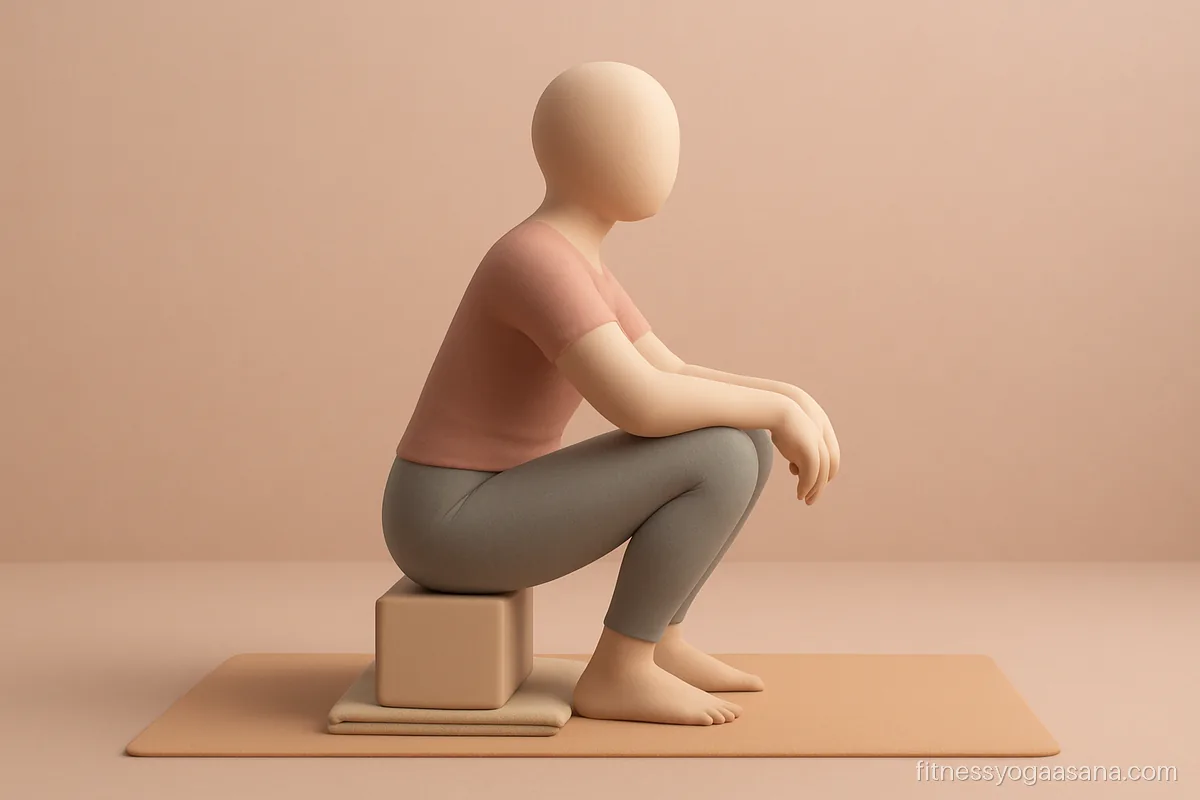
A supported squat relaxes the pelvic floor without strain. The block takes your weight so nothing pushes down.
Teacher's cue: Rest your weight on the prop and relax the abdomen.
- Level
- All levels
- Hold
- 5 minutes
- Works on
- Circulation, calm
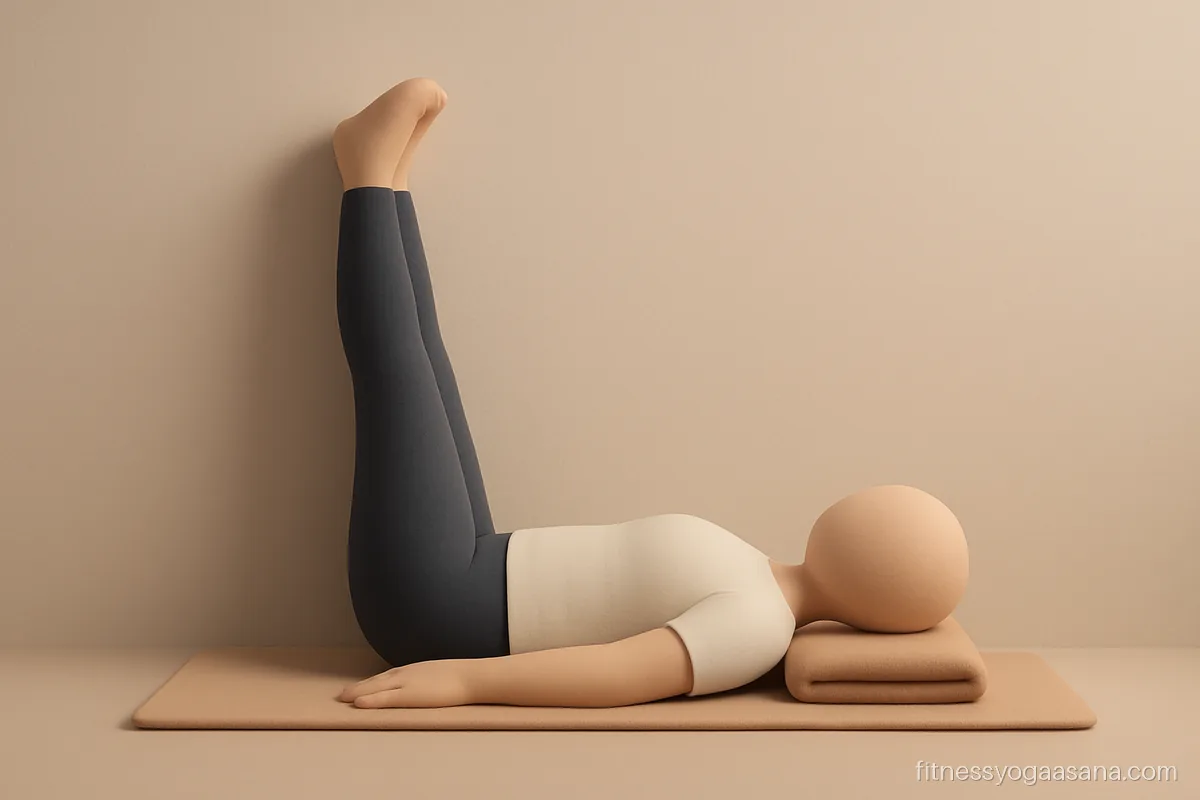
Legs up the wall eases pressure in the pelvic veins and is relaxing after a long day of sitting.
Teacher's cue: Scoot the hips close to the wall and let the legs rest.

- Level
- All levels
- Hold
- Each visit
- Works on
- Easier bowel movements
A small footstool under the feet raises the knees above the hips, which straightens the passage and reduces straining.
Teacher's cue: Tip the trunk slightly forward, forearms on the thighs, and exhale slowly.
- Level
- All levels
- Hold
- 1 to 3 minutes
- Works on
- Abdomen, lower back
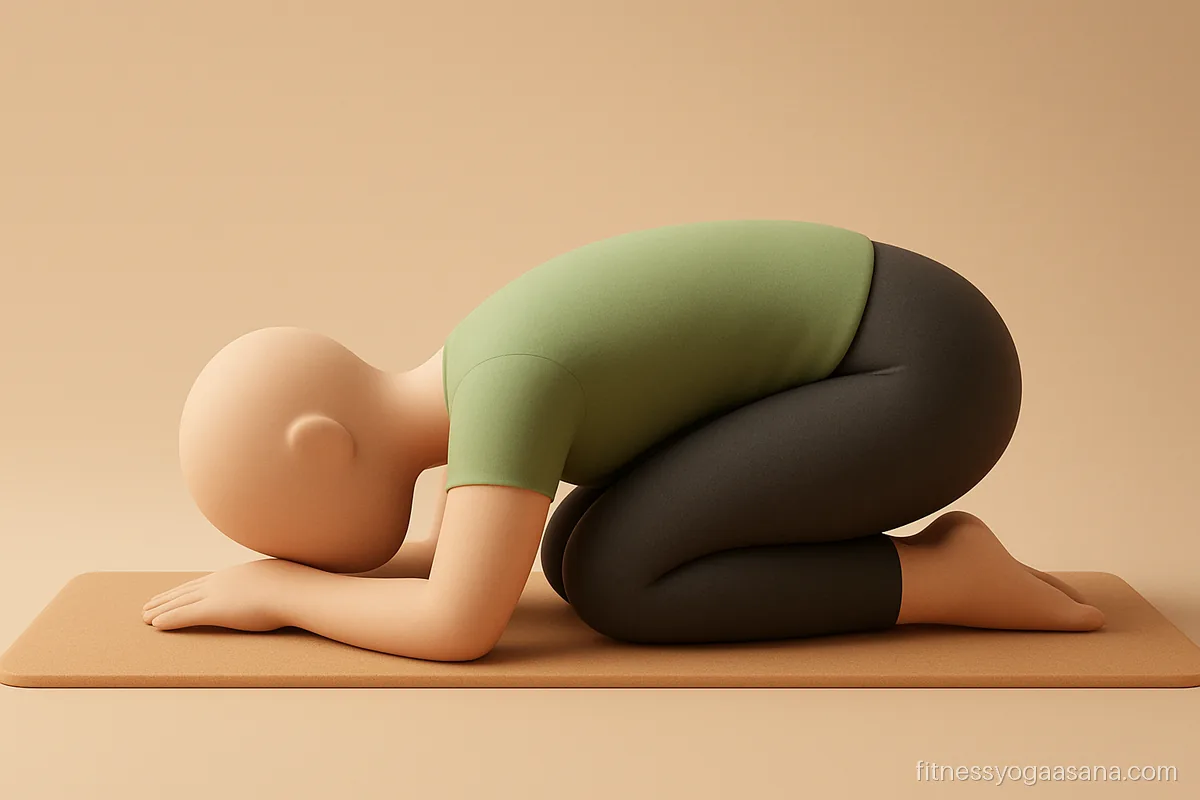
Child pose with the knees apart lets the belly drop and the lower back relax.
Teacher's cue: Feel the breath widen the lower back.
A gentle piles yoga routine (15 minutes)
- Slow belly breathing lying on the back, 2 minutes.
- Pawanmuktasana, one knee at a time, 5 breaths each.
- Cat cow, 8 slow rounds.
- Child pose with knees wide, 1 minute.
- Supported squat on a block, 1 minute.
- Legs up the wall, 5 minutes.
- Pelvic floor release breathing, below, 2 minutes.
Practise daily, ideally in the morning, followed by a glass of warm water and a short walk.
Pelvic floor release breathing
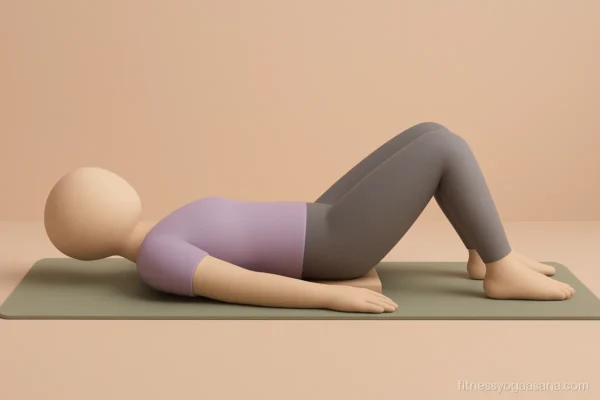
Many people with fissures hold the anal muscles tight all day, which slows healing. Lie on the back with knees bent. As you breathe in, imagine the pelvic floor dropping and widening like a soft hammock. As you breathe out, let it stay soft. Do not push. Ten slow breaths are enough. Gentle tightening exercises, the kind often linked with ashwini mudra, can help some people with piles once pain settles, but skip squeezing during an active fissure.
Food and toilet habits
- Aim for plenty of fibre: whole grains, dal, fruit with skin, vegetables, and soaked isabgol if your doctor agrees.
- Drink enough water that urine stays pale.
- Go when you feel the urge; do not hold it.
- Do not sit on the toilet for long or scroll on a phone there.
- Use a footstool under the feet.
- Warm sitz baths for ten minutes ease pain and spasm.
What to avoid during a flare
Leave out pumping breath work like kapalbhati and bhastrika, long breath holds, headstands, heavy lifting and strong core work while piles are swollen or bleeding, since all of these raise pressure in the abdomen. Long cycling and sitting on hard seats can also aggravate symptoms. Return to these gradually once things settle.
When to see a doctor
Do not assume bleeding is just piles. See a doctor if you notice blood in or on the stool, black or tarry stools, a lump that will not go back, severe pain, fever, weight loss, a change in bowel habit lasting more than a few weeks, or if you are over forty with new symptoms. These can signal other conditions that need examination. A doctor can also offer simple treatments, such as banding, that work faster than lifestyle change alone.
Mudra for piles and other searches
Some guides suggest apana mudra as a mudra for piles, since it is traditionally linked with elimination. It is harmless to try while sitting quietly, but nothing shows that it shrinks swollen veins. The real work is done by fibre, water, movement and relaxed toilet habits. Piles exercise in yoga, piles yoga and yoga for hemorrhoids all point to the routine above.
This page is general information, not medical advice. If you have a diagnosed condition, are pregnant, recently had surgery or take regular medicine, ask your doctor which practices suit you, and stop at any sharp pain, dizziness or chest discomfort.
Questions people ask
Can yoga help piles?
Yes, indirectly. It helps prevent constipation and straining, which are the main triggers. Large piles may still need medical treatment.
Which yoga is best for piles?
Gentle practice: knee to chest pose, cat cow, wide knee child pose, a supported squat and legs up the wall.
Is kapalbhati good for piles?
Avoid it during a flare. Forceful belly pumping raises abdominal pressure.
Can yoga help with fissures?
Relaxed breathing and softening the pelvic floor can help healing, along with fibre, water and warm sitz baths.
When should I see a doctor for piles?
For any bleeding, black stools, severe pain, a lump that stays out, or bowel changes lasting weeks.
Practise next
 Yoga for constipationPoses, a morning routine and habits for regular bowels
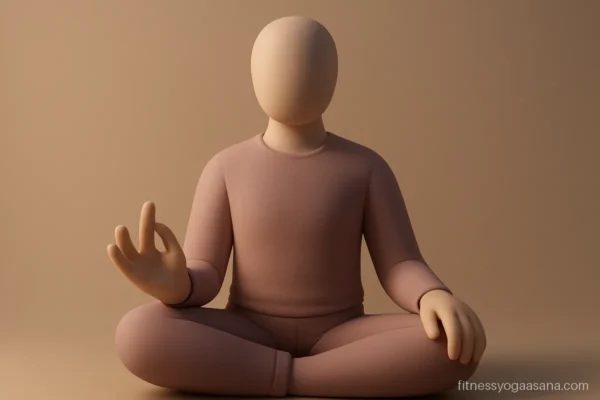 Apana mudraMiddle and ring fingertips to the thumb, linked with release
 Malasana (garland)Garland pose: a deep squat with palms together at the chest
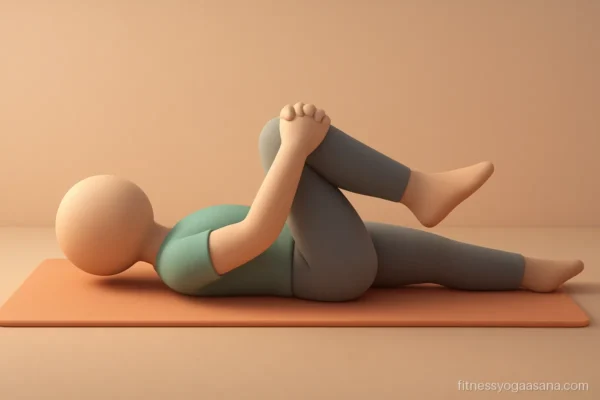 Pawanmuktasana (wind relieving)Knees hugged to the chest to ease gas and the lower back
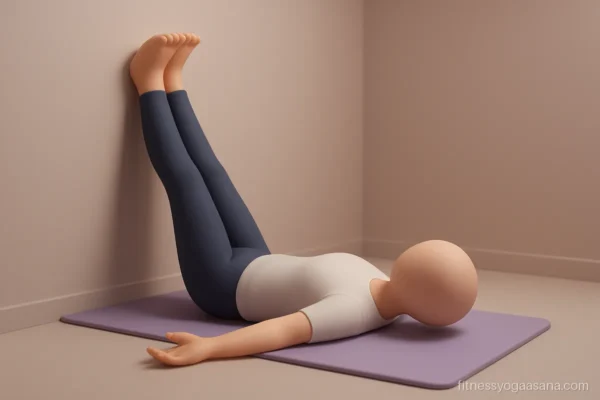 Viparita karani (legs up the wall)Lying with the legs resting up a wall: the easiest restful inversion
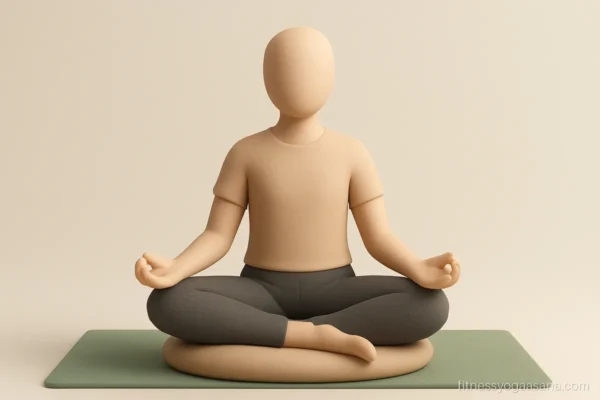 Ashwini mudraA rhythmic pelvic squeeze and release from hatha yoga
More in yoga for health
 Yoga therapyHow yoga is used for health, with every condition guide listed
 Yoga for kidsEasy, playful poses and breathing games for children
 Yoga for weight lossHonest answers, the best poses and a 4 week weight loss plan
 Yoga for back painGentle poses and a daily routine for lower back pain and sciatica
 Face yogaFacial exercises for cheeks, jaw and tension, with honest results
 Gas and acidityGentle poses for trapped gas, acidity and a heavy stomach
 Yoga for belly fatCore poses, a daily plan and honest advice on waist fat
 Yoga for periodsGentle poses for cramps, irregular cycles and period days