Ashwini Mudra: The Horse Gesture of Hatha Yoga
Mudras 3 illustrations Updated 2 Nov 2026
Ashwini mudra is a hatha yoga practice of rhythmically tightening and releasing the ring of muscle at the very bottom of the pelvis, the anal sphincter, without any hand position. Ashwa means horse, and the name comes from the way a horse contracts these muscles. It is a perineal mudra, closely related to pelvic floor training used by physiotherapists.
Here you will learn the gentle method, a sensible number of rounds, how the old texts and pelvic floor research describe its effects, and when to ask a doctor first. You may also see it spelt aswini mudra, ashvini or ashwani mudra.
- Meaning
- Ashwa: horse
- Type
- Perineal mudra, no hand gesture
- Action
- Gentle squeeze and release, in rhythm
- Rounds
- 10 to 20 squeezes, 2 or 3 sets
- Position
- Seated, lying, or on all fours
- Related to
- Pelvic floor exercises, mula bandha
How to practise ashwini mudra
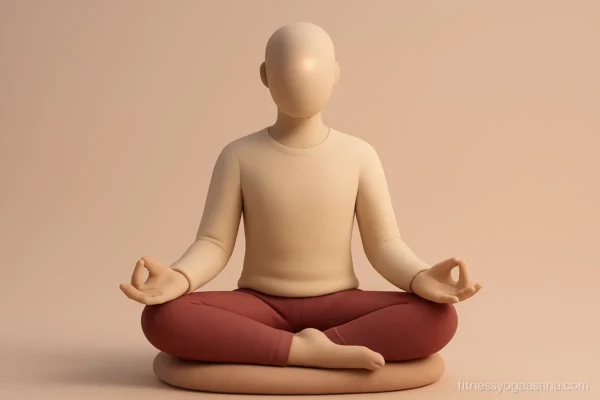
- Sit upright on a cushion, or lie on your back with knees bent.
- Breathe naturally and relax the belly, buttocks and thighs.
- Gently draw the anal sphincter muscles in and up, as if stopping wind.
- Hold for one second, then release fully for one or two seconds.
- Repeat 10 to 20 times in an easy rhythm.
- Rest for a minute and do 2 or 3 sets.
Ashwini mudra yoga practice should feel light. If you feel strain, tension in the jaw or a held breath, reduce the effort.
Ashwini mudra in pictures
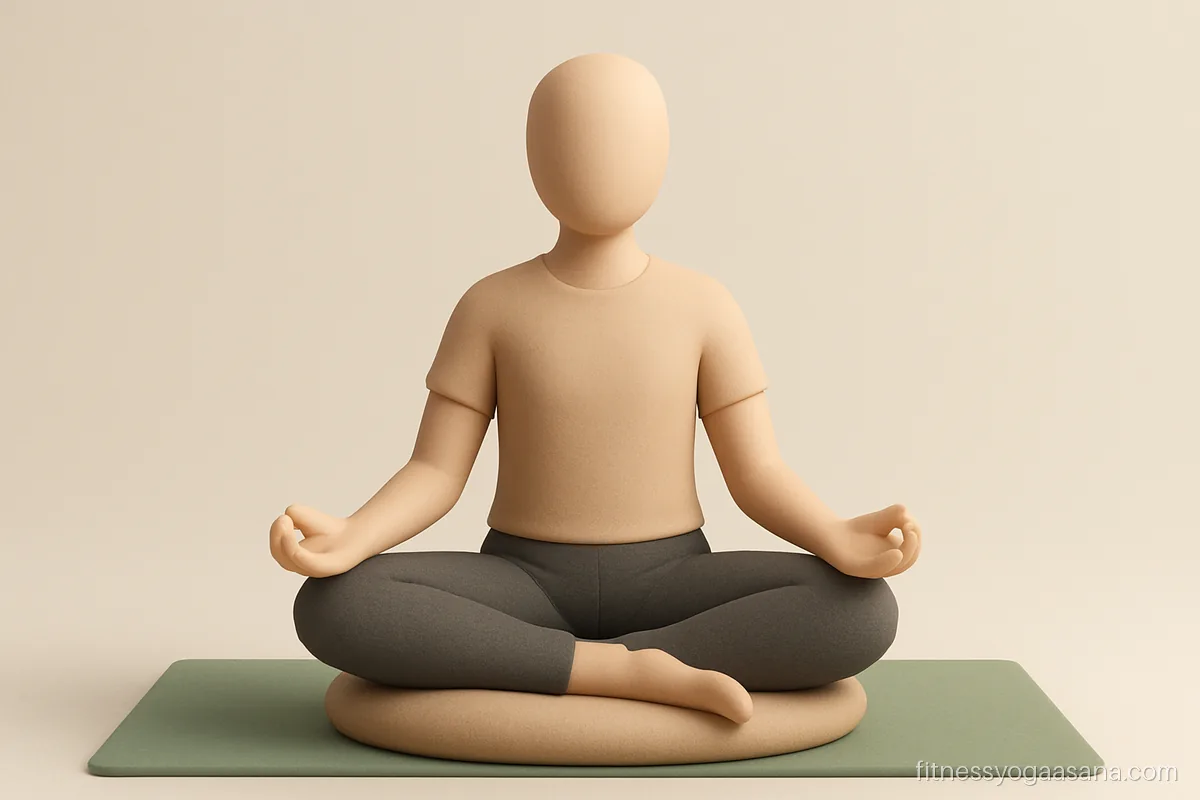
- Level
- Beginner
- Hold
- 10 to 20 squeezes
- Works on
- Pelvic floor
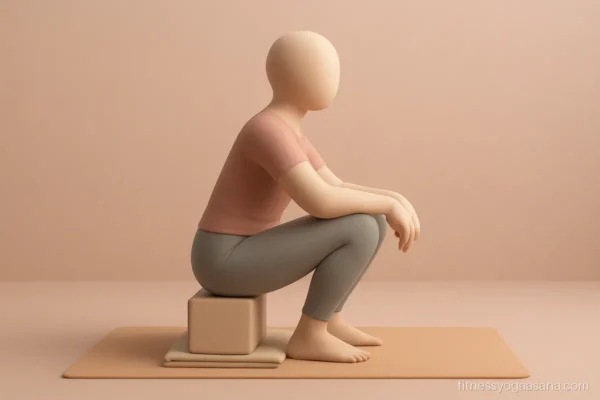
Sit on a firm cushion so the pelvic base is free. The squeeze is small and inward; nothing else should move.
Teacher's cue: Keep the buttocks and thighs soft; only the inner ring works.
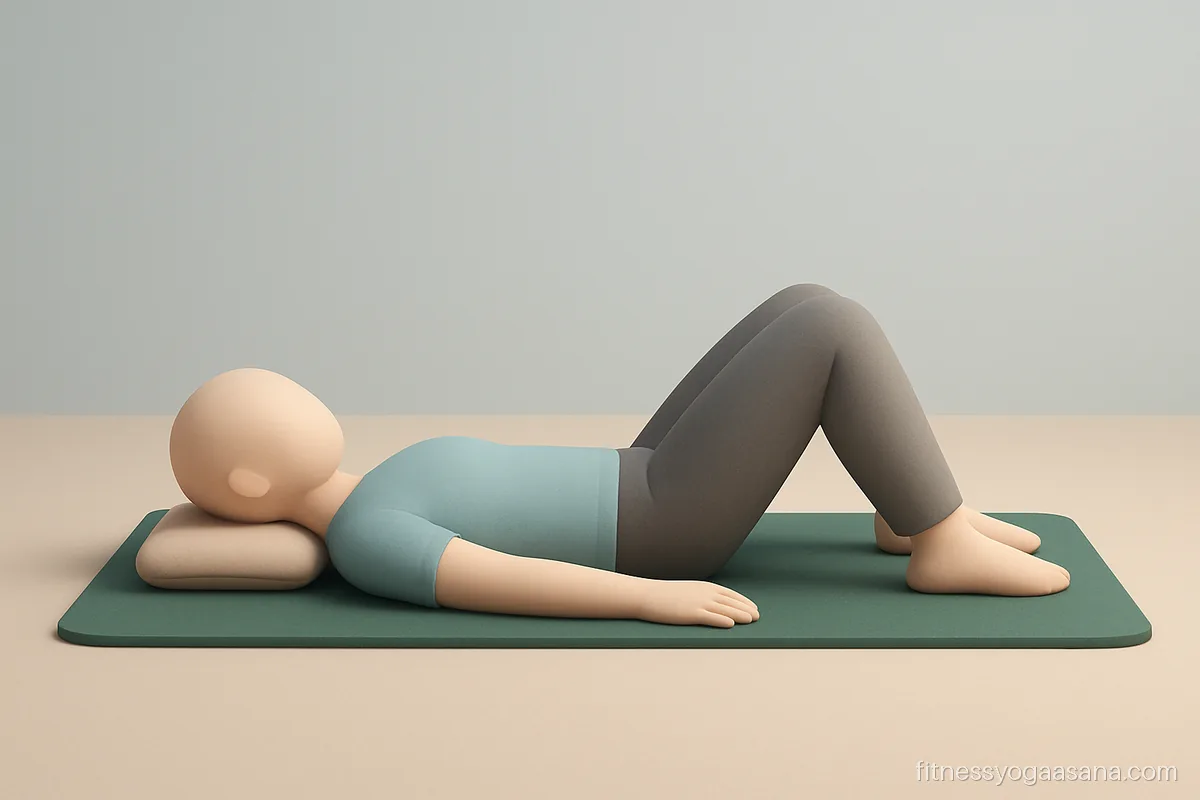
- Level
- Beginner
- Hold
- 10 slow squeezes
- Works on
- Awareness
Lying down with knees bent makes the movement easier to feel while learning.
Teacher's cue: Breathe normally; do not hold the breath while squeezing.
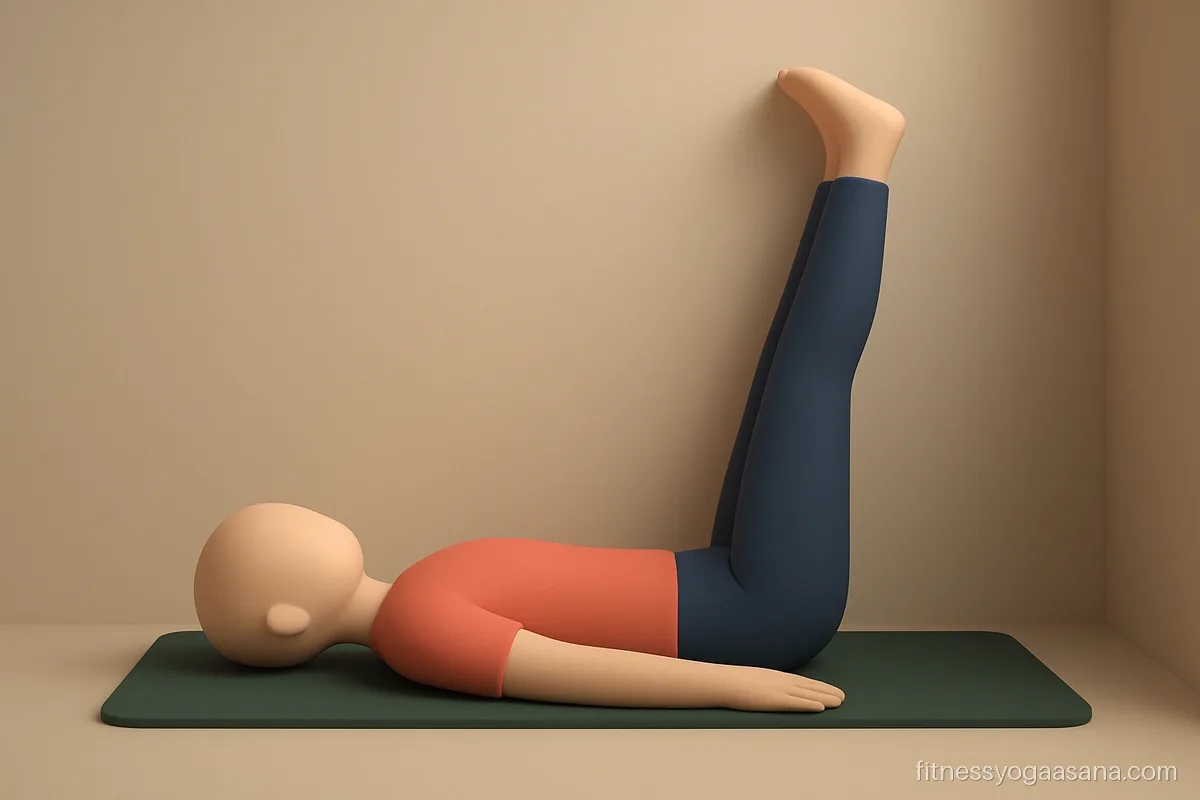
- Level
- Intermediate
- Hold
- 2 sets of 15
- Works on
- Pelvic floor
Some traditions practise ashwini in an inverted position such as legs up the wall. This is optional and not for everyone.
Teacher's cue: Stay relaxed in the face and shoulders throughout.
Ashwini mudra and mula bandha
Mula bandha, the root lock, is a sustained, subtle lift of the pelvic floor held during breathing and poses. Ashwini mudra is the rhythmic version, squeezing and releasing. Many teachers use ashwini to help students feel the area before learning mula bandha. Both connect closely with what physiotherapists call pelvic floor exercises.
Ashwini mudra benefits
Hatha texts describe ashwini mudra as awakening energy and supporting the lower organs. In modern terms, rhythmic pelvic floor training is well studied and can help with bladder control, support after childbirth and core stability. Hindi manuals listing ashwini mudra ke fayde usually mention easier piles; gentle pelvic floor work may improve circulation and comfort, but piles need medical assessment. See yoga for piles.
Ashwini mudra benefits for male and female practitioners
Women and men practise it identically. For women, pelvic floor strength matters after pregnancy and around menopause. Among men, ashwini mudra benefits for male students centre on bladder control and core support; physiotherapists also prescribe similar pelvic floor work after some prostate operations. Claims about sexual performance found online are not reliable.
Who should check first
Ask a doctor or pelvic floor physiotherapist before starting if you have pelvic pain, recent childbirth or pelvic surgery, an anal fissure or bleeding piles, or difficulty fully relaxing these muscles. Some people have an overactive pelvic floor and need relaxation rather than strengthening. Stop if the practice causes pain.
Where it fits
Ashwini can be practised at the end of an asana session, before pranayama, or on its own. It appears in classical lists of mudras on the yoga mudra page, alongside khechari and shambhavi.
Mudras are a traditional practice and research on them is limited. Use them alongside, never instead of, the care your doctor advises.
Questions people ask
What is ashwini mudra?
A hatha yoga practice of rhythmically contracting and relaxing the anal sphincter muscles, named after a horse.
What is a sensible daily amount of ashwini mudra?
Start with 10 to 20 gentle squeezes in 2 or 3 sets, once a day.
Is ashwini mudra the same as kegel exercises?
They are closely related. Both train the pelvic floor; ashwini focuses on the back of the pelvic floor in a rhythmic way.
Can ashwini mudra help piles?
Tradition suggests it, and gentle pelvic floor work may help comfort, but piles need a doctor's assessment and treatment.
Can I do ashwini mudra during pregnancy?
Gentle pelvic floor work is often encouraged in pregnancy, but ask your doctor or midwife first.
Practise next
 Yoga mudraWhat mudras are, the main hand mudras and how to practise them
 Yoga for pilesGentle poses, toilet posture and fibre habits for piles
 Khechari mudraTongue rolled back to the palate: the safe basic form only
 Shambhavi mudraAn eye gesture: the gaze lifts toward the space between the brows
 PranayamaWhat pranayama is, how to start and every breathing practice
More in mudras
 Prana mudraRing and little fingertips meet the thumb, said to lift energy
 Yoni mudraThe interlaced hand gesture and the senses closing form
 Vayu mudraIndex finger folded under the thumb, for the air element
 Gyan mudraIndex tip to thumb tip, palm up: the classic meditation seal
 Surya mudraRing finger folded under the thumb, linked with warmth
 Linga mudraInterlaced fingers, one thumb upright: a warming two hand seal
 Prithvi mudraRing fingertip to thumb tip, a steadying earth gesture
 Apana mudraMiddle and ring fingertips to the thumb, linked with release