Khechari Mudra: The Tongue Seal, Safely Explained
Mudras 3 illustrations Updated 2 Nov 2026
Khechari mudra asks you to fold the tongue backward until its tip rests against the roof of the mouth, reaching toward the soft palate only as far as is easy. Khechari means moving in space, and old texts rank it among the highest mudras, used during breathing and meditation. It is also spelt kechari mudra.
The classical texts also describe an extreme form that involves cutting the tissue under the tongue over months. That form is dangerous and is not taught here. This page covers the gentle, safe version that many teachers use, its meaning, the claimed benefits and the clear safety limits.
- Meaning
- Moving in space
- Basic form
- Tongue tip curled back to the palate
- Also called
- Kechari mudra; nabho mudra (simple form)
- Used with
- Ujjayi breath, meditation
- Hold
- A few minutes, release if strained
- Never
- Cut or stretch the tongue frenum
Basic khechari mudra: how to practise
- Sit in a steady meditation posture with the spine upright.
- Close the mouth and relax the jaw, teeth slightly apart.
- Curl the tongue upward and backward so the underside touches the roof of the mouth.
- Slide the tip back along the hard palate as far as is comfortable, toward the soft palate.
- Breathe slowly through the nose, optionally with a soft ujjayi sound.
- Stay for a minute or two at first. Release if the tongue cramps or tires.
This simple version is sometimes called nabho mudra. It is gentle and safe for most people.
Khechari mudra in pictures
- Level
- Beginner
- Hold
- 2 to 5 minutes
- Works on
- Inward focus
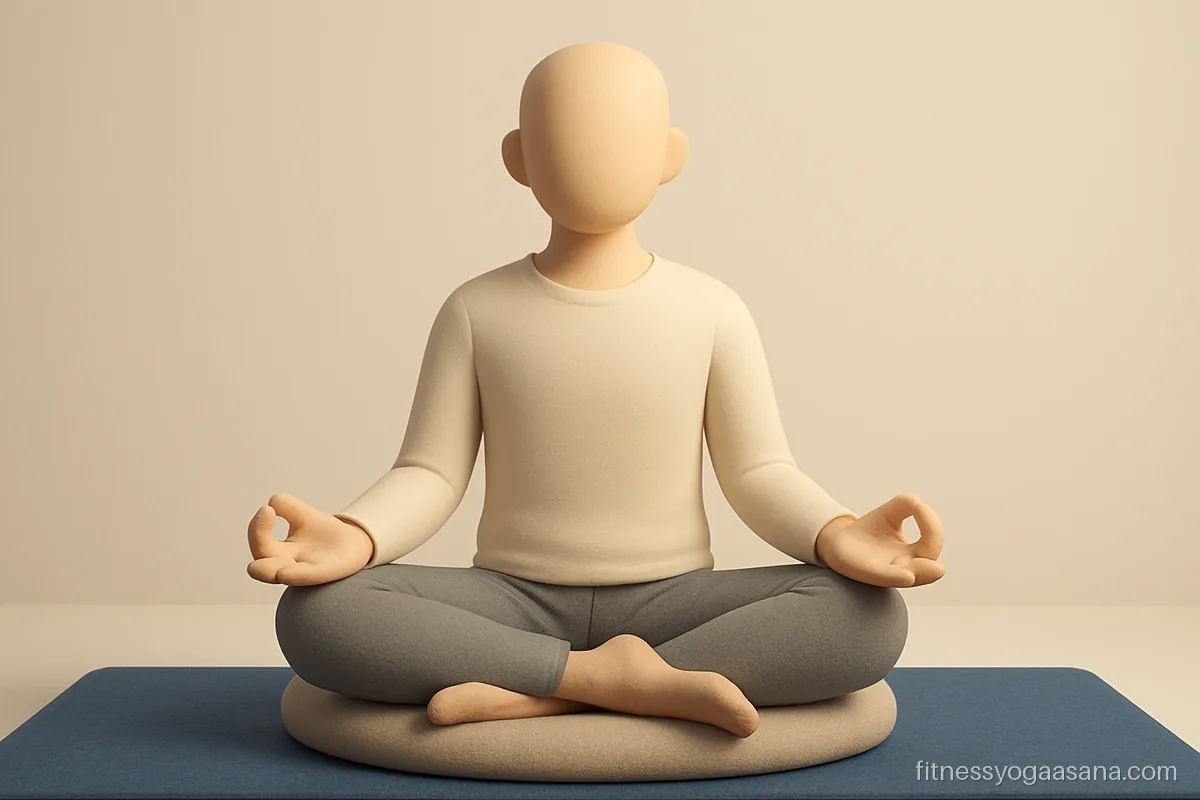
From the outside, khechari is invisible: a calm seat with the lips closed and the jaw soft while the tongue rests curled back inside.
Teacher's cue: If the tongue tires or cramps, let it relax to the floor of the mouth.
- Level
- Beginner plus
- Hold
- 5 minutes
- Works on
- Breath
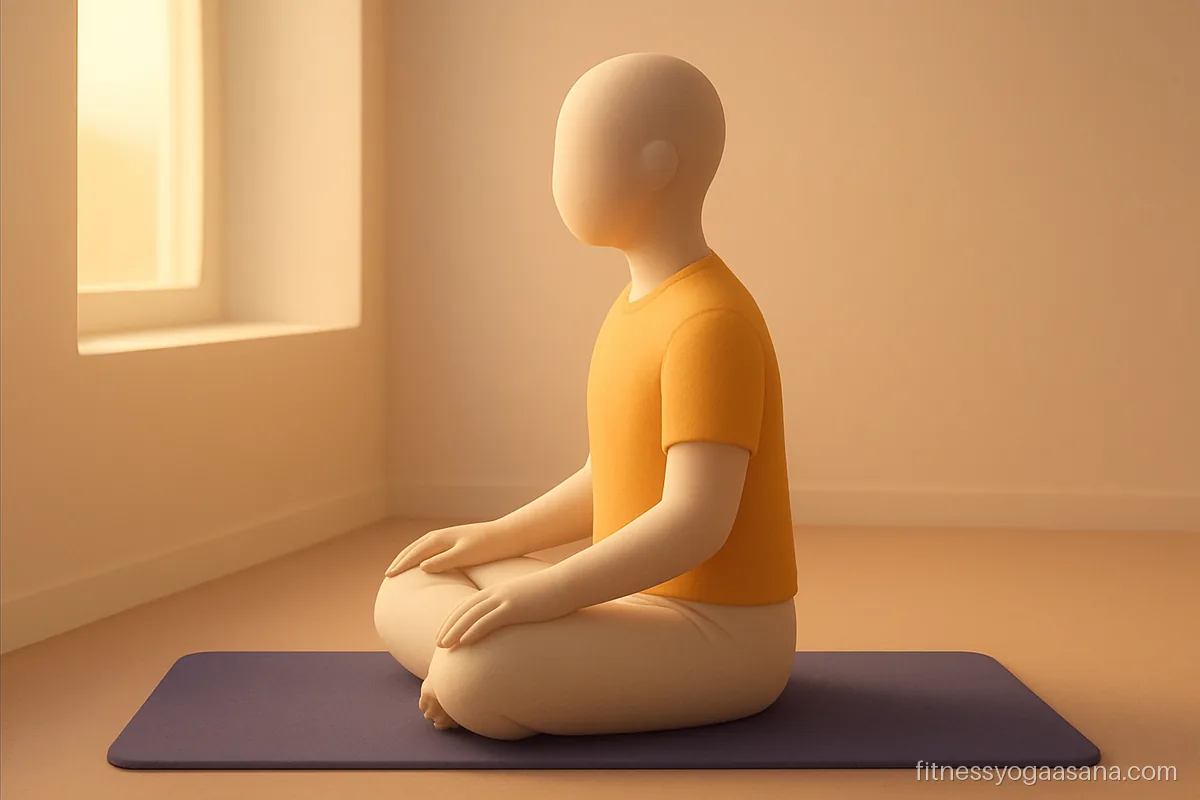
Teachers often pair the basic tongue position with slow ujjayi breathing during meditation.
Teacher's cue: Keep the breath slow and quiet; the tongue position should not change it.

- Level
- All levels
- Hold
- 1 minute
- Works on
- Relaxation
Between rounds, let the tongue rest in its normal place and swallow if needed.
Teacher's cue: Notice whether the jaw has clenched and soften it.
What the classical texts describe
The Hatha Yoga Pradipika and older texts describe an advanced khechari in which the tongue is lengthened over a long period, including gradually cutting the frenum, the tissue beneath the tongue, until it can be turned back into the cavity behind the soft palate. The texts make dramatic claims about its effects. This version carries real risks of bleeding, infection and lasting damage to speech and swallowing, and we strongly advise against it.
Khechari mudra benefits: claims and reality
Tradition says khechari mudra calms the mind, reduces hunger and thirst, and supports deep meditation. In practice, the basic form gives the mind a subtle point of attention and may help some people settle during sitting practice. The bigger promises have never been tested in research. Khechari mudra benefits should be seen as part of a meditation routine, not as a separate health treatment.
Is khechari mudra dangerous?
The basic tongue position is not dangerous for healthy people; at worst the tongue gets tired or you produce more saliva. The advanced form with cutting is dangerous and should never be attempted. Also avoid forcing the tongue back with the fingers. If you have jaw joint problems, recent mouth surgery or a tongue injury, skip the practice.
Where khechari fits
In the classical lists, khechari sits alongside other seals such as shambhavi mudra and ashwini mudra. It is best practised at the end of a session of breathing and before meditation. More gestures are explained on the yoga mudra page.
Common beginner questions about the tongue position
Many people find the tongue tip only reaches the middle of the hard palate. That is fine; stay there. Extra saliva is normal; swallow gently and continue. If you notice tension in the throat or neck, the effort is too strong. With regular practice over weeks, the position usually becomes more comfortable without any stretching.
Mudras are a traditional practice and research on them is limited. Use them alongside, never instead of, the care your doctor advises.
Questions people ask
What is khechari mudra?
A hatha yoga seal in which the tongue curls back to touch the roof of the mouth, used during breathing and meditation.
Is khechari mudra dangerous?
The basic tongue position is safe. The advanced form involving cutting under the tongue is dangerous and should never be attempted.
What is the difference between khechari and kechari mudra?
Both spellings refer to one practice; the k and kh sounds are simply written differently.
How long should I hold khechari mudra?
A minute or two at first, building to a few minutes. Release whenever the tongue tires.
What are the benefits of khechari mudra?
Tradition links it with calm and deep meditation. Scientific evidence is lacking; treat it as a meditation aid.
Practise next
 Shambhavi mudraAn eye gesture: the gaze lifts toward the space between the brows
 Ashwini mudraA rhythmic pelvic squeeze and release from hatha yoga
 Yoga mudraWhat mudras are, the main hand mudras and how to practise them
 Ujjayi pranayamaThe ocean breath: a soft throat sound for steady breathing
 Hatha yoga pradipikaThe medieval handbook of postures, breath, seals and meditation
More in mudras
 Prana mudraRing and little fingertips meet the thumb, said to lift energy
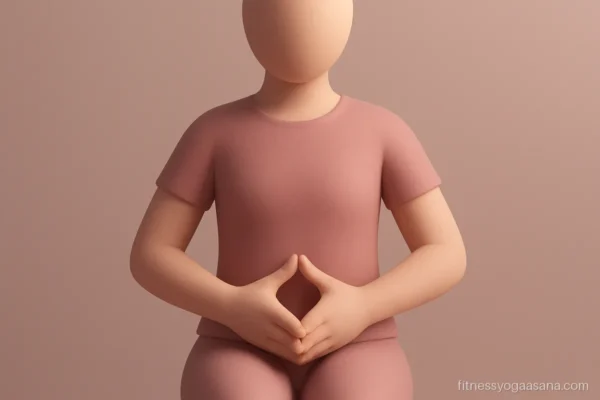 Yoni mudraThe interlaced hand gesture and the senses closing form
 Vayu mudraIndex finger folded under the thumb, for the air element
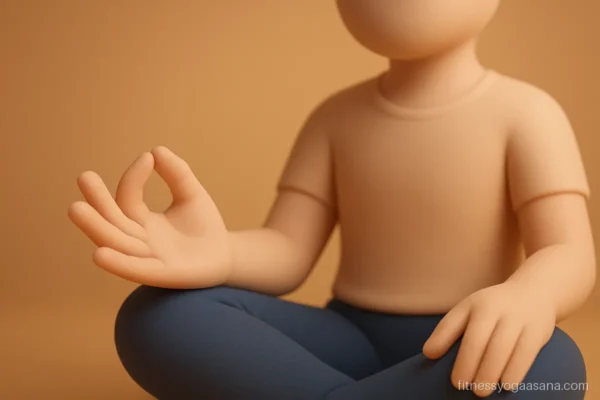 Gyan mudraIndex tip to thumb tip, palm up: the classic meditation seal
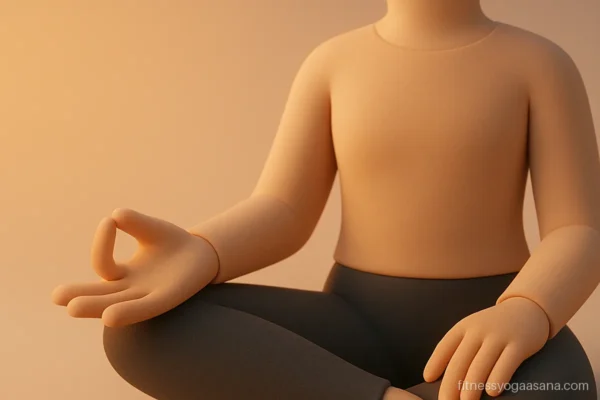 Surya mudraRing finger folded under the thumb, linked with warmth
 Linga mudraInterlaced fingers, one thumb upright: a warming two hand seal
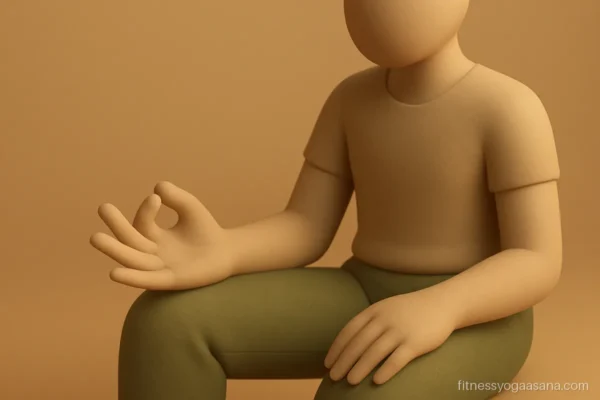 Prithvi mudraRing fingertip to thumb tip, a steadying earth gesture
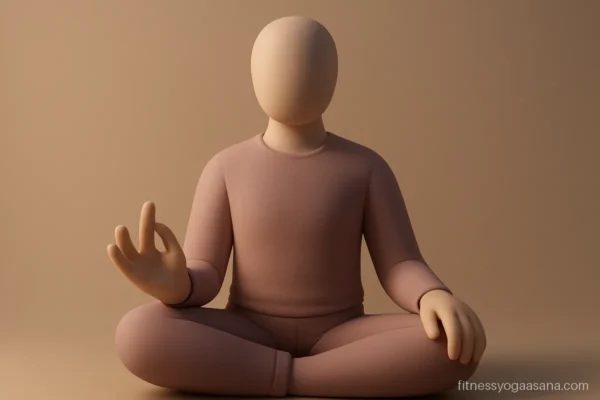 Apana mudraMiddle and ring fingertips to the thumb, linked with release