Ujjayi Pranayama: How to Do the Ocean Breath
Pranayama 3 illustrations Updated 2 Nov 2026
Ujjayi pranayama is a breathing technique in which you gently narrow the back of the throat so that each breath makes a soft, even sound, like distant waves or quiet snoring. Air travels only through the nostrils, and the hush of the throat gives attention an anchor. Ujjayi means victorious, and it is often called ocean breath or victorious breath.
This page explains how to do ujjayi pranayama step by step, a simple trick to find the sound, how it is used during asanas, its benefits and the mistakes that make it tense.
- Meaning
- Ujjayi: victorious
- Also called
- Ocean breath, victorious breath
- Level
- Beginner
- Practice
- 5 minutes seated, or during poses
- Effect
- Steadying, mildly warming
- Sound
- Soft, even, heard only by you
How to do ujjayi pranayama step by step
- Sit comfortably with the spine upright and the jaw relaxed.
- Breathe out through the open mouth with a haaa, as if fogging a mirror. Notice the slight narrowing in the throat.
- Breathe in through the open mouth with the same soft narrowing.
- Seal the lips and keep the same narrowing as air moves through the nostrils.
- Let each breath be long and even, about four to six counts each way.
- Continue for five minutes, then return to normal breathing.
Ujjayi pranayama in pictures
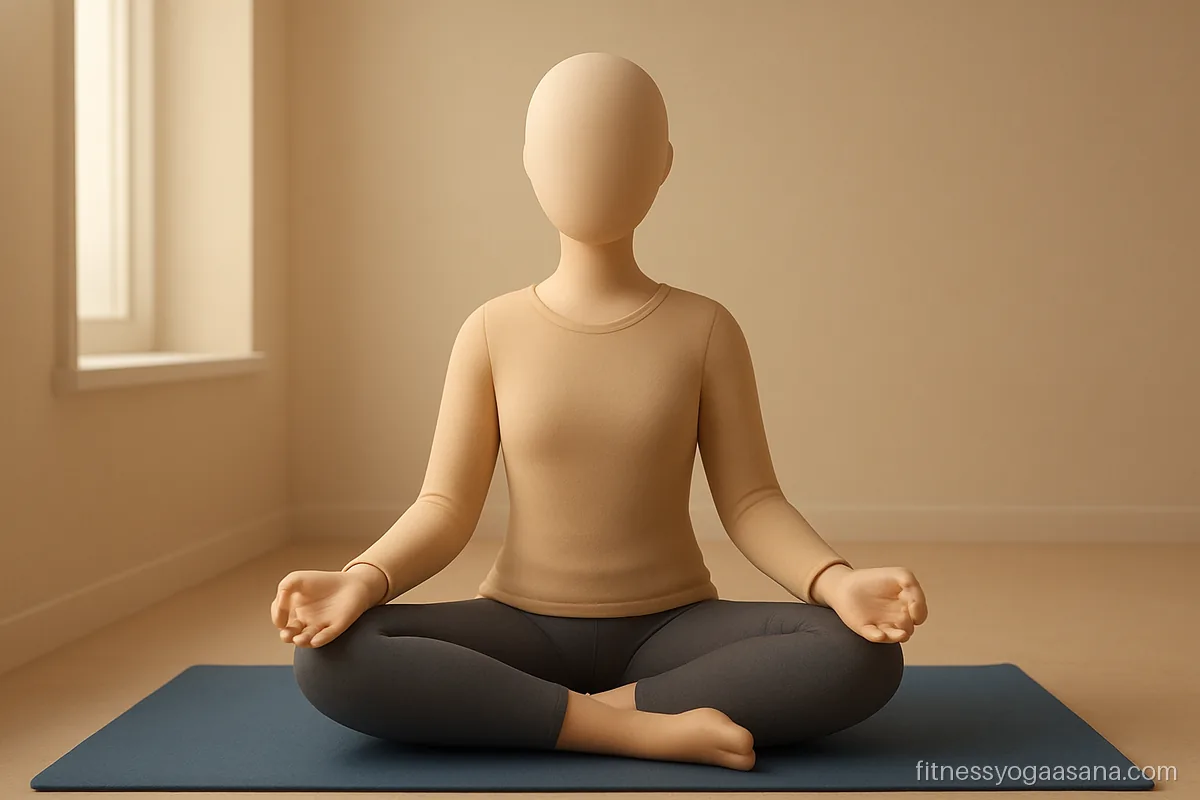
- Level
- Beginner
- Hold
- 5 minutes
- Works on
- Steady breath
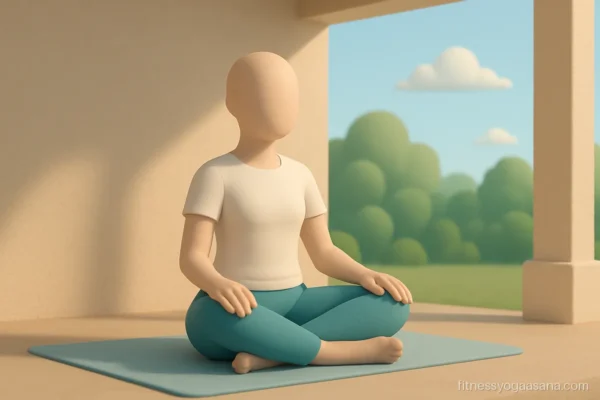
Seated ujjayi: lips closed, breathing through the nose with a soft sound from the throat.
Teacher's cue: Make the sound gentle enough that only you can hear it.
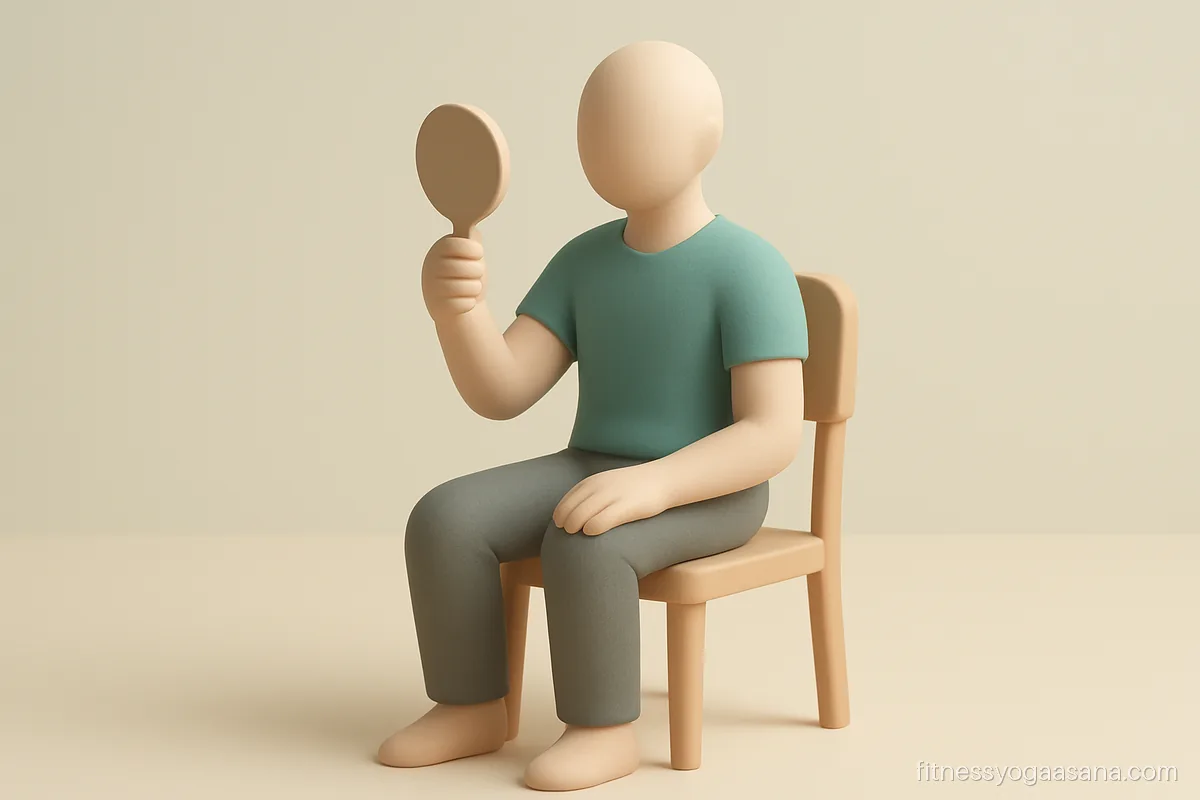
- Level
- Beginner
- Hold
- 5 breaths
- Works on
- Learning the sound
To find the sound, breathe out through the mouth as if fogging a mirror. Then close the lips and keep the same throat shape.
Teacher's cue: Haaa with the mouth open, then the same feeling with lips closed.
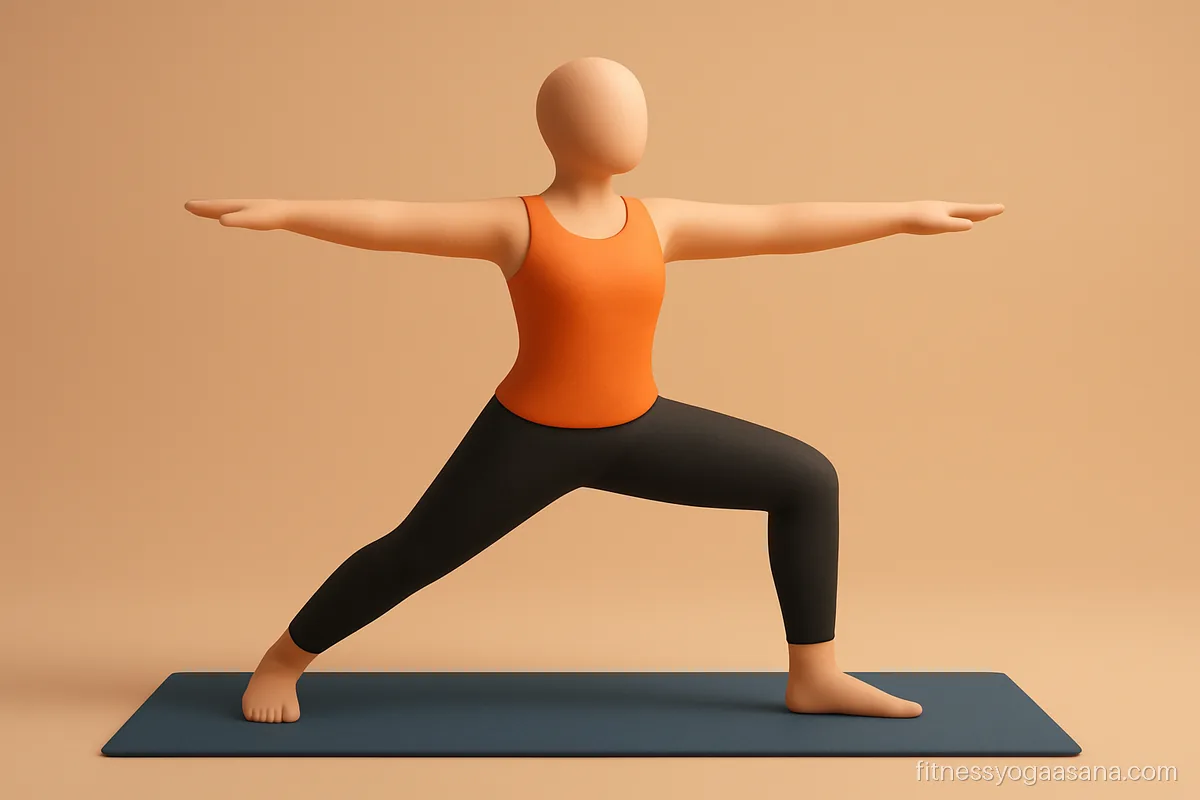
- Level
- Beginner plus
- Hold
- Whole practice
- Works on
- Breath with movement
In flowing styles, ujjayi is kept up through every pose. A broken or rasping sound means the pose needs to be easier today.
Teacher's cue: Let the breath stay as smooth in the pose as it was sitting.
Ujjayi pranayama technique tips
- The sound comes from the throat, not the nose. If the nostrils whistle, relax them.
- Keep the face soft; ujjayi should never feel like effort in the neck.
- Match the length of inhale and exhale at first. Later, a slightly longer exhale is calming.
- Some traditions add a light chin lock and brief holds; learn those from a teacher.
Using ujjayi breath in yoga poses
Ujjayi is the standard breath in ashtanga and vinyasa classes. The sound acts as a guide: when it stays even, you are working at the right level; when it becomes ragged or you start breathing through the mouth, ease off or rest in child pose.
Ujjayi pranayama benefits
The main benefits of ujjayi pranayama are a slower breath and a steadier mind. The narrowing in the throat naturally lengthens each breath, which many people find calming, and the sound helps attention stay on the practice. It also builds a little warmth, useful in colder months. Studies on ujjayi specifically are few; most evidence comes from research on slow breathing in general, which suggests benefits for stress and heart rate.
Common mistakes
| Mistake | Fix |
|---|---|
| Loud, forced sound | Reduce it to a soft whisper |
| Tight jaw or neck | Drop the shoulders and soften the tongue |
| Breathing through the mouth | Close the lips gently |
| Holding the breath between breaths | Keep the flow continuous |
Who should go easy
Ujjayi is gentle and suitable for most people. With raised blood pressure, leave out any pauses or holds. People who feel short of breath or anxious should keep the sound very soft and the breath short. Explore more practices on the pranayama page.
Breathe gently and never force a hold. Skip fast or forceful breathing in pregnancy, high blood pressure, heart disease, epilepsy or after recent surgery, and stop if you feel dizzy or breathless.
Questions people ask
What is ujjayi pranayama?
It is a breathing technique where a slight narrowing at the back of the throat makes a soft, ocean like sound on each nasal breath.
Is ujjayi breathing done through the nose?
Yes. Both inhale and exhale go through the nose with the lips closed.
What does ujjayi sound like?
A soft, even sound like waves in the distance or the breath of someone sleeping.
Can ujjayi help with sleep?
A few minutes of slow ujjayi with a longer exhale can be calming before bed. Keep it very soft.
Can I do ujjayi during the whole yoga class?
Yes, in many styles it is used throughout. Rest whenever the breath becomes strained.
Practise next
 PranayamaWhat pranayama is, how to start and every breathing practice
 Types of pranayamaCalming, energising, cooling and balancing breath practices
 Vinyasa yogaBreath linked flowing sequences, with a home flow
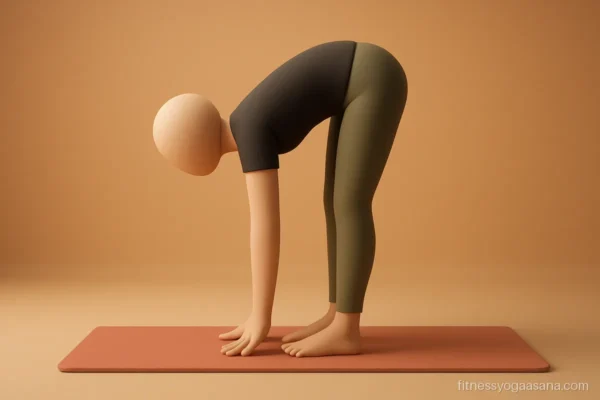 Ashtanga yogaTwo meanings: Patanjali's path and the vigorous vinyasa series
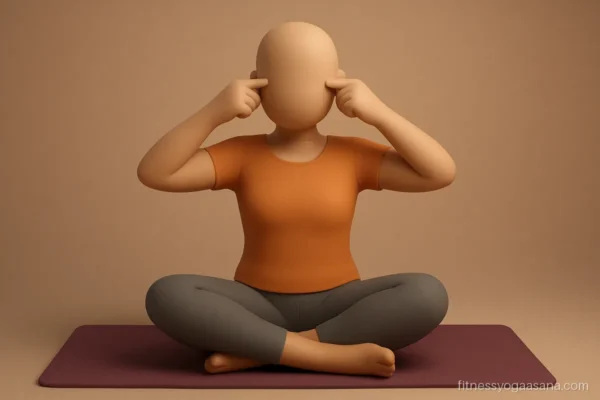 Bhramari pranayamaThe humming bee breath: steps, benefits and how many rounds
More in pranayama
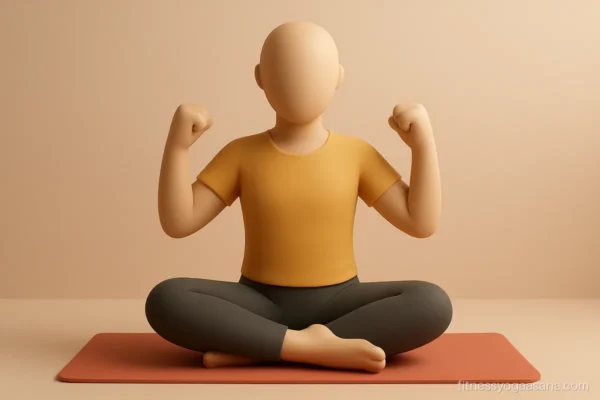 Bhastrika pranayamaThe bellows breath: forceful, equal breathing for energy
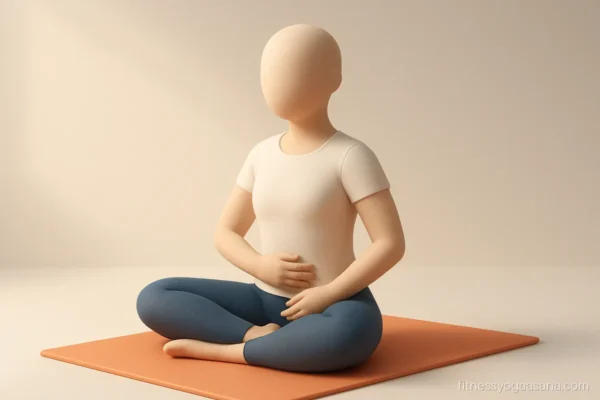 KapalbhatiQuick belly exhales with passive inhales, for energy
 Nadi shodhanaChannel cleansing alternate nostril breath, with ratios
 Sheetali pranayamaBreathing in through a rolled tongue to cool down
 Anulom vilomSimple alternate nostril breathing, without breath holds
 Surya bhedana pranayamaBreathe in through the right nostril, out through the left
 Benefits of pranayamaTen benefits of yogic breathing and what studies support
 Sheetkari pranayamaCool air drawn in through the teeth with a soft hiss