Vinyasa Yoga: Moving with the Breath
Styles of yoga 3 illustrations Updated 2 Nov 2026
Vinyasa yoga is a flowing style in which you move from one pose to the next in time with the breath, usually one movement per inhale or exhale. The Sanskrit word vinyasa means placing in a special way, and in practice it describes both the flowing style and the short linking sequence of plank, lowering, upward dog and downward dog that ties poses together.
Here is what to expect in a vinyasa flow yoga class, the most common vinyasa yoga poses, a 20 minute yoga flow sequence for home, and tips for beginners.
- Meaning
- Vinyasa: placing in a special way
- Pace
- Flowing, one movement per breath
- Breath
- Usually ujjayi
- Sequences
- Change from class to class
- Suits
- People who like movement and variety
- Prepare with
- A few weeks of basic poses
What is vinyasa yoga?
Vinyasa yoga grew from the same roots as ashtanga vinyasa, but where ashtanga follows a fixed series, vinyasa teachers design new sequences for each class. Breath leads every movement: inhale to lift or open, exhale to fold or lower. Most teachers use ujjayi breath throughout. The steady rhythm gives a moving meditation quality alongside a solid workout.
Vinyasa yoga in pictures
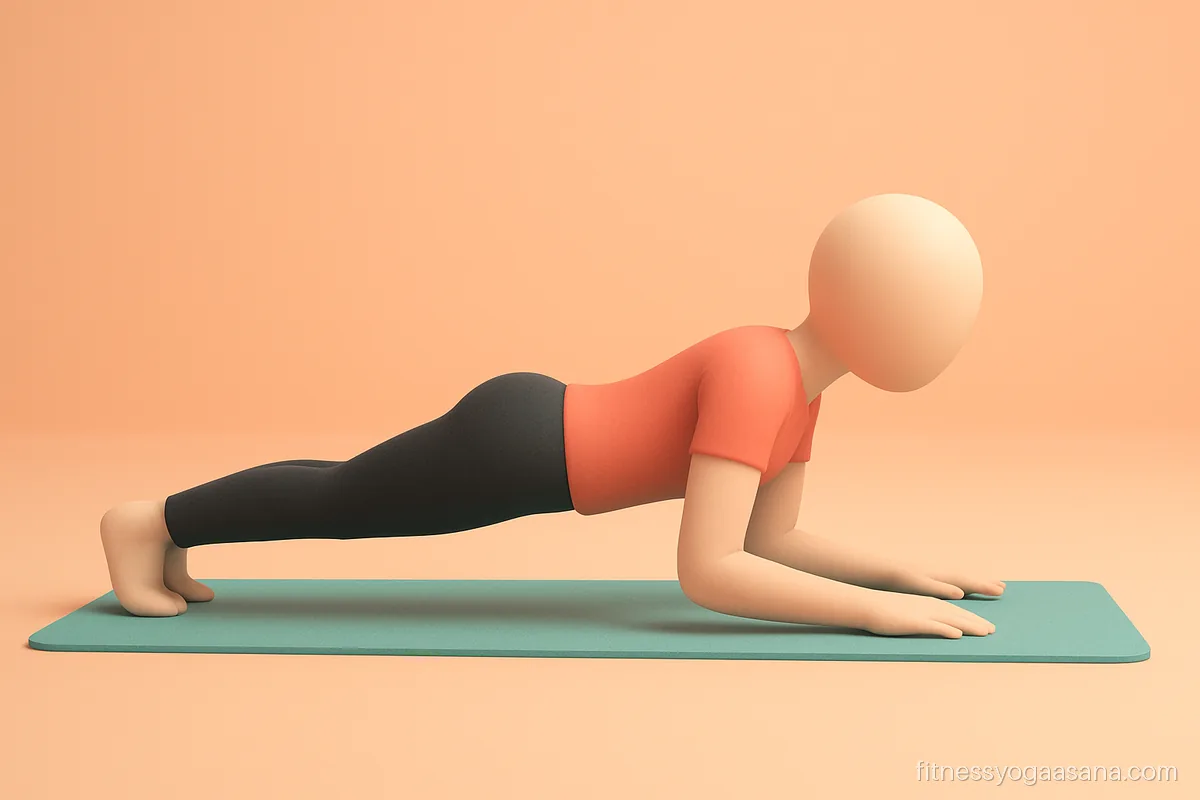
- Level
- Intermediate
- Hold
- One exhale
- Works on
- Arms, core
The lowering move, chaturanga, is the most demanding part of the vinyasa. Drop the knees until the arms are strong.
Teacher's cue: Lower halfway, elbows hugging the ribs, then stop.
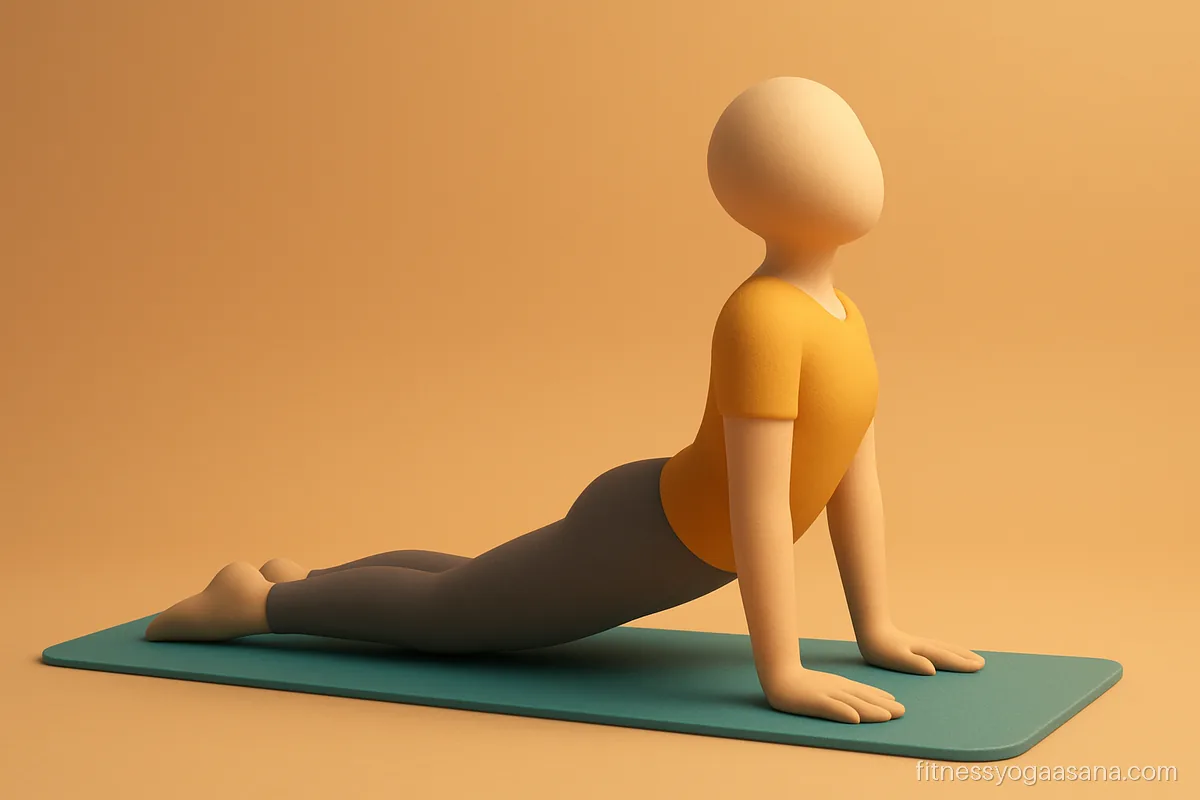
- Level
- Intermediate
- Hold
- One inhale
- Works on
- Chest, spine
Upward dog follows the lowering. The arms straighten, the thighs lift and the chest moves forward.
Teacher's cue: Push down through the tops of the feet so the knees float.
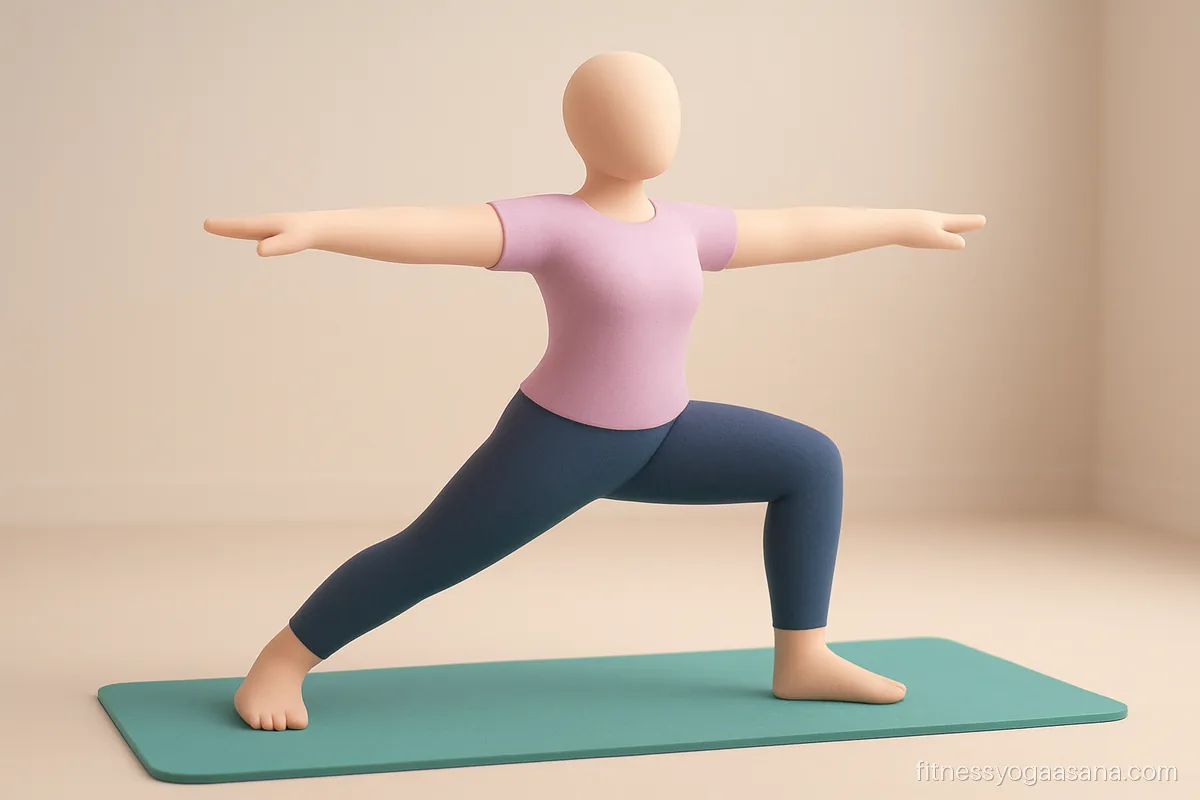
- Level
- Beginner plus
- Hold
- 1 to 3 breaths
- Works on
- Legs, coordination
Standing poses in vinyasa often flow into each other, such as warrior one opening into warrior two.
Teacher's cue: Keep the front knee steady as the hips and arms open.
Vinyasa yoga poses
- Sun salutations to warm up.
- Plank, chaturanga, upward dog and downward dog as the linking vinyasa.
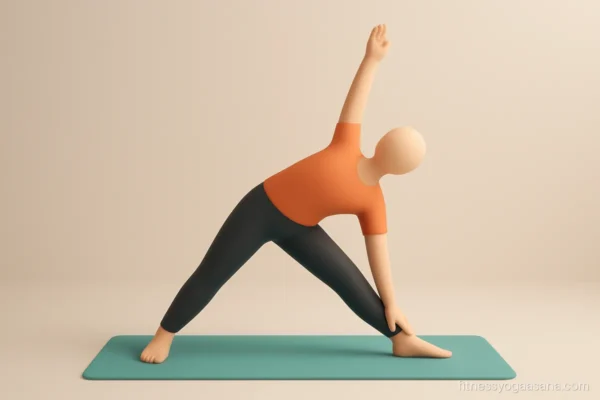
- Standing poses: warrior one, two and three, triangle, side angle.
- Balances such as tree and half moon.
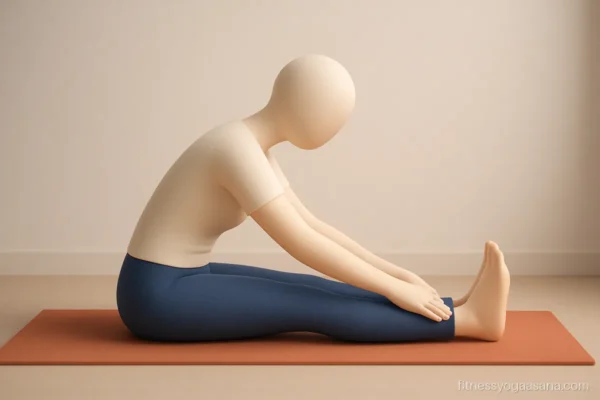
- Floor poses: pigeon, twists and seated folds.
- Back bends: bridge or wheel.
- Final rest.
A 20 minute yoga flow sequence
- Child pose and cat cow, 2 minutes.
- Three sun salutations, slow.
- Warrior one to warrior two to triangle, right side, then a vinyasa.
- The same on the left, then a vinyasa.
- Tree pose, each side.
- Low lunge and pigeon, each side.
- Bridge, twice.
- Lying twist and five minutes of rest.
Move with each breath and pause in downward dog whenever you need to.
Yoga flow sequence ideas by goal
- Morning energy: five sun salutations, warrior flows and a short twist.
- Hips: low lunge, lizard and pigeon flowing between downward dogs.
- Core: plank to side plank, boat pose and slow leg lowers.
- Evening wind down: slow half salutations, seated folds and a long rest.
Design your own vinyasa yoga sequence by choosing one theme and three or four peak shapes, then linking them with the breath. Keep the warm up and cool down at least five minutes each.
Vinyasa flow yoga tips for beginners
- Learn the shapes in a slower hatha class first.
- Drop the knees in plank and chaturanga until your arms are strong.
- Skip upward dog and use a low cobra if your lower back complains.
- Your breathing decides your speed, whatever pace the room keeps.
- Rest in child pose without guilt.
Who vinyasa suits and who should go slow
Vinyasa suits people who enjoy movement and want both fitness and calm. Wrist and shoulder problems need care because of the repeated plank work. Expectant mothers, people recovering from injury, and anyone managing heart or blood pressure problems should pick something gentler or ask their doctor first. Other styles are compared in our types of yoga overview.
Practise on an empty stomach, move slowly into each position and stop at any sharp pain. If you have an injury, a health condition or are pregnant, check with a doctor or an experienced teacher first.
Questions people ask
What is vinyasa yoga?
A flowing style that links poses with the breath, one movement per inhale or exhale, with sequences that change from class to class.
What is the difference between vinyasa and ashtanga?
Ashtanga follows a fixed series; vinyasa sequences are designed freshly by each teacher.
Is vinyasa yoga good for beginners?
It can be, in a beginner class. Learning basic poses first makes it safer and more enjoyable.
What does a vinyasa mean in class?
It usually means the linking sequence: plank, lowering, upward dog and downward dog.
Does vinyasa yoga help weight loss?
It is more active than slow styles and burns more energy, which helps alongside diet.
Practise next
 Ashtanga yogaTwo meanings: Patanjali's path and the vigorous vinyasa series
 Power yogaA fitness focused flowing style, with a home workout
 Hatha yogaThe classic body and breath branch of yoga, explained simply
 Surya namaskarWhat surya namaskar is, its 12 poses, rounds, mantras and benefits
 Ujjayi pranayamaThe ocean breath: a soft throat sound for steady breathing
 Types of yogaThe classic paths, modern styles and families of yoga asanas
More in styles of yoga
 Couple yoga posesPartner and group poses for couples, friends and challenges
 Kriya yogaPatanjali's yoga of action and the later breath meditation path
 Kundalini yogaBreath, movement, sound and meditation aimed at inner energy
 Hot yogaYoga in a heated room: how it works, benefits and risks
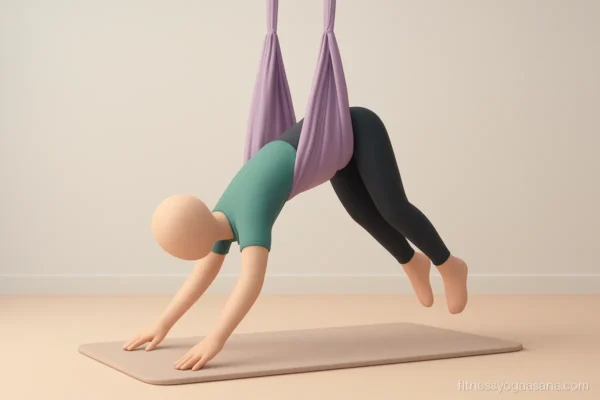 Aerial yogaPoses supported by a fabric hammock hung from the ceiling
 Yin yogaLong, passive floor holds, and how restorative yoga differs
 Karma yogaThe yoga of action done well, without clinging to rewards
 Raja yogaThe classical path of concentration and meditation