Karma Yoga: The Path of Selfless Action
Styles of yoga 3 illustrations Updated 2 Nov 2026
Karma yoga is the yoga of action: doing your work and duties wholeheartedly, as service, without being attached to praise or reward. It is one of the four classic paths of yoga and is taught most famously in the Bhagavad Gita, which says that skill in action is itself yoga.
This page explains what karma yoga is, its key teachings from the Bhagavad Gita, how to practise karma yoga in daily life, and how it relates to the physical yoga most people know. No poses are required; the mat is optional.
- Meaning
- Karma: action; yoga: union, discipline
- Main source
- Bhagavad Gita
- Core idea
- Act fully, let go of the fruits
- Practice
- Work, duty and service with right attitude
- One of
- Four paths: karma, bhakti, jnana, raja
- Suits
- Active, practical people
What is karma yoga?
The word karma simply means action. Karma yoga turns ordinary action into spiritual practice by changing the attitude behind it. You still work, care for family and serve your community, but you do it fully and fairly, without being driven by ego, greed or fear of failure. Over time, teachers say, this purifies the mind and reduces stress, because your peace no longer depends on outcomes you cannot control.
Karma yoga in pictures

- Level
- All levels
- Hold
- Daily life
- Works on
- Service
Serving food in a community kitchen is a classic form of karma yoga: work offered to others with full attention.
Teacher's cue: Do the task as well as you can, then let the result go.

- Level
- All levels
- Hold
- Moments
- Works on
- Attitude
Small daily acts, done without expecting thanks, are where most people practise karma yoga.
Teacher's cue: Notice the urge to be thanked, and let it pass.

- Level
- All levels
- Hold
- Workday
- Works on
- Focus
At work, karma yoga means doing the task in front of you with care, whether or not anyone notices.
Teacher's cue: Give one task your full attention before starting the next.
Karma yoga in the Bhagavad Gita
The Bhagavad Gita, a dialogue set on the eve of a great battle, is the classic text on karma yoga. Its central teachings, in plain words:
- You have a right to your work, but not to its fruits.
- Do not let the results be your motive, and do not give up action either.
- Stay even minded in success and failure; that evenness is yoga.
- Yoga is skill in action.
These are paraphrases; many good translations exist. Karma yoga in the Bhagavad Gita is presented alongside the paths of knowledge and devotion.
How to practise karma yoga in daily life
- Choose service: volunteer regularly, even for an hour a week.
- Work with care: give full attention to each task.
- Drop the scoreboard: help without keeping count of favours.
- Accept outcomes: after doing your best, let go of the result.
- Reflect: at night, notice where pride or resentment crept in, without blame.
Karma yoga and the other paths
The four classic paths support each other. Bhakti yoga offers action as devotion; jnana yoga brings understanding of who acts; raja yoga trains the mind through meditation. Most people practise a blend. See types of yoga for an overview.
Are there karma yoga poses?
No. Karma yoga is not a style of asana. Some studios run karma classes, community sessions offered free or for donation, which is a nice nod to the idea. Physical practice can support karma yoga by keeping you healthy and calm enough to serve well; a short daily surya namaskar and a few minutes of meditation are a good start.
Common misunderstandings
Karma yoga is not about being passive or a doormat; it asks for skilful, energetic action. Nor does it mean ignoring results entirely: you plan carefully and learn from outcomes, you just do not let them shake your inner balance. And it is open to anyone, regardless of belief.
Practise on an empty stomach, move slowly into each position and stop at any sharp pain. If you have an injury, a health condition or are pregnant, check with a doctor or an experienced teacher first.
Questions people ask
What is karma yoga in simple words?
Doing your work and helping others with full effort, without clinging to rewards or recognition.
Where is karma yoga explained?
Most famously in the Bhagavad Gita, especially in its early chapters.
Can I practise karma yoga at work?
Yes. Doing your job carefully and fairly, without being ruled by ego or fear, is karma yoga.
Is karma yoga a type of exercise?
No. It is a path of action and attitude, not a set of physical poses.
What are the four paths of yoga?
Karma (action), bhakti (devotion), jnana (knowledge) and raja (meditation).
Practise next
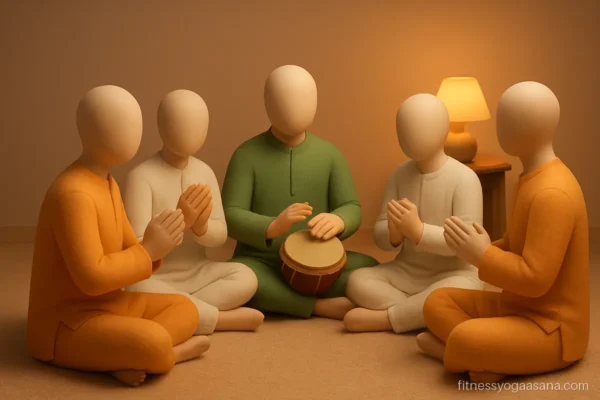 Bhakti yogaThe yoga of love, devotion and surrender
 Jnana yogaThe path of inquiry, reflection and wisdom
 Raja yogaThe classical path of concentration and meditation
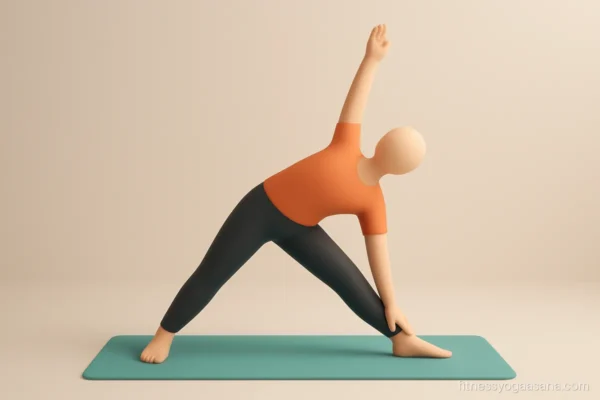 Types of yogaThe classic paths, modern styles and families of yoga asanas
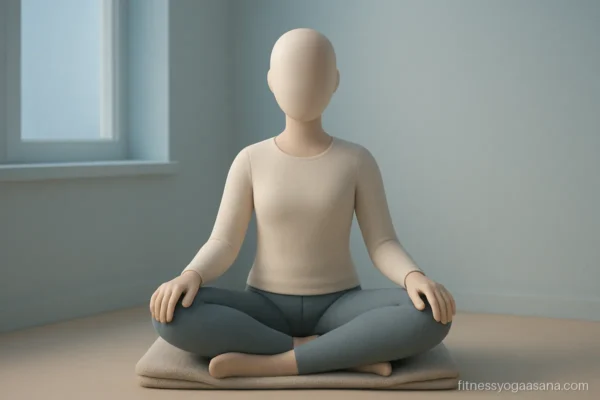 What is yogaThe meaning of yoga, its definition and the parts of a practice
More in styles of yoga
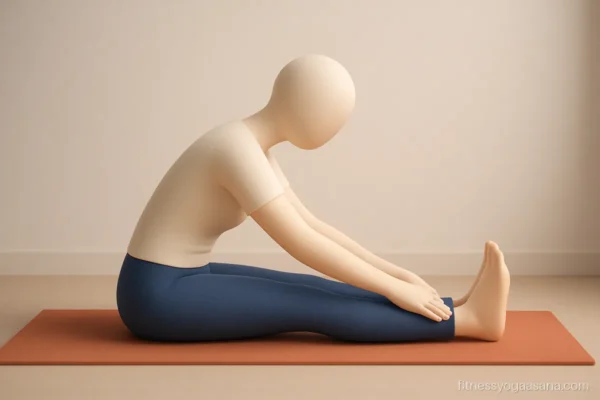 Hatha yogaThe classic body and breath branch of yoga, explained simply
 Ashtanga yogaTwo meanings: Patanjali's path and the vigorous vinyasa series
 Couple yoga posesPartner and group poses for couples, friends and challenges
 Kriya yogaPatanjali's yoga of action and the later breath meditation path
 Kundalini yogaBreath, movement, sound and meditation aimed at inner energy
 Hot yogaYoga in a heated room: how it works, benefits and risks
 Aerial yogaPoses supported by a fabric hammock hung from the ceiling
 Yin yogaLong, passive floor holds, and how restorative yoga differs