Kriya Yoga: Meaning, Traditions and Getting Started
Styles of yoga 3 illustrations Updated 2 Nov 2026
Kriya yoga means the yoga of action, and the name is used in two main ways. In Patanjali's Yoga Sutras, kriya yoga is a simple three part discipline: steady effort, self study and surrender. In a later tradition, kriya yoga is a set of breath and meditation techniques passed directly from teacher to student, often after a formal initiation.
This page explains both, clears up the separate meaning of kriyas in hatha yoga, and shows how to begin practising the spirit of kriya yoga at home without needing secret techniques.
- Meaning
- Kriya: action, practice
- Patanjali's version
- Tapas, svadhyaya, ishvara pranidhana
- Later tradition
- Breath and meditation methods, taught by initiation
- Hatha kriyas
- The six cleansing practices, shatkarma
- Main focus
- Breath, attention, inner discipline
- Start with
- Daily breathing and meditation
What is kriya yoga in the Yoga Sutras?
The second chapter of the Yoga Sutras opens by defining kriya yoga as three things practised together:
- Tapas: disciplined effort, the willingness to keep going when it is hard.
- Svadhyaya: self study, including reflection and the study of wise texts.
- Ishvara pranidhana: surrender, offering the results of effort to something larger.
These are also the last three of the five niyamas in the eight limbs. Patanjali presents kriya yoga as a practical starting point that reduces the causes of suffering.
Kriya yoga in pictures
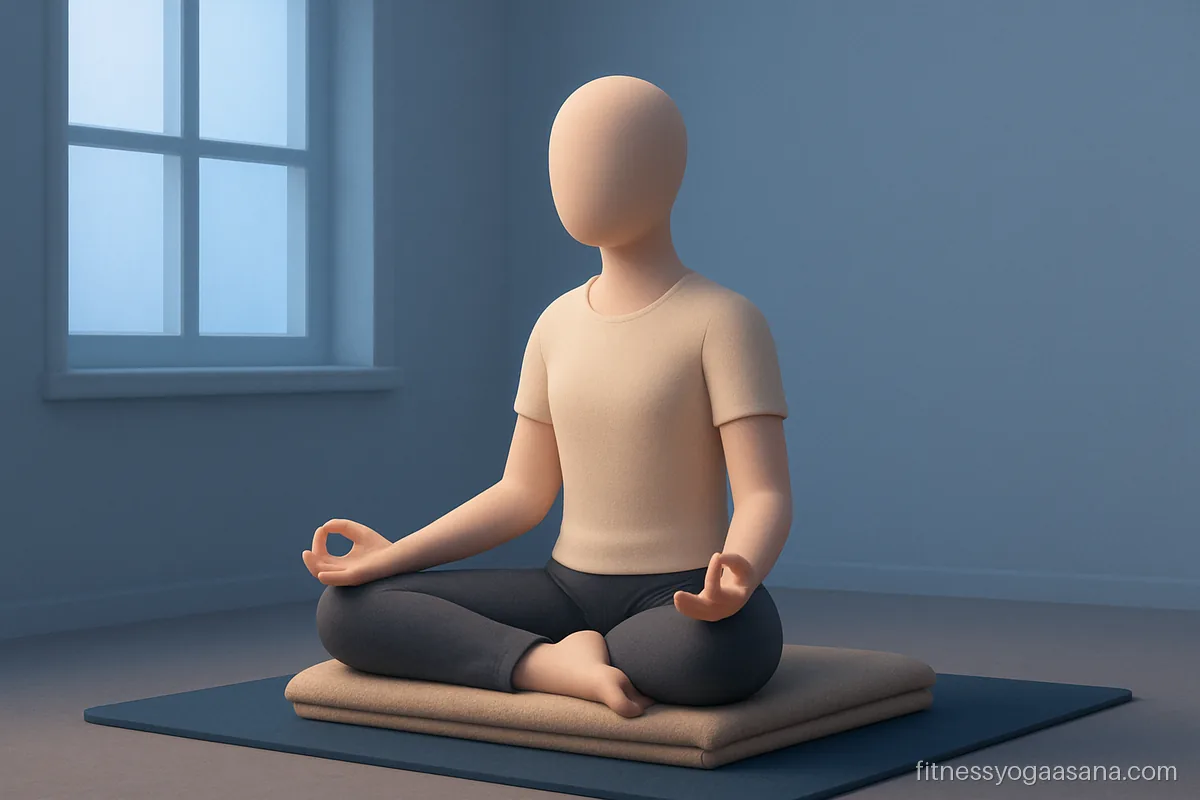
- Level
- Intermediate
- Hold
- 10 to 20 minutes
- Works on
- Breath, attention
Many kriya methods move attention up and down the spine with the breath. A straight, relaxed seat is essential.
Teacher's cue: Feel the inhale rise along the back and the exhale settle down it.

- Level
- All levels
- Hold
- 5 minutes
- Works on
- Reflection
Svadhyaya, self study, can be as simple as a few honest lines in a notebook after practice.
Teacher's cue: Write one thing you noticed about your mind today.
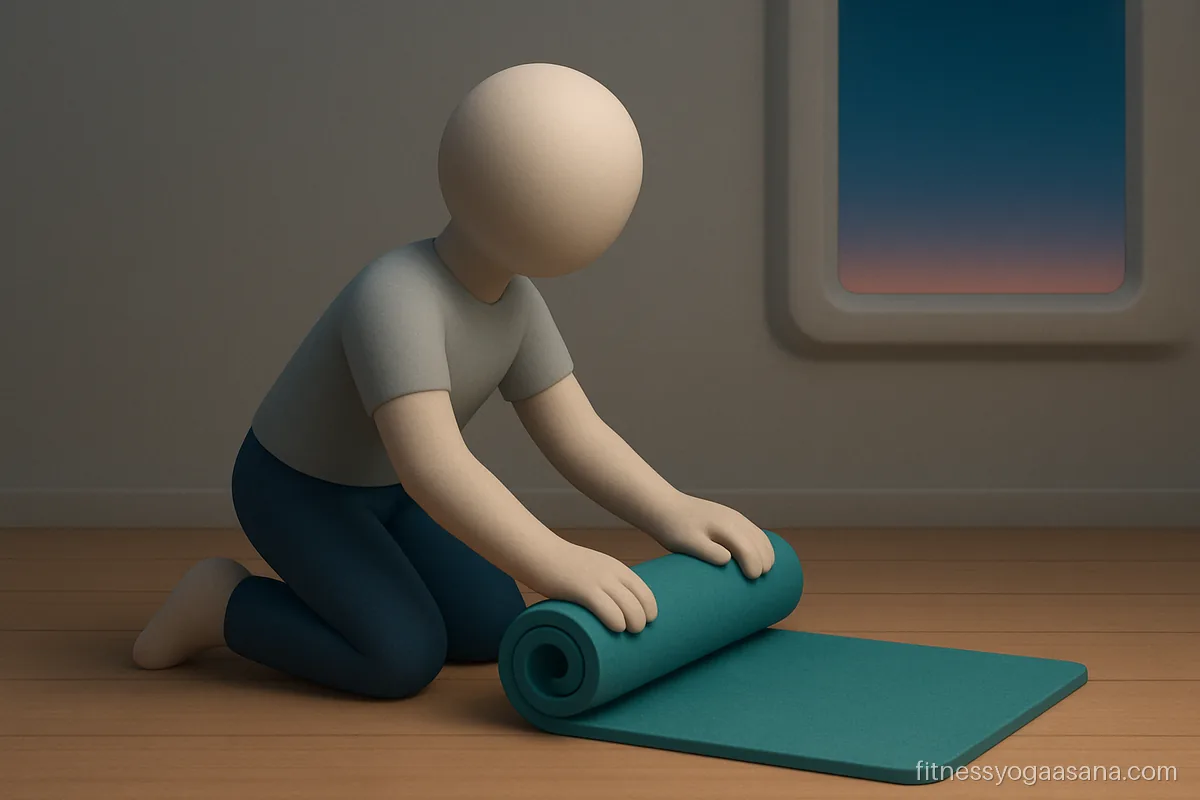
- Level
- All levels
- Hold
- Daily
- Works on
- Discipline
Tapas is steady effort: turning up on the mat each morning, especially on days you would rather not.
Teacher's cue: Make the habit small enough that you never skip it.
Kriya yoga as a meditation tradition
In the last two centuries, kriya yoga also became the name of a lineage of breath and meditation techniques. These usually involve slow breathing with attention moving along the spine, specific mudras and long periods of meditation. Students typically learn them from an authorised teacher after a preparatory course, and the details are traditionally not published. Various organisations teach versions under the kriya name, and some modern breathing programmes use similar words; they are separate from classical kriya yoga and from each other.
Kriyas in yoga: the cleansing practices
In hatha yoga, kriya also refers to cleansing techniques, the shatkarma: neti, dhauti, nauli, basti, trataka and kapalabhati. In kundalini yoga, a kriya means a set routine of postures, breath and sound. So when someone asks about kriyas in yoga, check which meaning they intend.
How to do kriya yoga and how to practice kriya yoga at home
You can practise Patanjali's kriya yoga without any initiation:
- Tapas: keep a small daily practice, 20 minutes of asana and breathing, every day.
- Svadhyaya: read one sutra or a page from a good text, then write a few lines of reflection.
- Ishvara pranidhana: end practice by letting go of how it went, with a moment of gratitude.
For breath work, nadi shodhana and slow ujjayi are safe foundations. If you want the lineage techniques, seek a qualified teacher.
Kriya yoga poses and the body
Kriya yoga poses are mostly seated meditation postures, such as padmasana, sukhasana or siddhasana, chosen so the spine stays straight for long sitting. Some teachers recommend a short asana practice before meditation to release stiffness, with surya namaskar and gentle twists.
Cautions
Intensive breath and meditation practice can bring up strong emotions or physical sensations. Build up slowly, and leave out lengthy breath retention in pregnancy or with a heart or blood pressure condition. If psychiatric illness is part of your history, involve both a teacher and your doctor before going deeper.
Practise on an empty stomach, move slowly into each position and stop at any sharp pain. If you have an injury, a health condition or are pregnant, check with a doctor or an experienced teacher first.
Questions people ask
What is kriya yoga in simple words?
The yoga of action. In Patanjali's text it means discipline, self study and surrender. In a later tradition it is a set of breath and meditation techniques taught by a teacher.
Can I learn kriya yoga at home?
You can practise the classical three part kriya yoga at home. The lineage techniques are traditionally learned from an authorised teacher.
Is kriya yoga the same as kundalini yoga?
No, though both work with breath and energy. See kundalini yoga for how it differs.
What are kriyas in yoga?
Depending on context: cleansing practices in hatha yoga, set routines in kundalini yoga, or the meditation techniques of the kriya lineage.
How long should kriya yoga practice be?
Start with 15 to 20 minutes a day of breathing and meditation and build gradually.
Practise next
 Yoga sutrasPatanjali's 196 sutras: definition, chapters and key ideas
 8 limbs of yogaPatanjali's eightfold path from ethics to deep meditation
 ShatkarmaNeti, dhauti, basti, nauli, trataka and kapalbhati explained
 Kundalini yogaBreath, movement, sound and meditation aimed at inner energy
 Yoga meditationHow yoga and meditation fit together, with a starter practice
 Raja yogaThe classical path of concentration and meditation
More in styles of yoga
 Types of yogaThe classic paths, modern styles and families of yoga asanas
 Hatha yogaThe classic body and breath branch of yoga, explained simply
 Ashtanga yogaTwo meanings: Patanjali's path and the vigorous vinyasa series
 Couple yoga posesPartner and group poses for couples, friends and challenges
 Hot yogaYoga in a heated room: how it works, benefits and risks
 Aerial yogaPoses supported by a fabric hammock hung from the ceiling
 Yin yogaLong, passive floor holds, and how restorative yoga differs
 Vinyasa yogaBreath linked flowing sequences, with a home flow