Sukhasana: Making Easy Pose Actually Easy
Yoga poses 4 illustrations Updated 2 Nov 2026
Sukhasana is the simple cross legged sitting posture used for breathing practice, meditation and chanting. Sukha means ease, comfort or happiness, so the name promises a pleasant seat. For many adults whose days are spent in office chairs, though, crossing the legs on the floor makes the lower back round and the knees float high, which is anything but easy. The fix is almost always a cushion.
This page shows how to set up sukhasana so the spine stays tall without effort, how to support the knees, how long to sit, a short breathing practice to begin with, and alternatives for people with stiff hips or sore knees. Searches for easy pose yoga, sukh asana and sukhasana yoga all describe this seat.
- Sanskrit
- Sukhasana (sukha: ease)
- English
- Easy pose, cross legged seat
- Level
- All levels
- Hold
- 5 to 20 minutes
- Key prop
- Firm cushion or folded blanket
- Used for
- Pranayama, meditation, chanting
How to do sukhasana
- Fold a blanket or place a firm cushion on the mat.
- Sit on its front edge so the pelvis tips slightly forward.
- Cross the shins, each foot resting below the opposite knee.
- Let the knees drop; if they stay high, slide blocks under them.
- Palms go on the knees, or rest one in the other in the lap.
- Lift gently through the crown and relax the shoulders.
- Breathe naturally; change the cross of the legs halfway through longer sits.
Sukhasana (easy) in pictures
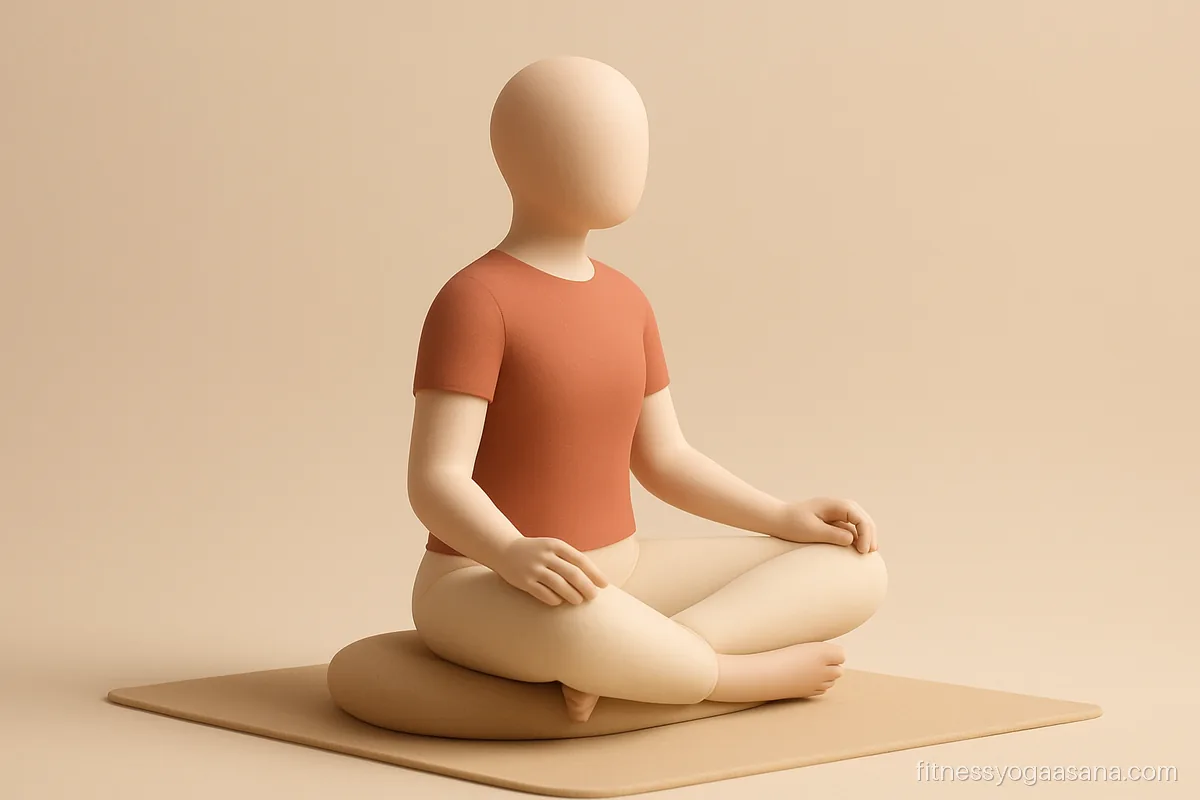
- Level
- All levels
- Hold
- 5 to 20 minutes
- Works on
- Upright posture
Sitting on the front edge of a cushion tilts the pelvis forward so the spine stacks up without strain.
Teacher's cue: Hips higher than knees, then everything else gets easier.
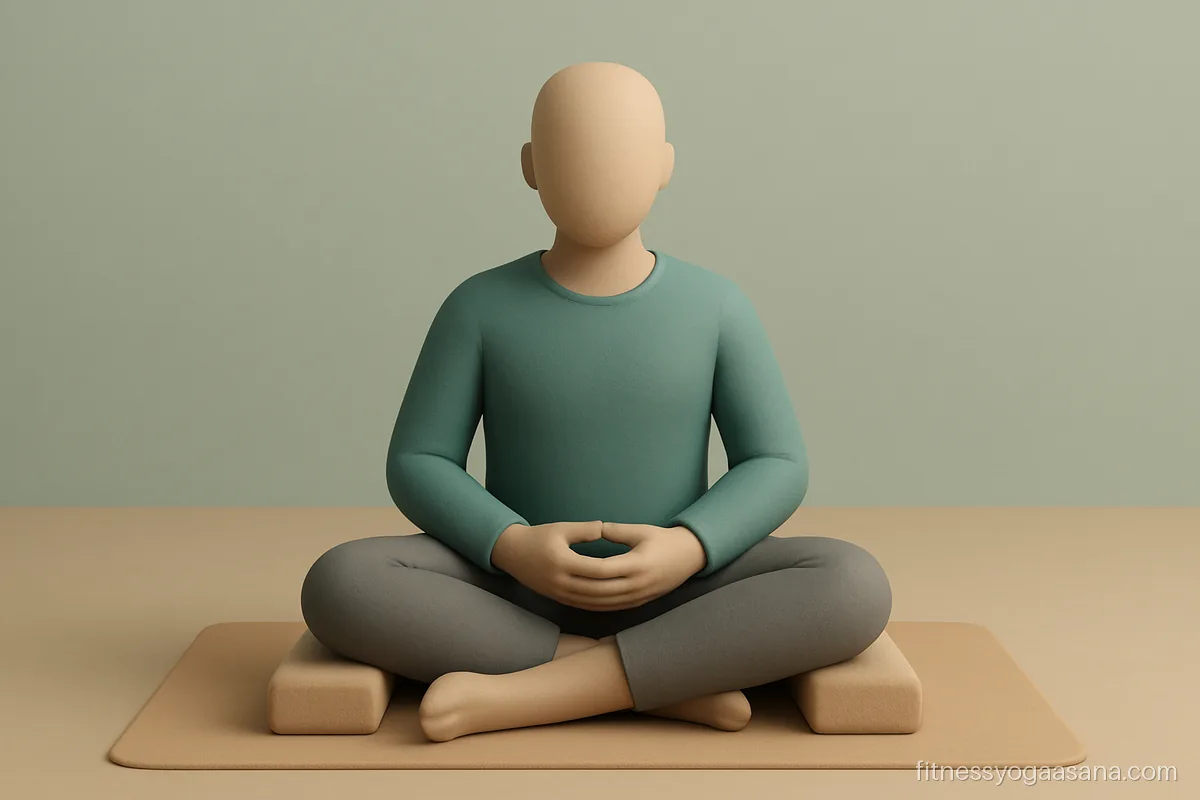
- Level
- Beginner
- Hold
- 5 to 10 minutes
- Works on
- Hip comfort
When the knees float, blocks or rolled towels underneath let the hip muscles relax.
Teacher's cue: Let the thighs rest down onto the support.
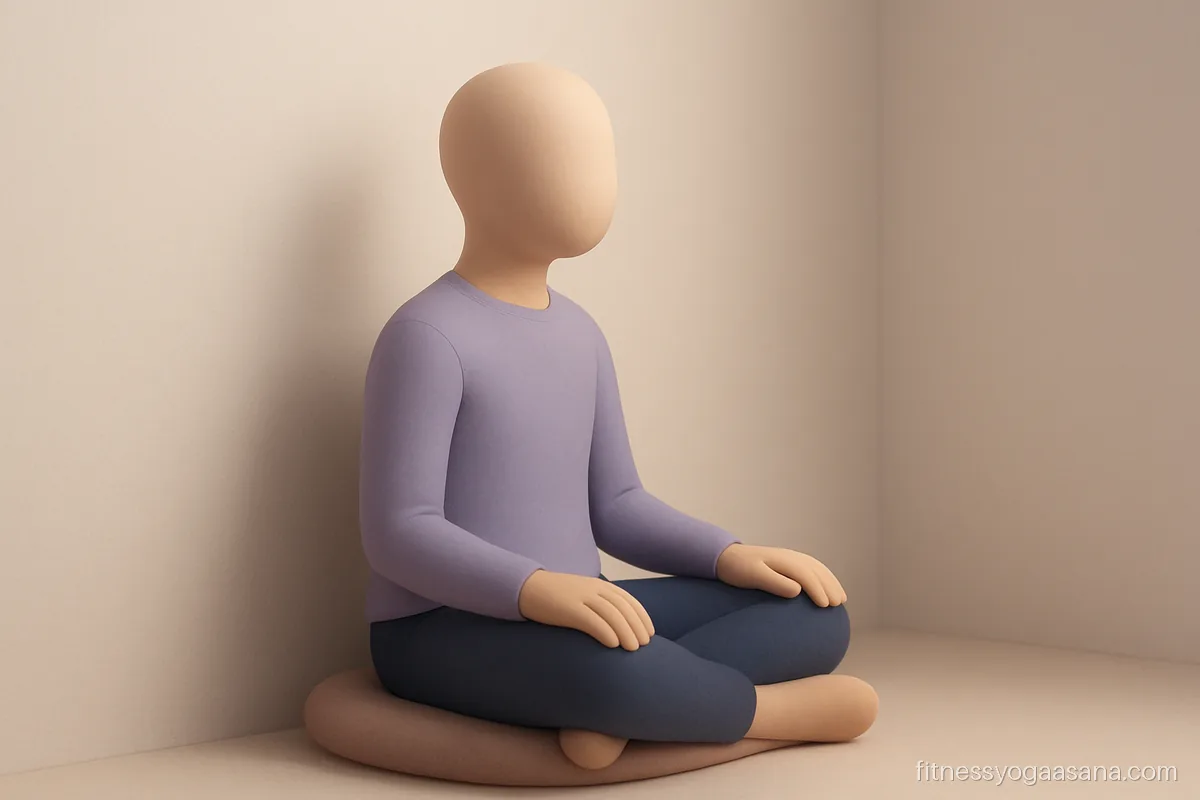
- Level
- All levels
- Hold
- 10 to 20 minutes
- Works on
- Supported sitting
A wall behind the back is a good option for longer sits or a tired back.
Teacher's cue: Leave a hand's width of air behind the waist.

- Level
- All levels
- Hold
- 5 minutes
- Works on
- Breath awareness
Resting the hands in a gesture on the knees helps the shoulders settle during breathing practice.
Teacher's cue: Relax the jaw and let the tongue rest.
Why cushion height matters
When the hips are lower than the knees, the pelvis tilts back and the lower spine rounds. The back muscles then work hard to hold you up, and they tire within minutes. Raising the hips on a cushion lets the pelvis tilt forward and the natural curve of the lower back return. Most beginners need ten to fifteen centimetres of height; very flexible people may need none. Experiment until sitting feels light.
A five minute breathing start
Sit in sukhasana, eyes closed. For one minute, simply notice the breath. For two minutes, stretch each outbreath so it outlasts the inbreath. For two more minutes, practise gentle alternate nostril breathing. End by resting the hands in chin mudra and sitting quietly. This short sequence is a good daily anchor for beginners.
Options for stiff hips and knees
- Higher seat: stack two cushions or sit on a low stool.
- Kneeling: vajrasana with a cushion between the heels.
- Chair: sit on the front half of a chair with feet flat; it counts.
- Legs out: sit against a wall with legs extended if knees are painful.
With knee replacements or recent knee injury, check with your doctor or physiotherapist before deep knee bending.
Sukhasana and other seated poses
Sukhasana is the gentlest of the classical meditation seats. Half lotus and full padmasana lock the legs more firmly but need open hips. Siddhasana places one heel in front of the other. Choose whichever lets you sit still with a tall spine and no pain; the seat serves the practice, not the other way round. More seated poses are on sitting yoga poses.
Benefits of easy pose
- Gently opens the hips and stretches the knees and ankles.
- Builds the postural muscles of the back when sat in regularly.
- Provides a stable base for breath work and meditation.
- Sitting on the floor and getting up again keeps hips and knees mobile, a useful ability with age.
Practise on an empty stomach, move slowly into each position and stop at any sharp pain. If you have an injury, a health condition or are pregnant, check with a doctor or an experienced teacher first.
Questions people ask
What is sukhasana in English?
Easy pose, the simple cross legged seat.
Why does my back hurt in sukhasana?
Usually the hips are too low. Sit on the edge of a firm cushion so the hips are higher than the knees.
What is a good sitting time in sukhasana?
Start with five minutes and build up to twenty, changing the leg cross halfway.
Is sukhasana good for the knees?
It is gentle for most people. Support the knees with blocks and avoid it if it causes knee pain.
What is the difference between sukhasana and padmasana?
Sukhasana simply crosses the shins. Padmasana places each foot on the opposite thigh and needs much more hip flexibility.
Practise next
 Padmasana (lotus)Lotus pose: the classic cross legged seat for meditation
 Vajrasana (thunderbolt)Kneeling on the heels: the seat traditionally used after meals
 Sitting yoga posesSeated asanas for breathing, flexibility and calm, with names
 Yoga meditationHow yoga and meditation fit together, with a starter practice
 Chin mudraThumb and index ring with palms resting face down
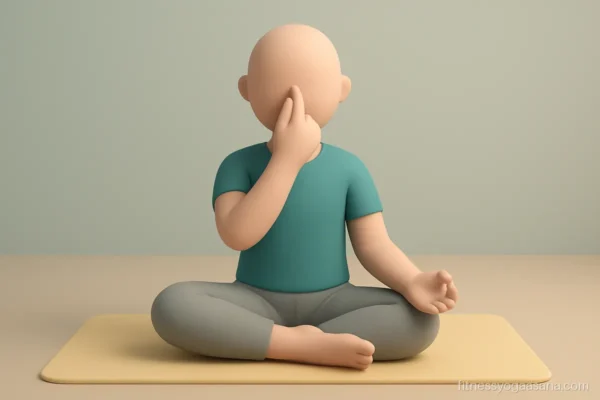 Anulom vilomSimple alternate nostril breathing, without breath holds
More in yoga poses
 Yoga asanas namesSanskrit and English names of common yoga poses, with pictures
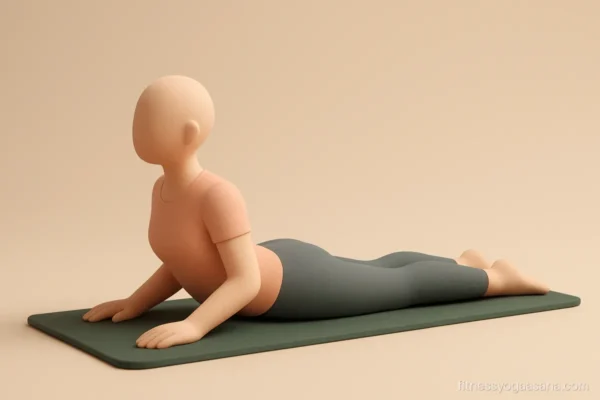 Bhujangasana (cobra)Cobra pose: a gentle back bend lying on the belly
 Standing yoga posesThe main standing asanas with names, pictures and a sequence
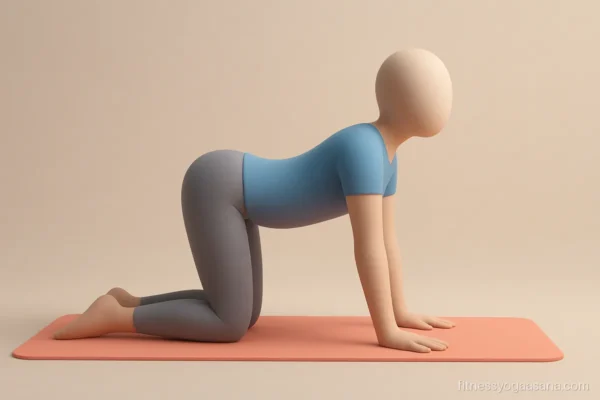 Cat cow poseA flowing spine warm up on hands and knees, linked to the breath
 Balasana (child)Child pose: a kneeling forward rest for the back and mind
 Butterfly poseSoles together, knees wide: a seated hip opener
 Tadasana (mountain)Mountain pose: the standing base for every other asana
 Vrikshasana (tree)Tree pose: a one leg balance for focus and steadiness