Chin Mudra: The Palm Down Seal of Awareness
Mudras 3 illustrations Updated 2 Nov 2026
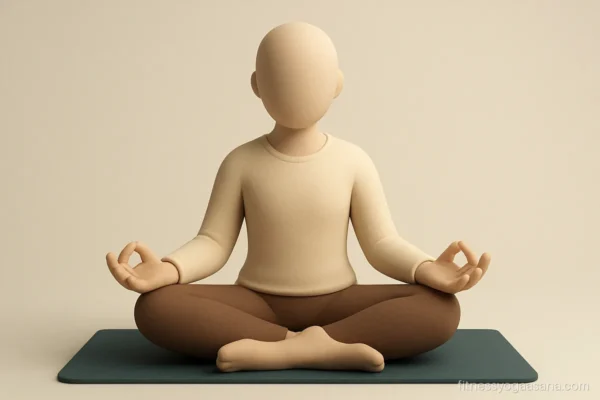
Chin mudra forms a small ring with the thumb and forefinger while the hand rests palm down on the thigh or knee. Chin comes from chit, consciousness, so the name means the seal of consciousness. It shares its finger shape with gyan mudra; the difference is the direction of the palm, and many teachers describe the palm down version as more grounding and introspective.
Here you will learn the hand position, how to choose between chin and gyan mudra, the traditional meaning, chin mudra benefits, and how to use it during pranayama.
- Meaning
- Chit: consciousness
- Fingers
- Thumb and index form a ring
- Palm
- Facing down on the thigh or knee
- Feel
- Grounding, inward
- Common use
- Pranayama and meditation
- Twin gesture
- Gyan mudra, palm up
How to form chin mudra
- Sit with a straight back on the floor or a chair.
- Lay both hands face down over the knees or thighs.
- Bring the tip of each forefinger to the tip of its thumb.
- Leave the remaining three fingers gently extended forward.
- Relax the shoulders and breathe through the nose.
A few lineages place the forefinger tip at the thumb’s root rather than its tip. Either form is fine.
Chin mudra in pictures
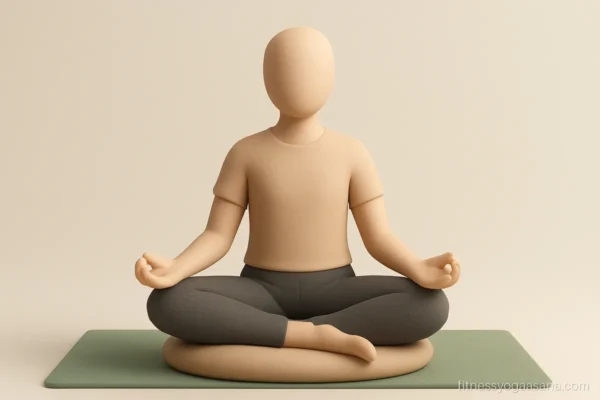
- Level
- All levels
- Hold
- 10 to 20 minutes
- Works on
- Grounding
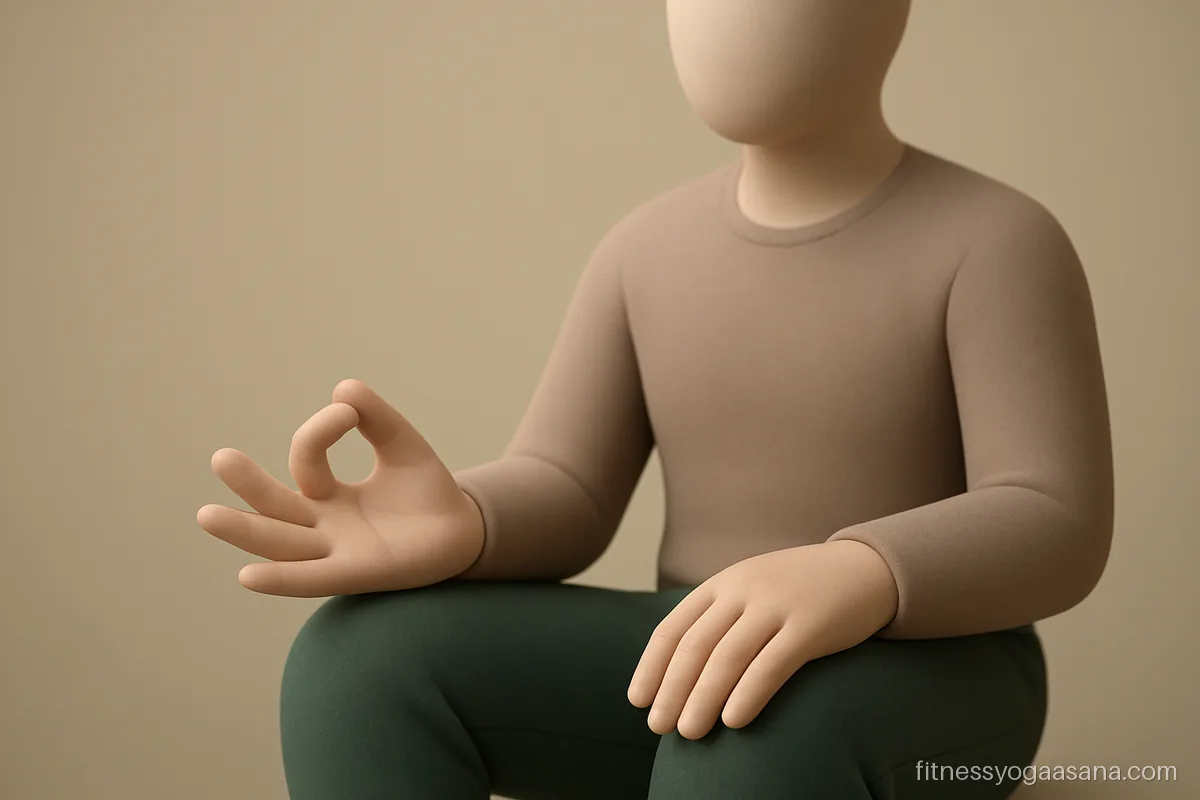
With the palm turned toward the floor, the ring of thumb and forefinger rests lightly on the knee.
Teacher's cue: Let the weight of the hand rest on the knee so the arm can relax.
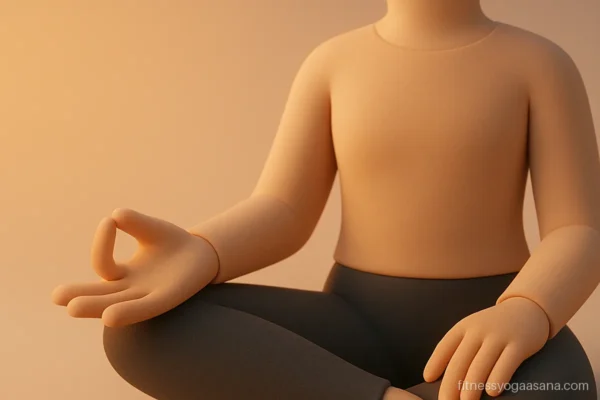
- Level
- All levels
- Hold
- Whole practice
- Works on
- Stillness
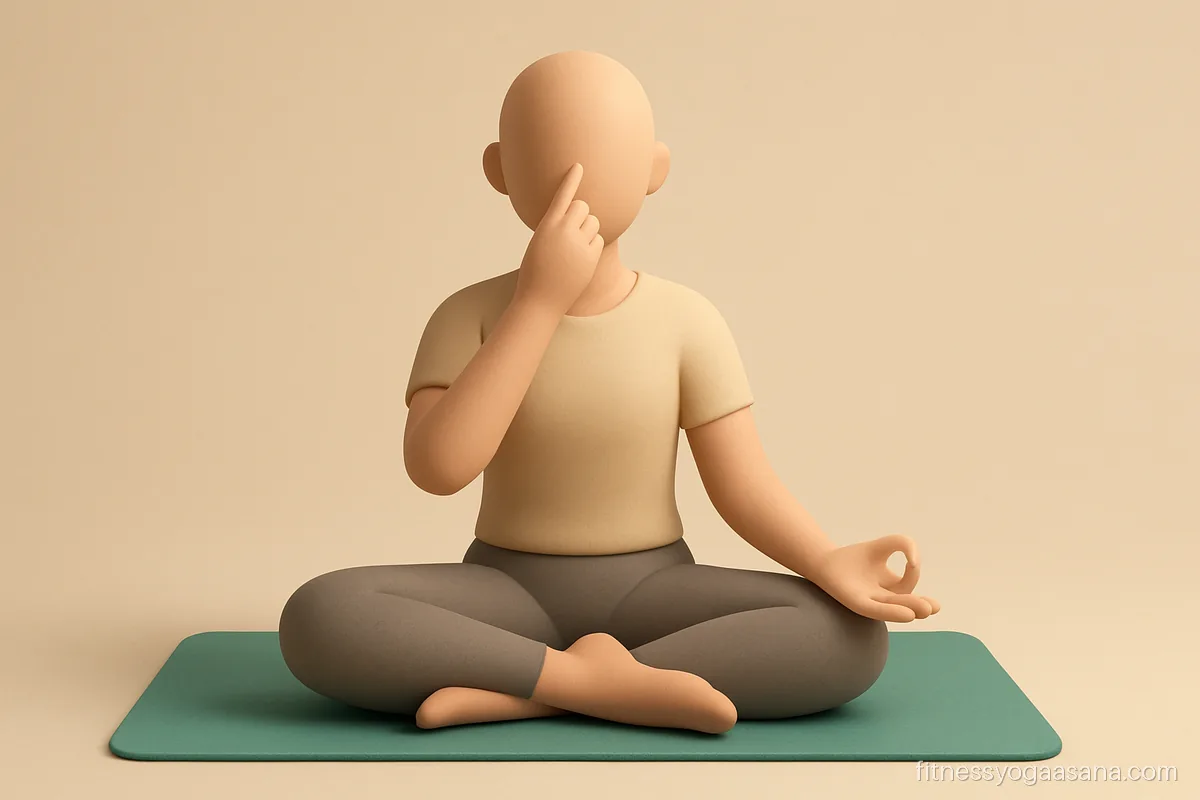
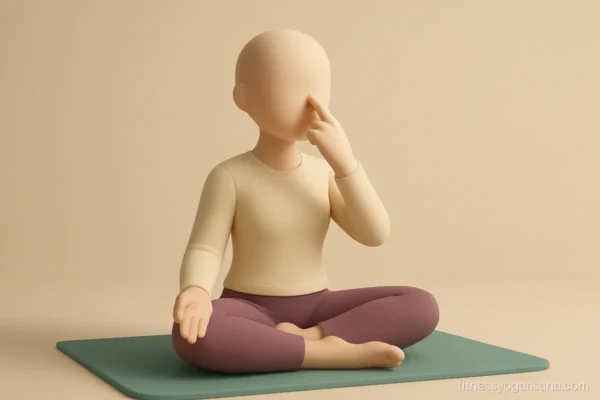
During nostril practices, the resting hand often holds chin mudra on the knee.
Teacher's cue: Keep the resting hand completely quiet while the other hand works.
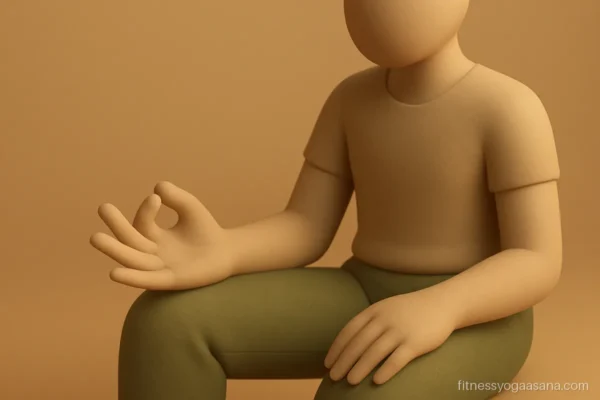
- Level
- All levels
- Hold
- 10 minutes
- Works on
- Settling
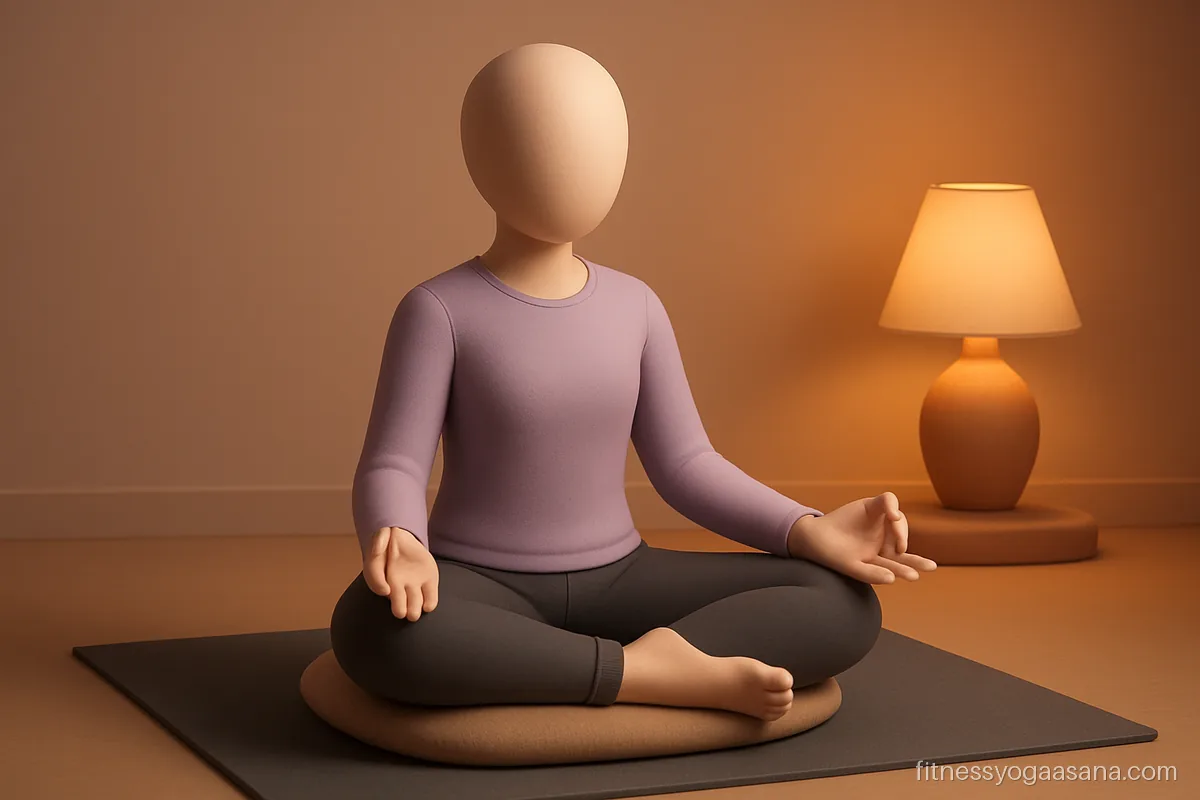
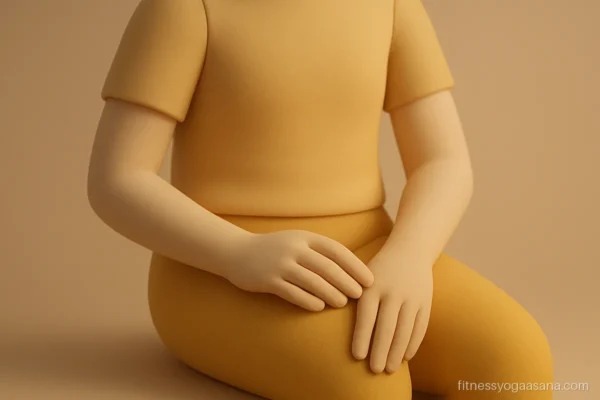
Many people prefer chin mudra for evening sitting, when the aim is to settle rather than lift energy.
Teacher's cue: Feel the warmth of the palms against the knees.
Chin mudra or gyan mudra?
The finger circle is identical. Palm up gives gyan mudra, often described as open and receptive. Palm down gives chin mudra, described as grounding and calming. Some teachers reverse these names, and some use them interchangeably. A practical guide: use chin mudra when you feel scattered or restless, and gyan mudra when you feel heavy or dull.
Meaning of the seal of consciousness
In the traditional explanation, the forefinger stands for the individual self and the thumb for universal consciousness; their meeting expresses unity. The three remaining fingers represent qualities to be transcended. Palm down is said to direct attention inward and downward, settling the mind.
Chin mudra benefits
Chin mudra benefits described by practitioners include a calmer mind, steadier attention and a more grounded feeling during breathing practice. Placing the palms down also tends to relax the shoulders and upper back, because the arms rest more naturally on the thighs. As with other mudras, research is limited; the value lies in supporting stillness during pranayama and meditation.
Some students also find that palm down hands keep them warmer in cool rooms, which makes long sittings more comfortable.
Using chin mudra in practice
The most common use is during anulom vilom and nadi shodhana: the right hand guides the nostrils while the left rests in chin mudra. It also suits the end of a session, sitting quietly for a few minutes before getting up. Its close cousin, with the last three fingers curled into the palm, is chinmaya mudra.
Practice tips
Keep the contact light; pressing hard creates tension. If the hands slide off the knees, rest them on the thighs closer to the hips. There are no risks. Many students find it useful to switch from gyan to chin mudra halfway through a long sit to notice the different feel. See all gestures on yoga mudra.
Mudras are a traditional practice and research on them is limited. Use them alongside, never instead of, the care your doctor advises.
Questions people ask
What is chin mudra?
A gesture in which the thumb and index finger form a ring while the hand rests palm down.
What is the difference between chin mudra and gyan mudra?
The finger position is the same. Chin mudra faces palm down; gyan mudra faces palm up.
When should I use chin mudra?
During breathing practice and meditation, especially when you want to feel grounded or calm.
What does chin mean?
Chin comes from chit, meaning consciousness.
How long can I hold chin mudra?
For as long as your breathing or meditation lasts, often 10 to 20 minutes.
Practise next
 Gyan mudraIndex tip to thumb tip, palm up: the classic meditation seal
 Chinmaya mudraThumb and index circle with three fingers curled: the rib breath gesture
 Nadi shodhanaChannel cleansing alternate nostril breath, with ratios
 Yoga mudraWhat mudras are, the main hand mudras and how to practise them
 Yoga meditationHow yoga and meditation fit together, with a starter practice
More in mudras
 Prana mudraRing and little fingertips meet the thumb, said to lift energy
 Yoni mudraThe interlaced hand gesture and the senses closing form
 Vayu mudraIndex finger folded under the thumb, for the air element
 Ashwini mudraA rhythmic pelvic squeeze and release from hatha yoga
 Surya mudraRing finger folded under the thumb, linked with warmth
 Linga mudraInterlaced fingers, one thumb upright: a warming two hand seal
 Khechari mudraTongue rolled back to the palate: the safe basic form only
 Prithvi mudraRing fingertip to thumb tip, a steadying earth gesture