Chinmaya Mudra: Breathing Into the Ribs
Mudras 3 illustrations Updated 2 Nov 2026
Chinmaya mudra makes a ring of the first finger and thumb, just like chin mudra, yet folds the remaining three fingers softly inward. Chinmaya can be translated as full of awareness or consciousness. In yoga classes it is used mainly during sectional breathing, where many students find it draws the breath into the middle of the chest and the sides of the ribs.
Below: forming chinmaya mudra, its partners in sectional breathing, a five minute routine, the usual list of chinmaya mudra benefits, and a reality check on them.
- Meaning
- Full of awareness
- Hand shape
- Thumb index circle, other fingers curled
- Breath area
- Middle chest and ribs
- Part of
- Sectional breathing with chin and adi mudra
- Hold
- 5 to 10 minutes
- Palms
- Down on the thighs
How to do chinmaya mudra
- Take a tall seat, floor or chair.
- Make a ring with each pointer finger and thumb.
- Fold the last three fingers lightly inward.
- Lay the backs of the fingers down so the palms face the thighs.
- Breathe slowly through the nose, noticing the middle chest and ribs.
- Carry on for up to ten minutes.
Chinmaya mudra in pictures
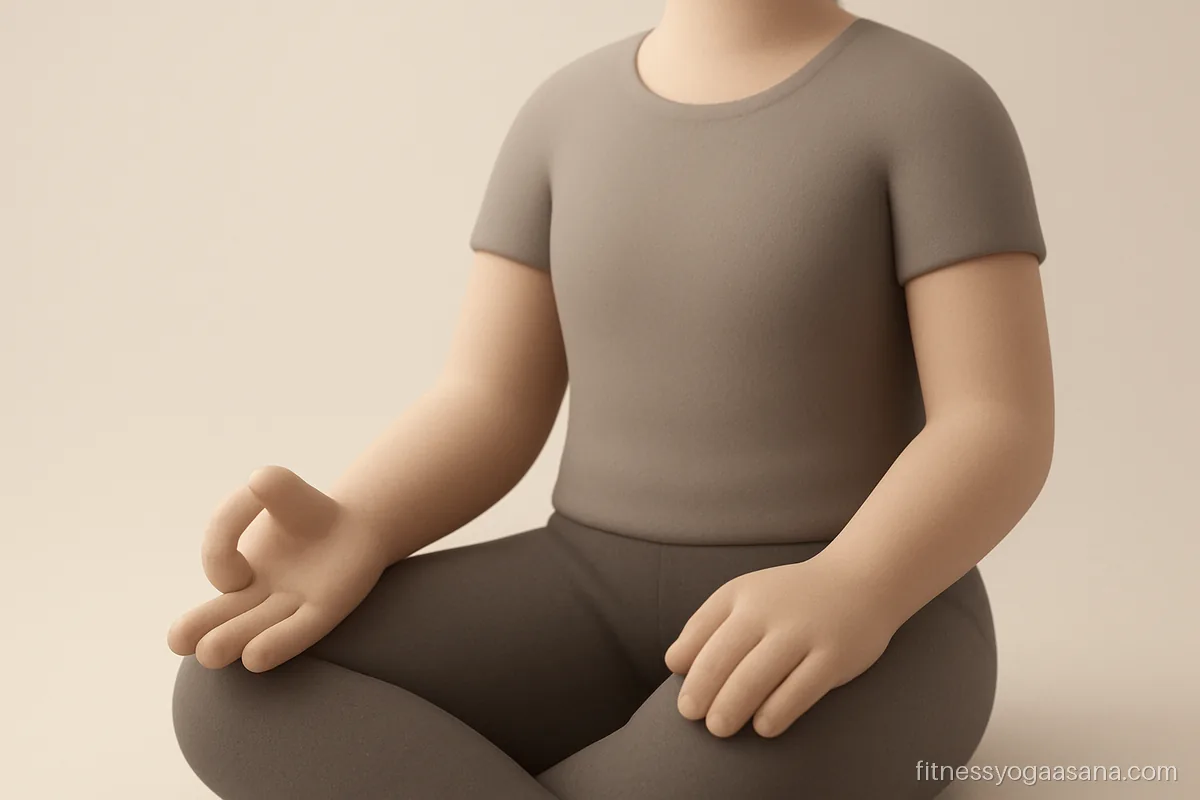
- Level
- All levels
- Hold
- 5 to 10 minutes
- Works on
- Rib breathing
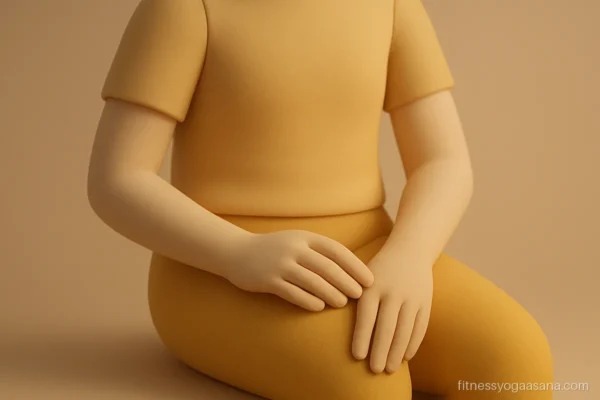
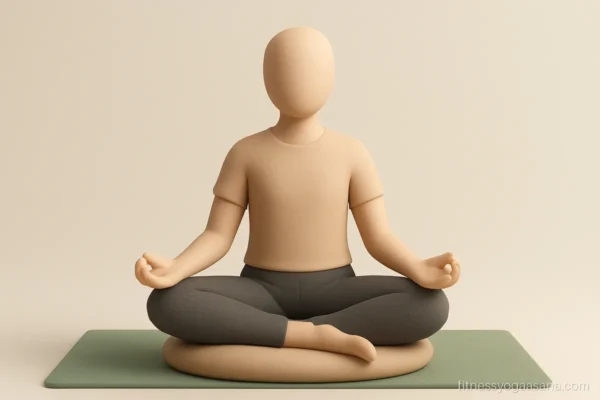
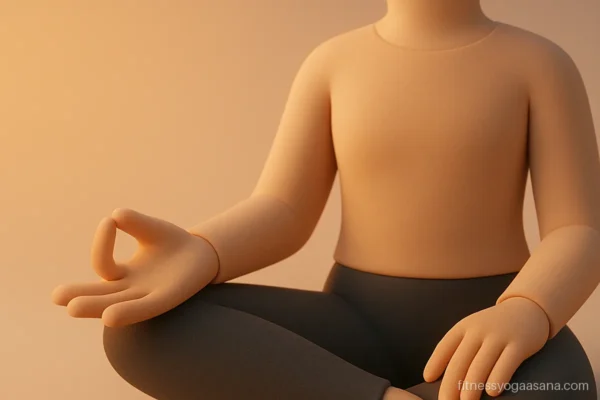
Thumb and pointer make a ring; the rest of the hand folds in like a loose bud.
Teacher's cue: Curl the fingers without making a tight fist.
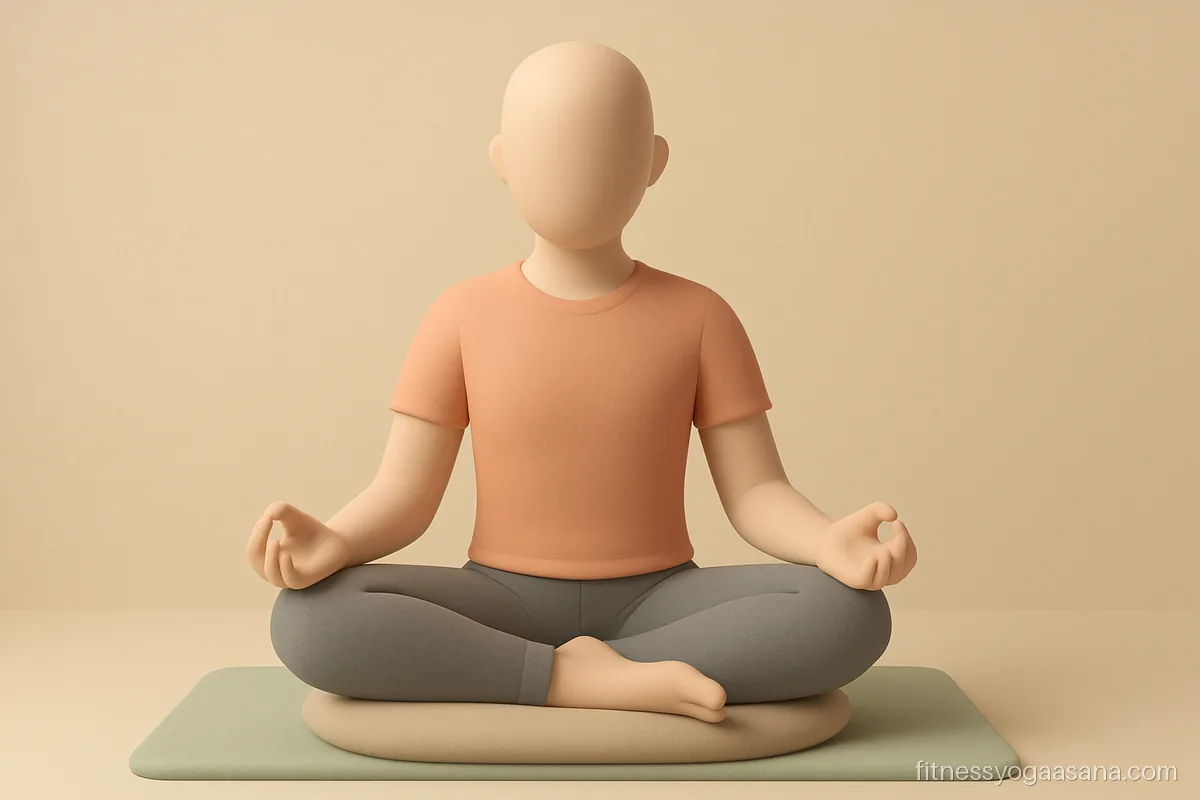
- Level
- All levels
- Hold
- 10 rounds
- Works on
- Side ribs
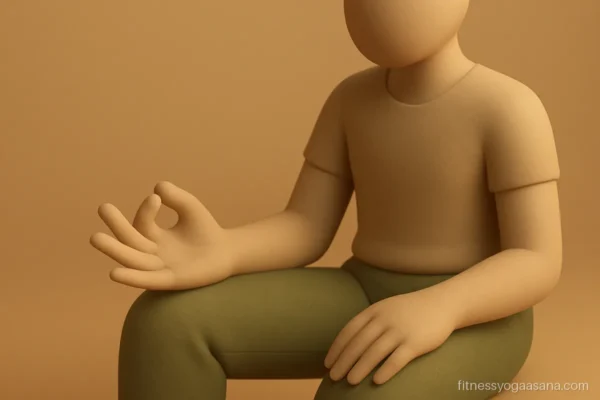
With the hands in chinmaya mudra, notice the ribs widen sideways on each inhale.
Teacher's cue: Feel the ribs open like an accordion.
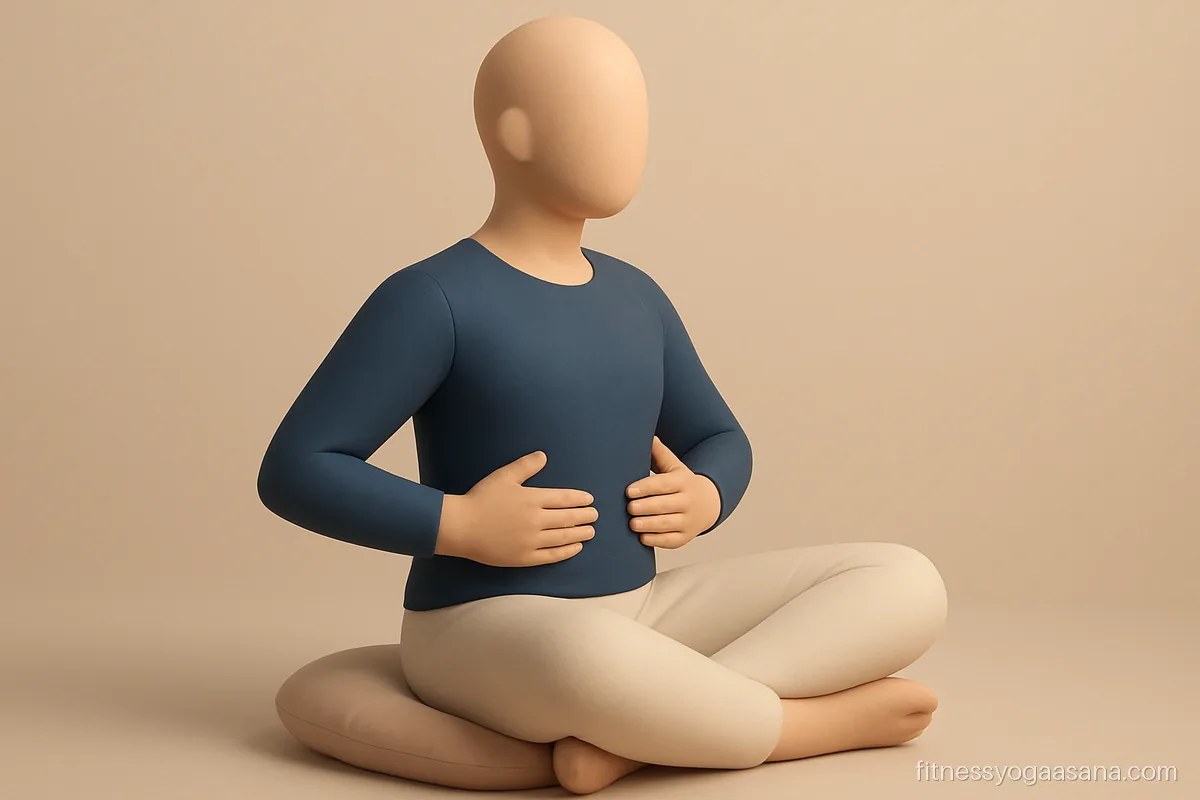
- Level
- All levels
- Hold
- 5 breaths
- Works on
- Breath awareness
Before using the gesture, place the hands on the ribs to feel what side breathing is like.
Teacher's cue: Breathe into the hands without lifting the shoulders.
Chinmaya mudra in sectional breathing
Some schools teach three gestures for three areas of the breath. Chin mudra, thumb and index touching with the other fingers straight, is linked with the lower belly. Chinmaya mudra is linked with the middle chest and ribs. Adi mudra, the thumb tucked into a soft fist, is linked with the upper chest. Ten breaths per gesture, then a merged full breath, teaches how air fills the torso from bottom to top.
A short practice
- Chin mudra: ten breaths, feeling the belly rise.
- Chinmaya mudra: ten breaths, feeling the ribs widen.
- Adi mudra: ten breaths, feeling the upper chest lift.
- Hands open: ten full breaths moving through all three areas.
The whole sequence takes about five minutes and makes a good opening for pranayama practice.
Chinmaya mudra benefits: claims and limits
Mudra books list chinmaya mudra benefits such as better breathing, improved digestion and a calmer mind. The breathing benefit is the most believable, but it likely comes from the attention you place on the ribs rather than the finger position itself. There is no research showing a direct effect on digestion or lung function. Use the gesture as a helpful focus for breath awareness.
If you notice the shoulders lifting when you breathe into the ribs, relax them on the exhale and try again with a smaller breath.
Who might prefer an open hand
Stiff or sore fingers need not stop you: lay the palms on the side ribs during the breathing and skip the gesture. People with ongoing breathing problems should follow their doctor's advice and use gentle breathing exercises only as an extra.
Mudras are a traditional practice and research on them is limited. Use them alongside, never instead of, the care your doctor advises.
Questions people ask
What is chinmaya mudra?
A ring of thumb and first finger with the last three fingers tucked in, used while breathing into the ribs.
What are chinmaya mudra benefits?
It helps focus attention on breathing into the ribs. Claims about digestion are not supported by research.
How does chinmaya differ from chin mudra?
In chin mudra the other three fingers are straight; in chinmaya mudra they curl into the palm.
How long should I hold chinmaya mudra?
Five to ten minutes, or ten breaths as part of sectional breathing.
Which way should the palms face?
Usually down on the thighs during sectional breathing.
Practise next
 Chin mudraThumb and index ring with palms resting face down
 Adi mudraThumb tucked inside a loose fist, used for calm breathing
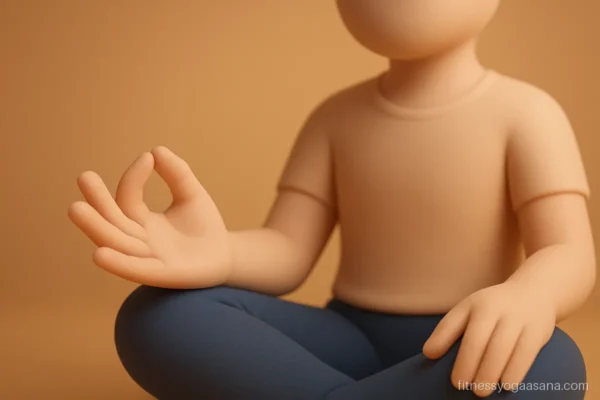 Gyan mudraIndex tip to thumb tip, palm up: the classic meditation seal
 PranayamaWhat pranayama is, how to start and every breathing practice
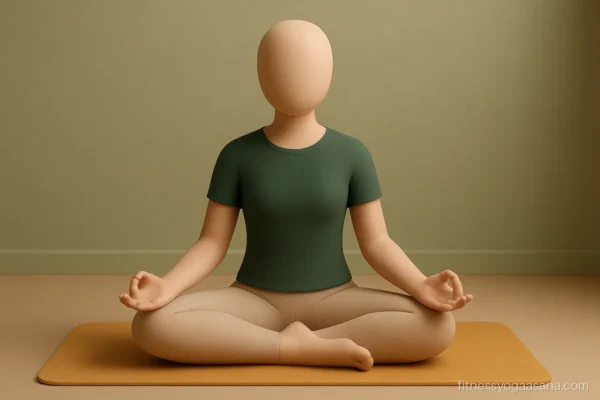 Types of pranayamaCalming, energising, cooling and balancing breath practices
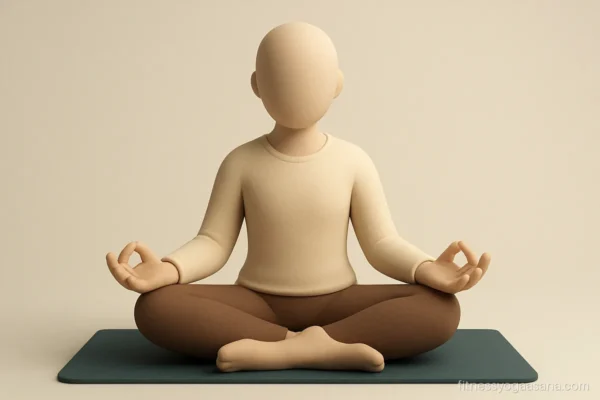 Yoga mudraWhat mudras are, the main hand mudras and how to practise them
More in mudras
 Prana mudraRing and little fingertips meet the thumb, said to lift energy
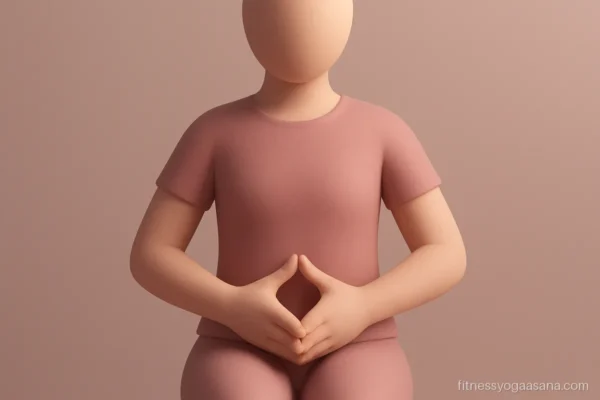 Yoni mudraThe interlaced hand gesture and the senses closing form
 Vayu mudraIndex finger folded under the thumb, for the air element
 Ashwini mudraA rhythmic pelvic squeeze and release from hatha yoga
 Surya mudraRing finger folded under the thumb, linked with warmth
 Linga mudraInterlaced fingers, one thumb upright: a warming two hand seal
 Khechari mudraTongue rolled back to the palate: the safe basic form only
 Prithvi mudraRing fingertip to thumb tip, a steadying earth gesture