Adi Mudra: The First Gesture
Mudras 3 illustrations Updated 2 Nov 2026
Adi mudra is formed by tucking the thumb into the palm at the base of the little finger and gently closing the other four fingers over it, making a soft fist. Adi means first or primal. The name comes from the observation that a newborn baby often holds the hand this way. It is also written aadi mudra.
In yoga classes adi mudra is mainly used during breathing practice, especially to help direct the breath to the upper chest and to support humming breath. This page covers how to form it, a short breathing practice that uses it, what people say about adi mudra benefits, how far those ideas hold up, and times when another gesture suits better.
- Meaning
- Adi: first, primal
- Also called
- Aadi mudra
- Hand shape
- Thumb inside, fingers lightly closed
- Used with
- Upper chest breath, bhramari
- Hold
- 5 to 10 minutes
- Tradition says
- Calms the nerves, quietens the mind
How to do adi mudra
- Take any seat that lets the back stay upright.
- Fold each thumb into its palm so its tip finds the base of the smallest finger.
- Curl the four fingers gently over the thumb to form a loose fist.
- Rest the fists on the thighs, palms facing down.
- Breathe through the nose, letting the breath fill the upper chest.
- Continue for five to ten minutes, then open the hands and shake them gently.
Adi mudra in pictures
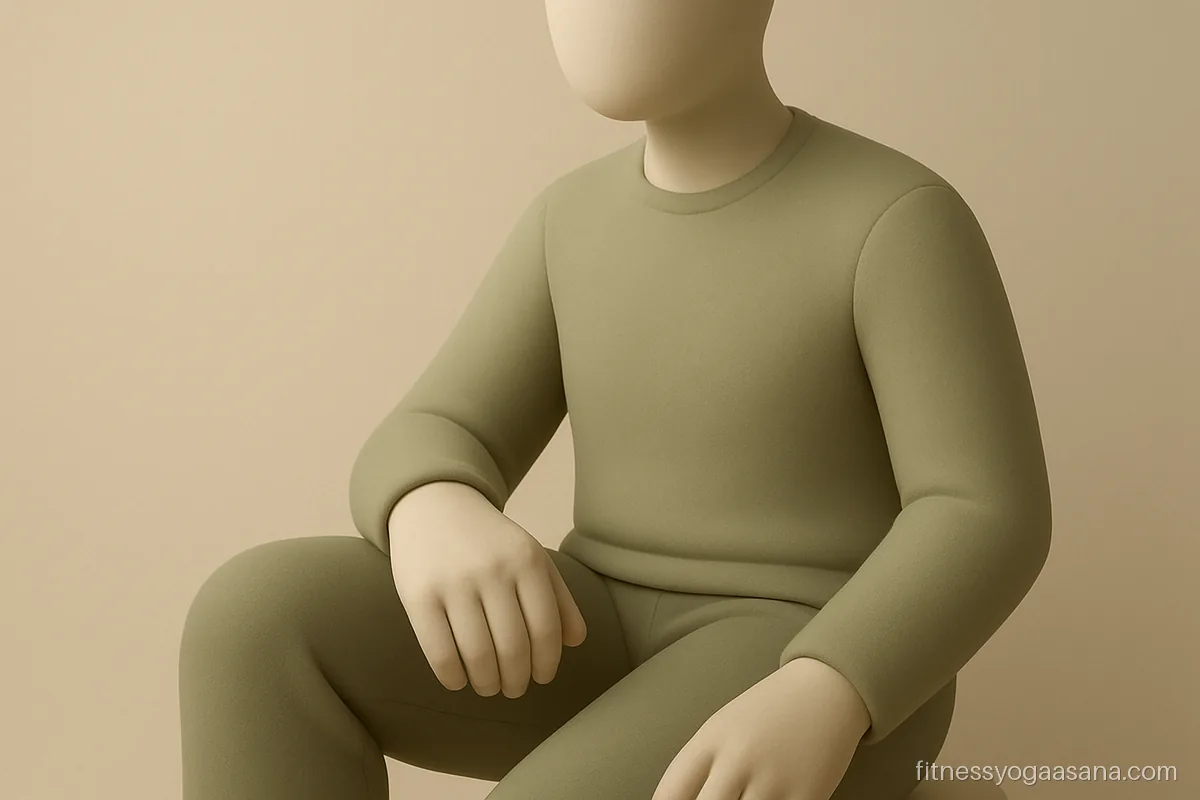
- Level
- All levels
- Hold
- 5 to 10 minutes
- Works on
- Calm
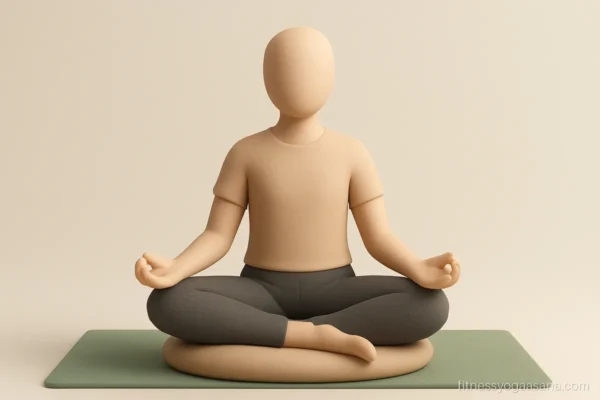
The thumb rests at the base of the little finger and the fingers close over it without squeezing.
Teacher's cue: Hold the fist as softly as you would hold a ripe fruit.
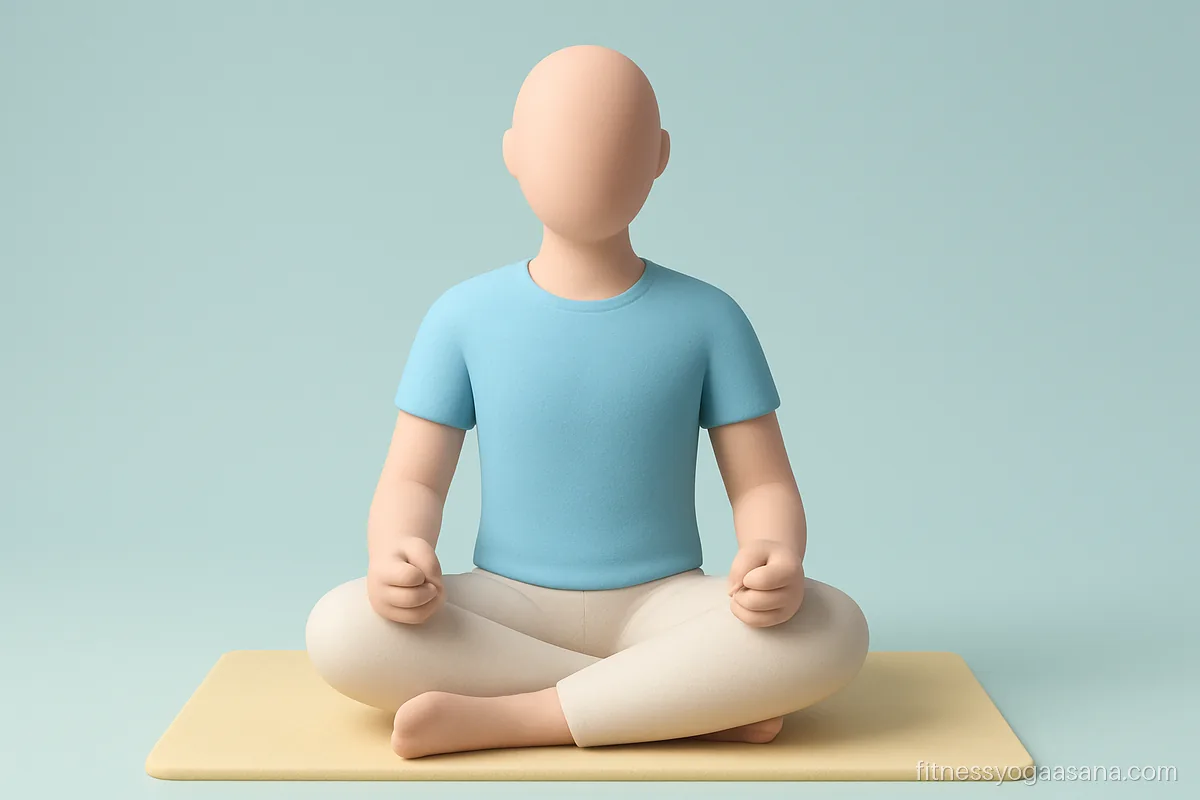
- Level
- All levels
- Hold
- 5 minutes
- Works on
- Upper chest breath
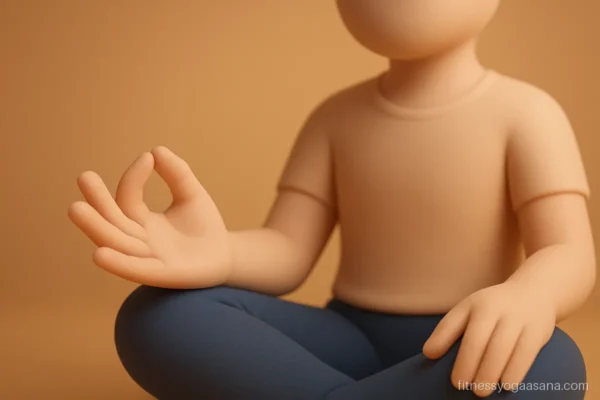
Resting the soft fists palm down on the thighs, many people feel the breath move higher into the chest.
Teacher's cue: Breathe slowly and notice the collarbones rise.

- Level
- All levels
- Hold
- 5 to 7 rounds
- Works on
- Relaxation
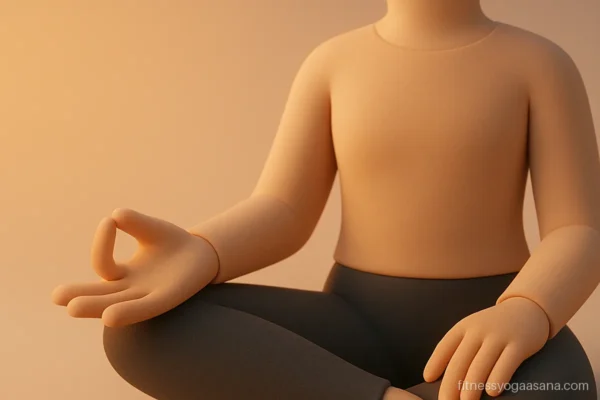
Adi mudra is often paired with humming breath to close a pranayama sitting.
Teacher's cue: Let the hum be low and steady, not loud.
Adi mudra with sectional breathing
Some yoga schools teach three hand gestures to explore three areas of the breath: chin mudra for the lower belly, chinmaya mudra for the middle ribs, and adi mudra for the upper chest. Sit with the hands in adi mudra and breathe slowly for ten rounds, noticing the movement just below the collarbones. Then combine all three areas in one full breath with the hands resting open. This is a gentle way to learn how breath moves in the body, explained further on types of pranayama.
Pairing with humming breath
Adi mudra is a natural partner for bhramari pranayama. Sit with soft fists on the thighs, inhale through the nose, and exhale with a low humming sound, feeling the vibration in the head and chest. Repeat five to seven times. Many people find this combination settling before sleep.
Adi mudra benefits: claims and limits
Traditional descriptions say adi mudra calms the nervous system, reduces snoring and improves the flow of oxygen to the head. It is also linked with the sense of security of an infant's grip. Only the calming effect is plausible, and that comes from slow breathing and sitting still rather than from the hand position itself. There is no evidence that the gesture improves oxygen levels, lung capacity or snoring. Enjoy it as a comfortable hand position for breathing practice.
When to choose a different gesture
If you have arthritis in the thumb or hand, tight fists may ache; rest the hands open instead. During meditation, the open dhyana mudra or chin mudra may feel more spacious. Anyone with ongoing breathing problems, such as asthma, should follow their doctor's treatment plan and use breathing practices only as an extra.
A five minute evening routine
Sit on the edge of the bed. Form adi mudra. Take ten slow nasal breaths into the upper chest. Do five rounds of humming breath. Then open the hands, rest them palms up and sit for one more minute. This short sequence makes a simple bridge between the busy day and sleep. Other hand shapes sit side by side on our yoga mudra guide.
Mudras are a traditional practice and research on them is limited. Use them alongside, never instead of, the care your doctor advises.
Questions people ask
What is adi mudra?
A hand gesture with the thumb tucked into the palm and the fingers loosely closed over it, used in breathing practice.
What are adi mudra benefits?
It is traditionally said to calm the nerves. The calming effect comes mostly from slow breathing done alongside it.
Is aadi mudra the same as adi mudra?
Yes, it is a different spelling of the same gesture.
Which pranayama goes with adi mudra?
Upper chest breathing and humming breath are the usual pairings.
How long should I hold adi mudra?
Five to ten minutes during breathing practice is typical.
Practise next
 Bhramari pranayamaThe humming bee breath: steps, benefits and how many rounds
 Chin mudraThumb and index ring with palms resting face down
 Types of pranayamaCalming, energising, cooling and balancing breath practices
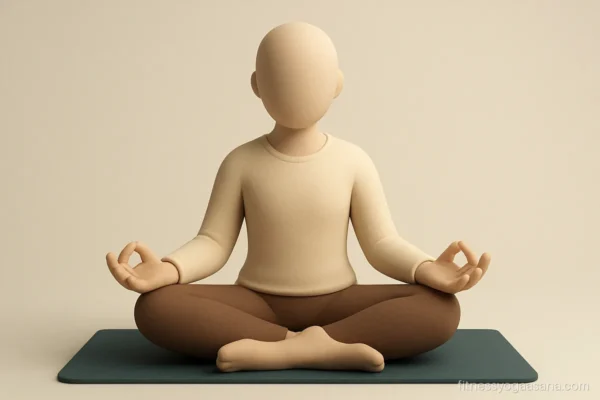 Yoga mudraWhat mudras are, the main hand mudras and how to practise them
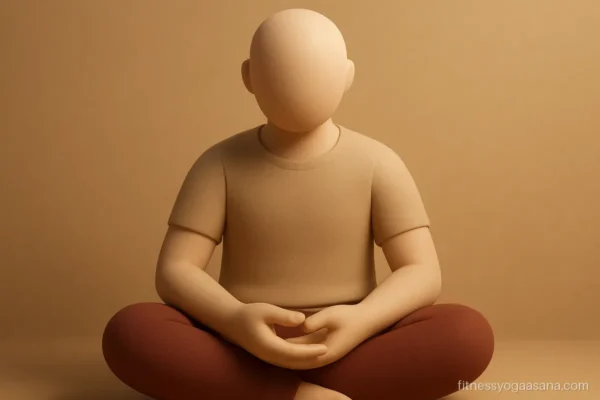 Dhyana mudraHands cradled in the lap, thumbs touching, for meditation
More in mudras
 Prana mudraRing and little fingertips meet the thumb, said to lift energy
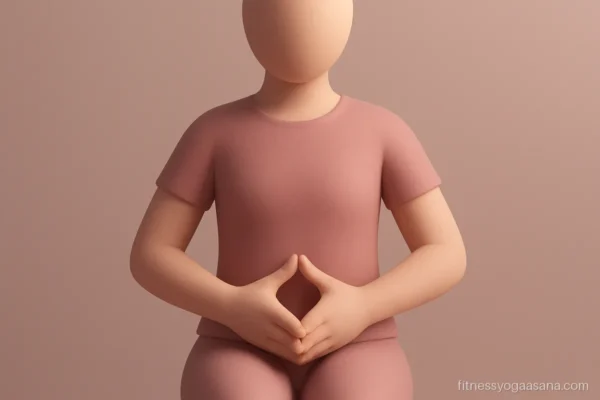 Yoni mudraThe interlaced hand gesture and the senses closing form
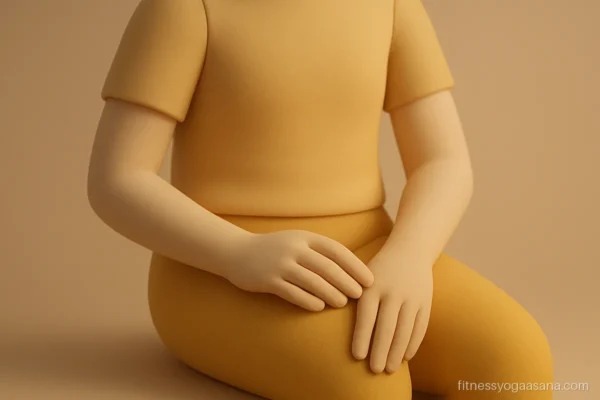 Vayu mudraIndex finger folded under the thumb, for the air element
 Ashwini mudraA rhythmic pelvic squeeze and release from hatha yoga
 Gyan mudraIndex tip to thumb tip, palm up: the classic meditation seal
 Surya mudraRing finger folded under the thumb, linked with warmth
 Linga mudraInterlaced fingers, one thumb upright: a warming two hand seal
 Khechari mudraTongue rolled back to the palate: the safe basic form only