Dhyana Mudra: Hands at Rest for Meditation
Mudras 3 illustrations Updated 2 Nov 2026
Dhyana mudra is the hand position of meditation: both palms face up in the lap, right resting inside left, and the thumbs meet above them in a soft oval. Dhyana means meditation, and this gesture is found in statues and paintings across Asia as the classic sign of deep stillness. It is also called dhyan mudra or simply the meditation mudra.
Read on for the exact setup, the symbolism given to each part, the way it supports attention, frequent errors and a brief daily sitting plan.
- Meaning
- Dhyana: meditation
- Hands
- Right hand resting in the left, palms up
- Thumbs
- Tips lightly touching
- Placement
- In the lap, near the navel
- Hold
- Whole meditation, 10 to 30 minutes
- Helpful sign
- Thumbs drifting apart shows the mind drifted
How to form dhyana mudra
- Sit in a steady posture: cross legged, half lotus, kneeling or on a chair.
- Lay the left hand in the lap, palm up, near the navel.
- Place the right hand on top of it, also palm up, fingers overlapping.
- Lift the thumbs and let their tips meet lightly above the palms.
- Relax the shoulders and let the elbows fall gently away from the sides.
- Keep this shape as you meditate.
Some traditions reverse the hands, with the left on top. Choose one and stay with it.
Dhyana mudra in pictures
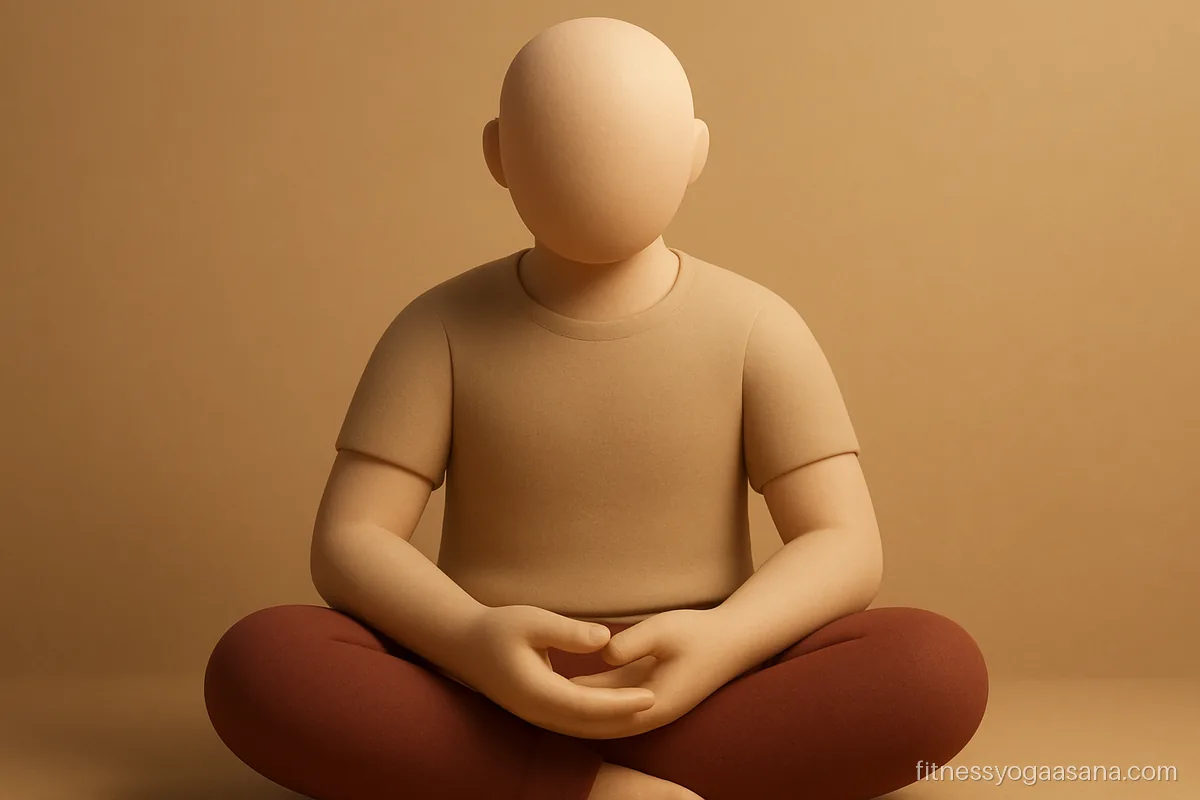
- Level
- All levels
- Hold
- 10 to 30 minutes
- Works on
- Stillness
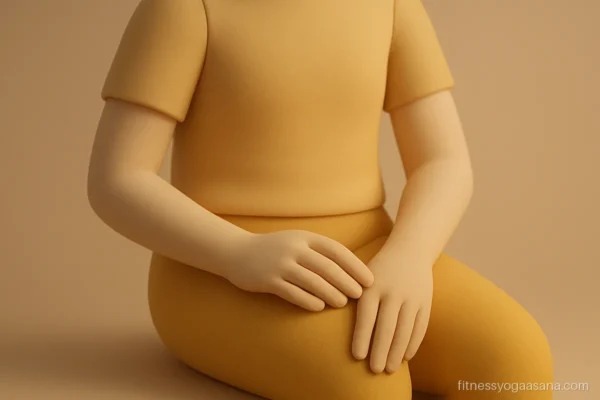
The two palms stack like a shallow bowl, and the thumbs meet above them to close the oval.
Teacher's cue: Imagine the thumbs are holding a thin sheet of paper between them.
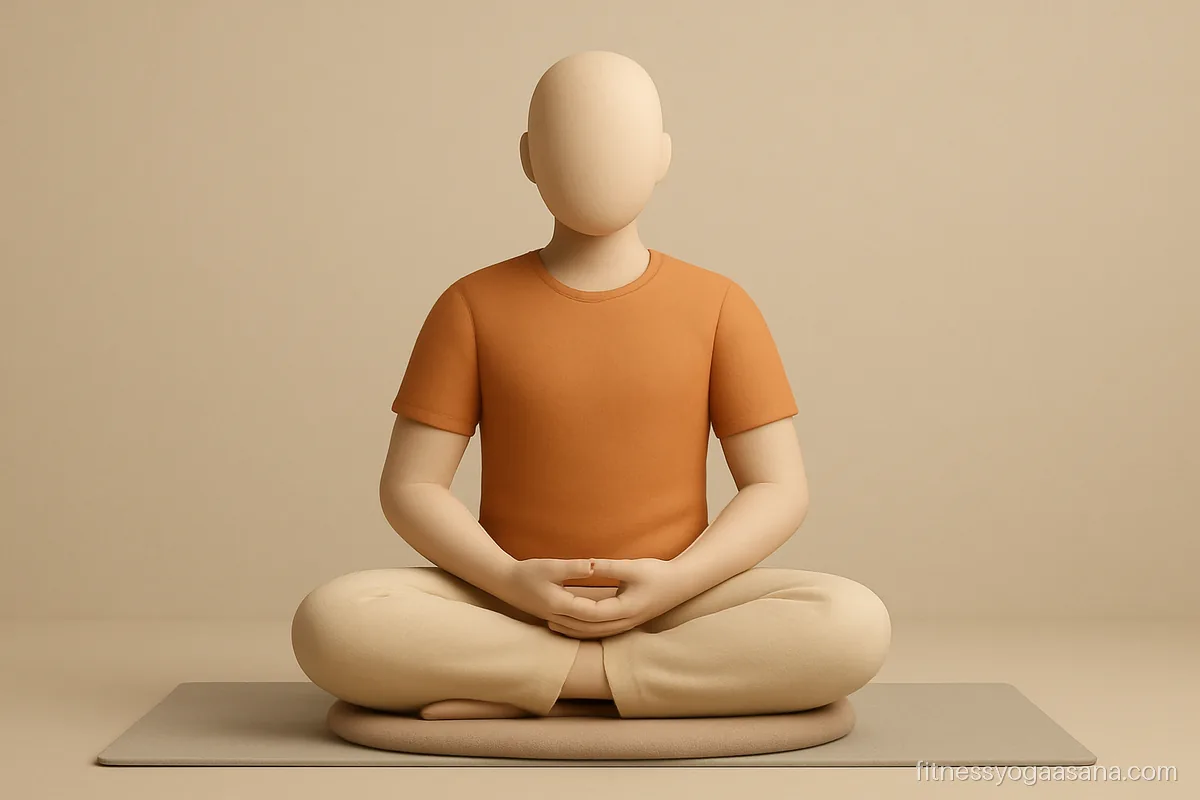
- Level
- All levels
- Hold
- 10 to 20 minutes
- Works on
- Meditation
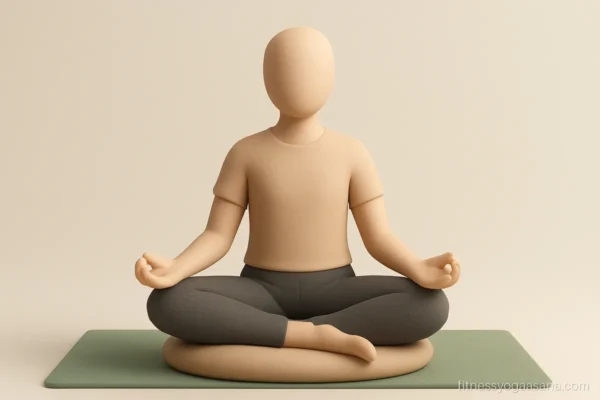
In a full sitting posture, the hands in dhyana mudra rest just below the navel, elbows relaxed away from the body.
Teacher's cue: Let the hands sink into the lap so the shoulders can let go.
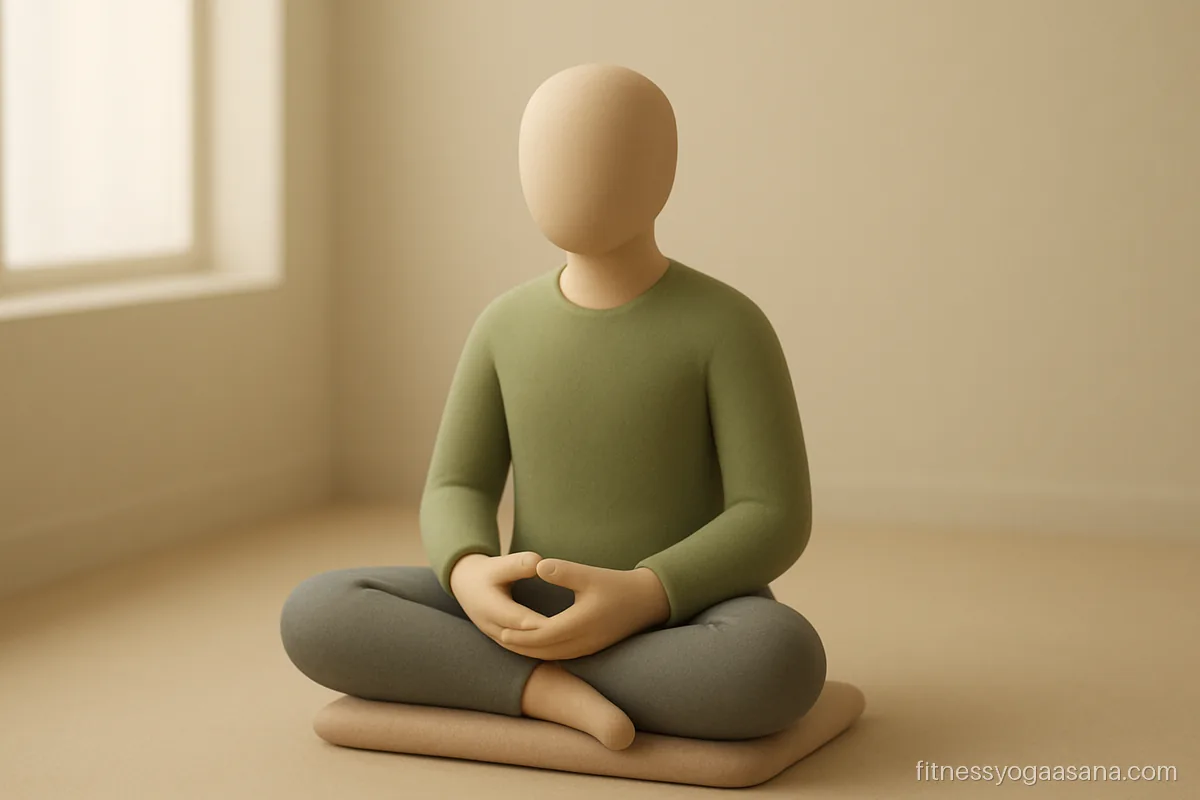
- Level
- All levels
- Hold
- As long as you sit
- Works on
- Comfort
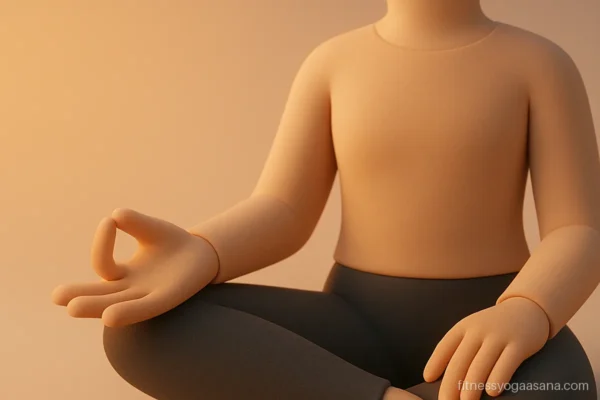
If the arms tire, place a small cushion on the lap so the hands rest at the right height.
Teacher's cue: Raise the hands with support rather than holding them up.
Meaning of the meditation mudra
The open palms are said to show receptivity, the stacked hands balance, and the circle of the thumbs unity and completeness. In Buddhist and Hindu art, this gesture marks a figure in deep meditation. The symbolism is optional; the practical value is a stable, comfortable resting place for the hands.
Dhyana mudra benefits
The gesture keeps the hands still without effort, which removes one source of fidgeting. Many teachers point out a useful feedback signal: if the thumbs press hard together, you are tense; if they drift apart, attention has drifted or you are getting sleepy. Gently restoring the light touch brings you back. Dhyana mudra benefits beyond this, such as specific effects on the brain, have not been studied; the known benefits come from meditation itself, which may help stress, attention and sleep.
Common mistakes
| Mistake | Fix |
|---|---|
| Hands held high by the arms | Let them rest in the lap or on a cushion |
| Thumbs pressed tightly | Touch so lightly the pressure is barely felt |
| Hands too far from the body | Bring them in toward the navel |
| Shoulders lifting | Drop the elbows and widen the collarbones |
A ten minute sit with dhyana mudra
Sit, form the mudra and take three slow breaths. Then let the breath be natural and rest attention on the light contact of the thumbs. Each time you notice the mind wandering, check the thumbs and return. When the ten minutes end, let the hands slide to the knees and pause a little longer. For more on sitting practice, see yoga meditation, and compare with gyan mudra, which is held on the knees.
Mudras are a traditional practice and research on them is limited. Use them alongside, never instead of, the care your doctor advises.
Questions people ask
What is dhyana mudra?
The meditation hand position: the right hand rests in the left palm in the lap, with the thumb tips touching.
Is dhyan mudra the same as dhyana mudra?
Yes, dhyan is the Hindi spelling of the same word.
Which hand goes on top in dhyana mudra?
Usually the right on top of the left, though some traditions reverse it.
How long can I hold dhyana mudra?
For your whole meditation, often 10 to 30 minutes.
Why do my thumbs separate during meditation?
It often means attention or alertness has dropped. Gently restore the touch and continue.
Practise next
 Yoga meditationHow yoga and meditation fit together, with a starter practice
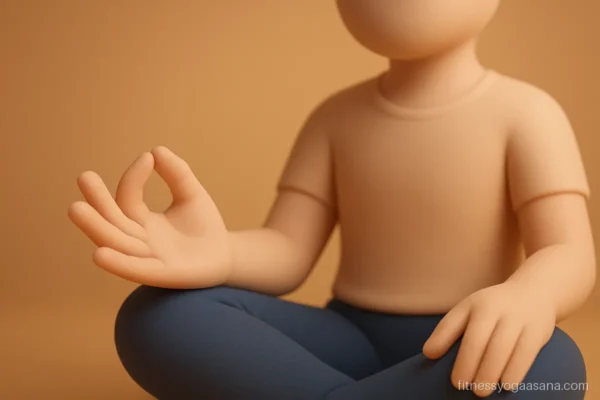 Gyan mudraIndex tip to thumb tip, palm up: the classic meditation seal
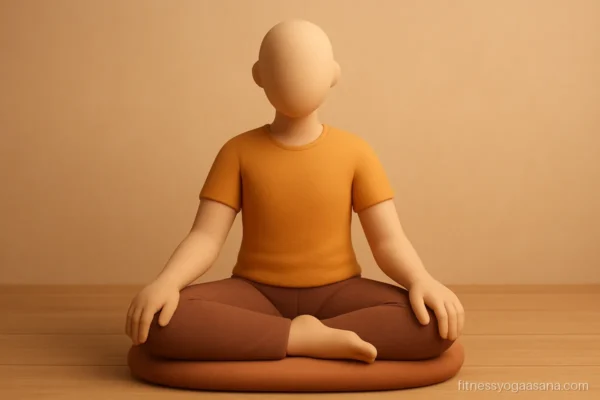 Bhumisparsha mudraFingertips reach down to the ground: the gesture of steadiness
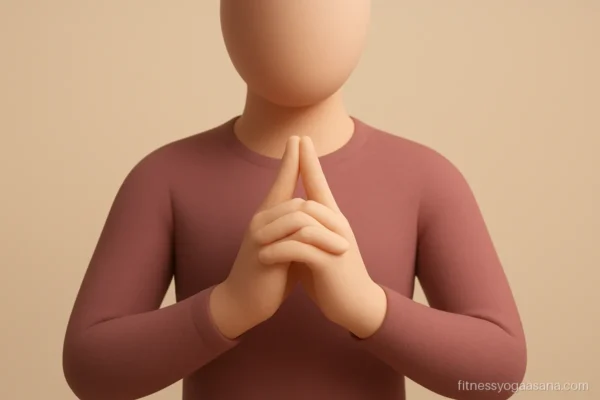 Uttarabodhi mudraFingers laced, index fingers raised, thumbs down: an uplifting seal
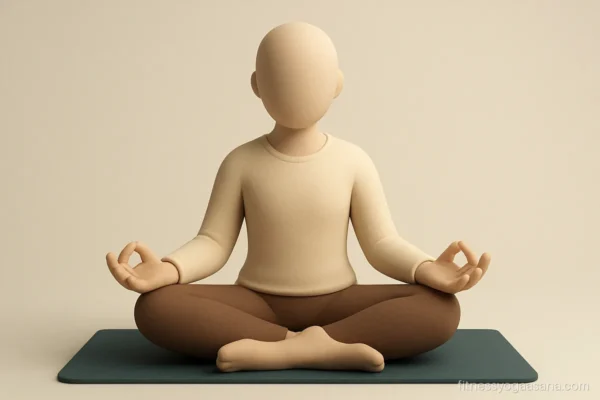 Yoga mudraWhat mudras are, the main hand mudras and how to practise them
More in mudras
 Prana mudraRing and little fingertips meet the thumb, said to lift energy
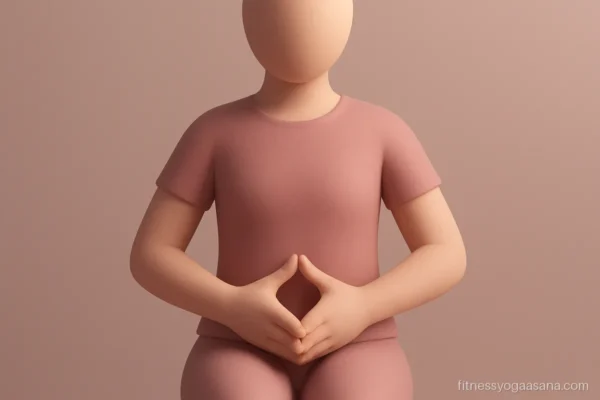 Yoni mudraThe interlaced hand gesture and the senses closing form
 Vayu mudraIndex finger folded under the thumb, for the air element
 Ashwini mudraA rhythmic pelvic squeeze and release from hatha yoga
 Surya mudraRing finger folded under the thumb, linked with warmth
 Linga mudraInterlaced fingers, one thumb upright: a warming two hand seal
 Khechari mudraTongue rolled back to the palate: the safe basic form only
 Prithvi mudraRing fingertip to thumb tip, a steadying earth gesture