Bhumisparsha Mudra: The Earth Touching Gesture
Mudras 3 illustrations Updated 2 Nov 2026
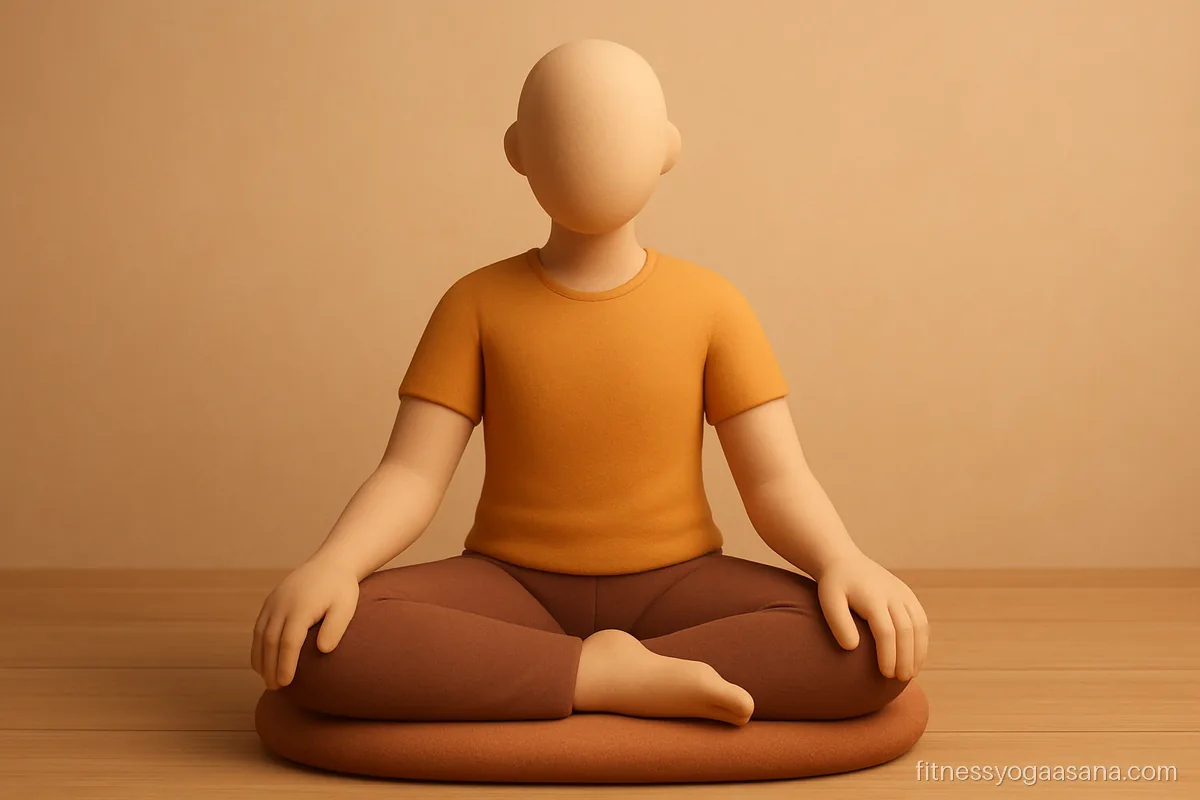
Bhumisparsha mudra is the earth touching gesture. One hand lies open on the lap, palm skyward, while the right hand hangs over the right knee, palm inward, with the fingertips reaching down to touch the ground. Bhumi means earth and sparsha means touch. In Buddhist art it marks a moment of steadfast resolve, the earth called on as witness, and it stands for groundedness and calm determination.
Three other gestures from the same artistic tradition are searched for just as often: dharmachakra mudra, the teaching wheel; karana mudra, the warding gesture; and varada mudra, the giving hand. This page explains how to form each one, what it traditionally means, and how you can use them in a quiet sitting practice today.
- Meaning
- Bhumi: earth; sparsha: touch
- Right hand
- Over the knee, fingertips to the floor
- Left hand
- Palm up in the lap
- Symbol
- Steadiness, resolve, being grounded
- Related
- Dharmachakra, karana, varada mudra
- Hold
- 5 to 15 minutes of sitting
How to form bhumisparsha mudra
- Sit cross legged on a cushion high enough that the knees are near the floor.
- Lay the left palm open on your lap.
- Rest the right palm on the right knee.
- Let the right hand slide forward over the kneecap until the fingers hang down.
- Allow the fingertips to touch the floor or a folded blanket lightly.
- Keep the spine tall and breathe quietly for five to fifteen minutes.
If the floor is too far, place a book or folded blanket under the fingertips so the shoulder can relax.
Bhumisparsha mudra in pictures
- Level
- All levels
- Hold
- 5 to 15 minutes
- Works on
- Grounding
The right arm hangs relaxed over the knee so the fingertips just brush the floor; the other palm lies open on the lap.
Teacher's cue: Let the arm hang from the shoulder rather than reaching.
- Level
- All levels
- Hold
- 3 to 5 minutes
- Works on
- Clarity
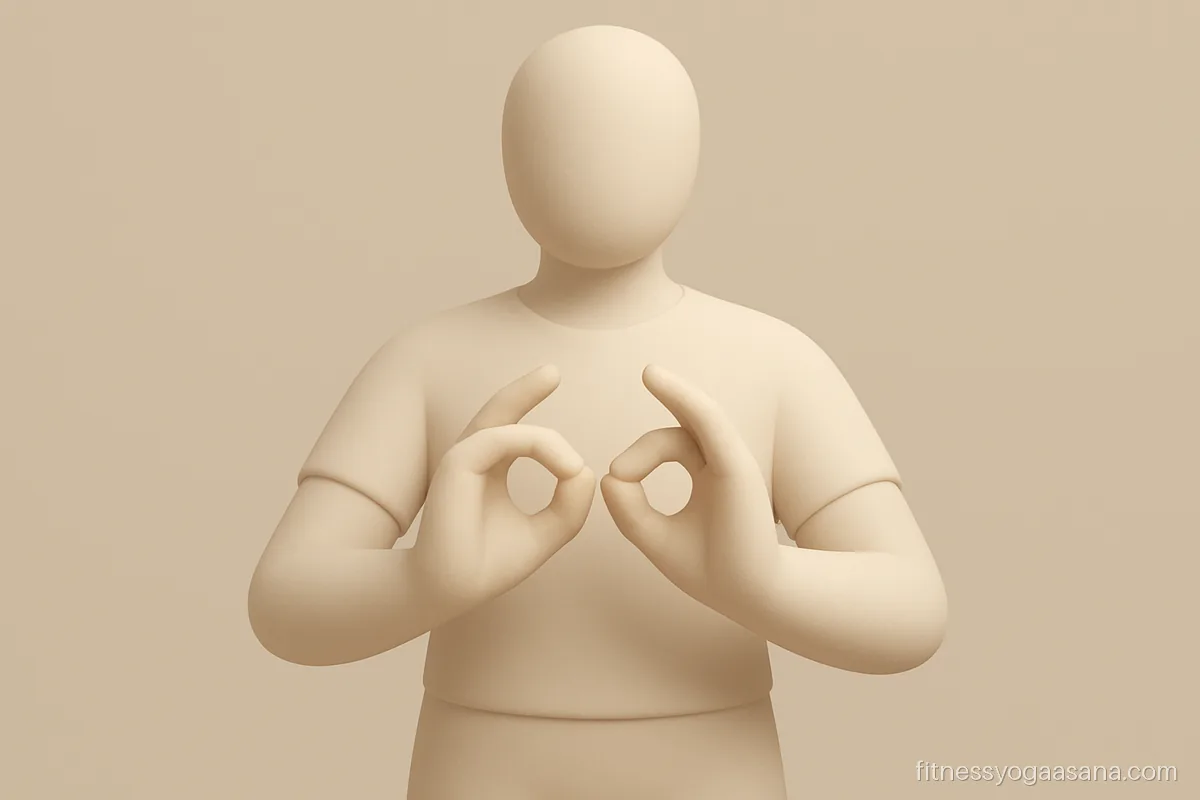
Dharmachakra mudra: two small circles of thumb and index finger meet in front of the chest, a sign of turning the wheel of teaching.
Teacher's cue: Keep the elbows soft and the shoulders down.
- Level
- All levels
- Hold
- 1 to 3 minutes
- Works on
- Hand awareness
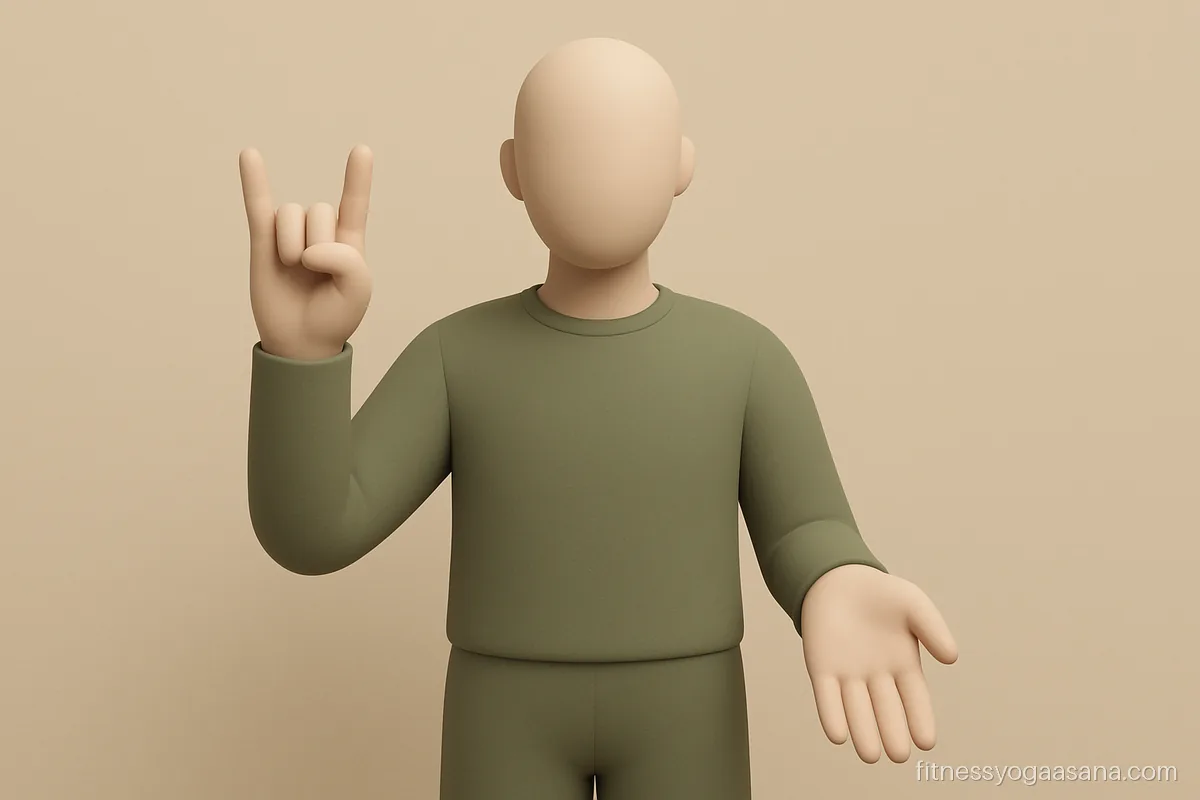
Left: karana mudra, index and little fingers up. Right: varada mudra, the open palm offered downward.
Teacher's cue: Form each shape slowly and notice the feeling in the palm.
The meaning of bhumisparsha mudra
The story behind the gesture is one of resolve under pressure: faced with doubt and distraction, the seated meditator simply touches the earth as a witness and stays put. For a modern practitioner, bhumisparsha mudra can be a reminder to stay with the practice when the mind wants to get up and do something else. The physical contact with the ground gives a clear sensation to rest attention on, which many people find steadying in anxious moments.
Dharmachakra mudra
Dharmachakra means wheel of teaching. Both hands are raised to the chest. In each hand the thumb and index finger touch to form a circle. The right palm faces outward, the left faces inward, and the two circles meet. It symbolises sharing understanding with others. As a sitting practice, hold it for a few minutes with an upright spine, then lower the hands to the lap.
Karana mudra
Karana mudra raises the index and little fingers while the thumb holds down the middle and ring fingers, palm facing outward. In art it is the warding off gesture, said to push away obstacles and negativity. Some people use it for a minute when they first sit down as a symbolic way of setting worries aside. It looks similar to a popular hand sign, so practise it privately if that matters to you.
Varada mudra
Varada mudra is the gesture of giving. The hand hangs naturally beside the body or rests on the knee with the palm open and facing forward, fingers pointing down. It stands for generosity and compassion. It pairs naturally with abhaya mudra, the raised palm of fearlessness, which is often shown in the other hand.
Using these gestures in practice
These hand shapes come from art and meditation traditions rather than from health claims, and nothing suggests they treat illness. Their value is in focus and intention. Try a ten minute sitting: two minutes of slow breathing, five minutes in bhumisparsha mudra with attention on the fingertips touching the ground, then three minutes in dhyana mudra. Compare more gestures on the yoga mudra guide.
Mudras are a traditional practice and research on them is limited. Use them alongside, never instead of, the care your doctor advises.
Questions people ask
What is bhumisparsha mudra?
The earth touching gesture: the right fingertips brush the floor beside the knee and the other palm lies open on the lap.
What does bhumisparsha mudra mean?
Bhumi is earth and sparsha is touch. It symbolises steadiness and calling the earth as witness.
What is dharmachakra mudra?
Both hands at the chest with thumb and index finger circles touching, symbolising the wheel of teaching.
What is karana mudra used for?
It is a warding off gesture with the index and little fingers raised, symbolising removing obstacles.
What is varada mudra?
The giving gesture: an open palm facing forward with fingers pointing down.
Practise next
 Abhaya mudraRight palm raised and facing out: a sign of courage and safety
 Dhyana mudraHands cradled in the lap, thumbs touching, for meditation
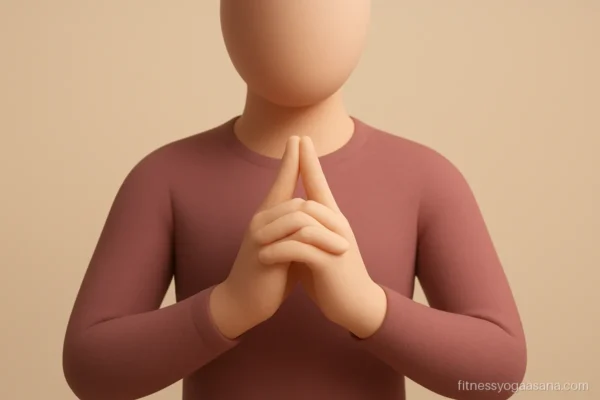 Uttarabodhi mudraFingers laced, index fingers raised, thumbs down: an uplifting seal
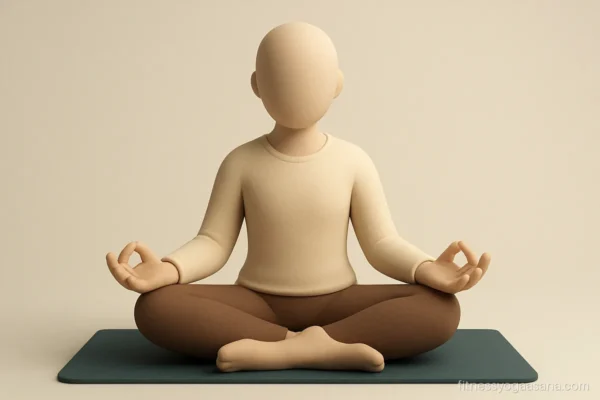 Yoga mudraWhat mudras are, the main hand mudras and how to practise them
 Yoga meditationHow yoga and meditation fit together, with a starter practice
More in mudras
 Prana mudraRing and little fingertips meet the thumb, said to lift energy
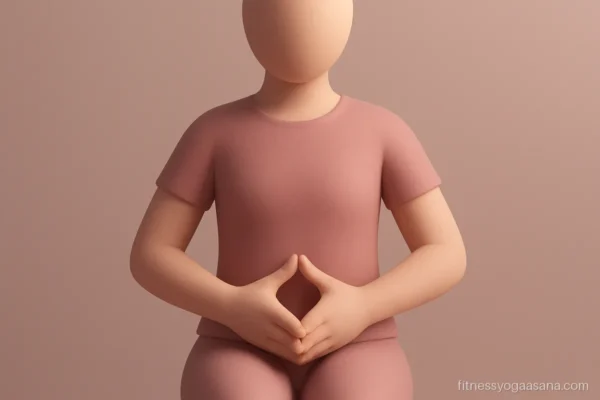 Yoni mudraThe interlaced hand gesture and the senses closing form
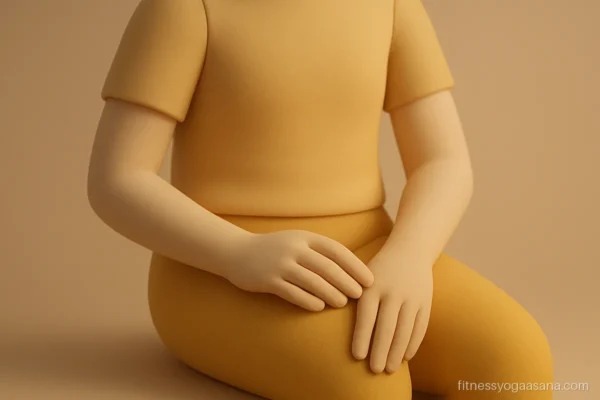 Vayu mudraIndex finger folded under the thumb, for the air element
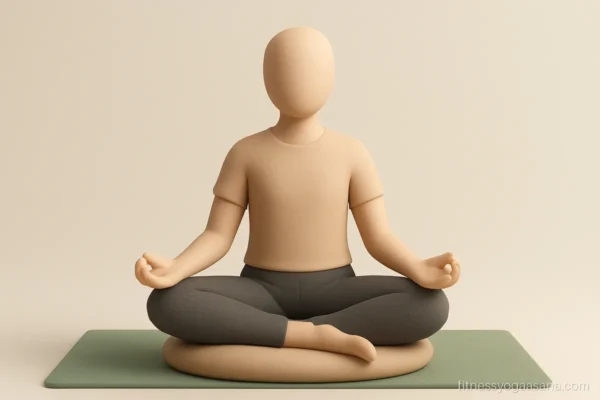 Ashwini mudraA rhythmic pelvic squeeze and release from hatha yoga
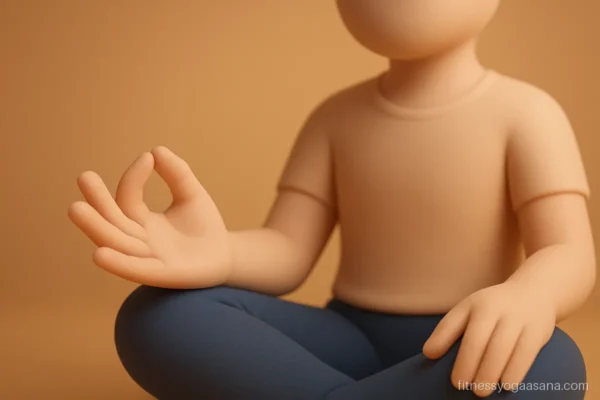 Gyan mudraIndex tip to thumb tip, palm up: the classic meditation seal
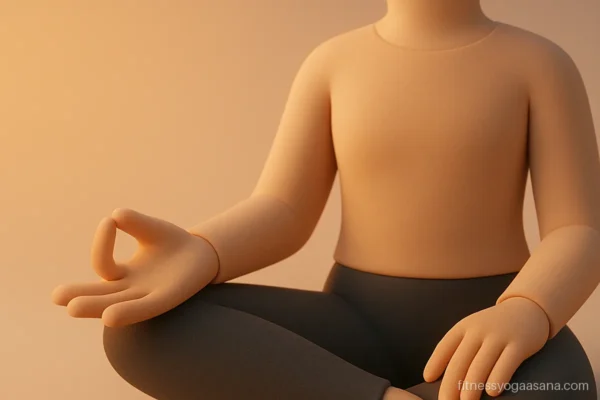 Surya mudraRing finger folded under the thumb, linked with warmth
 Linga mudraInterlaced fingers, one thumb upright: a warming two hand seal
 Khechari mudraTongue rolled back to the palate: the safe basic form only