Uttarabodhi Mudra: The Gesture of Highest Awakening
Mudras 3 illustrations Updated 2 Nov 2026
Uttarabodhi mudra uses both hands, raised in front of the breastbone or lowered toward the navel: the fingers interlace, the two index fingers press together and point upward, and the two thumbs touch and point down. Uttara means highest or supreme and bodhi means awakening, so the name translates as the seal of supreme enlightenment. It appears in classical Asian art and is used today for focus and an uplifting, energised calm.
Below: precise steps, the symbolism, the traditional uttarabodhi mudra benefits and a couple of practice ideas.
- Meaning
- Supreme awakening
- Index fingers
- Joined, pointing up
- Thumbs
- Joined, pointing down
- Other fingers
- Interlaced
- Position
- In front of the chest or above the navel
- Hold
- 5 to 15 minutes
How to form uttarabodhi mudra
- Sit upright in any comfortable posture.
- Bring the hands together in front of the chest.
- Weave the last three fingers of each hand together.
- Straighten the index fingers and press their pads together, pointing up.
- Straighten the thumbs and touch their tips, pointing down toward the navel.
- Hold at chest height, or lower it above the navel for longer sittings.
- Breathe slowly for 5 to 15 minutes.
Uttarabodhi mudra in pictures

- Level
- All levels
- Hold
- 5 to 15 minutes
- Works on
- Focus, uplift
Two raised index fingers form a steeple; the joined thumbs below point toward the navel. The rest of the fingers lock gently together.
Teacher's cue: Keep a small space between the palms like a hollow lantern.
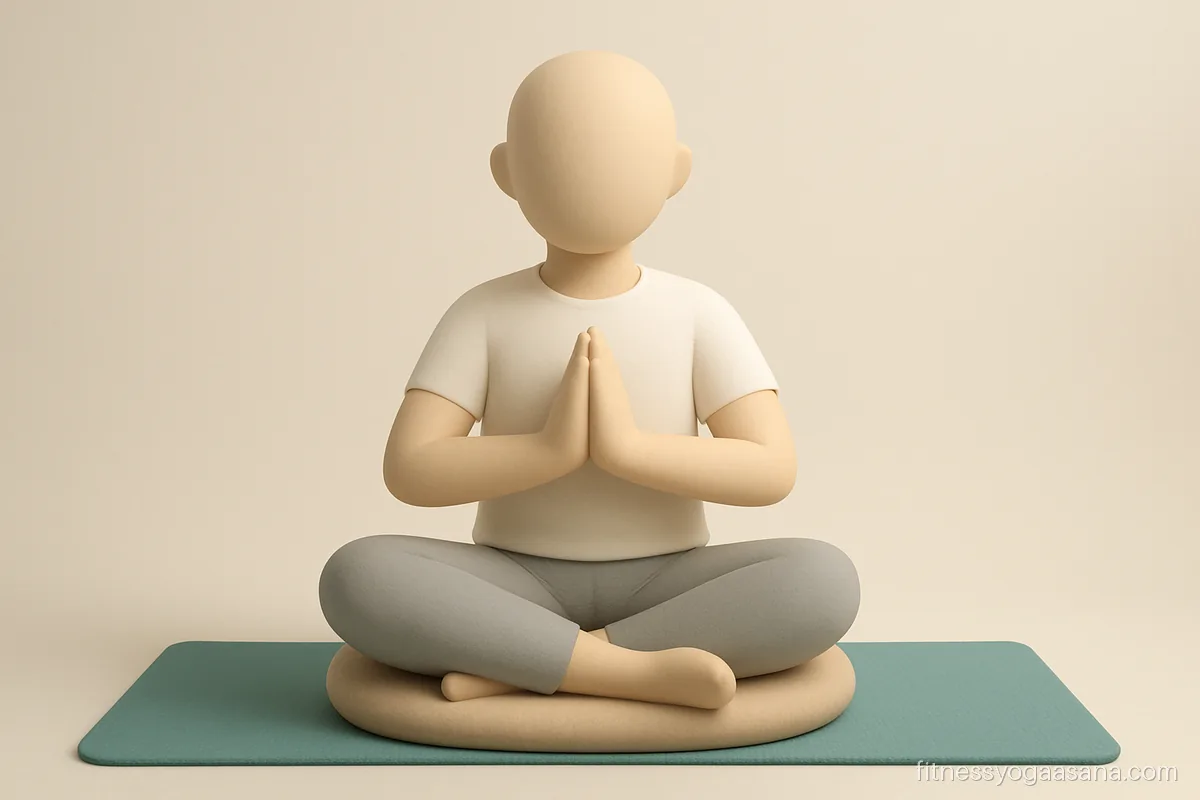
- Level
- All levels
- Hold
- 5 to 10 minutes
- Works on
- Posture
Held at chest height, the gesture tends to lift the posture and the gaze.
Teacher's cue: Let the elbows hang heavy while the fingertips point upward.
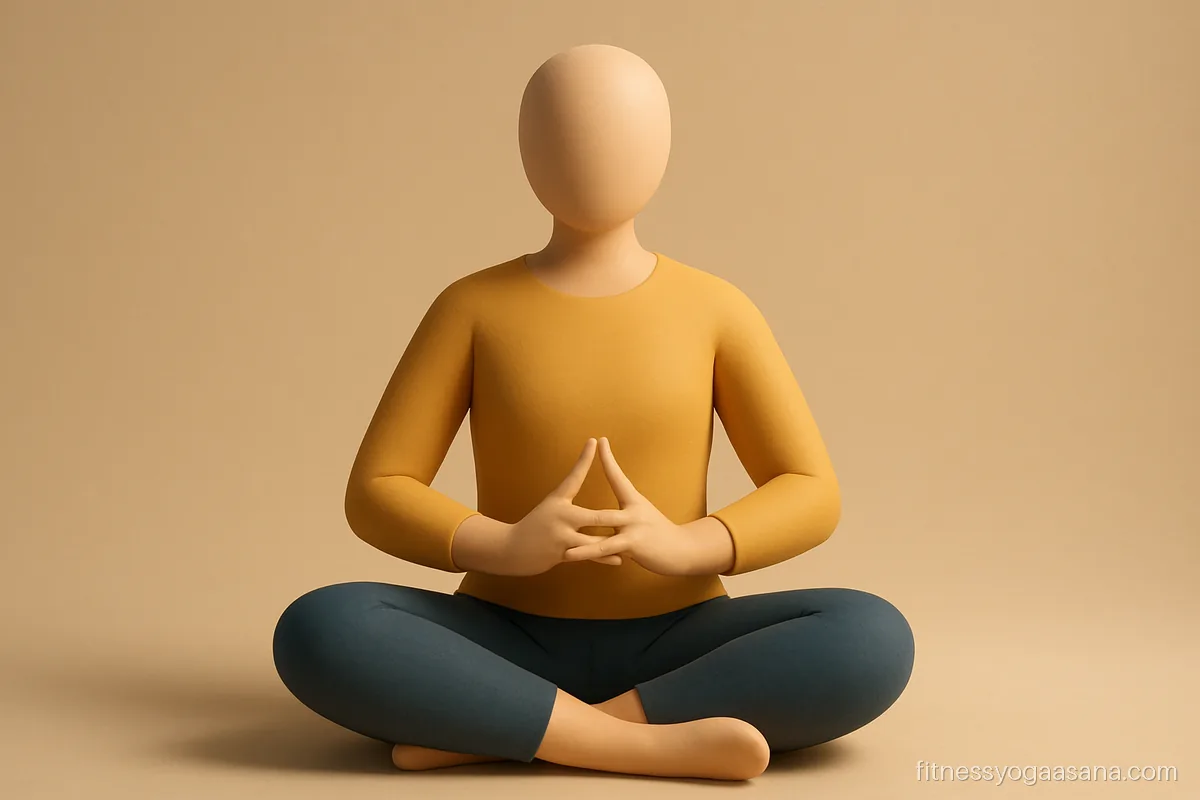
- Level
- All levels
- Hold
- 10 to 15 minutes
- Works on
- Calm energy
For longer holds, rest the hands lower, just above the navel, with the index fingers pointing forward and up.
Teacher's cue: Let the forearms lean on the torso so the shoulders can rest.
Meaning of the gesture
The upward index fingers are often described as pointing toward higher awareness, while the downward thumbs connect with the ground and stability. The joined hands represent the unity of opposites. In classical Asian art, figures shown with this gesture are associated with wisdom and supreme realisation. In everyday practice, it simply gives a strong, upright energy to the posture.
Uttarabodhi mudra benefits in tradition
Modern mudra books describe uttarabodhi mudra benefits as renewed energy, confidence, clear thinking before important tasks, and relief from feelings of being stuck or overwhelmed. There is no research on these claims. What practitioners commonly notice is an upright posture and a focused, alert mind, which makes it a good choice before study, work or speaking.
Where uttarabodhi appears in art and practice
Sculptors in several Asian traditions carved it at chest height to signal complete understanding. In modern yoga studios it is often used at the start of class to set an intention, or at the end of a meditation as a way of carrying a clear, bright attention into the day. Because the hands are raised, it naturally lifts the chest and encourages an upright spine, which many students find energising compared with resting gestures in the lap.
Practice ideas
- Before an exam or presentation: five minutes with the gesture and slow breathing.
- Morning focus: after a few rounds of surya namaskar, sit for ten minutes with uttarabodhi.
- Low energy afternoon: combine with a few rounds of alternate nostril breathing.
Common errors
Squeezing the hands tightly makes the shoulders tense; keep the interlace loose. Holding the hands too high fatigues the arms quickly, so lower them for long sittings. Make sure the thumbs point down and the index fingers up; reversing them gives a different gesture. Compare it with dhyana mudra and shakti mudra, which use different finger arrangements.
Safety and expectations
The gesture is safe for everyone. It is a support for focus and calm, not a treatment. People with shoulder or wrist pain can rest the hands in the lap version. Further seals are described in our mudra index.
Mudras are a traditional practice and research on them is limited. Use them alongside, never instead of, the care your doctor advises.
Questions people ask
What is uttarabodhi mudra?
A two handed gesture with interlaced fingers, index fingers joined and pointing up, and thumbs joined and pointing down.
What does uttarabodhi mean?
Supreme awakening or highest enlightenment.
What are the benefits of uttarabodhi mudra?
Tradition links it with energy, confidence and clear thinking. It is a useful focus aid; research is lacking.
Where should the hands be held?
In front of the chest, or lower above the navel for longer sittings.
How long should I hold it?
Five to fifteen minutes is typical.
Practise next
 Dhyana mudraHands cradled in the lap, thumbs touching, for meditation
 Shakti mudraThumbs folded in, ring and little fingers meeting: a calming two hand seal
 Abhaya mudraRight palm raised and facing out: a sign of courage and safety
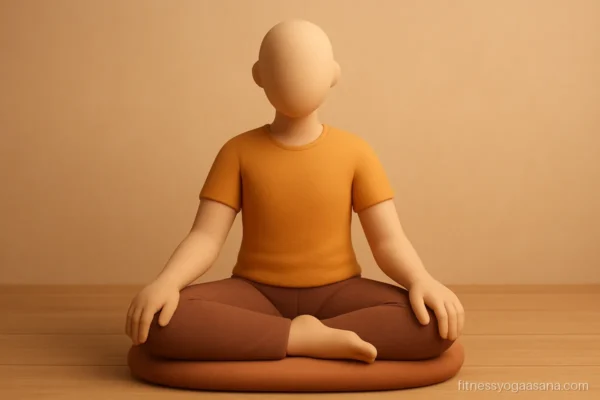 Bhumisparsha mudraFingertips reach down to the ground: the gesture of steadiness
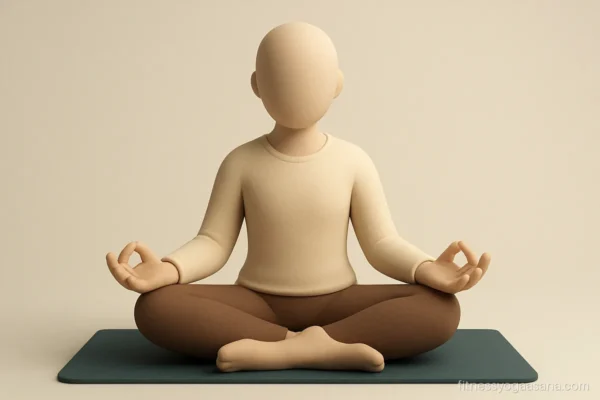 Yoga mudraWhat mudras are, the main hand mudras and how to practise them
More in mudras
 Prana mudraRing and little fingertips meet the thumb, said to lift energy
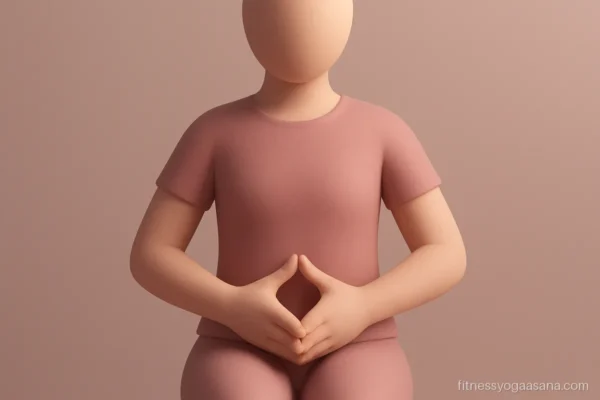 Yoni mudraThe interlaced hand gesture and the senses closing form
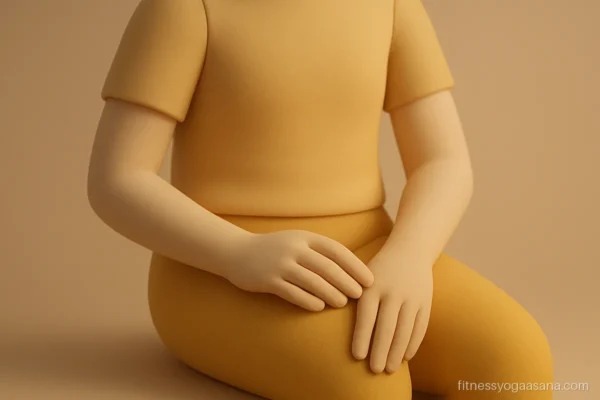 Vayu mudraIndex finger folded under the thumb, for the air element
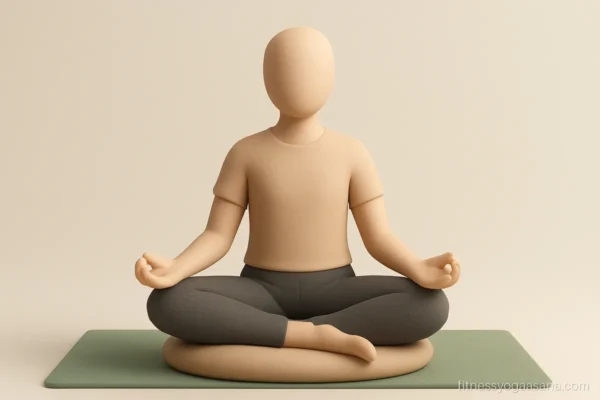 Ashwini mudraA rhythmic pelvic squeeze and release from hatha yoga
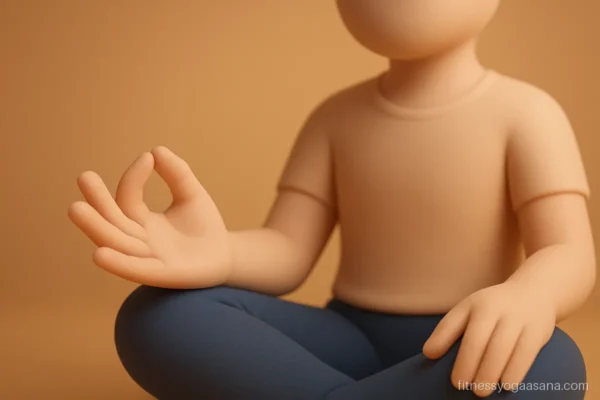 Gyan mudraIndex tip to thumb tip, palm up: the classic meditation seal
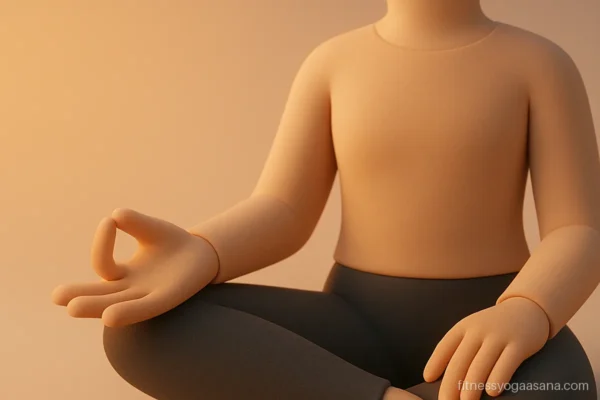 Surya mudraRing finger folded under the thumb, linked with warmth
 Linga mudraInterlaced fingers, one thumb upright: a warming two hand seal
 Khechari mudraTongue rolled back to the palate: the safe basic form only