Types of Pranayama: The Main Breathing Exercises in Yoga
Pranayama 3 illustrations Updated 2 Nov 2026
The types of pranayama can be grouped by what they do: calming practices that slow the breath, energising ones that speed it up, cooling ones that draw air through the mouth, and balancing ones that alternate the nostrils. The classical Hatha Yoga Pradipika lists eight kumbhakas, and teachers today add a few more.
This page lists the main breathing exercises in yoga with what each involves, the 7 types of pranayama most Indian syllabuses teach, and how to do pranayama safely in a simple order.
- Classical list
- 8 kumbhakas in the Hatha Yoga Pradipika
- Common school list
- 7 types of pranayama
- Calming
- Bhramari, anulom vilom, chandra bhedana
- Energising
- Kapalbhati, bhastrika, surya bhedana
- Cooling
- Sheetali, sheetkari
- Start with
- Belly breathing and anulom vilom
The main types of pranayama at a glance
| Practice | Type | In short |
|---|---|---|
| Anulom vilom | Balancing | Alternate nostrils, no hold |
| Nadi shodhana | Balancing | Alternate nostrils with ratios |
| Bhramari | Calming | Humming exhale |
| Ujjayi | Steadying | Soft throat sound |
| Kapalbhati | Energising | Quick active exhales |
| Bhastrika | Energising | Forceful in and out |
| Sheetali | Cooling | In through a rolled tongue |
| Sheetkari | Cooling | In through the teeth |
| Surya bhedana | Warming | In right, out left |
| Chandra bhedana | Cooling | In left, out right |
| Udgeeth | Calming | Chanting om on the exhale |
| Bahya | Advanced | External breath hold with locks |
Types of pranayama in pictures
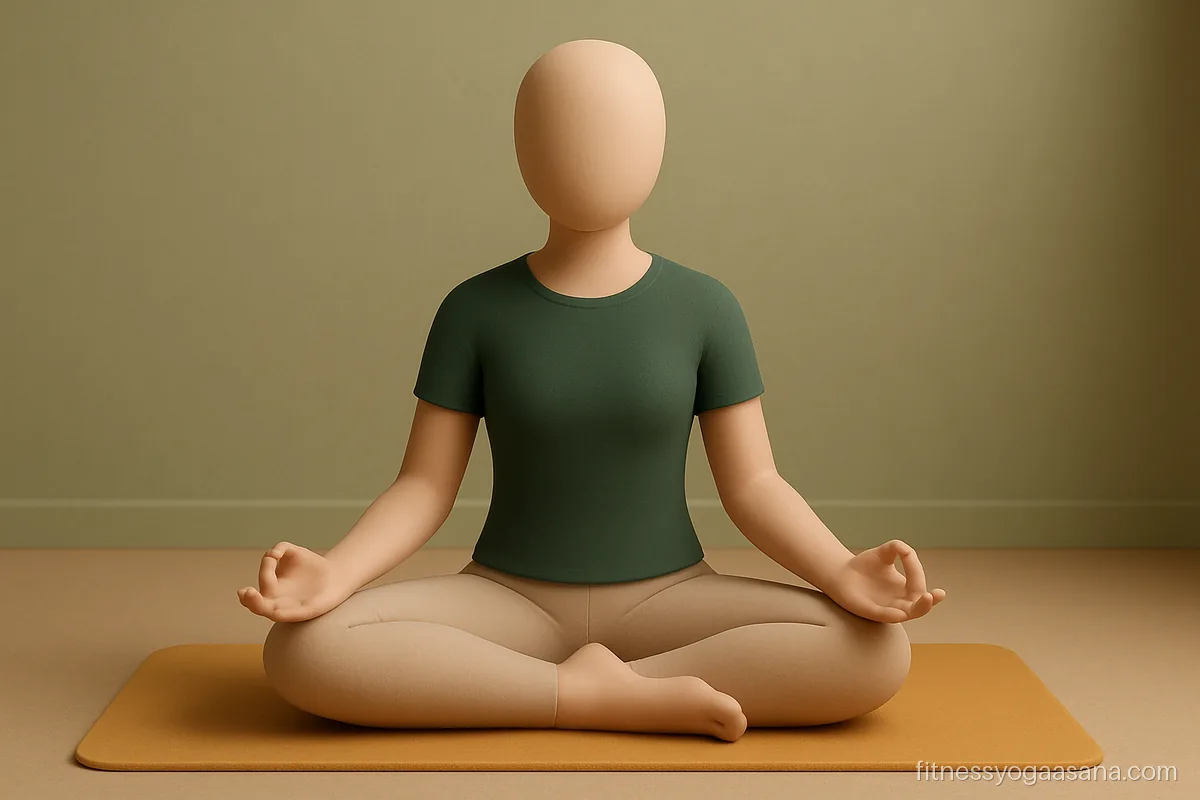
- Level
- Beginner
- Hold
- 5 to 7 rounds
- Works on
- Calm
Udgeeth pranayama is a long chanted om on each exhale. It is gentle and often taught to beginners and older students.
Teacher's cue: Let the oo sound be short and the mm sound long.
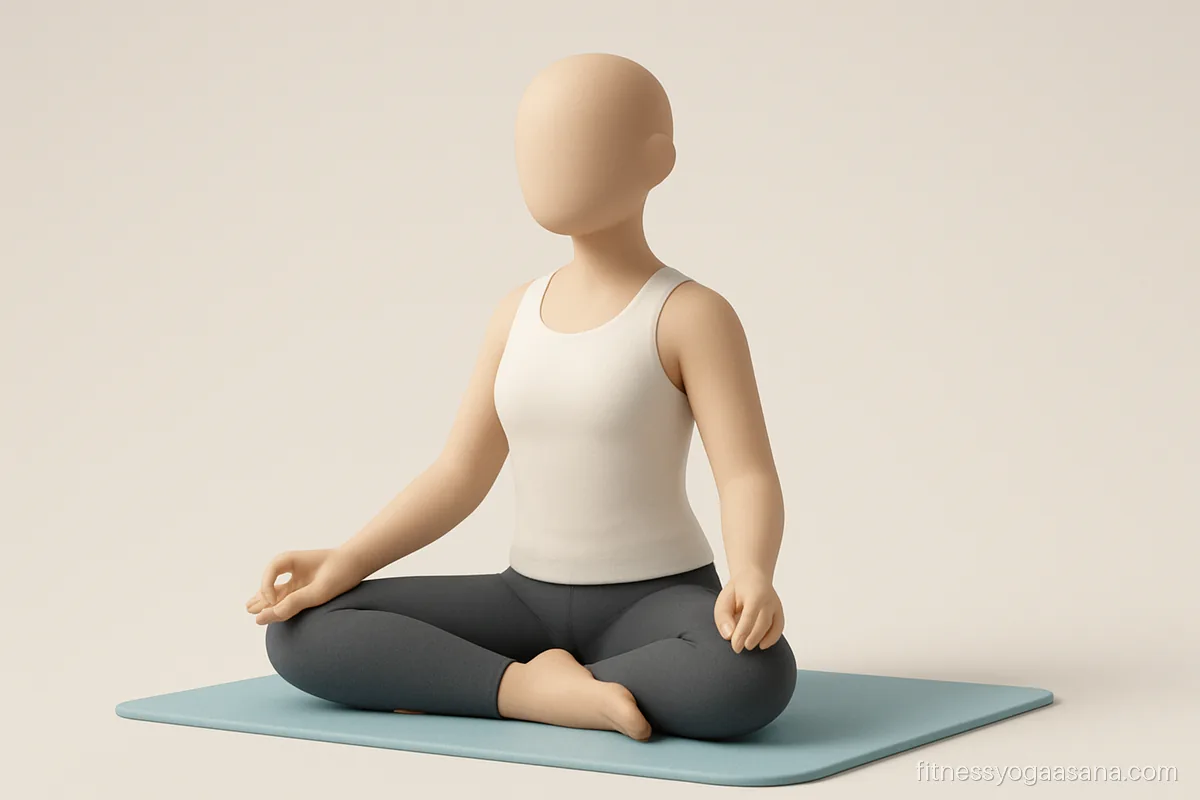
- Level
- Advanced
- Hold
- 3 rounds
- Works on
- Abdomen
Bahya pranayama holds the breath out after a full exhale with the belly drawn in. It is an advanced practice for healthy adults only.
Teacher's cue: Release at the first sign of strain; never fight for more time.
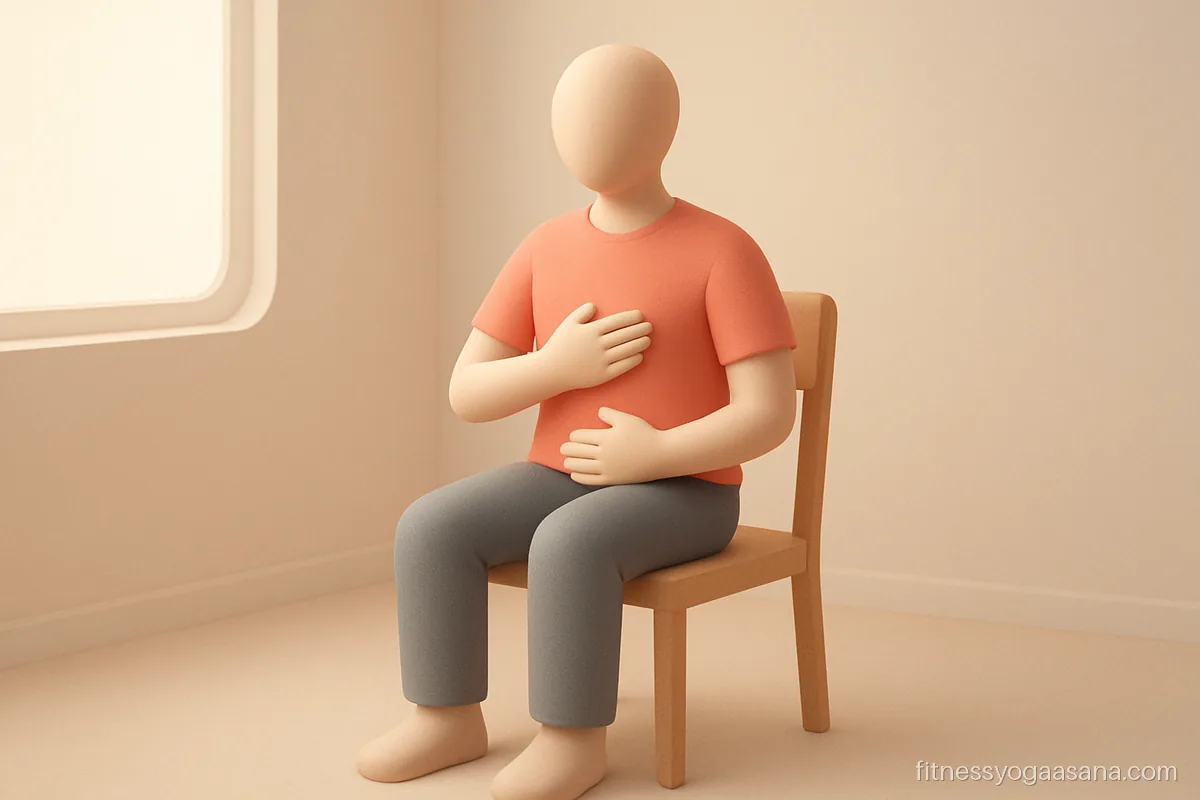
- Level
- All levels
- Hold
- 2 to 3 minutes
- Works on
- Diaphragm
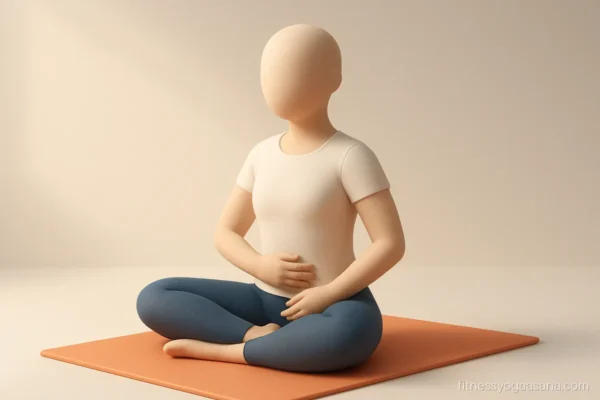
Belly breathing is the foundation for all breathing exercises in yoga. Feel the abdomen rise on the inhale and soften on the exhale.
Teacher's cue: Keep the chest quiet and let the belly do the moving.
The 8 classical kumbhakas
In the Hatha Yoga Pradipika, pranayama goes by the word kumbhaka, and eight are described: surya bhedana, ujjayi, sitkari, sheetali, bhastrika, bhramari, murchha and plavini. Murcha pranayama involves a long hold with the chin lock until a fainting like feeling, and plavini pranayama involves swallowing air to float; both are rarely taught today and are not suitable for home practice.
7 types of pranayama in Indian syllabuses
Many Indian school and teacher courses teach a popular set of seven: bhastrika, kapalbhati, bahya, anulom vilom, bhramari, udgeeth and pranav, the last being quiet meditation on om. This sequence is widely practised in group sessions. If you follow it, learn bahya with a teacher and skip the forceful ones if they do not suit your health.
Kumbhaka pranayama: what breath holding means
Kumbhaka means a pause in breathing. Antar kumbhaka is a pause after inhaling, and bahya kumbhaka a pause after exhaling. Short, natural pauses are safe for most people. Long, deliberate holds belong to advanced students; leave them out while pregnant, if your heart or blood pressure needs care, or if holding the breath makes you uneasy.
How to do pranayama: a safe order
- Sit tall on a cushion or chair.
- Two minutes of belly breathing.
- An energising practice if suitable: kapalbhati, two short rounds.
- A balancing practice: anulom vilom, five minutes.
- A calming practice: bhramari, five rounds.
- Sit quietly for one or two minutes.
These pranayama steps work for most healthy adults. Different types of pranayama can be swapped in and out, but keep this pattern of active first, calm last.
Breathing yoga for different needs
- Stress and sleep: bhramari, chandra bhedana, slow belly breathing.
- Morning energy: kapalbhati, bhastrika, surya bhedana.
- Hot weather: sheetali and sheetkari.
- Focus: anulom vilom and ujjayi.
For a steady count, open the pranayama guide and follow its breathing circle.
Breathe gently and never force a hold. Skip fast or forceful breathing in pregnancy, high blood pressure, heart disease, epilepsy or after recent surgery, and stop if you feel dizzy or breathless.
Questions people ask
How many types of pranayama are there?
The classical text counts eight. Modern teachers usually teach between seven and twelve, adding anulom vilom, kapalbhati, udgeeth and others.
What are the 7 types of pranayama?
A popular set is bhastrika, kapalbhati, bahya, anulom vilom, bhramari, udgeeth and pranav.
Which type of pranayama is best for beginners?
Start with belly breathing, then alternate nostril breathing and the humming breath; none of them strain the body.
Are breathing exercises in yoga safe for everyone?
Slow practices are safe for most people. Forceful breathing and long holds are not suitable for some health conditions, so check with your doctor.
What is the difference between pranayama and breathing exercises?
They overlap. Pranayama comes from yoga and usually includes attention and specific patterns; breathing exercises is the general term.
Practise next
 PranayamaWhat pranayama is, how to start and every breathing practice
 Benefits of pranayamaTen benefits of yogic breathing and what studies support
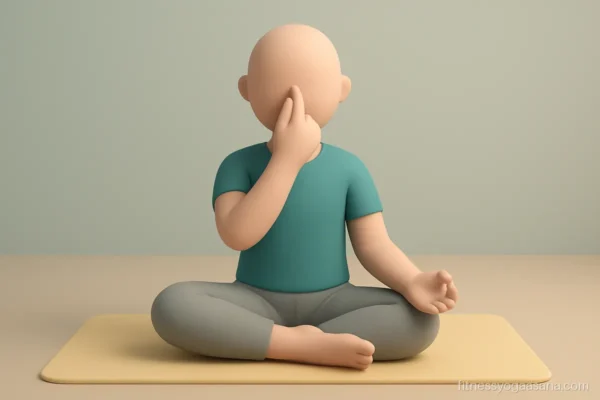 Anulom vilomSimple alternate nostril breathing, without breath holds
 KapalbhatiQuick belly exhales with passive inhales, for energy
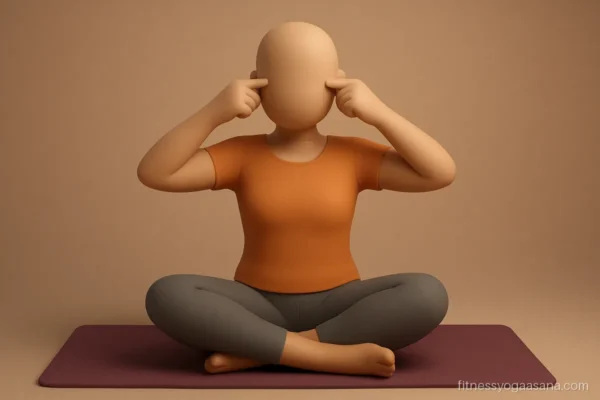 Bhramari pranayamaThe humming bee breath: steps, benefits and how many rounds
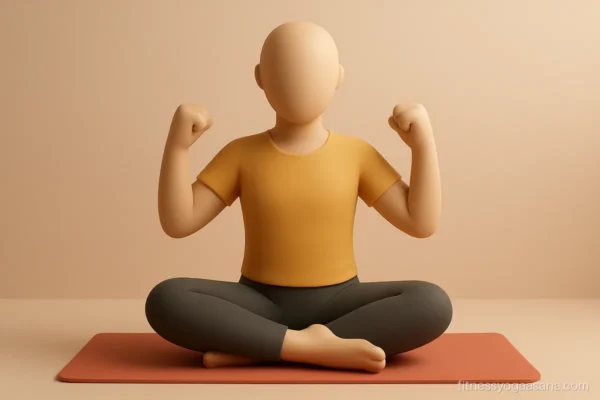 Bhastrika pranayamaThe bellows breath: forceful, equal breathing for energy
More in pranayama
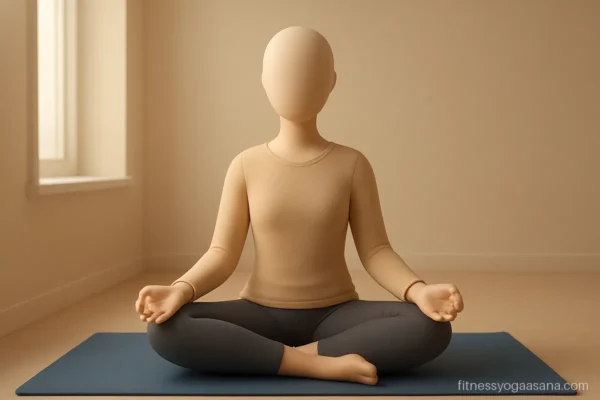 Ujjayi pranayamaThe ocean breath: a soft throat sound for steady breathing
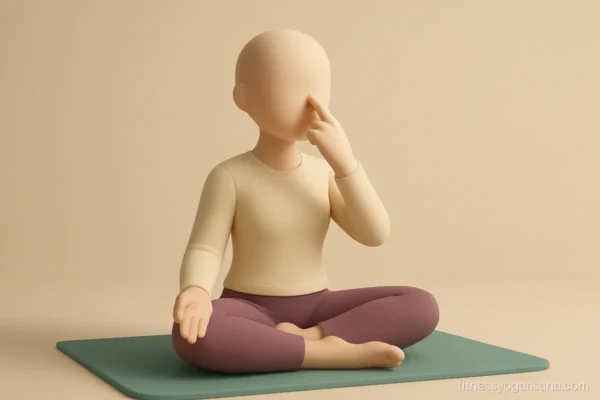 Nadi shodhanaChannel cleansing alternate nostril breath, with ratios
 Sheetali pranayamaBreathing in through a rolled tongue to cool down
 Surya bhedana pranayamaBreathe in through the right nostril, out through the left
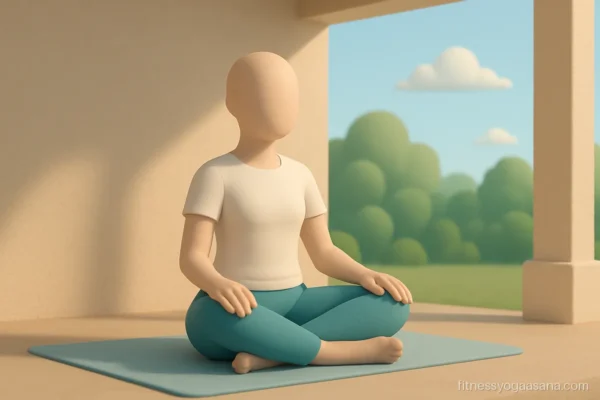 Sheetkari pranayamaCool air drawn in through the teeth with a soft hiss
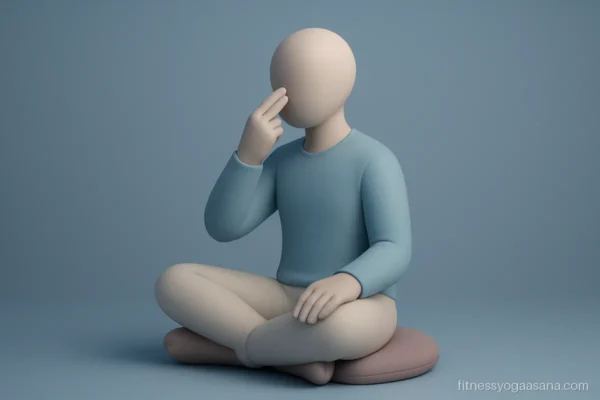 Chandra bhedana pranayamaInhale left, exhale right: the cooling, calming nostril breath