Surya Bhedana Pranayama: The Warming Right Nostril Breath
Pranayama 3 illustrations Updated 2 Nov 2026
Surya bhedana pranayama sends every in breath through the right nostril and every out breath through the left, round after round. Surya means sun and bhedana means piercing or passing through: yoga tradition links the right nostril with the warming, active sun channel, called pingala. It is the first of the eight kumbhakas in the Hatha Yoga Pradipika.
It is also spelled suryabhedan, surya bhedi or suryabhedi pranayama. Here are the steps, rounds, traditional and research based benefits, and who should not practise it.
- Inhale
- Right nostril only
- Exhale
- Left nostril only
- Nature
- Warming, energising in tradition
- Rounds
- 10 to 20, or 3 to 5 minutes
- Best time
- Morning or cold weather
- Avoid if
- High BP, heart disease, anxiety, fever
How to do surya bhedana pranayama
- Settle into an upright seat; the left palm lies on its knee.
- Bring the right hand to the face with its first two fingers tucked away.
- Seal the left side of the nose using the ring finger.
- Fill the lungs slowly via the right nostril alone.
- Swap the seal: thumb on the right side, ring finger lifting off the left.
- Empty the lungs gently through the left nostril.
- Return to the start and repeat the same one way pattern, sun side in and moon side out, for ten to twenty rounds.
Classical practice inserts a pause after filling the lungs. Leave that pause out unless you are healthy, experienced and guided.
Surya bhedana pranayama in pictures

- Level
- Beginner plus
- Hold
- Count of 4
- Works on
- Energy
With the ring finger sealing the left side, the breath travels in by the right.
Teacher's cue: Let the in breath be smooth, never sharp.

- Level
- Beginner plus
- Hold
- Count of 4 to 6
- Works on
- Control
Next the thumb shuts the right side and the air drifts out on the left.
Teacher's cue: Make the out breath at least as long as the in breath.
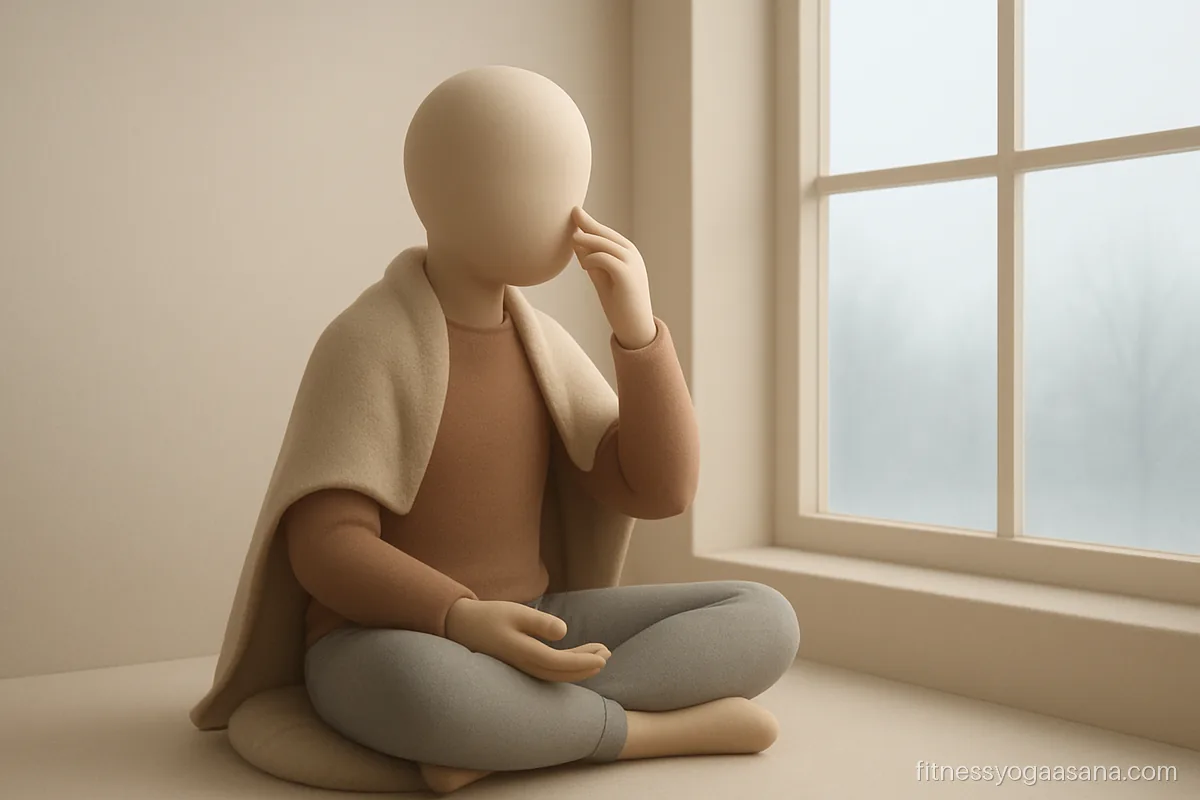
- Level
- All levels
- Hold
- 3 to 5 minutes
- Works on
- Warmth
In tradition, surya bhedana suits cold mornings and sluggish days.
Teacher's cue: Stop if you feel restless, flushed or anxious.
Suryabhedan pranayama vs chandra bhedana
Chandra bhedana is the mirror image: in through the left, out through the right, and it is described as cooling and calming. Anulom vilom alternates both sides for balance. If you are unsure which to choose, alternate nostril breathing is the safest default.
Surya bhedana pranayama benefits
Tradition credits surya bhedana with warming the body, boosting energy and improving digestion. Small laboratory studies of right nostril breathing have found short term increases in heart rate and alertness, and some studies report slight rises in blood pressure, which fits the idea that it is stimulating. Surya bhedi pranayama benefits are therefore most relevant on cold, sluggish mornings, not for people who are already anxious or overheated.
Right nostril breathing and the body clock
Yoga tradition holds that the dominant nostril switches every couple of hours, and physiology agrees that the nose has a natural cycle in which one side is more open than the other. Surya bhedana deliberately favours the right side, which old texts tie to activity, heat and digestion. Modern teachers often suggest it in the first half of the day, when you want energy, and recommend calming practices for the evening. Keep sessions short; a few minutes is plenty to feel its lift.
Who should avoid it
Leave it alone with raised blood pressure, a heart condition, epilepsy, an anxious or panicky temperament, poor sleep, fever or acidity, and on hot days. In pregnancy, choose gentle alternate nostril breathing instead. Never practise with breath holds unless guided by a teacher and in good health.
Fitting it into practice
Use a few minutes of surya bhedana early in the day, then follow it with slow balanced breathing. It can precede a short asana practice in winter. The pranayama hub lists all breathing methods, and types of pranayama compares the eight classical kumbhakas.
Common mistakes
| Mistake | Better |
|---|---|
| Alternating sides by habit | Always inhale right, exhale left |
| Rushing the breath | Keep it slow and silent |
| Practising in the evening | Prefer morning; it may disturb sleep |
| Adding long holds early | Leave holds for experienced, healthy students |
Breathe gently and never force a hold. Skip fast or forceful breathing in pregnancy, high blood pressure, heart disease, epilepsy or after recent surgery, and stop if you feel dizzy or breathless.
Questions people ask
What is surya bhedana pranayama?
A breathing practice that inhales through the right nostril and exhales through the left, every round.
Is surya bhedi the same as surya bhedana?
Yes, they are different spellings of the same practice.
Can I do surya bhedana at night?
It is considered stimulating and may disturb sleep. Morning is better.
Is surya bhedana good for high blood pressure?
No. It may raise heart rate and blood pressure slightly. Choose calming practices instead.
How many rounds should I do?
Ten to twenty slow rounds, or three to five minutes.
Practise next
 Chandra bhedana pranayamaInhale left, exhale right: the cooling, calming nostril breath
 Anulom vilomSimple alternate nostril breathing, without breath holds
 Nadi shodhanaChannel cleansing alternate nostril breath, with ratios
 Types of pranayamaCalming, energising, cooling and balancing breath practices
 PranayamaWhat pranayama is, how to start and every breathing practice
More in pranayama
 Bhramari pranayamaThe humming bee breath: steps, benefits and how many rounds
 Bhastrika pranayamaThe bellows breath: forceful, equal breathing for energy
 Ujjayi pranayamaThe ocean breath: a soft throat sound for steady breathing
 KapalbhatiQuick belly exhales with passive inhales, for energy
 Sheetali pranayamaBreathing in through a rolled tongue to cool down
 Benefits of pranayamaTen benefits of yogic breathing and what studies support
 Sheetkari pranayamaCool air drawn in through the teeth with a soft hiss