Sheetali Pranayama: The Cooling Breath
Pranayama 3 illustrations Updated 2 Nov 2026
Sheetali pranayama cools you with a simple trick: the tongue curls into a tube, air is sipped in through it as through a straw, and the out breath leaves by the nose. Sheetal means cool. The air passing over the moist tongue feels noticeably cool, and many people use it to calm down on hot days or when feeling irritable.
Also spelled sitali or shitali, it is one of the eight classical kumbhakas. Here are the steps, what to do if your tongue will not roll, how many rounds to practise, and when to avoid it.
- Meaning
- Sheetal: cool
- Spellings
- Sitali, shitali, sheetali
- Inhale
- Through the rolled tongue
- Exhale
- Through the nose
- Rounds
- 8 to 12
- Avoid
- Cold weather, cough, asthma attacks, low BP
How to do sheetali pranayama
- Sit comfortably with the spine straight and hands on the knees.
- Open the mouth slightly and stick the tongue out a little.
- Curl the sides of the tongue upward to form a tube.
- Breathe in slowly through the tube, as if sipping through a straw.
- Tuck the tongue back in, seal the lips and let the air flow out of the nostrils.
- That is one round. Do 8 to 12 rounds.
Some teachers add a short pause with the chin lowered after the inhale; beginners can skip it.
Sheetali pranayama in pictures

- Level
- Beginner
- Hold
- 8 to 12 rounds
- Works on
- Cooling
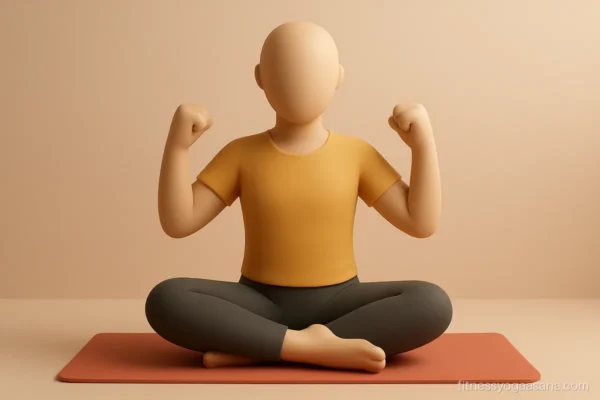
Roll the sides of the tongue up to make a tube, stick it out slightly and sip the air in slowly.
Teacher's cue: Sip slowly; the air should feel cool on the tongue.
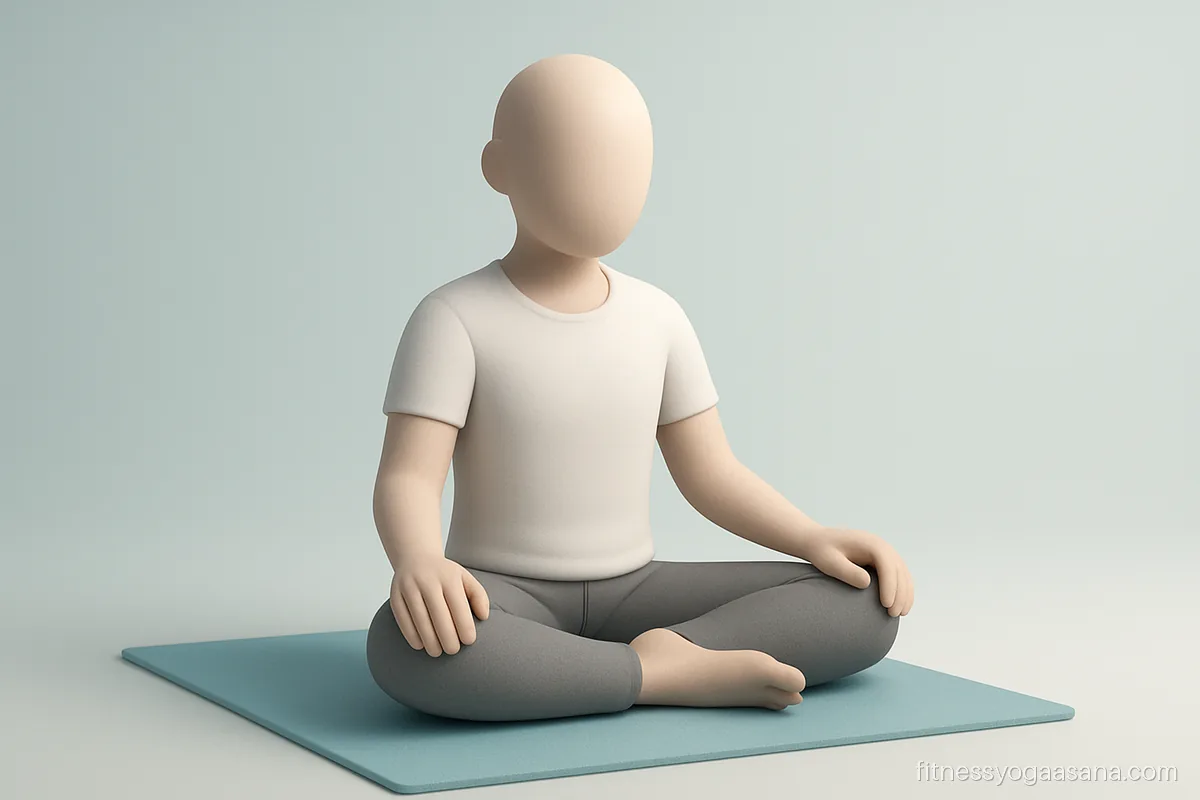
- Level
- Beginner
- Hold
- One slow exhale
- Works on
- Calm
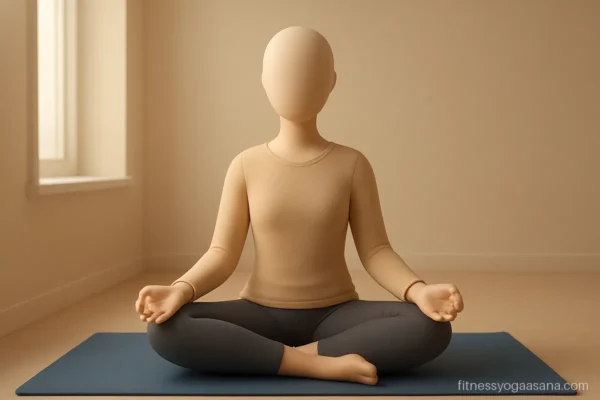
After each inhale, close the mouth, lower the chin slightly and breathe out slowly through the nose.
Teacher's cue: Make the exhale longer than the sip in.

- Level
- All levels
- Hold
- 3 to 5 minutes
- Works on
- Heat relief
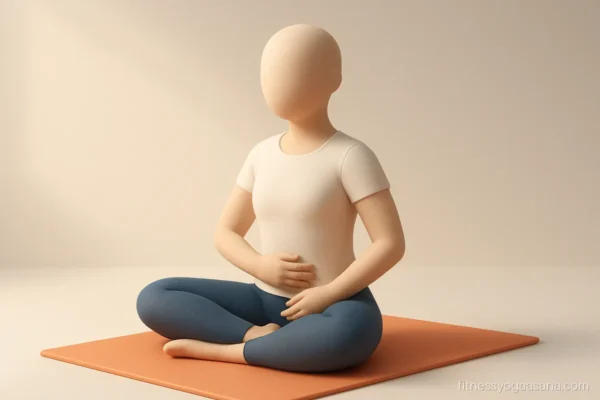
On hot afternoons, a few minutes of sheetali in the shade can take the edge off the heat.
Teacher's cue: Sit away from direct sun and keep each breath unhurried.
Can't roll your tongue? Try sheetkari
Rolling the tongue is partly genetic, and many people simply cannot do it. If so, use sheetkari pranayama: keep the teeth lightly together, part the lips, and breathe in through the gaps between the teeth with a soft hissing sound. The cooling effect is similar.
Sitali and shitali pranayama: same breath, three spellings
Sitali pranayama, shitali pranayama and sheetali are simply different ways of writing one Sanskrit word in English letters. Older translations of the Hatha Yoga Pradipika use sitali; Indian textbooks often prefer sheetali. The technique does not change. What does vary is whether teachers add a pause after the in breath; in the classical description there is a hold, but gentle modern teaching usually leaves it out for beginners and anyone with health concerns.
Sheetali pranayama benefits
The main effect is a cooling, calming feeling, useful in summer, after exercise or when you feel heated or irritable. A handful of trials on cooling breaths report a small, short lived drop in pulse and pressure. Traditional texts also mention reduced thirst and hunger, which is not well studied. Sheetali pranayama benefits are best seen as a quick way to settle body and mind on a hot day.
Who should skip it
Avoid sheetali in cold weather, with a cold, cough or sore throat, during an asthma attack, or with very low blood pressure. In polluted or dusty air, breathing through the mouth is not ideal; practise indoors or choose nasal breathing instead. People with sensitive teeth may find the cool air uncomfortable.
Sitali pranayama in a routine
Practise it after asanas or kapalbhati to cool down, or on its own during hot afternoons. It pairs well with chandra bhedana, another cooling breath. All practices are listed on types of pranayama.
Breathe gently and never force a hold. Skip fast or forceful breathing in pregnancy, high blood pressure, heart disease, epilepsy or after recent surgery, and stop if you feel dizzy or breathless.
Questions people ask
What is sheetali pranayama?
A cooling breath where you inhale through a rolled tongue and exhale through the nose.
What if I cannot roll my tongue?
Practise sheetkari instead, breathing in through the teeth with lips parted.
How many rounds of sheetali should I do?
Eight to twelve rounds, or up to five minutes.
Is sheetali good for high blood pressure?
Cooling breaths are often suggested and may help short term. Keep it gentle and continue medical treatment.
Can I do sheetali in winter?
It is best avoided in cold weather or when you have a cold.
Practise next
 Sheetkari pranayamaCool air drawn in through the teeth with a soft hiss
 Chandra bhedana pranayamaInhale left, exhale right: the cooling, calming nostril breath
 PranayamaWhat pranayama is, how to start and every breathing practice
 Types of pranayamaCalming, energising, cooling and balancing breath practices
 Yoga for high blood pressureSafe poses, slow breathing and what to avoid with high BP
More in pranayama
 Bhramari pranayamaThe humming bee breath: steps, benefits and how many rounds
 Bhastrika pranayamaThe bellows breath: forceful, equal breathing for energy
 Ujjayi pranayamaThe ocean breath: a soft throat sound for steady breathing
 KapalbhatiQuick belly exhales with passive inhales, for energy
 Nadi shodhanaChannel cleansing alternate nostril breath, with ratios
 Anulom vilomSimple alternate nostril breathing, without breath holds
 Surya bhedana pranayamaBreathe in through the right nostril, out through the left
 Benefits of pranayamaTen benefits of yogic breathing and what studies support