Chandra Bhedana Pranayama: The Moon Piercing Breath
Pranayama 3 illustrations Updated 2 Nov 2026
Chandra bhedana pranayama draws every breath in by the left nostril and releases it by the right. Chandra is the moon and bhedana is to pierce, giving the English label moon piercing breath. In yoga tradition the left nostril is linked with the cooling, calming lunar channel, ida nadi, and this practice is described as soothing. It is also called chandra bhedi pranayama.
Covered below: the method, the contrast with surya bhedana, good times to use it, why newcomers leave out retention, what studies of slow nostril breathing show, and who should not try it.
- Meaning
- Chandra: moon; bhedana: piercing
- Pattern
- In left, out right
- Effect in tradition
- Cooling, calming
- Partner
- Surya bhedana: in right, out left
- Rounds
- 5 to 10 minutes
- Avoid if
- Low BP, low mood, heavy cold
How to do chandra bhedana pranayama
- Sit upright in a comfortable seat with the eyes closed.
- Raise the right hand and fold the index and middle fingers into the palm.
- Close the right nostril with the thumb and inhale slowly through the left nostril.
- Swap fingers: ring finger presses on the left nostril while the thumb releases, and you exhale gently to the right.
- That is one round. Always inhale left, exhale right.
- Keep going up to ten minutes before releasing the hand.
Chandra bhedana pranayama in pictures
- Level
- All levels
- Hold
- 5 to 10 minutes
- Works on
- Calm
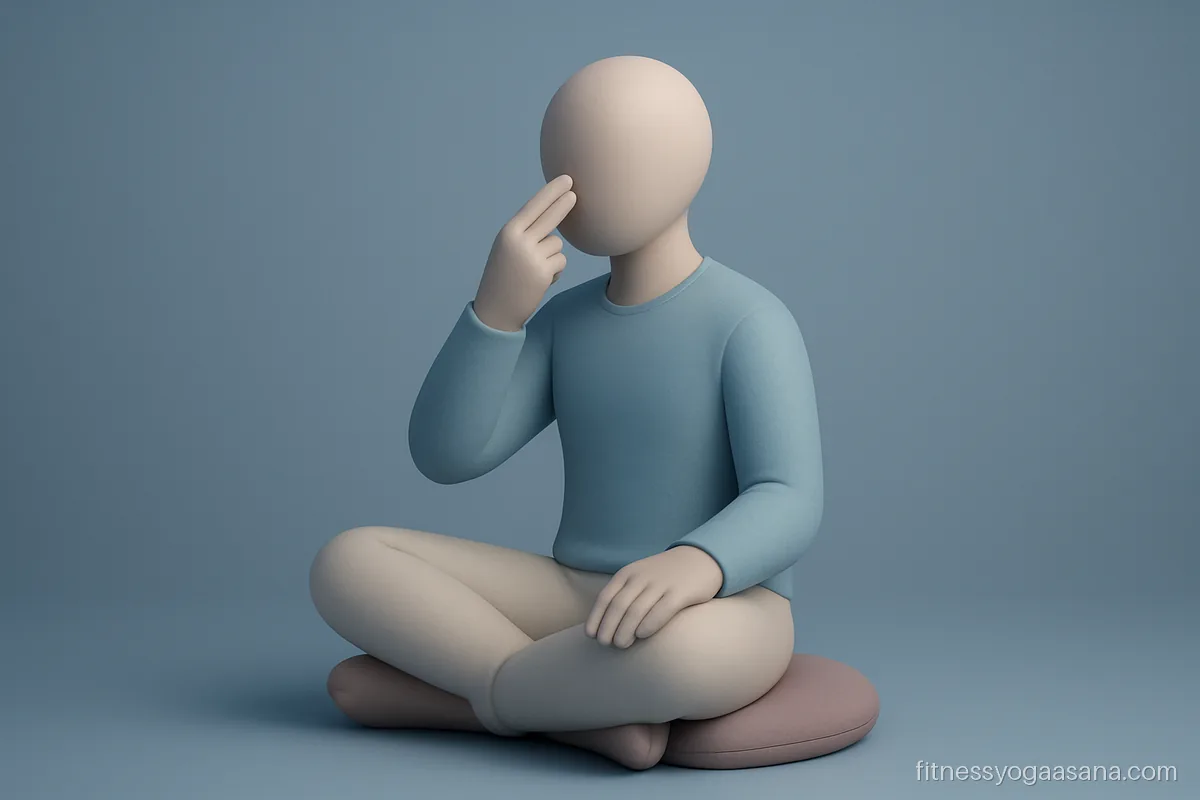
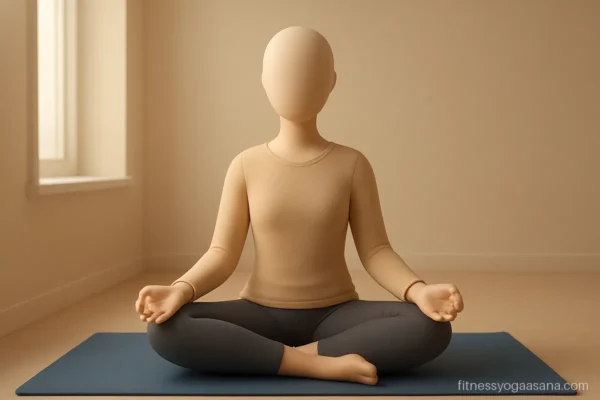
Inhale through the left nostril while the right thumb softly closes the right side.
Teacher's cue: Touch the nostril lightly; do not squash the nose.
- Level
- All levels
- Hold
- Each round
- Works on
- Long exhale
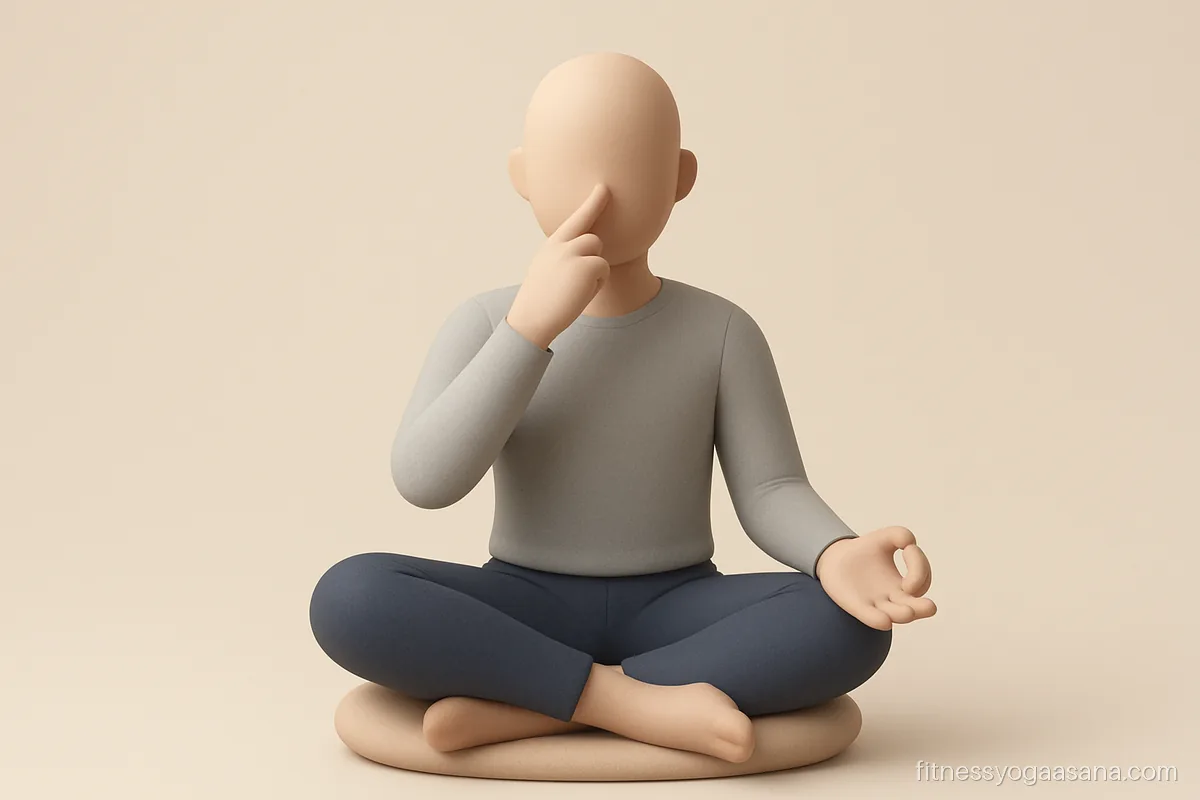
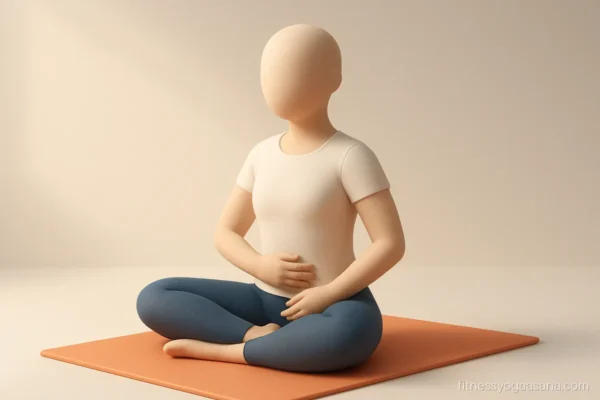
Switch: the ring finger closes the left nostril and you breathe out through the right.
Teacher's cue: Make each outbreath slightly outlast the inbreath.
- Level
- All levels
- Hold
- 5 minutes
- Works on
- Winding down
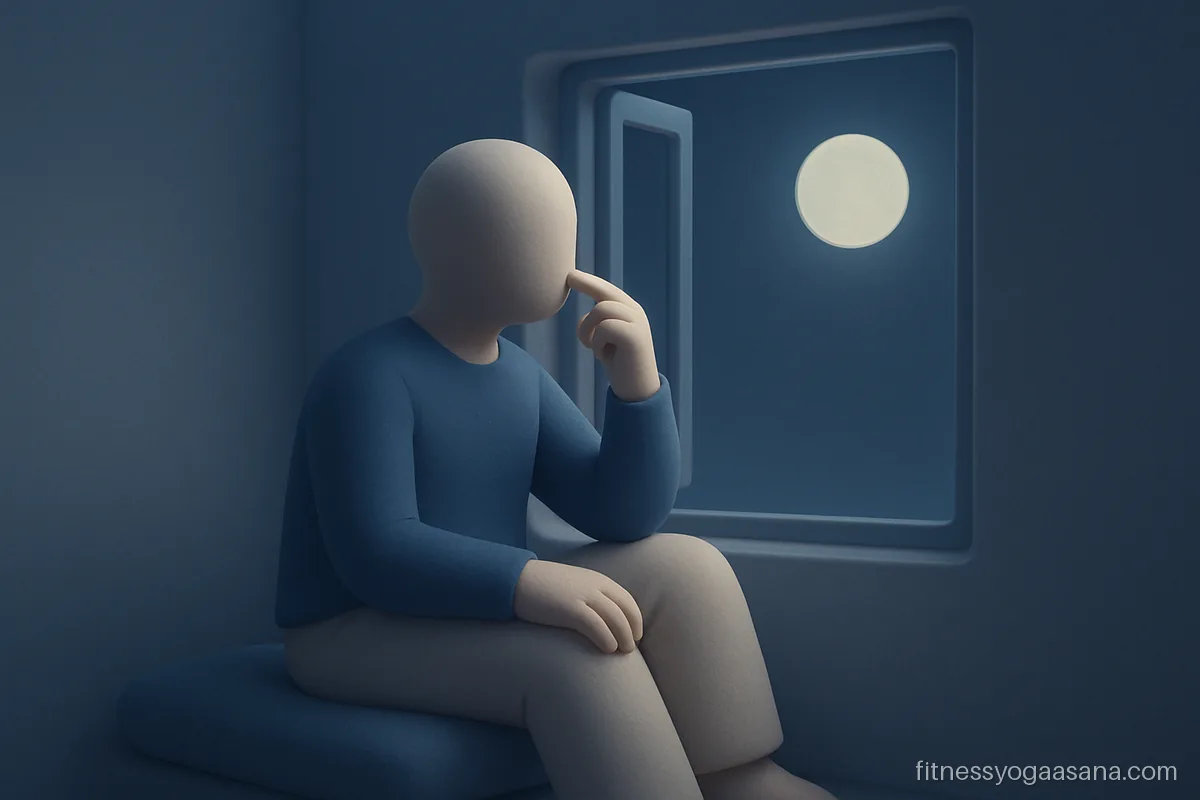
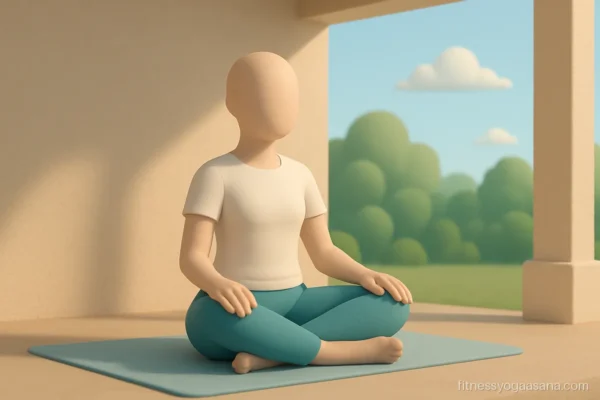
Evening is the traditional time for this calming breath, especially on hot days.
Teacher's cue: Keep the shoulders soft and the jaw relaxed.
Chandra bhedana and surya bhedana
Surya bhedana reverses the pattern: inhale right, exhale left, and it is traditionally described as warming and energising. Its lunar twin is said to cool and settle. Some small studies of single nostril breathing report shifts in heart rate or blood pressure, but results are mixed. Both are best done slowly and gently. For balance between the two, practise nadi shodhana, which alternates sides.
About breath holding
Classical descriptions add a breath hold after the inhale, sometimes with locks. Beginners should leave out retention completely. Smooth, slow breathing gives the calming effect without the risks of holding the breath, which can raise blood pressure. Add short holds only after months of practice and with a teacher's guidance.
When chandra bhedana suits
- In the evening, to wind down.
- On hot days or when you feel overheated.
- When you feel agitated or restless.
Tradition advises against practising it in cold weather, with a heavy cold, or when feeling low or sluggish. Pair it with sheetali for a cooling sequence in summer.
A short evening routine: two minutes of natural breathing, five minutes of chandra bhedana, then a minute of quiet sitting.
Who should avoid it
Skip chandra bhedana if you have low blood pressure or tend to feel faint, if you are feeling low or depressed, or if your nose is blocked. People with heart or lung conditions should check with a doctor before any pranayama with retention. Stop and breathe normally if you feel dizzy or uncomfortable.
Names and spellings
Chandra bhedana pranayama, chandra bhedi pranayama and chandra bhedan are all used. Some teachers also call it the left nostril breath or lunar breath. See all the main breathing practices compared on types of pranayama and the main pranayama guide. If you are new to nostril breathing, learn anulom vilom first; the hand position is the same, and the even rhythm builds the control this practice needs.
Breathe gently and never force a hold. Skip fast or forceful breathing in pregnancy, high blood pressure, heart disease, epilepsy or after recent surgery, and stop if you feel dizzy or breathless.
Questions people ask
What is chandra bhedana pranayama?
A one way nostril breath: air enters on the left and leaves on the right.
What is the difference between chandra and surya bhedana?
Chandra bhedana inhales left and exhales right and is called cooling; surya bhedana is the reverse and is called warming.
What time of day suits chandra bhedana?
Evening or hot weather, when you want to calm down.
Should I hold the breath in chandra bhedana?
Beginners should not. Slow smooth breathing is enough.
Who should not do chandra bhedana pranayama?
People with low blood pressure, low mood, a blocked nose, or during cold weather and heavy colds.
Practise next
 Surya bhedana pranayamaBreathe in through the right nostril, out through the left
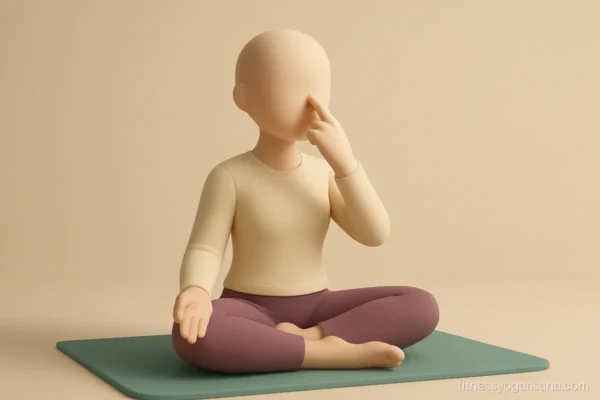 Nadi shodhanaChannel cleansing alternate nostril breath, with ratios
 Sheetali pranayamaBreathing in through a rolled tongue to cool down
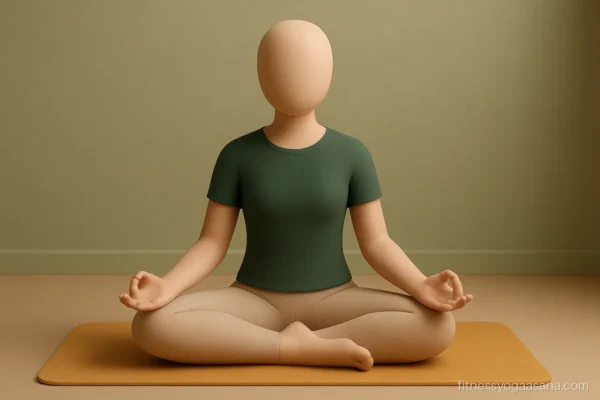 Types of pranayamaCalming, energising, cooling and balancing breath practices
 PranayamaWhat pranayama is, how to start and every breathing practice
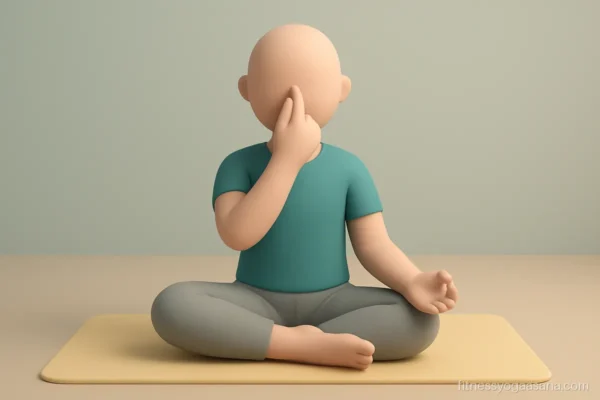 Anulom vilomSimple alternate nostril breathing, without breath holds
More in pranayama
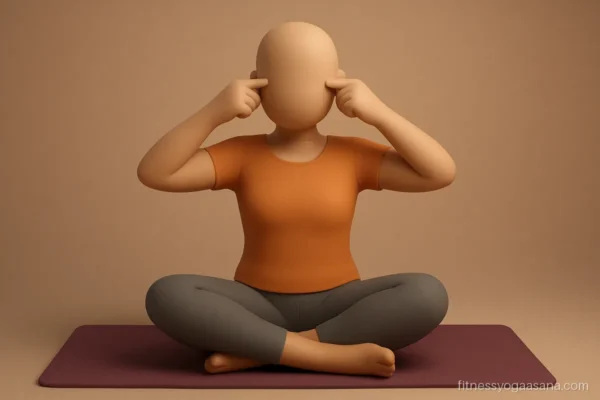 Bhramari pranayamaThe humming bee breath: steps, benefits and how many rounds
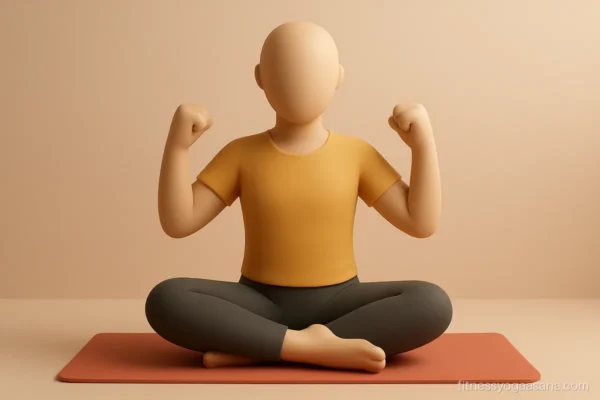 Bhastrika pranayamaThe bellows breath: forceful, equal breathing for energy
 Ujjayi pranayamaThe ocean breath: a soft throat sound for steady breathing
 KapalbhatiQuick belly exhales with passive inhales, for energy
 Benefits of pranayamaTen benefits of yogic breathing and what studies support
 Sheetkari pranayamaCool air drawn in through the teeth with a soft hiss