Padmasana: How to Sit in Lotus Pose Safely
Yoga poses 4 illustrations Updated 2 Nov 2026
Padmasana is the lotus pose: you sit with each foot resting on the opposite thigh, soles turned up, knees toward the floor. Padma means lotus, the flower that rises clean from muddy water, a symbol of calm clarity. Indian tradition treats it as the ideal seat for long sitting.
It also demands a lot of rotation from the hips. If the hips are tight, the knees take the strain, and forcing lotus is a common cause of yoga knee injuries. Here is how to prepare, how to do half lotus first, the full steps and the warning signs to stop.
- Sanskrit
- Padmasana (padma: lotus)
- English
- Lotus pose, lotus position
- Level
- Intermediate
- Hold
- 1 to 20 minutes once comfortable
- First learn
- Ardha padmasana, half lotus
- Stop if
- Any pain inside the knee
How to do padmasana step by step
- Warm up the hips with butterfly, cradling the shin and half lotus.
- Sit on the mat with legs straight.
- Bend the right knee and, rotating from the hip, lift the right foot onto the top of the left thigh, close to the hip crease.
- Bend the left knee and lift the left foot onto the top of the right thigh.
- Draw both knees toward each other and down.
- Sit tall, hands on the knees, and breathe slowly.
- Release by uncrossing gently with the hands, then switch the leg order next time.
Padmasana (lotus) in pictures
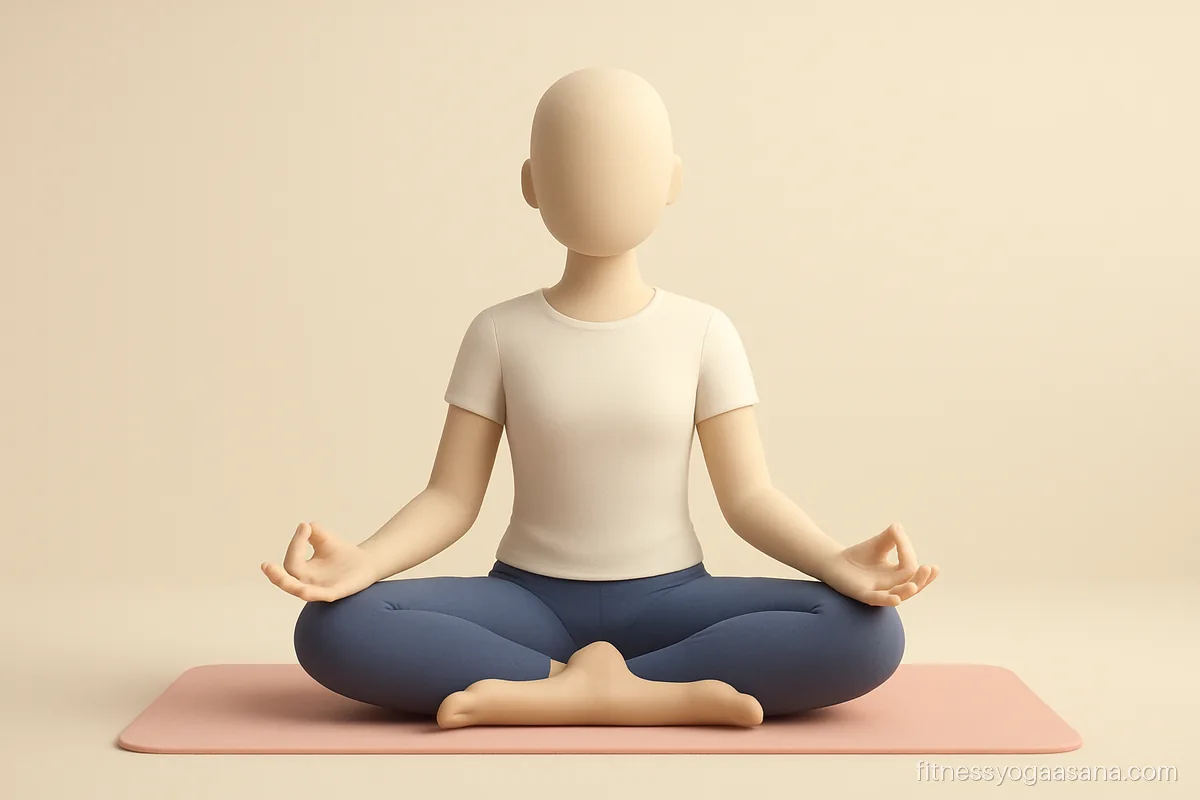
- Level
- Intermediate
- Hold
- 1 to 20 minutes
- Works on
- Hips, posture
Full lotus: both feet rest high on the opposite thighs, knees close to the floor, spine upright.
Teacher's cue: Place each foot high in the hip crease, not on the middle of the thigh.
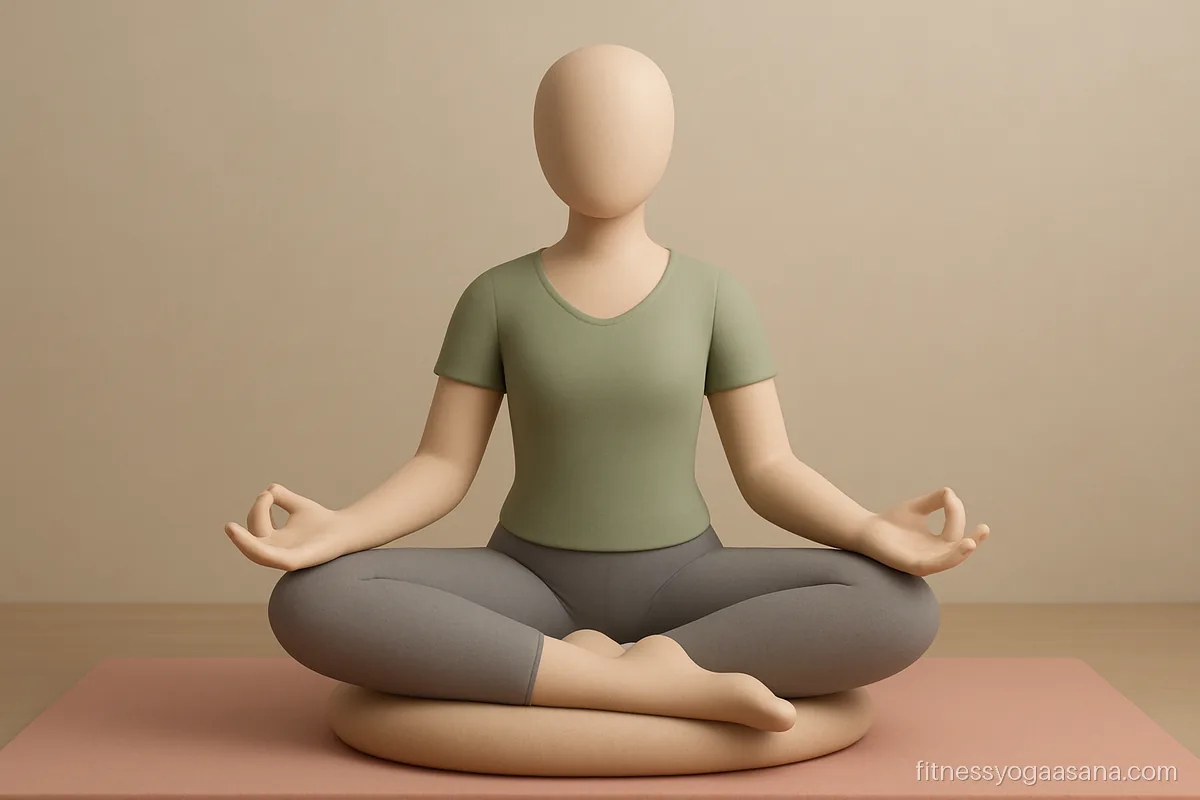
- Level
- Beginner plus
- Hold
- 1 to 5 min a side
- Works on
- Hip rotation
Half lotus: one foot up on the opposite thigh, the other tucked under. A firm cushion under the seat lets the knees settle lower.
Teacher's cue: Switch sides every session so both hips open evenly.
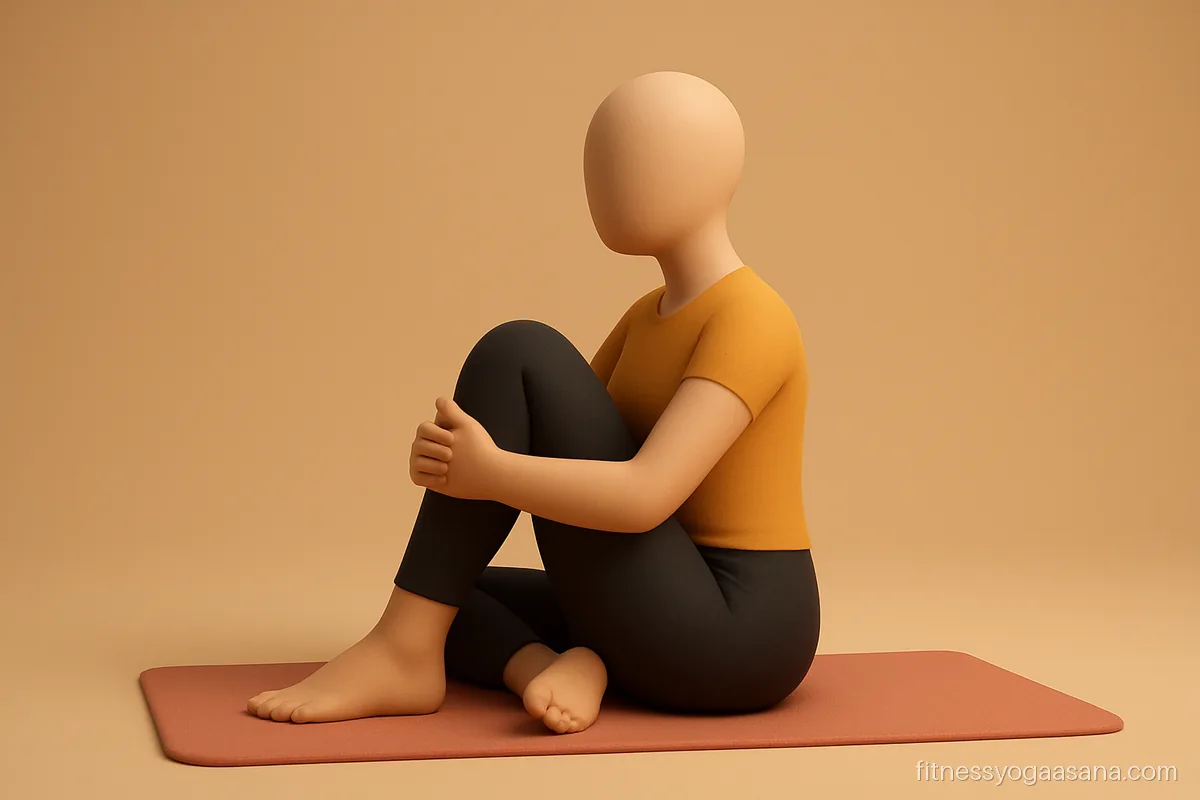
- Level
- Beginner
- Hold
- 5 rocks a side
- Works on
- Outer hip
Cradle the shin like a baby to warm up the hip rotation lotus needs.
Teacher's cue: Keep the foot flexed to protect the knee.
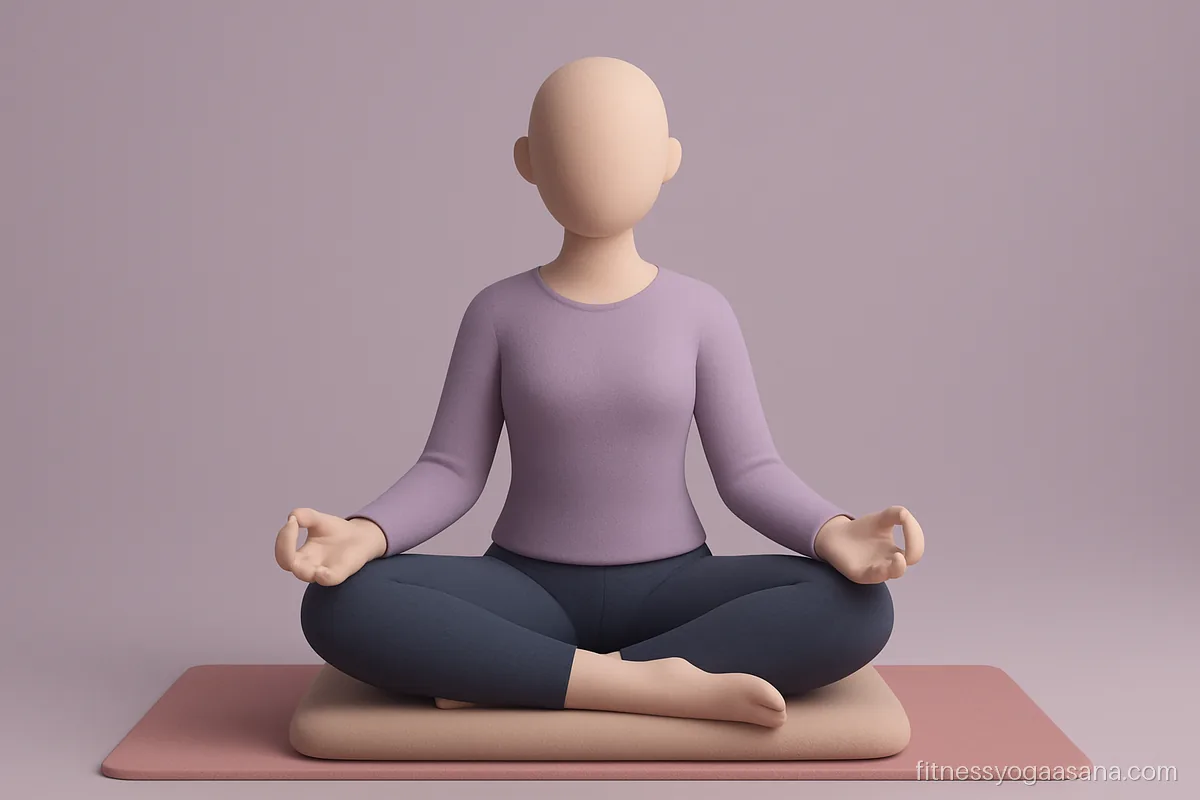
- Level
- All levels
- Hold
- As long as comfortable
- Works on
- Seat
If lotus does not suit your hips, easy pose on a cushion works just as well for meditation.
Teacher's cue: Comfort and a straight spine matter more than the shape of the legs.
Lotus pose yoga names
Padmasana yoga, padma asana, yoga padmasana and lotus asana all mean the same seat. In English it is lotus pose yoga, lotus position yoga, lotus yoga pose or simply lotus yoga, and charts often label it padmasana lotus pose yoga or padmasana yoga pose. People sometimes say lotus position when they just mean sitting cross legged; strictly speaking, lotus position not yoga ordinary cross legged sitting is sukhasana.
Protecting the knees
The knee is a hinge and does not like twisting. All the rotation in lotus should come from the hip joints. If you feel any pain inside or on the side of the knee, come out at once. Use half lotus, or sukhasana on a cushion, while you work on hip openers like butterfly and pigeon over months.
Benefits of padmasana
- A very stable seat for long meditation and breathing practice.
- Keeps the spine naturally upright when the hips are open enough.
- Opens the hips over time.
- Tradition values it as a seat that steadies the mind.
Its benefits come from comfort and stillness, so a forced lotus defeats the purpose. Many accomplished meditators use other seats.
Who should avoid lotus
Skip padmasana with knee or ankle injuries, meniscus problems, recent hip surgery, or if you cannot sit in half lotus without pain. In late pregnancy, choose wider seats. Varicose veins or numbness in the legs are reasons to keep holds short.
Practise on an empty stomach, move slowly into each position and stop at any sharp pain. If you have an injury, a health condition or are pregnant, check with a doctor or an experienced teacher first.
Questions people ask
What is padmasana called in English?
Lotus pose or lotus position.
Why does lotus pose hurt my knees?
Usually the hips are not yet open enough, so the knee twists instead. Stop and practise half lotus and hip openers.
How long should I sit in padmasana?
Start with a minute on each leg order. Build gradually; experienced practitioners sit for 20 minutes or more.
Is half lotus as good as full lotus?
For meditation, yes. What matters is a steady, comfortable, upright seat.
Can everyone learn lotus pose?
Not everyone. Hip shape varies, and some people will never sit comfortably in full lotus. That is perfectly fine.
Practise next
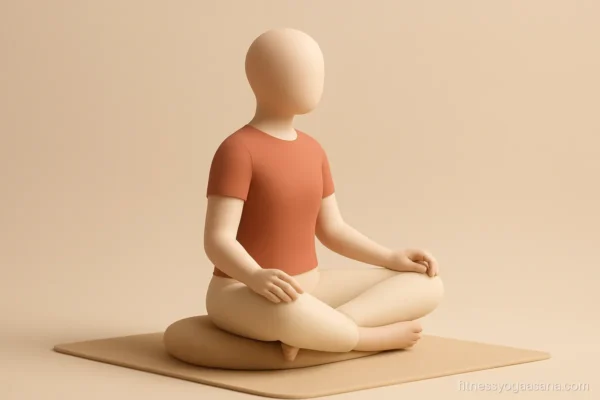 Sukhasana (easy)The simple cross legged seat for breathing and meditation
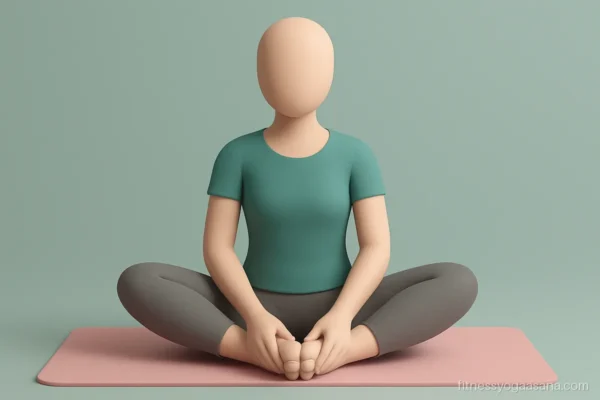 Butterfly poseSoles together, knees wide: a seated hip opener
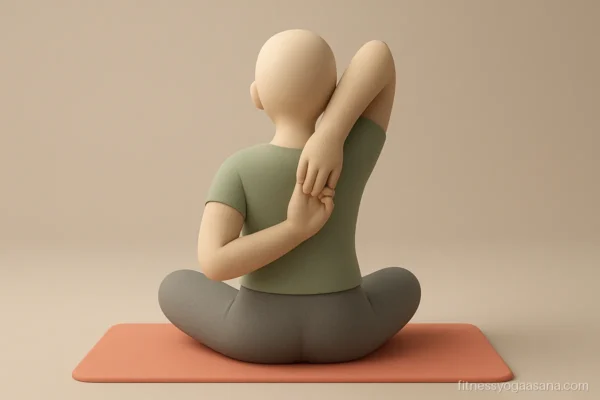 Sitting yoga posesSeated asanas for breathing, flexibility and calm, with names
 Yoga meditationHow yoga and meditation fit together, with a starter practice
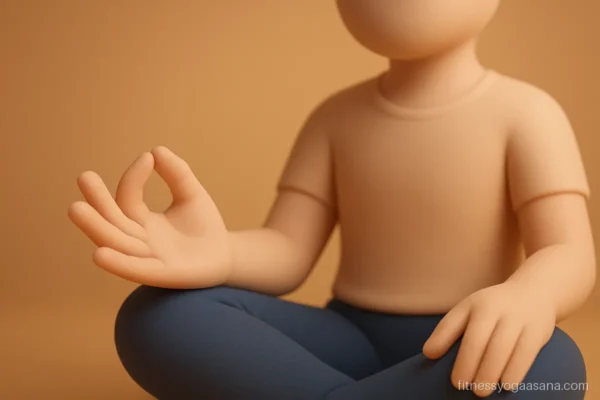 Gyan mudraIndex tip to thumb tip, palm up: the classic meditation seal
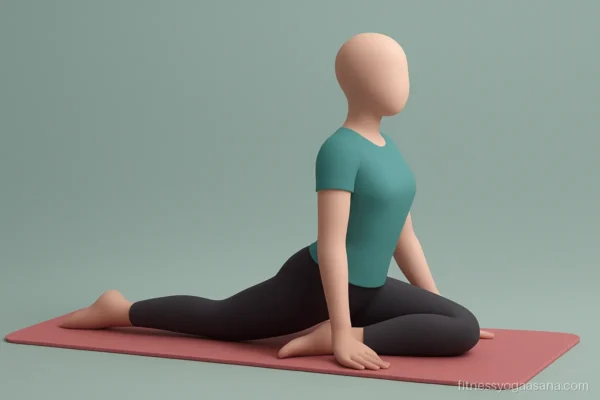 Pigeon poseA deep outer hip stretch with props and knee friendly options
More in yoga poses
 Yoga asanas namesSanskrit and English names of common yoga poses, with pictures
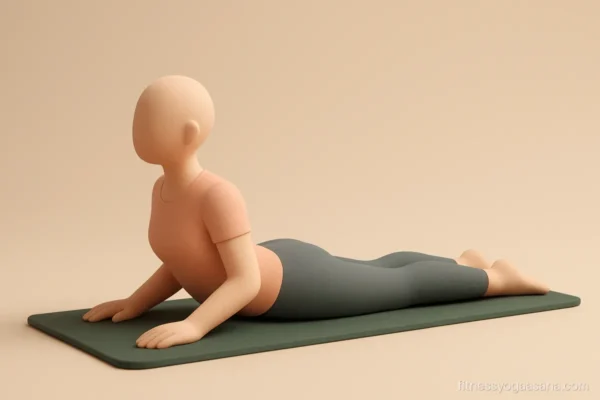 Bhujangasana (cobra)Cobra pose: a gentle back bend lying on the belly
 Standing yoga posesThe main standing asanas with names, pictures and a sequence
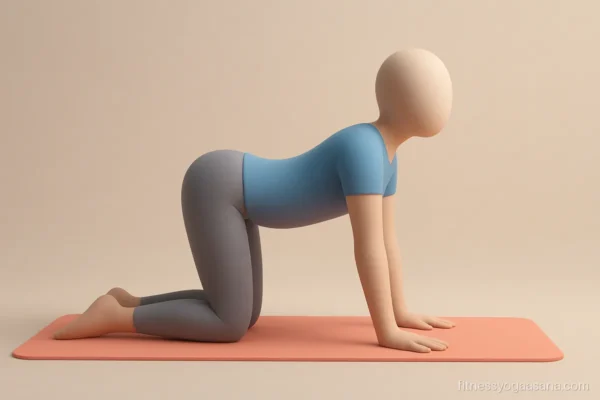 Cat cow poseA flowing spine warm up on hands and knees, linked to the breath
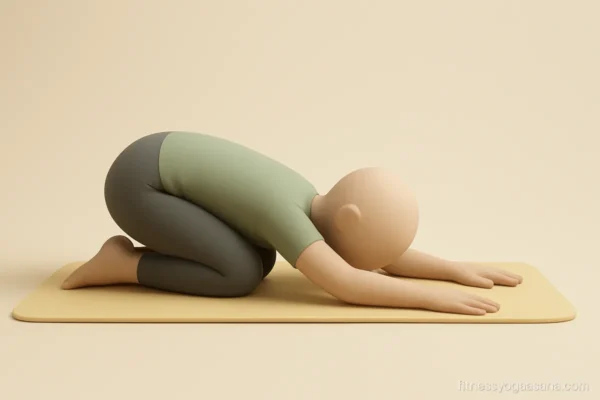 Balasana (child)Child pose: a kneeling forward rest for the back and mind
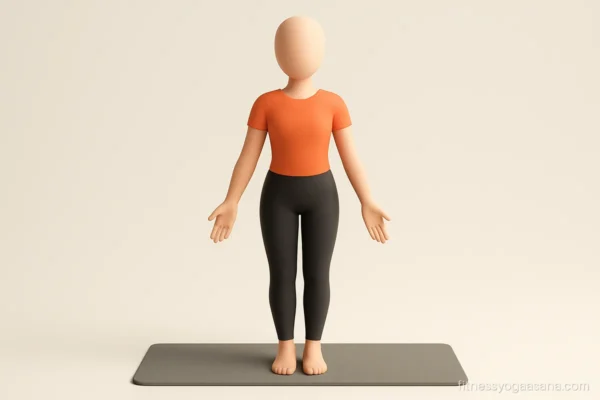 Tadasana (mountain)Mountain pose: the standing base for every other asana
 Vrikshasana (tree)Tree pose: a one leg balance for focus and steadiness
 Advanced yoga posesArm balances, inversions and deep bends, with prep poses