Bhujangasana: How to Do Cobra Pose Safely
Yoga poses 4 illustrations Updated 2 Nov 2026
Bhujangasana, or cobra pose, is a gentle back bend done lying on the belly: the hands press lightly under the shoulders while the chest lifts forward and up, the way a cobra lifts its hood before it strikes. It is one of the first back bends beginners learn and is step 7 of surya namaskar.
Done well, the lift comes mostly from the upper back muscles, with the arms only helping. This page covers the steps, the breath, an easier low cobra, the mistakes that pinch the lower back, and who should skip it.
- Sanskrit
- Bhujangasana (bhujanga: serpent)
- English
- Cobra pose, snake pose
- Level
- Beginner
- Hold
- 3 to 5 breaths, 2 or 3 times
- Pose type
- Prone back bend
- Skip if
- Pregnancy, recent belly surgery, acute back pain
How to do bhujangasana step by step
- Lie on your belly with legs together or hip width apart and the tops of the feet on the mat.
- Place the palms flat under the shoulders, fingers spread, elbows tucked in.
- Press the pubic bone and feet gently down.
- Inhale and slowly lift the head and chest, using the back muscles first.
- Press lightly through the hands to lift a little higher, keeping the elbows bent.
- Roll the shoulders back and keep the neck long, gaze forward or slightly up.
- Hold for 3 to 5 breaths, then exhale and lower slowly. Rest with one cheek on the mat.
Bhujangasana (cobra) in pictures
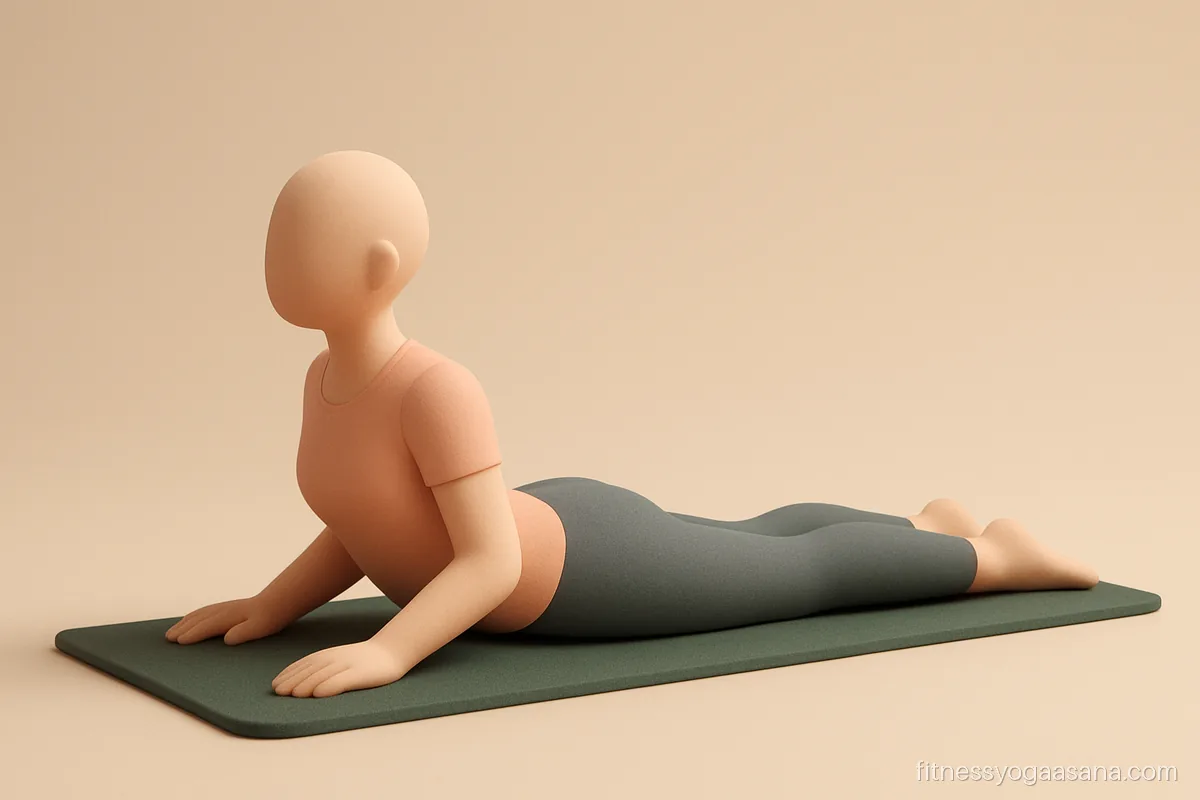
- Level
- Beginner
- Hold
- 3 to 5 breaths
- Works on
- Upper back
Low cobra is the safest way to start. The chest lifts only a few inches and the elbows stay bent and close to the ribs.
Teacher's cue: Lift the hands a centimetre off the mat to test that your back is doing the work.

- Level
- Beginner plus
- Hold
- 3 breaths
- Works on
- Spine, chest
In the fuller version the arms lengthen and the chest opens more. Stop before the lower back feels compressed.
Teacher's cue: Keep a slight bend in the elbows and roll the shoulders down and back.
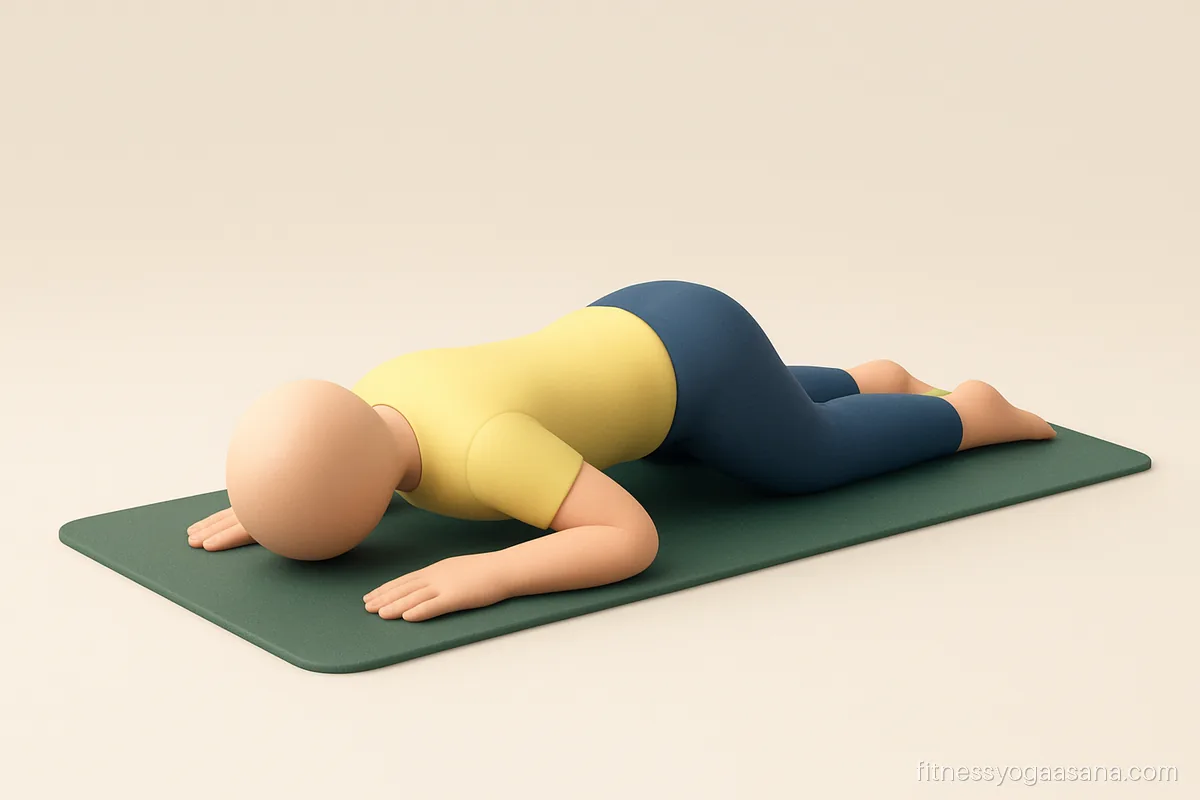
- Level
- Beginner
- Hold
- 1 breath to set up
- Works on
- Setup
The setup decides the pose. Hands go under the shoulders, fingers spread, and the tops of the feet press into the mat.
Teacher's cue: Draw the elbows in so they point back, not out to the sides.
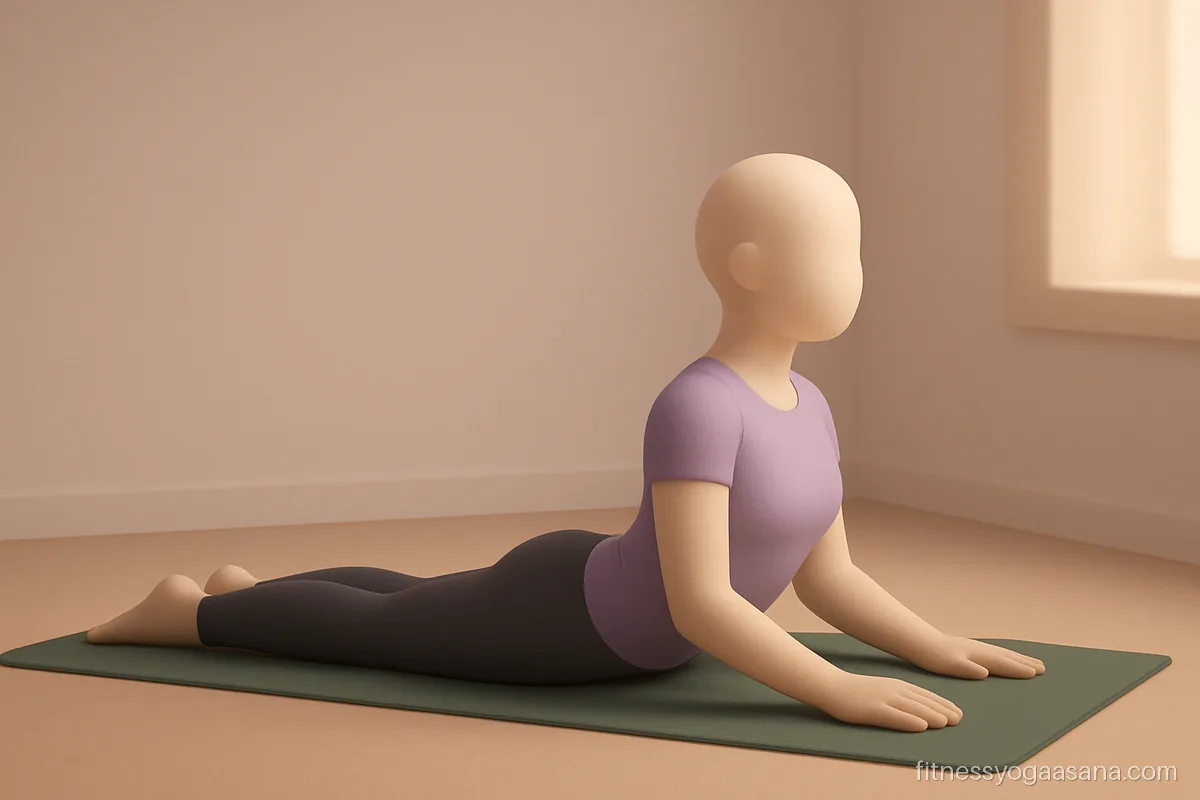
- Level
- Beginner
- Hold
- 5 to 10 breaths
- Works on
- Lower back, chest
Sphinx pose, on the forearms, gives a milder back bend for stiff or sensitive backs.
Teacher's cue: Press the forearms down and slide the chest forward between the arms.
Bhujangasana yoga pose: names you will hear
Teachers use several names for the same shape. Bhujangasana yoga and bhujang asana are the Sanskrit forms. Cobra pose in yoga, cobra yoga pose and cobra asana are the English versions, and some fitness trainers call it the cobra stretch yoga pose. Snake pose yoga is the name many children learn. In a printed timetable you may also see cobra pose bhujangasana yoga, or the bhujangasana cobra pose yoga label used for step 7 of surya namaskar. When a gym class says cobra stretch yoga bhujangasana, it is this same back bend, sometimes done with straighter arms.
Whatever the name, the cobra pose beginner yoga version is the same for everyone: low, slow and pain free. A woman in pregnancy should skip cobra pose yoga after the first months, as explained below.
Cobra pose yoga for beginners: the low version
If you are new or your back is stiff, start with low cobra: lift the chest only as far as you can without pressing hard into the hands. A good test is to hover the palms off the mat for a breath. If you can stay up, the upper back is working. If the lower back aches, try sphinx pose on the forearms instead, or place a folded blanket under the hips.
Common mistakes in cobra stretch
| Mistake | What to do instead |
|---|---|
| Locking the elbows and pushing high | Keep the elbows soft; height is not the goal |
| Shoulders hunched to the ears | Draw the shoulder blades down the back |
| Throwing the head back | Keep the back of the neck long |
| Hips lifting off the floor | Keep the front of the pelvis grounded |
| Holding the breath | Breathe slowly through the nose |
Benefits of bhujangasana
- Strengthens the muscles along the spine and the upper back.
- Opens the chest and the front of the shoulders, a good counter to slouching.
- Mobilises the spine into extension, which many people rarely do in daily life.
- Gently stretches the abdomen.
- Forms part of many routines for back pain, done carefully and low.
Claims that cobra pose treats specific organs are not well supported; its value is as a gentle strengthening back bend.
Who should skip or adapt cobra pose
Avoid it in pregnancy after the first trimester, after recent abdominal surgery and during an acute flare of back pain. People with a known disc problem or spinal stenosis should ask a physiotherapist which back bends suit them. If your wrists hurt, use sphinx pose.
Where bhujangasana fits in a sequence
Warm up first with cat cow. Practise cobra two or three times, then follow it with child pose to release the back. Stronger back bends such as dhanurasana and ustrasana come later. In surya namaskar, cobra is the step after the eight points salute.
Practise on an empty stomach, move slowly into each position and stop at any sharp pain. If you have an injury, a health condition or are pregnant, check with a doctor or an experienced teacher first.
Questions people ask
What is bhujangasana called in English?
It is called cobra pose. Bhujanga means serpent in Sanskrit, and the raised chest resembles a cobra lifting its hood.
How long should I hold cobra pose?
Hold for 3 to 5 slow breaths and repeat two or three times. Several short holds are better than one long one.
Is cobra pose good for lower back pain?
A low, gentle cobra is often included in back care routines. Stop if it increases pain, and get a diagnosis for persistent back trouble.
What is the difference between cobra and upward dog?
In cobra the hips and thighs stay on the floor and the elbows bend. In upward facing dog the arms straighten and the thighs lift off the floor.
Can I do bhujangasana after eating?
No. Wait at least two to three hours, because the belly presses against the floor.
Practise next
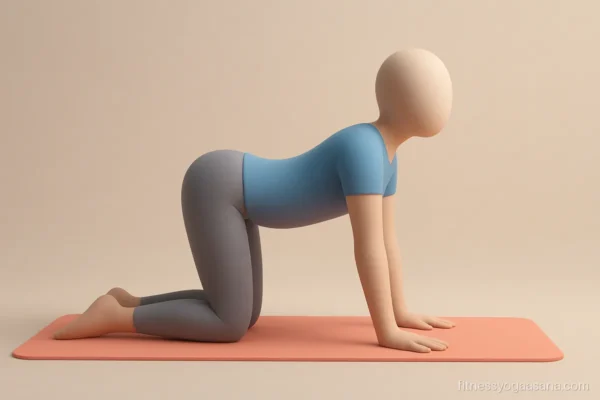 Cat cow poseA flowing spine warm up on hands and knees, linked to the breath
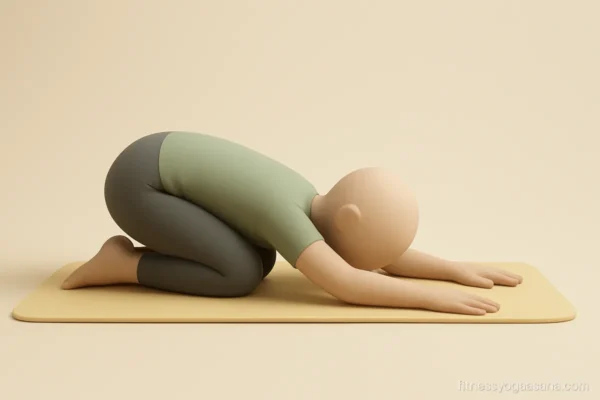 Balasana (child)Child pose: a kneeling forward rest for the back and mind
 Dhanurasana (bow)Bow pose: a belly down back bend holding the ankles
 Surya namaskar stepsAll 12 positions of the sun salutation, with breath and pictures
 Yoga for back painGentle poses and a daily routine for lower back pain and sciatica
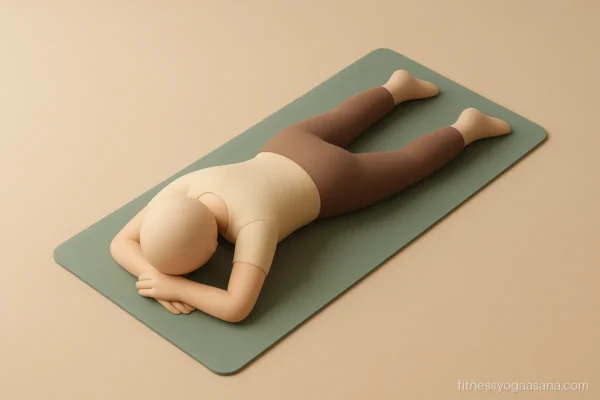 Makarasana (crocodile)Lying face down with the head on folded arms: rest that teaches breathing
More in yoga poses
 Yoga asanas namesSanskrit and English names of common yoga poses, with pictures
 Standing yoga posesThe main standing asanas with names, pictures and a sequence
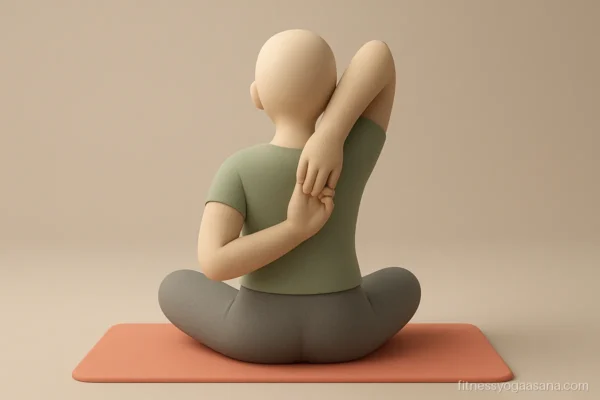 Sitting yoga posesSeated asanas for breathing, flexibility and calm, with names
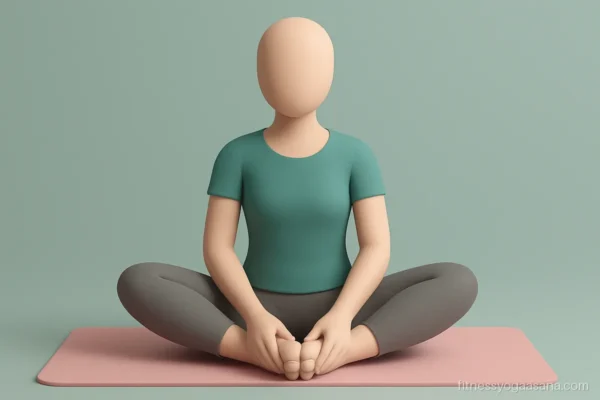 Butterfly poseSoles together, knees wide: a seated hip opener
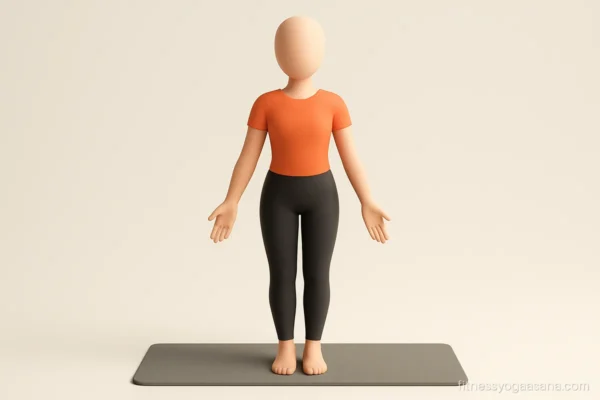 Tadasana (mountain)Mountain pose: the standing base for every other asana
 Vrikshasana (tree)Tree pose: a one leg balance for focus and steadiness
 Advanced yoga posesArm balances, inversions and deep bends, with prep poses
 Yoga for flexibilityTen stretching poses and a routine to loosen a stiff body