Yoga for Flexibility: The Best Stretches for Stiff Beginners
Yoga poses 3 illustrations Updated 2 Nov 2026
Yoga for flexibility works best with a few well chosen stretching poses held long enough for muscles to relax, practised most days. Flexibility grows slowly, but almost everyone gains range within a few weeks, especially in the hamstrings, hips and shoulders, which are the tightest areas for people who sit a lot.
Here are ten of the best yoga stretches, a 20 minute routine, how long to hold each pose, and the habits that speed progress without injury. Yoga poses for flexibility beginners can start today; no prior experience is needed.
- Main areas
- Hamstrings, hips, spine, shoulders, calves
- Hold
- 30 to 60 seconds, or 5 to 10 breaths
- Frequency
- 5 or 6 days a week
- Warm up
- Always, 5 minutes first
- Progress
- Noticeable in 3 to 6 weeks
- Rule
- Stretch, never strain
Yoga for flexibility: the 10 best stretches
- Downward dog: calves, hamstrings, shoulders.
- Low lunge: hip flexors.
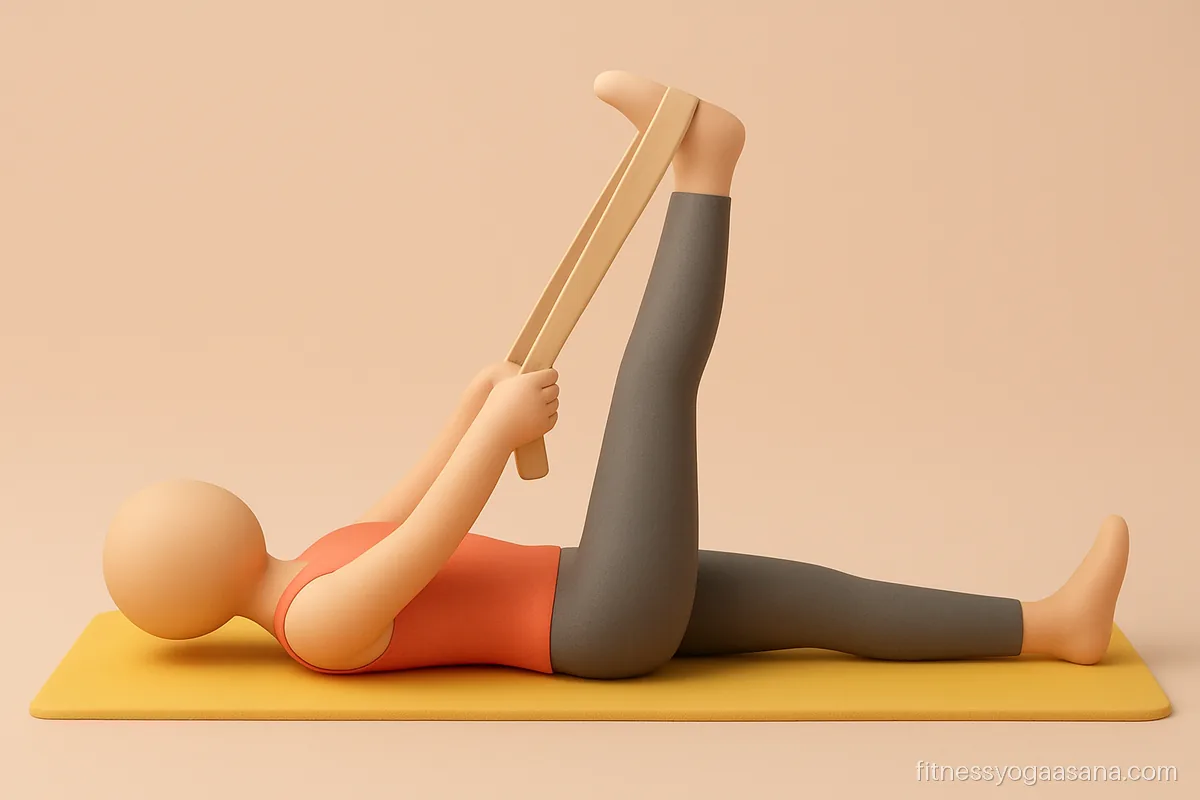
- Lying hamstring stretch with a strap.
- Pigeon pose: outer hips.
- Butterfly: inner thighs.
- Seated forward bend: back of the body.
- Triangle pose: side body and legs.
- Thread the needle: shoulders.
- Seated twist: spine.
- Bridge pose: front of the hips and chest.
These stretching yoga poses cover every major area. Work through them in this order for a balanced session.
Yoga for flexibility in pictures

- Level
- Beginner
- Hold
- 5 to 8 breaths a side
- Works on
- Hip flexors
The low lunge opens the hip flexors, tight in almost everyone who sits all day.
Teacher's cue: Tuck the tailbone slightly and feel the stretch move to the front of the back thigh.
- Level
- Beginner
- Hold
- 45 to 60 sec a leg
- Works on
- Hamstrings
A strap around the foot lets you stretch the hamstrings lying down, with the back fully supported.
Teacher's cue: Keep the bottom leg long and heavy on the floor.
- Level
- Beginner
- Hold
- 5 breaths each side
- Works on
- Shoulders, upper back
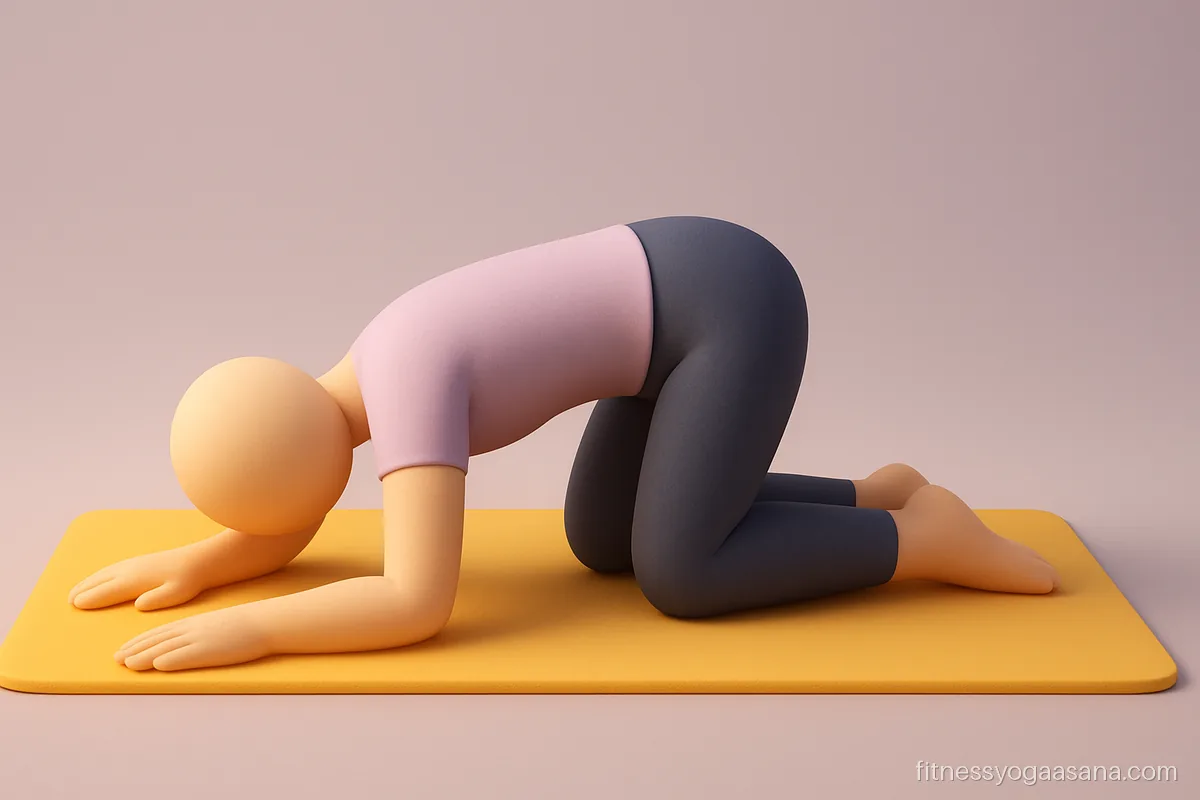
Thread the needle stretches the back of the shoulder and gently twists the upper spine.
Teacher's cue: Let the shoulder and temple side of the head rest heavy on the mat.
A 20 minute yoga stretching routine
Warm up with two minutes of cat cow and two slow sun salutations. Then hold each of the ten stretches above for 30 to 60 seconds, or both sides for one sided poses. End with three minutes lying in shavasana. Most weeks, aim for five or six sessions. Yoga stretches for flexibility work best after the body is warm, so evening sessions often feel easier than early morning ones.
How long to hold a stretch
Muscles need time to relax into a new length. For flexibility, hold each pose for 30 to 60 seconds, about 5 to 10 slow breaths. Short bounces do little and raise injury risk. Longer holds of two to five minutes are used in yin yoga, which is another good option for stiff bodies.
Yoga stretching for different body types
Some people are naturally loose in the hips and tight in the shoulders, others the opposite. Use the routine to find your two tightest areas and give them an extra minute each day. Men often find hamstrings and hips tightest; many women find shoulders and the upper back stiffer. Older practitioners do well with supported versions and slower progress. The aim is comfortable movement in daily life, not a perfect split.
Tips that speed progress safely
- Breathe out into the stretch: the exhale helps muscles let go.
- Use props: a strap, block or cushion lets you stretch without straining.
- Stay at a 6 out of 10: strong but not painful.
- Be consistent: short daily sessions beat a long weekly one.
- Build strength too: flexible joints need muscle control to stay safe.
Who should be careful
People with very mobile joints should focus on strength more than deep stretching. After injuries or surgery, follow your physiotherapist's guidance. Sharp, pulling pain at the back of the knee or along a nerve means ease off at once. More beginner poses are on yoga for beginners.
Practise on an empty stomach, move slowly into each position and stop at any sharp pain. If you have an injury, a health condition or are pregnant, check with a doctor or an experienced teacher first.
Questions people ask
Can yoga make me flexible if I am very stiff?
Yes. Stiff people often see the biggest gains. Start with props and expect noticeable change in three to six weeks.
How often should I do yoga for flexibility?
Fifteen to twenty minutes on most days of the week keeps progress steady.
Is it better to stretch in the morning or evening?
Muscles are warmer in the evening, so stretching often feels easier then. Morning stretching is fine with a good warm up.
Which yoga style is best for flexibility?
Yin yoga and gentle hatha classes with long holds suit flexibility goals best.
Why am I not getting more flexible?
Common reasons are irregular practice, holds that are too short, or pushing so hard that muscles tense to protect themselves.
Practise next
 Yin yogaLong, passive floor holds, and how restorative yoga differs
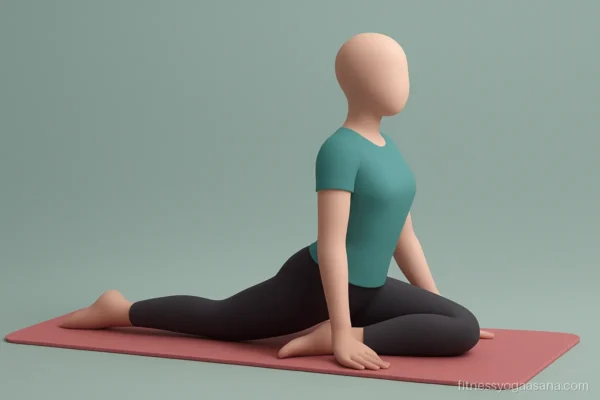 Pigeon poseA deep outer hip stretch with props and knee friendly options
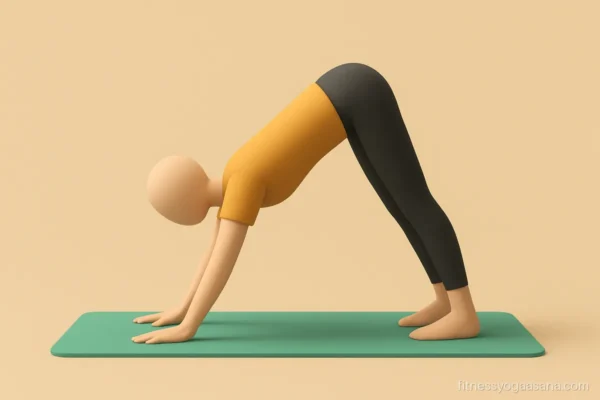 Downward dogThe inverted V: hips high, heels reaching, spine long
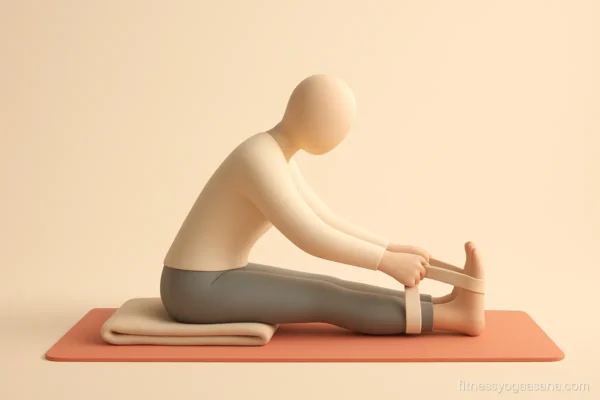 Paschimottanasana (seated forward bend)Legs long, folding forward from the hips over the thighs
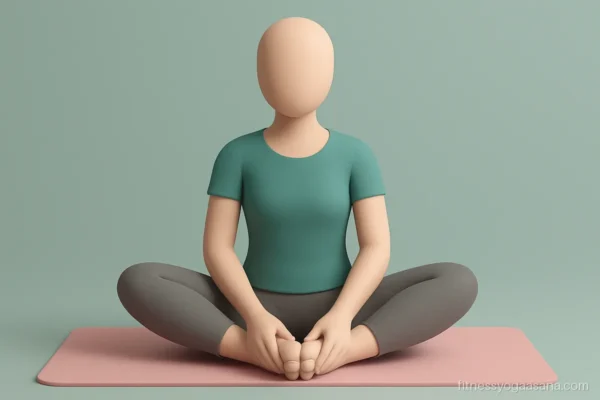 Butterfly poseSoles together, knees wide: a seated hip opener
 Yoga for beginnersTen easy poses, basic rules and a two week plan for new students
More in yoga poses
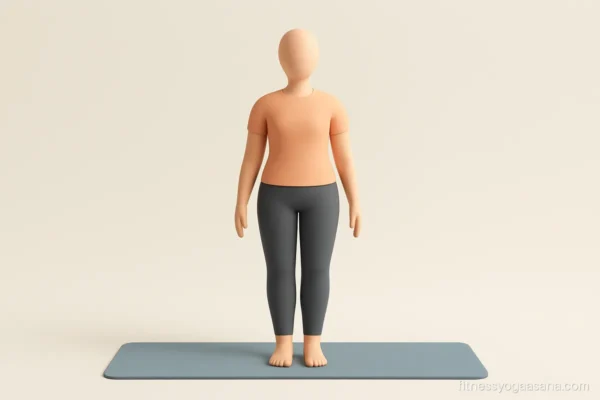 Yoga asanas namesSanskrit and English names of common yoga poses, with pictures
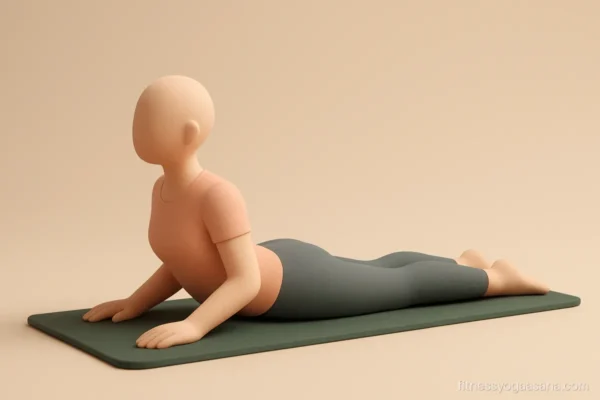 Bhujangasana (cobra)Cobra pose: a gentle back bend lying on the belly
 Standing yoga posesThe main standing asanas with names, pictures and a sequence
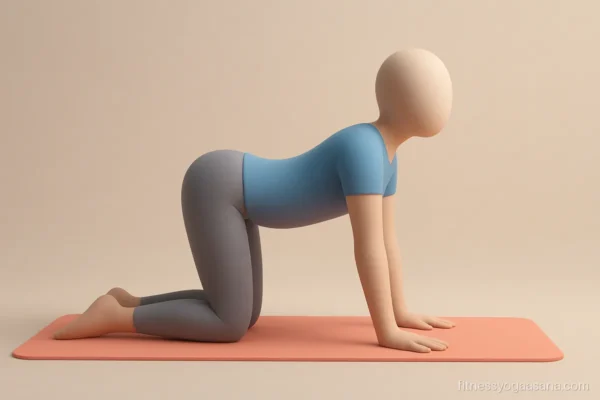 Cat cow poseA flowing spine warm up on hands and knees, linked to the breath
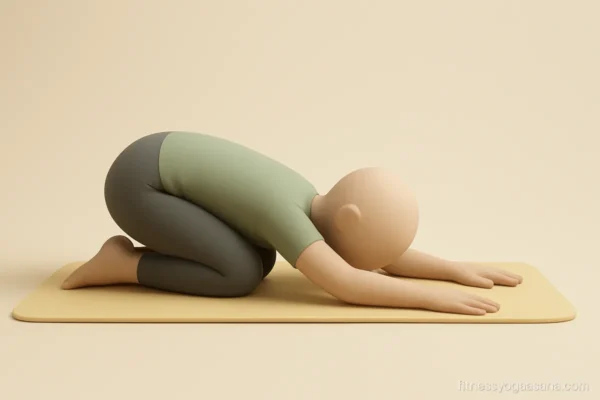 Balasana (child)Child pose: a kneeling forward rest for the back and mind
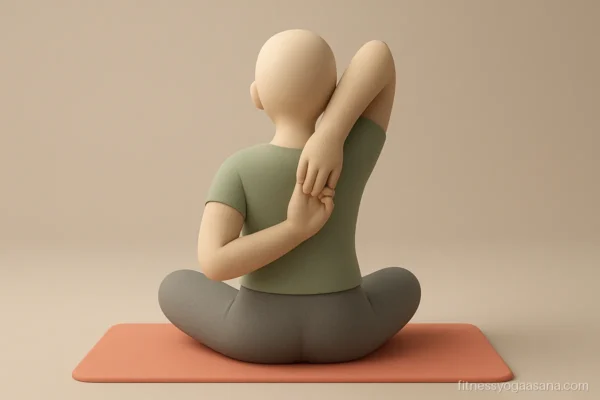 Sitting yoga posesSeated asanas for breathing, flexibility and calm, with names
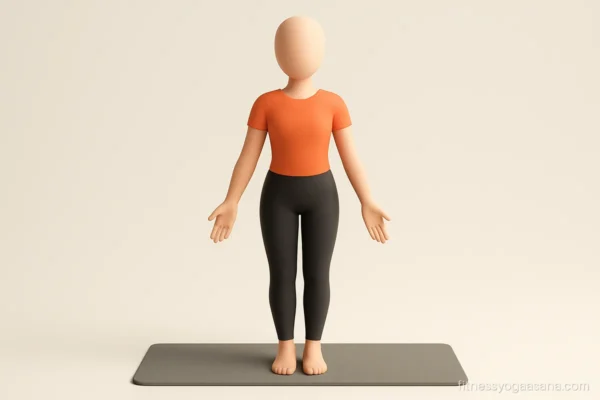 Tadasana (mountain)Mountain pose: the standing base for every other asana
 Vrikshasana (tree)Tree pose: a one leg balance for focus and steadiness