Vakrasana: The Simple Seated Twist and Other Yoga Twists
Yoga poses 4 illustrations Updated 2 Nov 2026
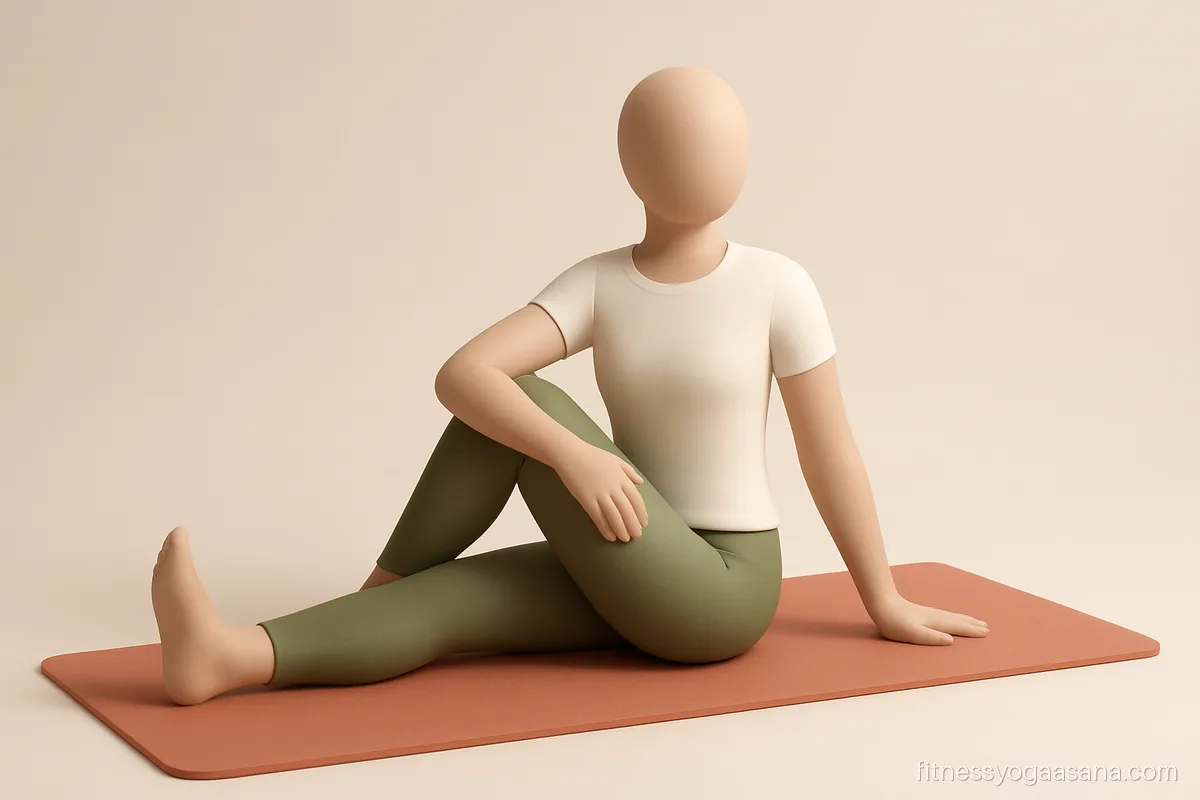
Vakrasana is a simple seated spinal twist and is often the first twist taught to beginners in Indian yoga classes and school programmes. Vakra means twisted or turned. You sit with the legs long, bend one knee, place the foot beside the other knee, and turn the upper body toward the bent leg, using a hand on the floor behind you for support. It prepares the body for the deeper half spinal twist, ardha matsyendrasana.
This page explains vakrasana step by step, the two other twisting yoga poses most people need, the lying supine twist and ardha matsyendrasana, how to twist safely, what twists offer, and when to avoid them.
- Sanskrit
- Vakrasana (vakra: twisted)
- English
- Simple seated twist
- Level
- Beginner
- Hold
- 5 breaths each side
- Leads to
- Ardha matsyendrasana, half spinal twist
- Skip if
- Disc injury, pregnancy, recent surgery
How to do vakrasana
- Sit in staff pose with legs straight and the spine tall.
- Draw the right heel in and set that foot flat next to the left knee.
- Place the right palm on the floor behind the hips, fingers pointing back.
- Raise the left arm, then bring it to the outside of the right knee, holding the knee or the ankle.
- Breathe in and grow taller from the base of the spine.
- Exhale and turn the waist, then the chest, then the head to the right.
- Stay for five breaths, come back to centre slowly, then switch legs.
Vakrasana (twist) in pictures
- Level
- Beginner
- Hold
- 5 breaths a side
- Works on
- Spine, waist
Vakrasana: lengthen first, then rotate the belly and ribs with the back hand close to the hips.
Teacher's cue: Sit tall on each inhale; turn a fraction more on each exhale.
- Level
- All levels
- Hold
- 1 minute a side
- Works on
- Lower back release
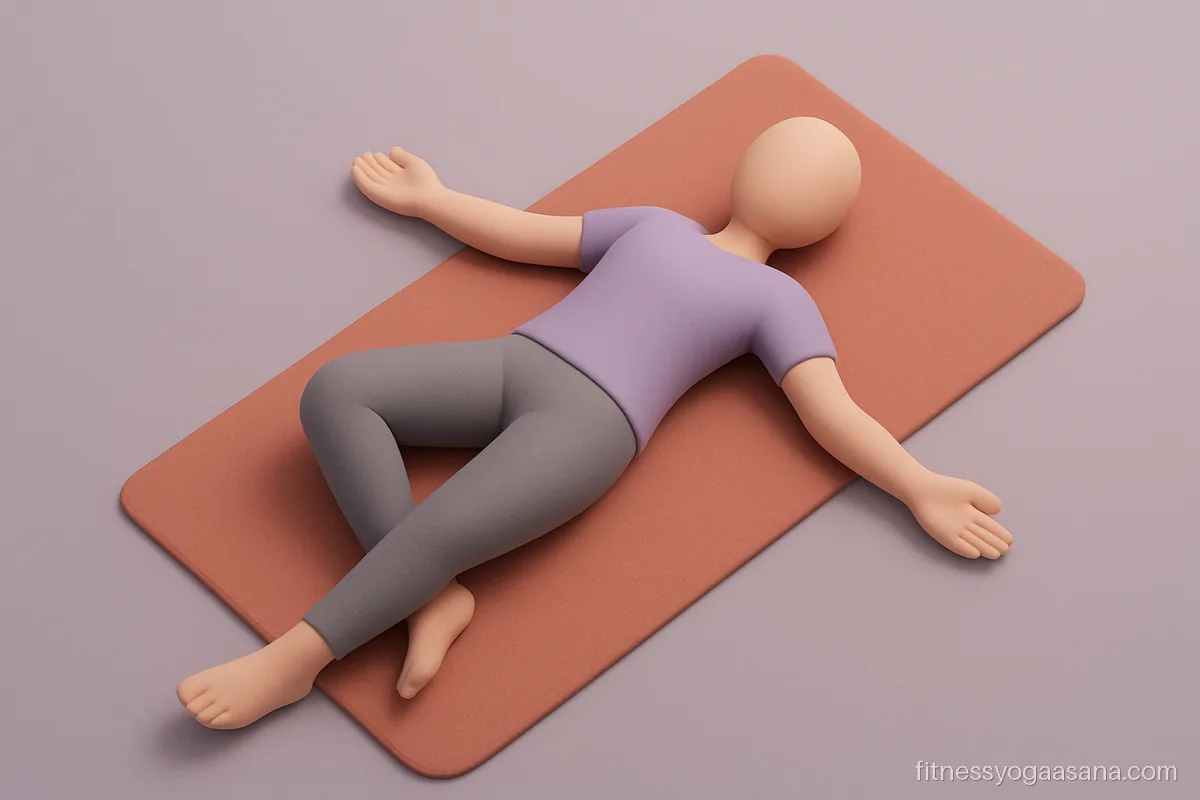
The supine twist is the gentlest option and suits tired backs once the harder work is done.
Teacher's cue: Let gravity do the twisting; no pushing.
- Level
- Intermediate
- Hold
- 5 breaths a side
- Works on
- Spine, hips
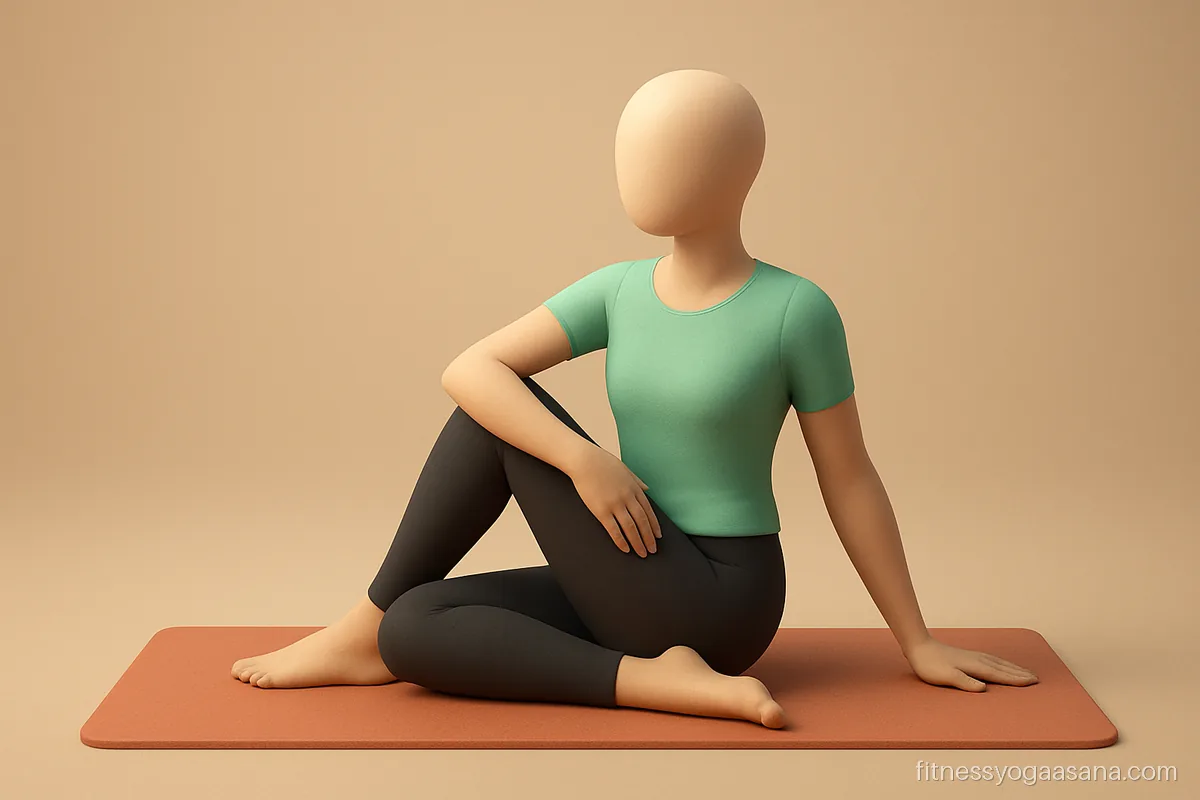
Ardha matsyendrasana adds a folded bottom leg and the elbow outside the knee for a deeper turn.
Teacher's cue: Keep both sit bones heavy on the mat.

- Level
- All levels
- Hold
- 5 breaths a side
- Works on
- Upper back
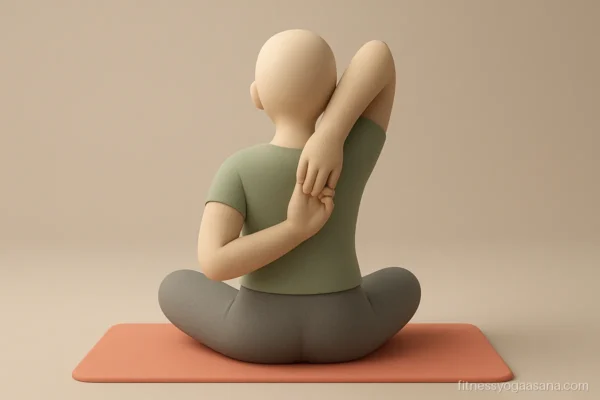
A chair twist brings the same benefits to the office and to people who cannot sit on the floor.
Teacher's cue: Keep both feet flat and the knees facing forward.
Twisting the safe way
A good twist starts from length. If you twist while slumped, the lower back bends and turns at once, which strains the discs. Sit on a folded blanket if the lower back rounds. Turn from the belly and ribs, letting the neck follow last. Use the arms only to guide, not to crank yourself further. Breathing should stay easy; if it feels cramped, come out a little.
The supine twist
Lie on the back, bend both knees, and stretch the arms out at shoulder height. Let both knees fall slowly to the left while the right shoulder stays heavy. Turn the head right if the neck is comfortable. Stay a minute, then change sides. Searches for supine spinal twist yoga pose or supine twist yoga pose mean this shape. It is the kindest option for stiff backs and fits well near the end of a session, before shavasana.
Ardha matsyendrasana
Once vakrasana is comfortable, fold the bottom leg so the heel sits near the opposite hip, and hook the elbow outside the raised knee. The deeper hold in ardha matsyendrasana yoga, the half lord of the fishes, adds a hip stretch and a stronger turn through the upper back. Keep both sit bones grounded. If the hips are tight, keep the bottom leg straight and stay with vakrasana.
Benefits of yoga twists
- Restore turning movement to the spine, which is lost with long sitting.
- Stretch the muscles along the back and sides of the waist.
- Many people find they ease a feeling of stiffness and bloating.
- Encourage a tall seated posture.
The popular idea that twists squeeze waste out of organs is not accurate. The body clears waste through the liver and kidneys, and twisting does not speed this up. The real gains are mobility and comfort.
Who should skip or adapt twists
Avoid deep twists with a herniated disc, recent back or abdominal surgery, severe osteoporosis or a spinal fracture, and in pregnancy, when only gentle open twists that turn away from the belly are suitable. People with sacroiliac pain should keep twists small and the pelvis free to turn. Sharp or radiating pain during a twist is a reason to see a doctor or physiotherapist.
Names you might see
Vakrasana yoga, vakrasana yoga pose, spinal twist yoga pose, yoga twists and twisting yoga poses all appear in class plans. Matsyendrasana with no prefix usually means the full version with the bottom foot in lotus, which is advanced. For back friendly ideas see yoga for back pain.
Practise on an empty stomach, move slowly into each position and stop at any sharp pain. If you have an injury, a health condition or are pregnant, check with a doctor or an experienced teacher first.
Questions people ask
What is vakrasana in English?
The simple seated twist.
What is the difference between vakrasana and ardha matsyendrasana?
Vakrasana keeps the bottom leg straight. Ardha matsyendrasana folds it and hooks the elbow outside the knee for a deeper twist.
Are twists good for back pain?
Gentle twists help many people with stiffness. Avoid them with disc problems unless a physiotherapist approves.
Can I do twists after eating?
Leave a gap of a couple of hours after a big meal. A gentle supine twist after a light snack is usually fine.
Which twist is easiest for beginners?
The supine twist lying on the back, followed by vakrasana.
Practise next
 Yoga for back painGentle poses and a daily routine for lower back pain and sciatica
 Sitting yoga posesSeated asanas for breathing, flexibility and calm, with names
 Shavasana (corpse)Corpse pose: complete stillness at the end of practice
 Chair yogaSeated stretches for the office, home and older bodies
 Cat cow poseA flowing spine warm up on hands and knees, linked to the breath
 Yoga for constipationPoses, a morning routine and habits for regular bowels
More in yoga poses
 Yoga asanas namesSanskrit and English names of common yoga poses, with pictures
 Bhujangasana (cobra)Cobra pose: a gentle back bend lying on the belly
 Standing yoga posesThe main standing asanas with names, pictures and a sequence
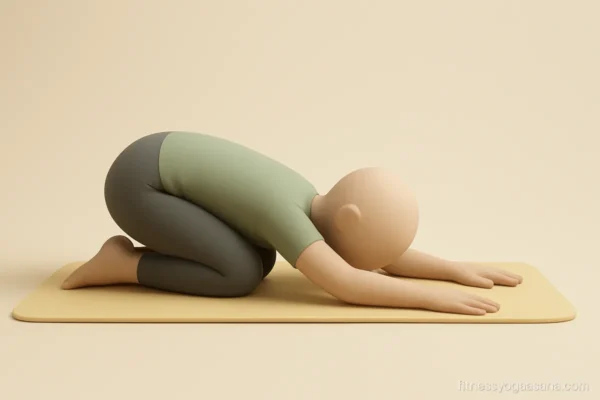 Balasana (child)Child pose: a kneeling forward rest for the back and mind
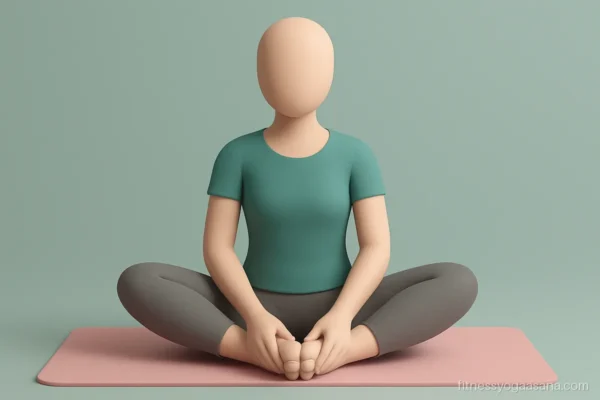 Butterfly poseSoles together, knees wide: a seated hip opener
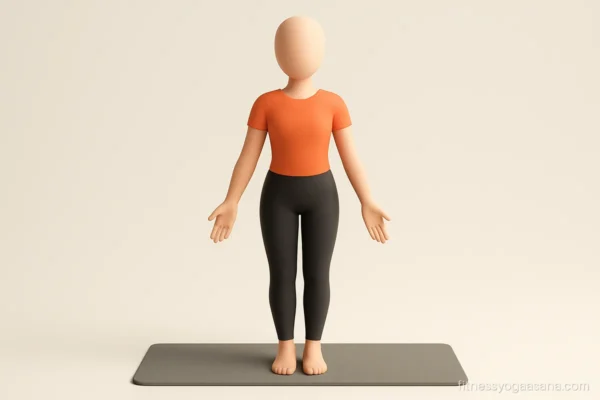 Tadasana (mountain)Mountain pose: the standing base for every other asana
 Vrikshasana (tree)Tree pose: a one leg balance for focus and steadiness
 Advanced yoga posesArm balances, inversions and deep bends, with prep poses