Dandasana: Staff Pose, the Seated Foundation
Yoga poses 4 illustrations Updated 2 Nov 2026
Dandasana, staff pose, is the seated equivalent of mountain pose: legs reach out ahead, the back rises tall and the palms press down by the hips. Danda means stick or staff, describing the straight, strong line of the back. It looks like simply sitting on the floor, yet holding it well takes active legs, a lifted chest and open hamstrings, and many people find their lower back rounds within seconds.
Here: correct dandasana form, why it tires the back so quickly, props for short hamstrings, and the seated postures that grow from it. Yoga dandasana and dandasana yoga pose searches are covered here too.
- Sanskrit
- Dandasana (danda: staff, stick)
- English
- Staff pose
- Level
- Beginner
- Hold
- 5 to 10 breaths
- Works
- Back extensors, thighs, posture
- Prop
- Folded blanket under the sit bones
How to do dandasana
- Sit on the mat with the legs straight and together in front of you.
- If the lower back rounds, sit on a folded blanket.
- Place the palms on the floor beside the hips, fingers forward.
- Flex the feet, pointing the toes up and pressing the heels forward.
- Press the backs of the thighs toward the floor.
- Press the hands down and lift the chest, keeping the shoulders relaxed.
- Hold five to ten breaths.
Dandasana (staff) in pictures
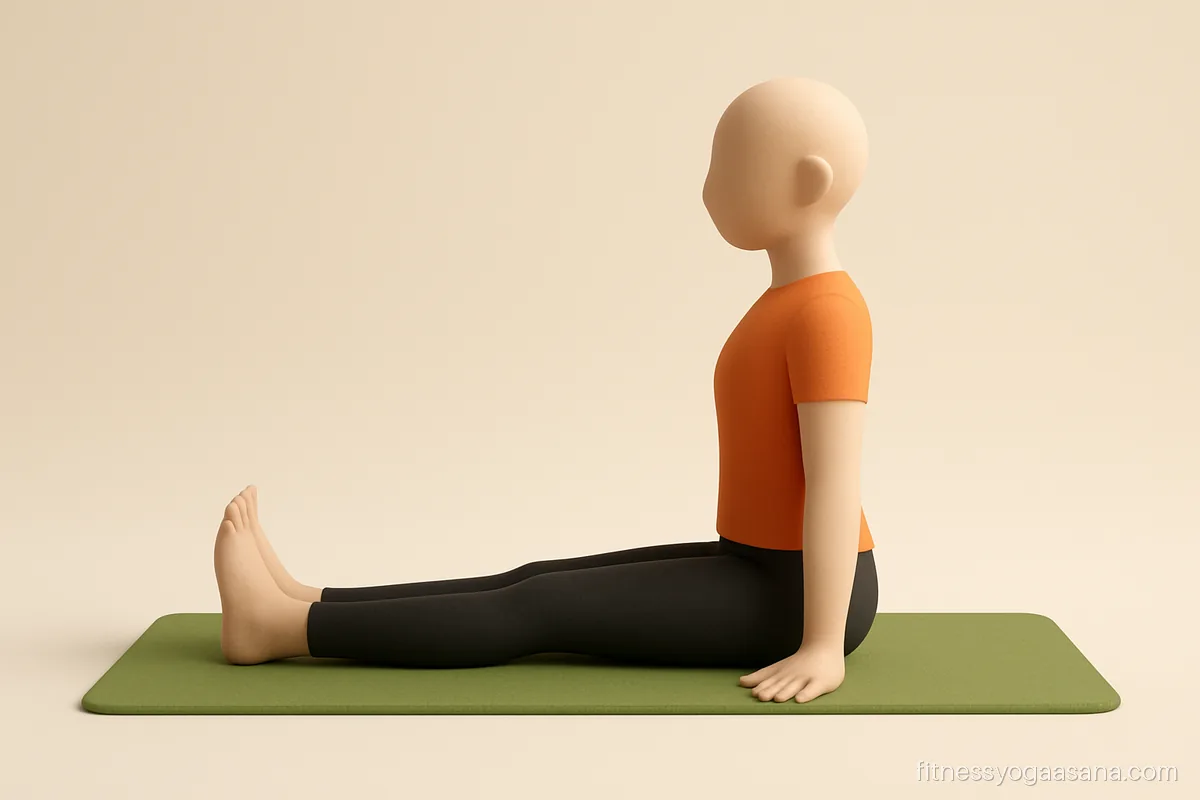
- Level
- Beginner
- Hold
- 5 to 10 breaths
- Works on
- Posture
The spine stands at a right angle to the legs, like a staff planted in the ground.
Teacher's cue: Press the hands down to lift the chest.
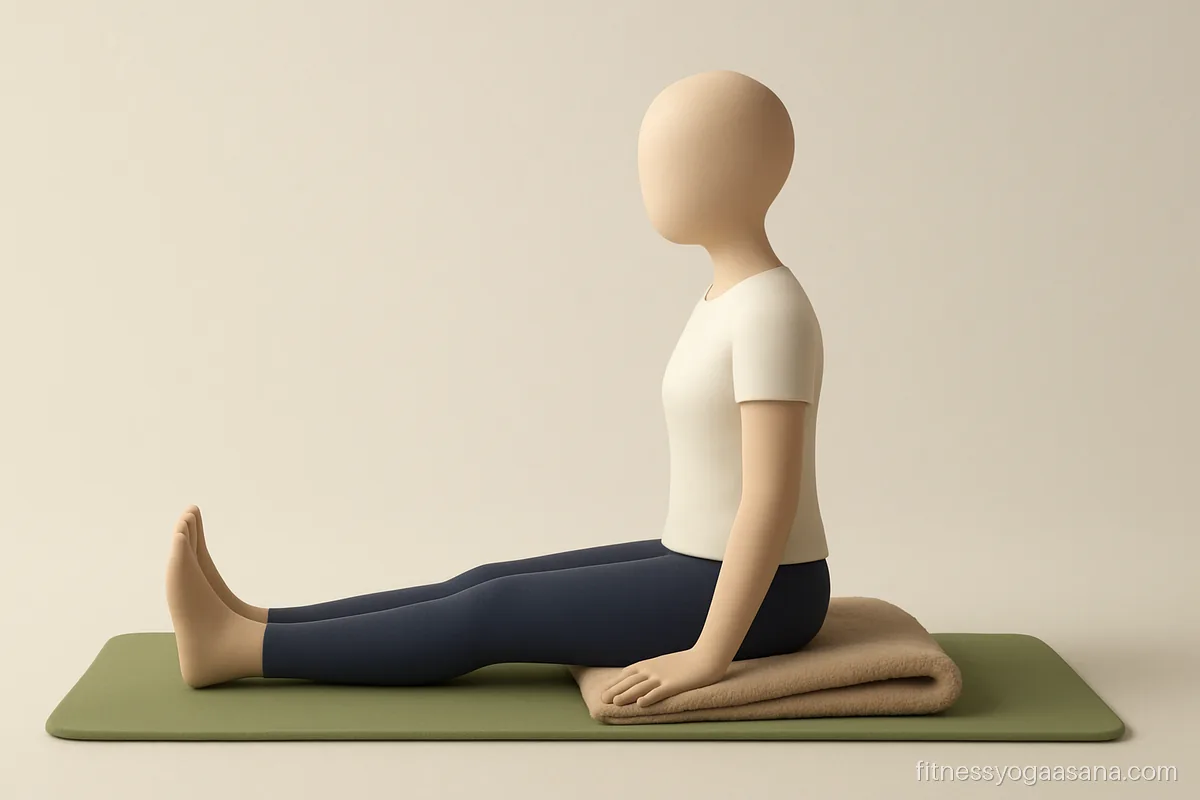
- Level
- All levels
- Hold
- 5 to 10 breaths
- Works on
- Spine alignment
A folded blanket under the sit bones tilts the pelvis so the back can lift without strain.
Teacher's cue: Perch near the leading edge of the fold.
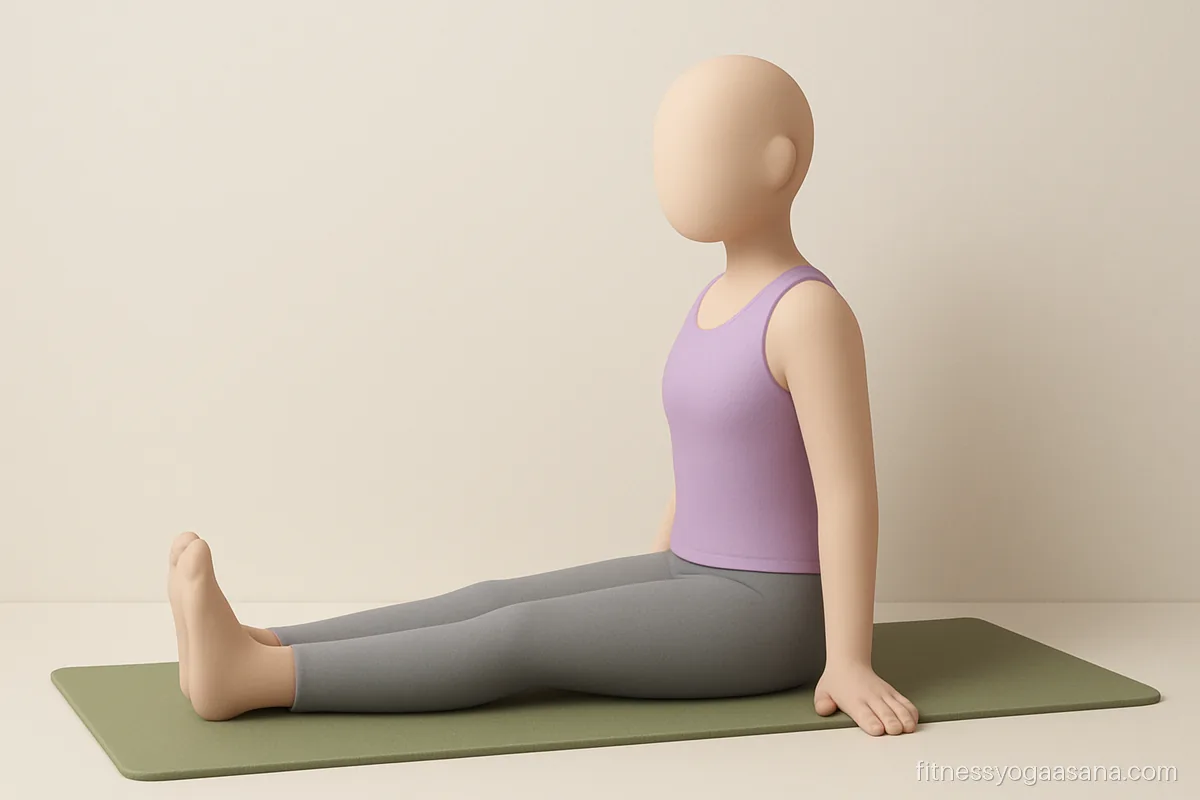
- Level
- All levels
- Hold
- 1 minute
- Works on
- Alignment check
A wall behind you is an honest mirror for posture.
Teacher's cue: Touch the wall with the buttocks, shoulder blades and back of the head.
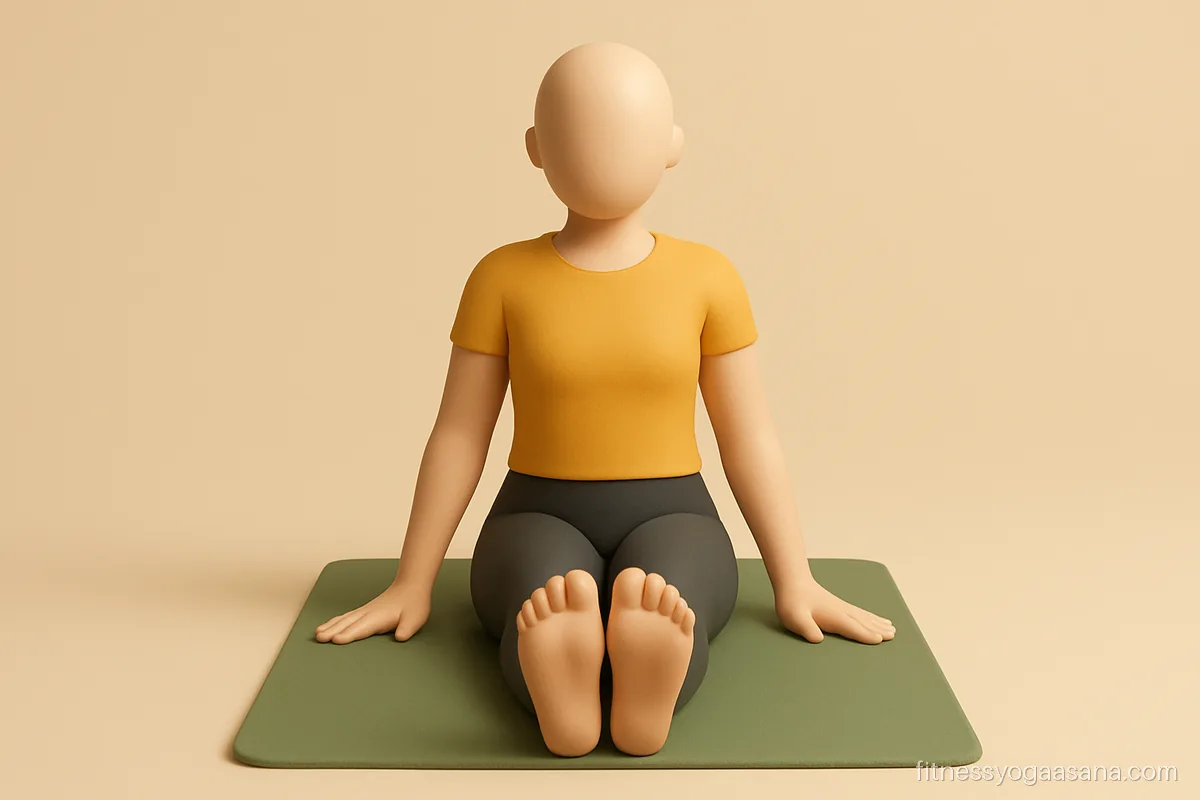
- Level
- Beginner
- Hold
- 5 breaths
- Works on
- Leg engagement
From the front, knees and toes point straight up and the shoulders sit level.
Teacher's cue: Press the backs of the knees toward the mat.
Why staff pose is harder than it looks
Sitting upright with straight legs requires the hamstrings to let the pelvis tilt forward. When they are tight, the pelvis tips back and the lower back rounds, so the back muscles must work hard to hold you upright. That is why the pose often trembles. With practice and a blanket, the back muscles strengthen and the hamstrings lengthen, making it easier.
Using props
- Folded blanket: raises the hips so the pelvis tilts forward.
- Blocks under the hands: help if the arms are short relative to the torso.
- Bent knees: a slight bend, or a rolled towel under the knees, relieves strain.
- Wall: sit against a wall to check alignment.
Dandasana yoga benefits
- Strengthens the back muscles that support posture.
- Stretches the hamstrings and calves.
- Builds awareness of an upright spine for sitting at a desk.
- Prepares the body for seated forward bends and twists.
Because it is so simple, staff pose is also a useful test. Try it once a week and notice how long you can sit tall before the back tires; that number usually rises as your practice develops.
Poses that start from dandasana
Most seated poses begin here: paschimottanasana, the seated forward bend; vakrasana and other seated twists; boat pose; and butterfly pose after bending the knees. In the ashtanga sequence, it also connects many seated postures. Learning dandasana well makes all of them easier.
Who should adapt it
When the lower back aches, add height under the seat and let the knees unlock. With hamstring injuries, keep the knees bent. With wrist pain, rest the hands on blocks or on the thighs. Ask a physiotherapist if sitting with straight legs triggers nerve pain down the legs. More seated options are on sitting yoga poses.
Practise on an empty stomach, move slowly into each position and stop at any sharp pain. If you have an injury, a health condition or are pregnant, check with a doctor or an experienced teacher first.
Questions people ask
What is dandasana in English?
Staff pose.
Why does my back round in dandasana?
Short hamstrings pull the pelvis backward; raise the hips on a blanket and soften the knees.
How long should I hold staff pose?
Five to ten breaths, or up to a minute when building strength.
What is dandasana good for?
Posture, back strength and preparing for seated poses.
Is dandasana a beginner pose?
Yes, though it is harder than it looks. Props make it accessible.
Practise next
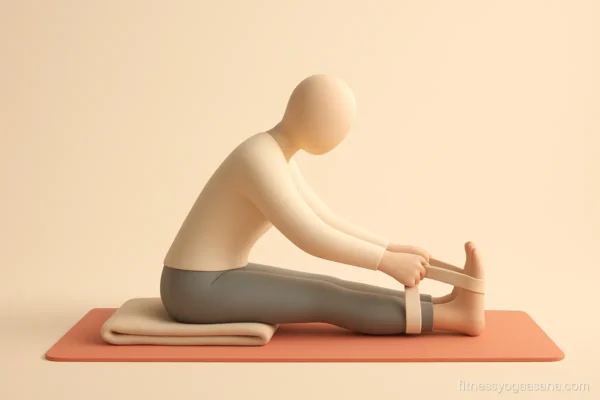 Paschimottanasana (seated forward bend)Legs long, folding forward from the hips over the thighs
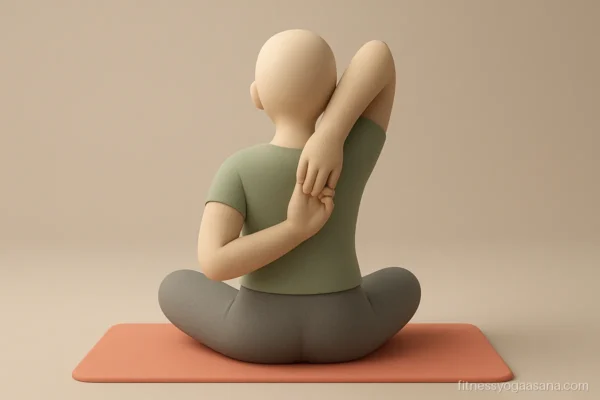 Sitting yoga posesSeated asanas for breathing, flexibility and calm, with names
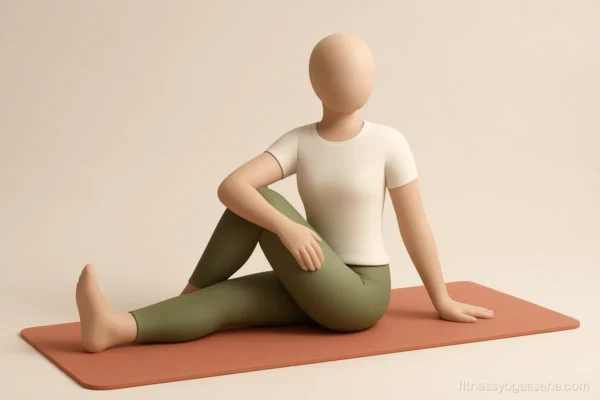 Vakrasana (twist)The beginner seated twist, and the other twists it leads to
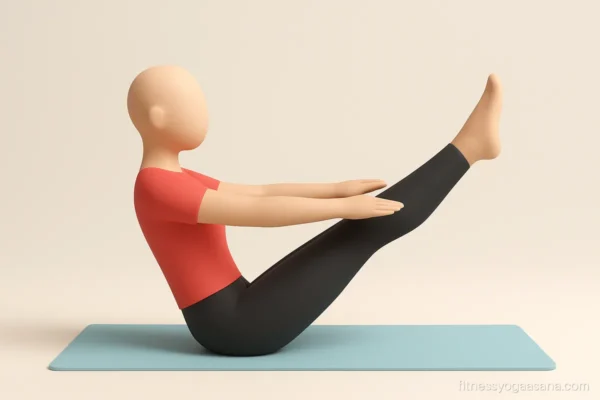 Naukasana (boat)Boat pose: balance on the sit bones with legs and chest lifted
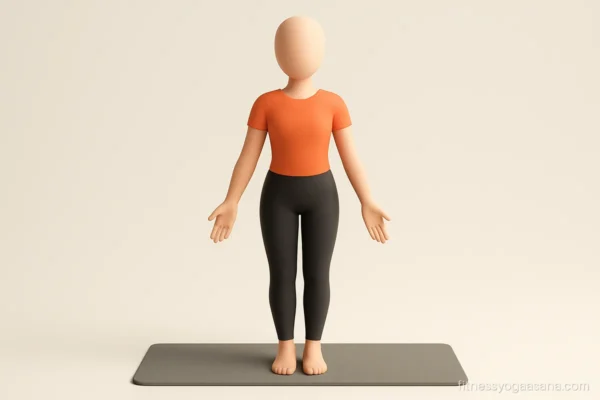 Tadasana (mountain)Mountain pose: the standing base for every other asana
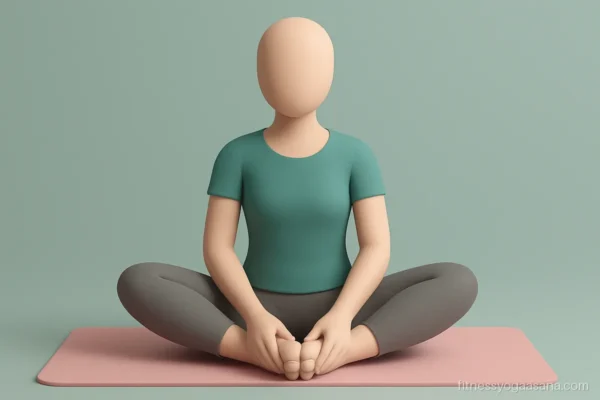 Butterfly poseSoles together, knees wide: a seated hip opener
More in yoga poses
 Yoga asanas namesSanskrit and English names of common yoga poses, with pictures
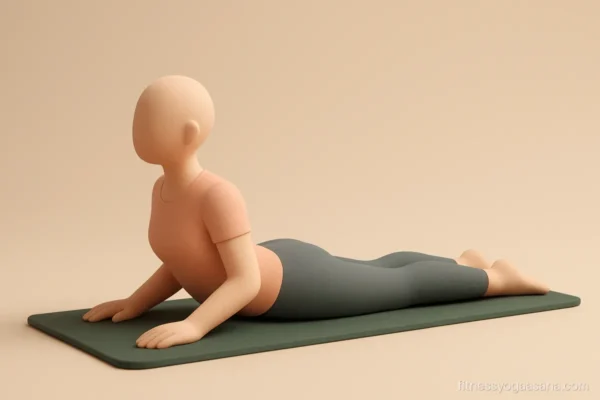 Bhujangasana (cobra)Cobra pose: a gentle back bend lying on the belly
 Standing yoga posesThe main standing asanas with names, pictures and a sequence
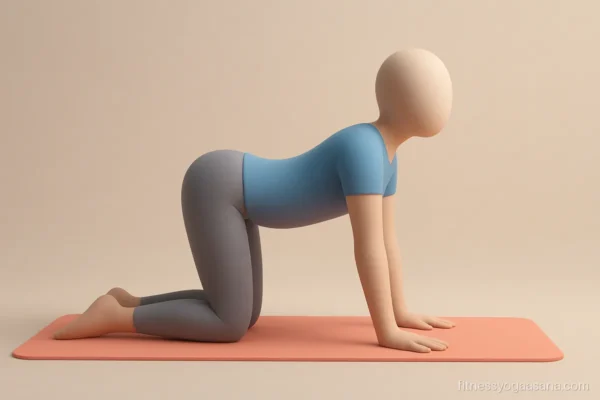 Cat cow poseA flowing spine warm up on hands and knees, linked to the breath
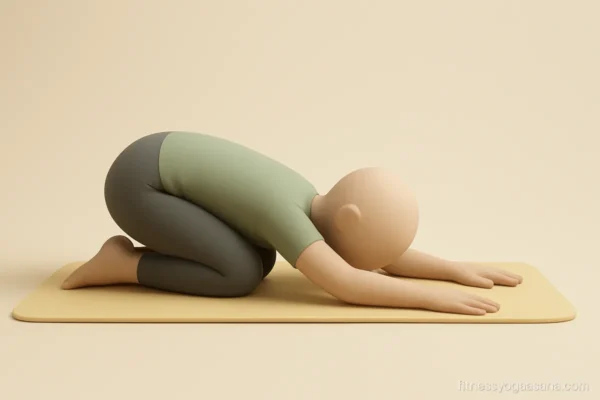 Balasana (child)Child pose: a kneeling forward rest for the back and mind
 Vrikshasana (tree)Tree pose: a one leg balance for focus and steadiness
 Advanced yoga posesArm balances, inversions and deep bends, with prep poses
 Yoga for flexibilityTen stretching poses and a routine to loosen a stiff body