Shavasana: How to Relax Completely in Corpse Pose
Yoga poses 4 illustrations Updated 2 Nov 2026
Shavasana, or corpse pose, is the pose of complete rest: you lie flat on your back, arms and legs relaxed, eyes closed, and let the body become still and heavy. Shava means corpse. It looks like the easiest pose, yet many teachers call it the hardest, because staying physically still while the mind keeps busy takes practice.
Read on for a prop setup for shavasana, a short body scan, how many minutes to stay, why the rest belongs at the close of each class, and changes for a sore back or a growing bump. It is also written savasana.
- Sanskrit
- Shavasana or savasana (shava: corpse)
- English
- Corpse pose, final relaxation
- Level
- All levels
- Hold
- 5 to 10 minutes
- Props
- Blanket, pillow under knees, eye cover
- Adapt
- Side lying in later pregnancy
How to do shavasana
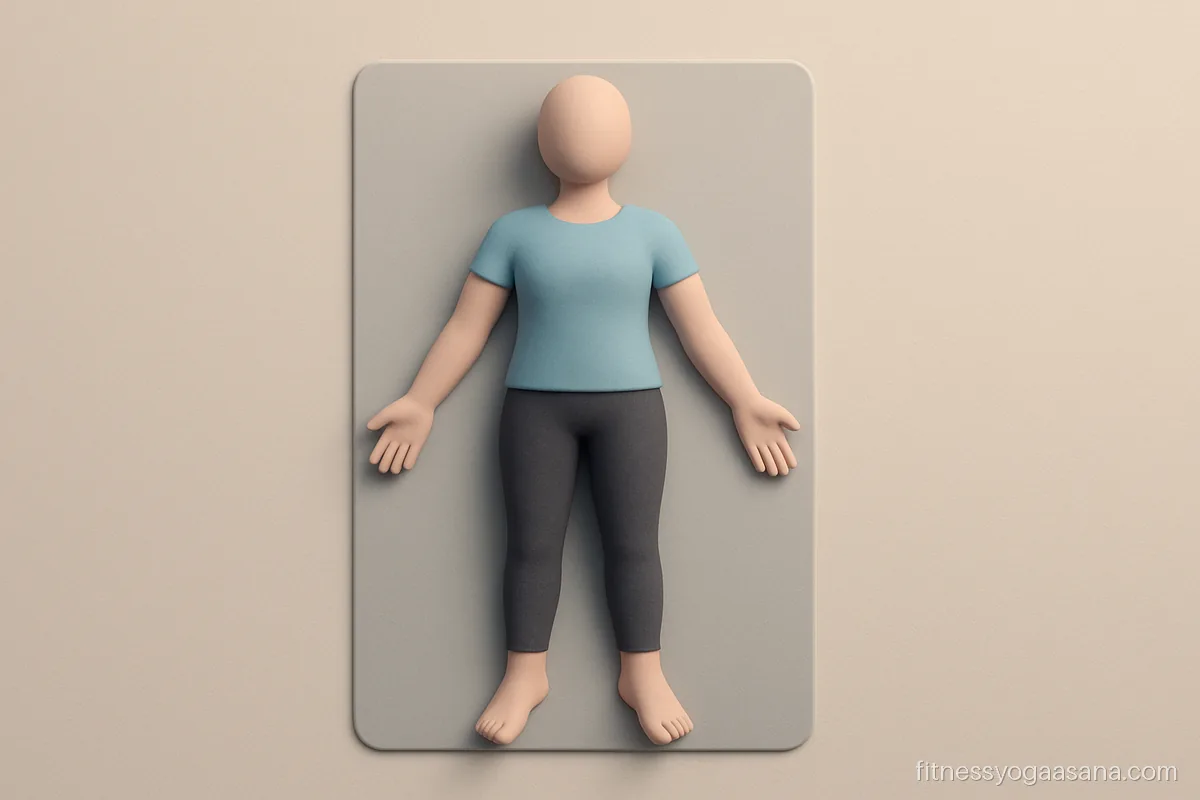
- Lie on your back on a mat; place a thin folded blanket under the head if the chin tips up.
- Let the legs fall a little apart and the feet roll outward.
- Rest the arms a short distance from the body, palms facing up.
- Close the eyes, or cover them with a soft cloth.
- Let the breath become natural; do not control it.
- Stay for 5 to 10 minutes.
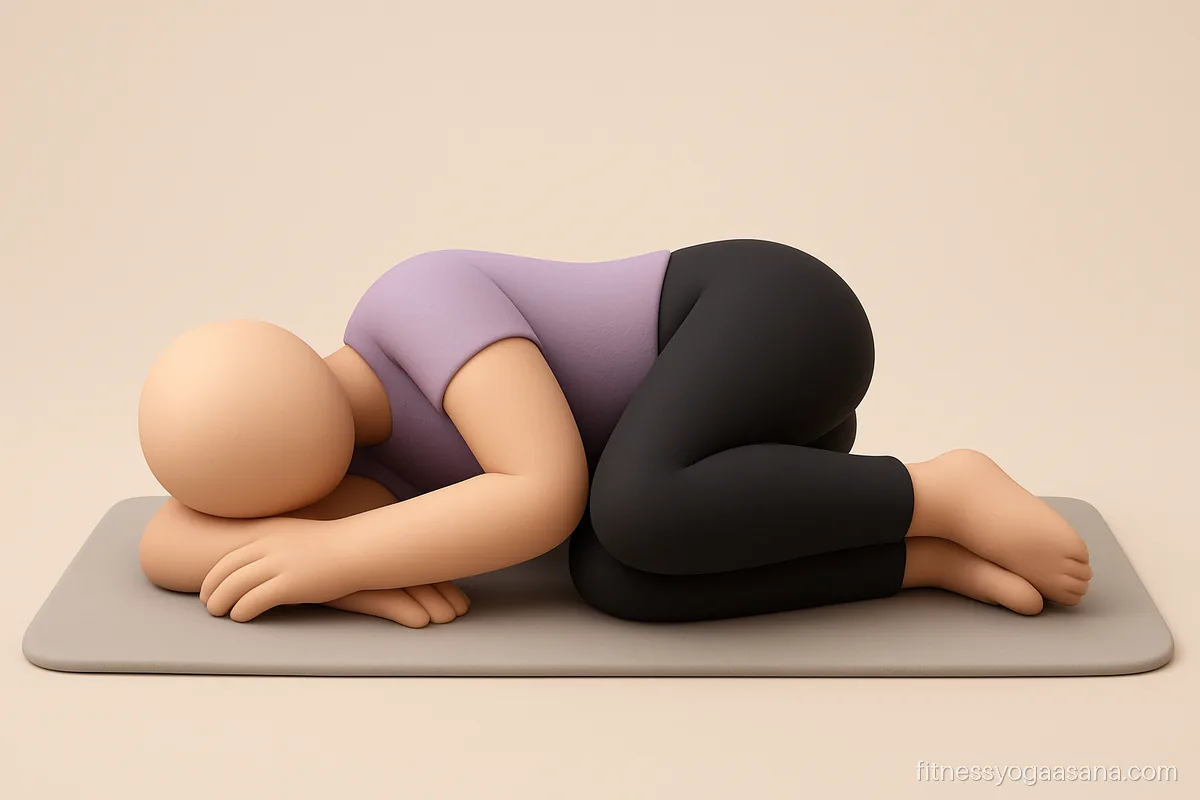
- When you are ready, breathe a little deeper, wiggle hands and feet, turn onto the right side and push up to sitting without hurry.
Shavasana (corpse) in pictures
- Level
- All levels
- Hold
- 5 to 10 minutes
- Works on
- Whole body rest
The classic shape: legs a little apart, feet falling open, arms away from the sides with palms up.
Teacher's cue: Let the floor take all your weight.

- Level
- All levels
- Hold
- 5 to 10 minutes
- Works on
- Lower back comfort
A bolster under the knees eases the lower back, and a light blanket keeps you warm as the body cools.
Teacher's cue: Add support until nothing in the body needs to hold itself.
- Level
- All levels
- Hold
- 5 to 10 minutes
- Works on
- Rest
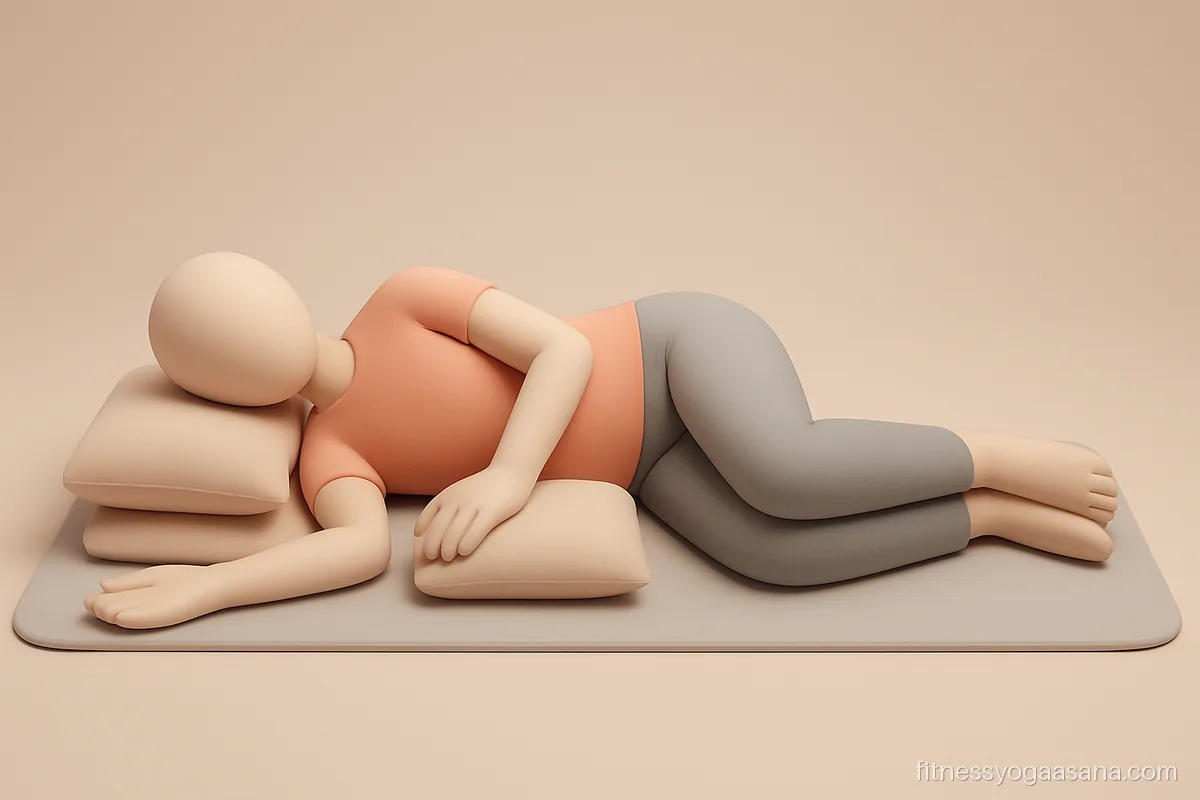
Side lying with pillows replaces flat shavasana in later pregnancy and is comfortable for many others too.
Teacher's cue: Rest on the left side with the top knee supported.
- Level
- All levels
- Hold
- 3 breaths
- Works on
- Gentle return
To finish, roll onto the right side for a few breaths before sitting up slowly.
Teacher's cue: Use the hands to push yourself up; keep the head last.
A two minute body scan for shavasana
Move your attention slowly from the feet upward: toes, soles, ankles, calves, knees, thighs, hips, belly, chest, back, shoulders, arms, hands, neck, jaw, eyes, forehead and scalp. As attention reaches each area, let it soften. If you lose your place, start again at the feet. For a longer guided version, try yoga nidra.
Savasana yoga names
Savasana yoga, shavasana asana and shav asana are spellings you will see; class charts may print shavasana corpse pose yoga, savasana yoga pose or simply corpse pose yoga. In Hindi books it is often written shavasan. Mritasana, from mrita meaning dead, is an older name for the same rest. Whatever the label, the instructions are the same: lie flat, let go and stay still.
Why shavasana matters
Lying still at the end allows pulse and breath to slow down and the body to move from effort into recovery. Many students say it is when they feel the benefits of the session most clearly. Studies of relaxation practices show reduced stress and better sleep. Skipping it to save time removes one of the most valuable parts of yoga.
Adaptations
- Lower back pain: bolster or rolled blanket under the knees.
- Later pregnancy: lie on the left side with pillows.
- Restless mind: count breaths backward from 30.
- Feeling cold: socks and a light blanket.
- Acid reflux: raise the upper body on cushions.
Pair it with makarasana, the belly down rest, and child pose for rest during practice.
Shavasana outside class
You do not need a full session to use shavasana. Five minutes on the floor after a long day at a desk, before an exam or when you feel overwhelmed can reset the body. It also helps at bedtime: lie in shavasana in bed, scan the body once, then turn to your usual sleeping side. For more ideas see yoga for sleep.
Practise on an empty stomach, move slowly into each position and stop at any sharp pain. If you have an injury, a health condition or are pregnant, check with a doctor or an experienced teacher first.
Questions people ask
What is shavasana in English?
Corpse pose, also called final relaxation.
How long should shavasana be?
Five to ten minutes after a typical session; about five minutes per 30 minutes of practice is a good guide.
What if I doze off during shavasana?
It happens. Try to stay lightly aware; if sleep comes at night, that is fine.
Why is shavasana done at the end?
It lets the body and mind absorb the practice and settle before returning to activity.
Is savasana the same as shavasana?
Yes, both spellings name one posture.
Practise next
 Yoga nidraYogic sleep: a guided lying down practice for deep rest
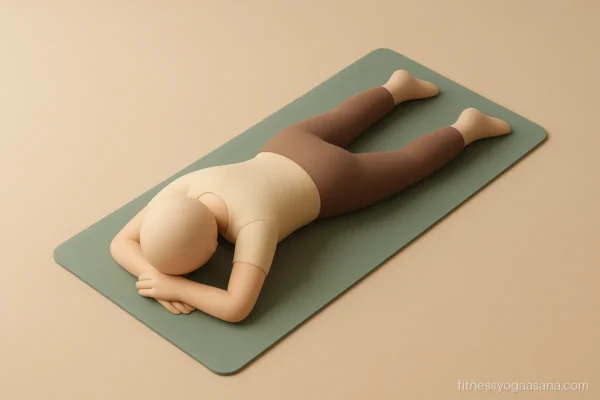 Makarasana (crocodile)Lying face down with the head on folded arms: rest that teaches breathing
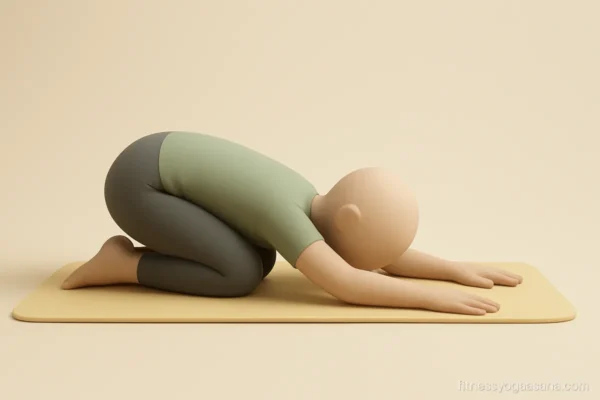 Balasana (child)Child pose: a kneeling forward rest for the back and mind
 Yoga for sleepCalming bedtime poses and breathing, many done in bed
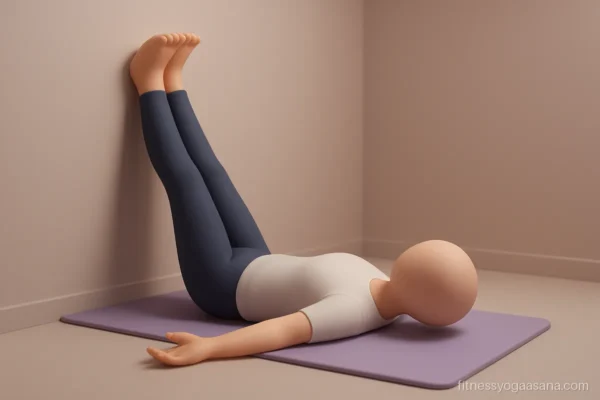 Viparita karani (legs up the wall)Lying with the legs resting up a wall: the easiest restful inversion
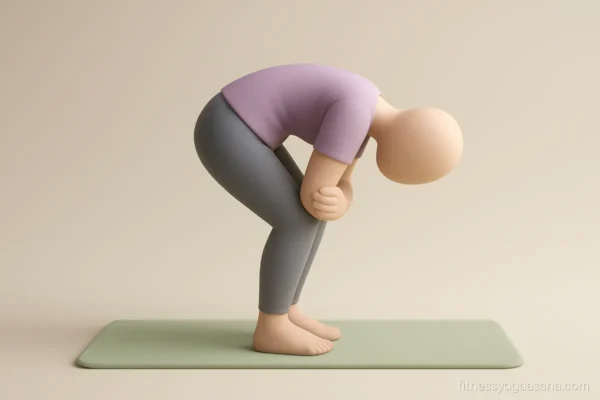 Yoga for stressCalming poses, breathing and a short routine for stressful days
More in yoga poses
 Yoga asanas namesSanskrit and English names of common yoga poses, with pictures
 Bhujangasana (cobra)Cobra pose: a gentle back bend lying on the belly
 Standing yoga posesThe main standing asanas with names, pictures and a sequence
 Cat cow poseA flowing spine warm up on hands and knees, linked to the breath
 Sitting yoga posesSeated asanas for breathing, flexibility and calm, with names
 Butterfly poseSoles together, knees wide: a seated hip opener
 Tadasana (mountain)Mountain pose: the standing base for every other asana
 Vrikshasana (tree)Tree pose: a one leg balance for focus and steadiness