Viparita Karani: Legs Up the Wall
Yoga poses 4 illustrations Updated 2 Nov 2026
Viparita karani is the restful pose of lying on the back with the legs resting vertically up a wall. Viparita means inverted and karani means action or doing, so the name describes an inverted action. In classical hatha yoga the term referred to a practice similar to half shoulder stand; in most modern classes, viparita karani means the supported legs up the wall version, which needs no strength or balance.
Here you will learn a graceful entry and exit, prop setups for different bodies, sensible timings, the real effects, and which rest to choose instead when this one does not suit.
- Sanskrit
- Viparita karani (inverted action)
- English
- Legs up the wall
- Level
- All levels
- Hold
- 5 to 15 minutes
- Props
- Wall, folded blanket or bolster
- Good for
- Winding down, tired legs
How to do viparita karani
- Place a folded blanket or bolster near the wall if you want hip support.
- Sit sideways with one hip touching the wall.
- Lean back on the hands and swing the legs up the wall as you lower the back to the floor.
- Wriggle the seat toward the skirting board, or leave a gap if the hamstrings are tight.
- Rest the arms by the sides or on the belly.
- Close the eyes and breathe naturally for five to fifteen minutes.
- To finish, fold the knees, roll onto a side and pause there, then press up to sit.
Viparita karani (legs up the wall) in pictures
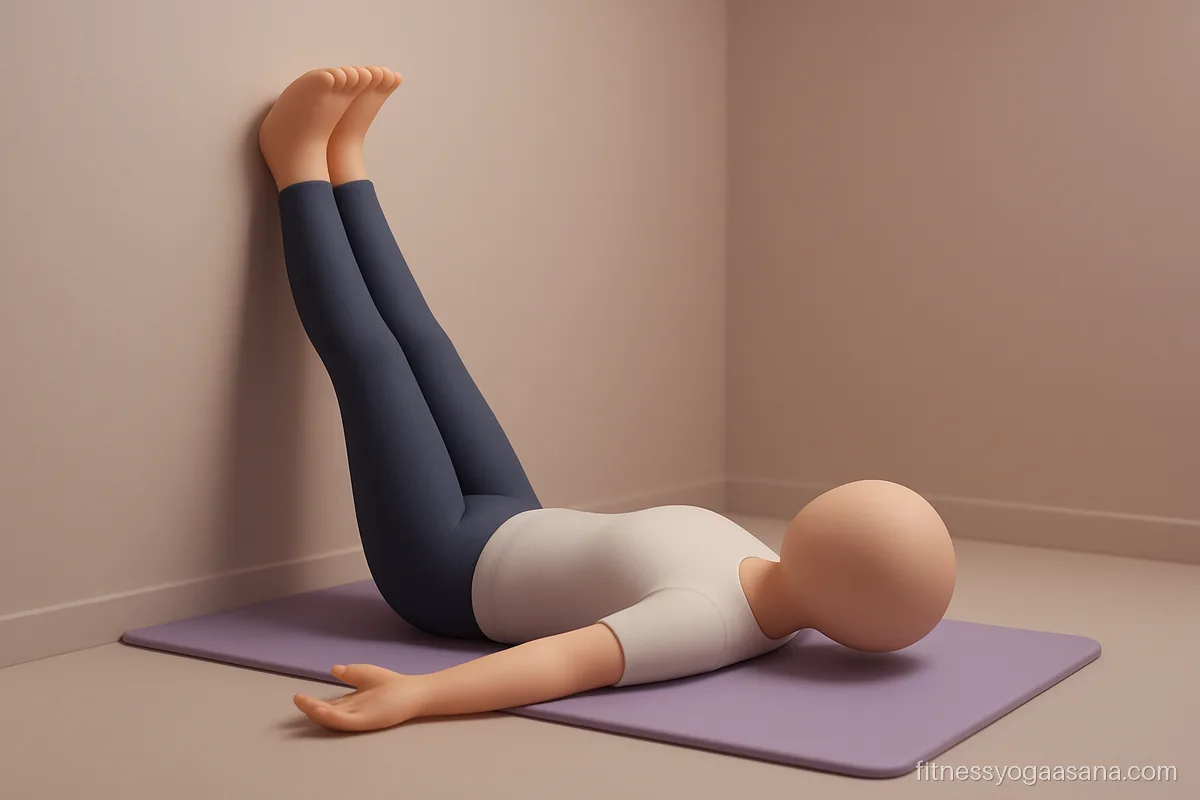
- Level
- All levels
- Hold
- 5 to 15 minutes
- Works on
- Rest
The basic shape: sitting bones near the wall, legs resting up it, arms open with palms up.
Teacher's cue: Let the legs be heavy; the wall holds them.
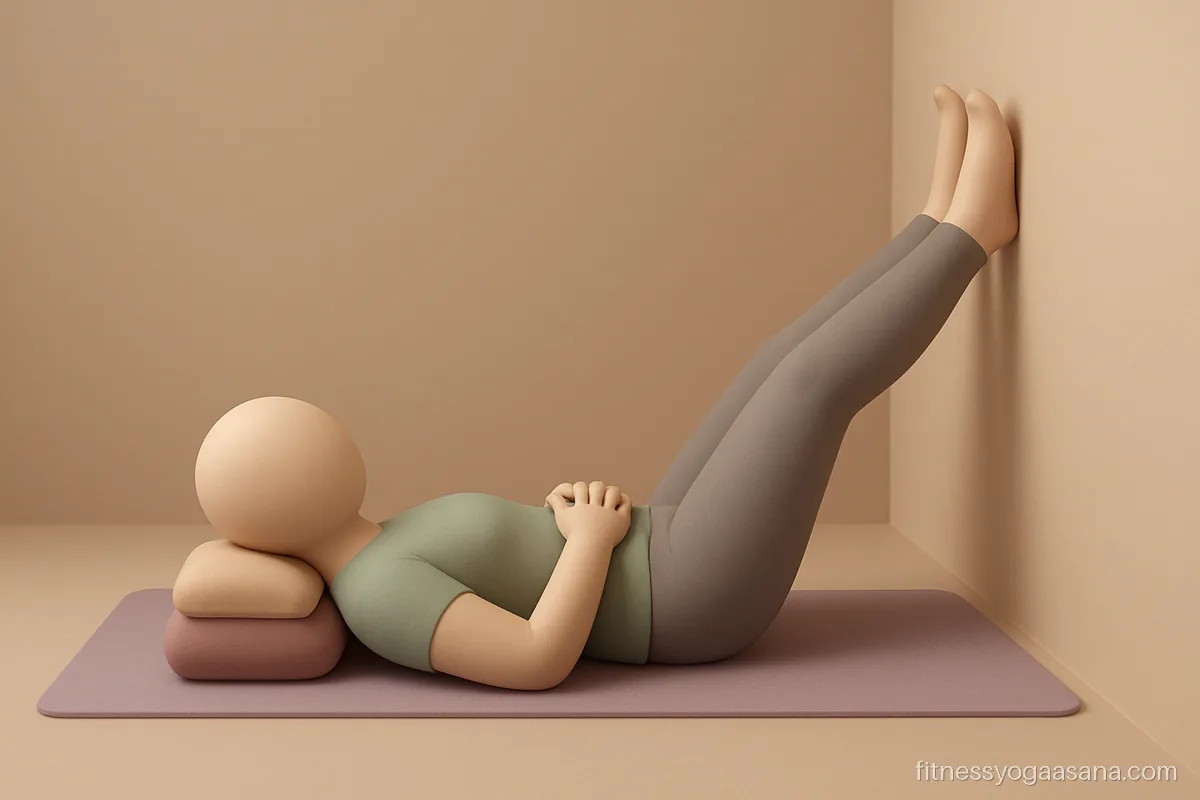
- Level
- All levels
- Hold
- 10 minutes
- Works on
- Deep rest
A bolster or folded blanket under the hips adds a gentle lift that many people find even more restful.
Teacher's cue: Place the bolster a hand's width from the wall.
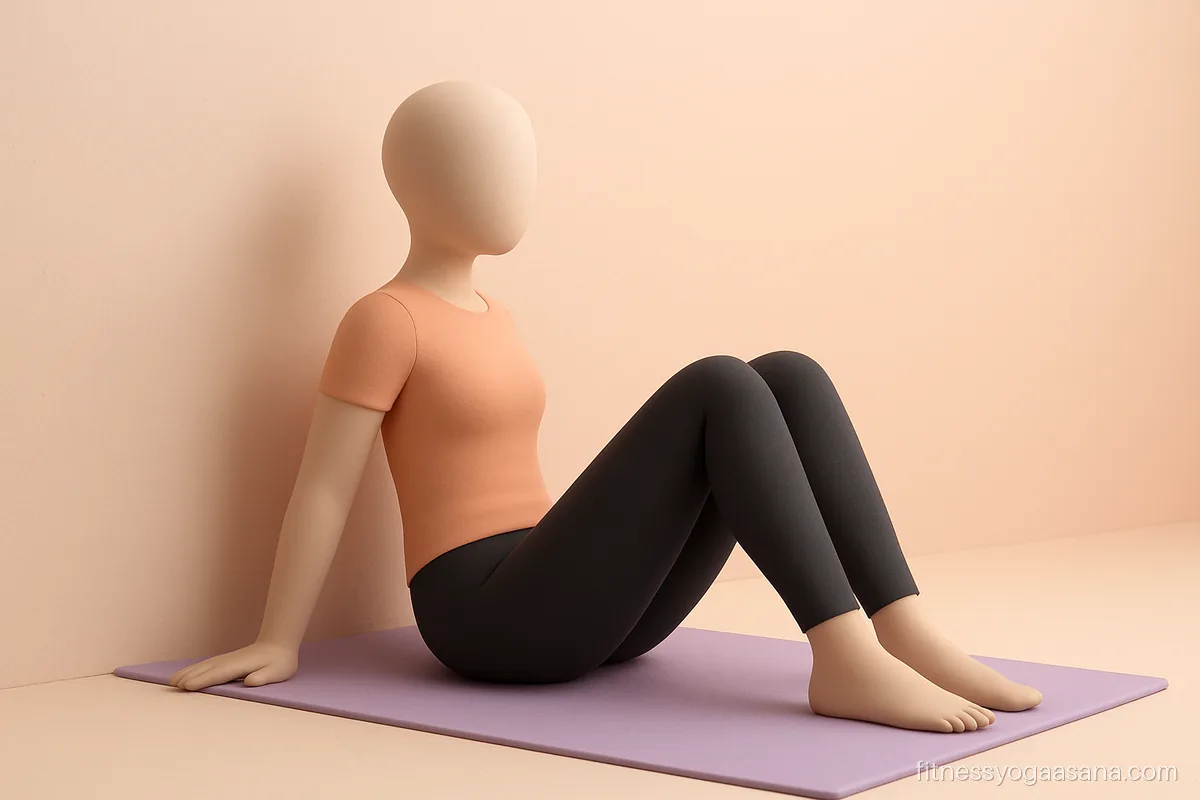
- Level
- All levels
- Hold
- Entry
- Works on
- Easy entry
Getting in: sit sideways with one hip touching the wall, then swing the legs up as you lie back.
Teacher's cue: Use the hands behind you to lower the back slowly.
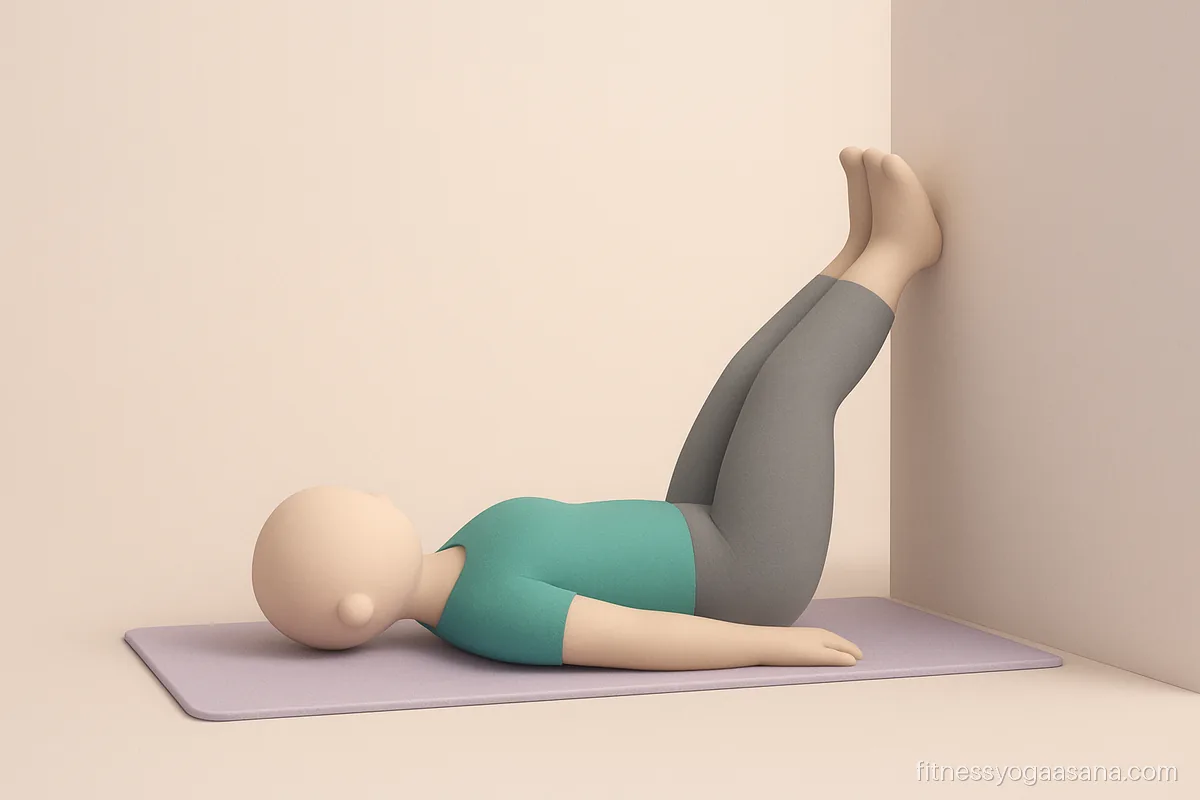
- Level
- All levels
- Hold
- 3 to 5 minutes
- Works on
- Hips
With the soles together, the pose adds a gentle inner thigh stretch.
Teacher's cue: Slide the feet down the wall until the stretch feels gentle.
Prop setups
- Tight hamstrings: move the hips farther from the wall so the legs angle slightly.
- Lower back sensitivity: skip the bolster and keep the hips flat.
- Cold feet: wear socks and drape a blanket.
- Restless mind: place a light eye cover or a folded cloth over the eyes.
- Numb feet: bend the knees and rest the soles on the wall for a while.
Why it feels so restful
With the legs above the heart, pulse slows and fluid that pools in the legs during long standing or sitting drain back toward the trunk. Many people notice their breathing slows and their legs feel lighter afterward. It is used in restorative classes, before sleep, after long journeys, and after running or walking. It is a gentle option on days when energy is low.
What it does not do
Viparita karani is often credited with balancing hormones, curing varicose veins or reversing ageing. These claims are not supported. It is a good way to relax and ease tired legs; anything beyond that is tradition or marketing. Swollen legs that do not settle with rest, especially one sided swelling with pain, need a doctor's check.
When to choose another rest
Choose shavasana or side lying rest instead if you have glaucoma or eye pressure problems, uncontrolled high blood pressure, heart failure, a hiatus hernia or reflux that worsens lying flat, or in later pregnancy. During menstruation, some people prefer to skip inverted poses; this is personal choice. More gentle inversions are on sarvangasana, where the half shoulder stand is the classical viparita karani mudra.
Names you might see
Viparita karani asana, viparita karani yoga and viparita karani yoga pose all describe the wall version. Searches for viparita karani legs up the wall yoga pose usually mean exactly this. It fits well in evening routines on yoga for sleep and restorative plans for stress.
Practise on an empty stomach, move slowly into each position and stop at any sharp pain. If you have an injury, a health condition or are pregnant, check with a doctor or an experienced teacher first.
Questions people ask
What is viparita karani in English?
Legs up the wall pose, literally inverted action.
How long should I stay in viparita karani?
Anywhere from five to fifteen minutes.
Is legs up the wall good before sleep?
Many people find it relaxing in the evening. Try five minutes before bed.
Can I do viparita karani during periods?
This is personal choice. Some prefer to skip inversions during menstruation; others find it comfortable.
Why do my legs tingle in legs up the wall?
Reduced blood flow to the feet. Bend the knees or come out for a moment.
Practise next
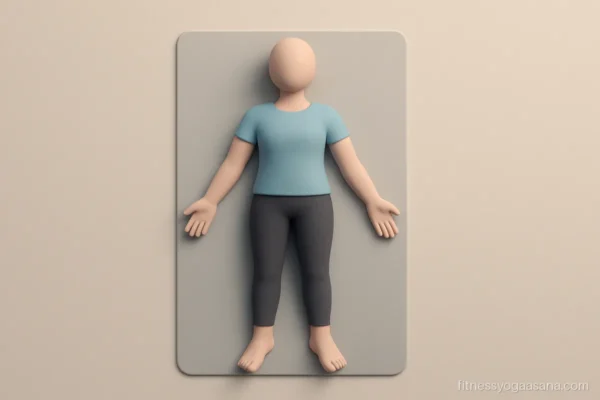 Shavasana (corpse)Corpse pose: complete stillness at the end of practice
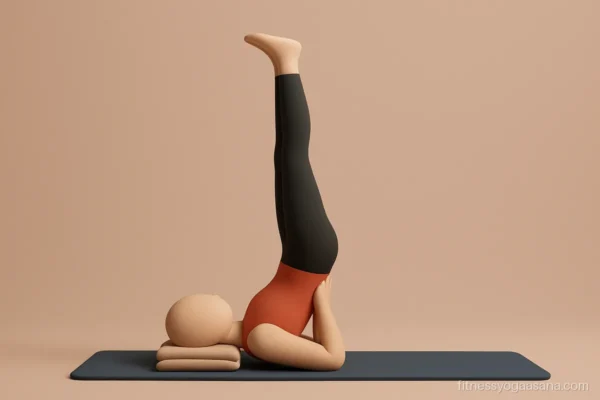 Sarvangasana (shoulder stand)The shoulder stand, with a blanket setup that protects the neck
 Yoga for sleepCalming bedtime poses and breathing, many done in bed
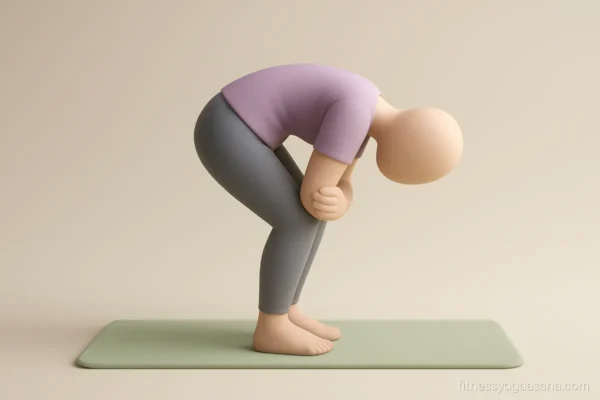 Yoga for stressCalming poses, breathing and a short routine for stressful days
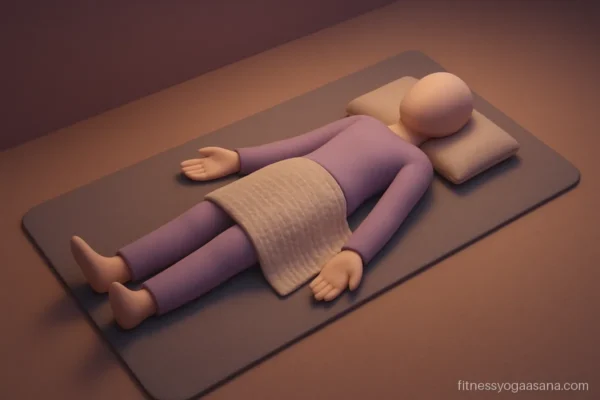 Yoga nidraYogic sleep: a guided lying down practice for deep rest
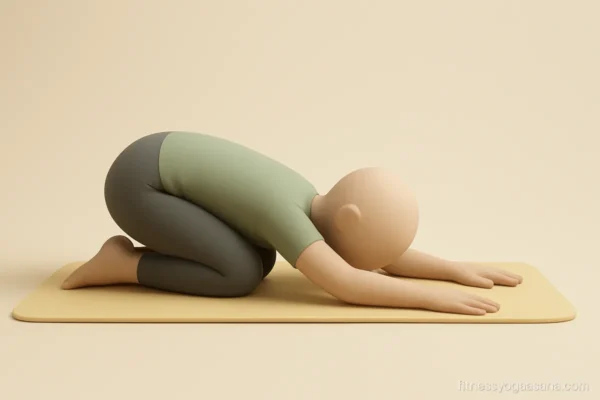 Balasana (child)Child pose: a kneeling forward rest for the back and mind
More in yoga poses
 Yoga asanas namesSanskrit and English names of common yoga poses, with pictures
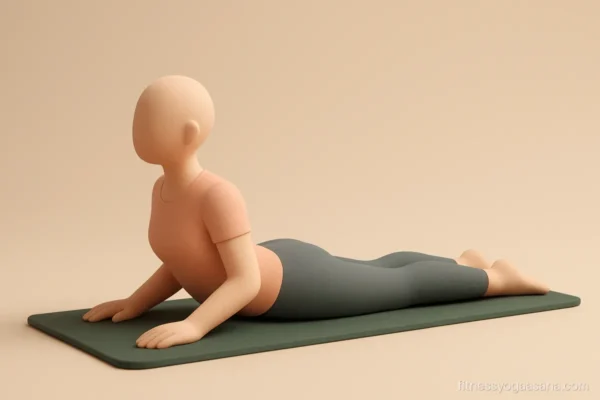 Bhujangasana (cobra)Cobra pose: a gentle back bend lying on the belly
 Standing yoga posesThe main standing asanas with names, pictures and a sequence
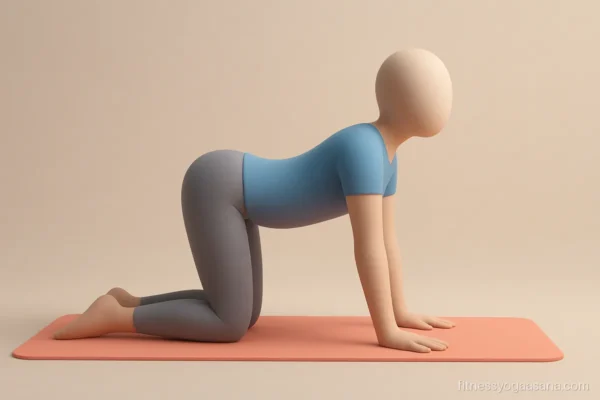 Cat cow poseA flowing spine warm up on hands and knees, linked to the breath
 Sitting yoga posesSeated asanas for breathing, flexibility and calm, with names
 Butterfly poseSoles together, knees wide: a seated hip opener
 Tadasana (mountain)Mountain pose: the standing base for every other asana
 Vrikshasana (tree)Tree pose: a one leg balance for focus and steadiness