Sarvangasana: Shoulder Stand Without Straining the Neck
Yoga poses 4 illustrations Updated 2 Nov 2026
Sarvangasana, the shoulder stand, is an inversion in which you balance on the shoulders and upper arms with the legs and torso lifted vertically above the head. Sarva means all and anga means limb, which gives the English rendering all limbs pose. Traditional hatha yoga holds it in high regard and pairs it with fish pose. It is also the inversion most often done badly, with the neck flattened under the whole body weight.
This page shows the folded blanket setup that keeps the neck safe, how to come up and down step by step, the gentler half shoulder stand, the benefits, and the health conditions that rule it out.
- Sanskrit
- Sarvangasana (sarva anga: all limbs)
- English
- Shoulder stand
- Level
- Intermediate
- Hold
- 30 seconds, build to 3 minutes
- Setup
- Two or three folded blankets
- Follow with
- Matsyasana, fish pose
How to do sarvangasana
- Fold two or three blankets into a firm, neat stack and place it at one end of the mat.
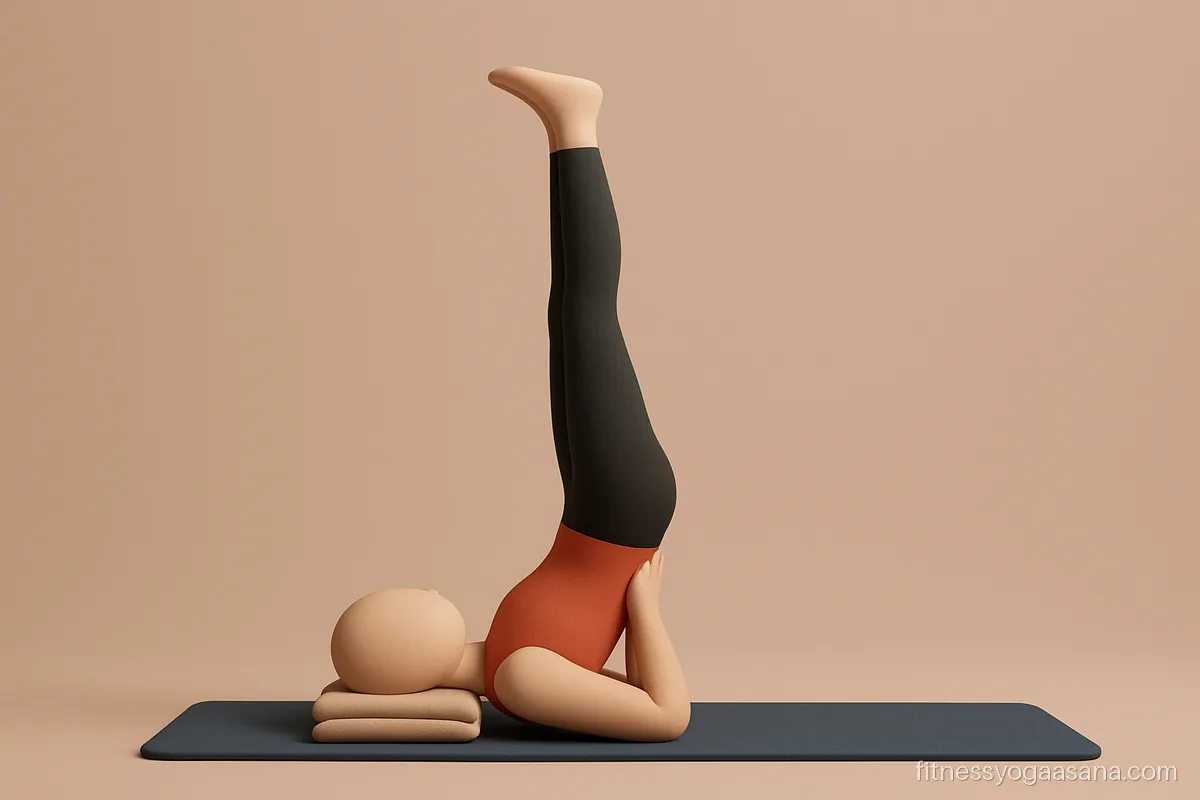
- Lie back so the shoulder tops sit on the stack while the skull rests on the bare mat past its edge.
- Draw the knees in, push the palms into the floor and roll the hips skyward, then brace the back with both hands.
- Walk the hands up toward the shoulder blades and draw the elbows in.
- Straighten the legs toward the ceiling, keeping the weight on the shoulders.
- Breathe steadily. Do not turn the head.
- To come down, lower the legs over the head slightly, release the hands, and roll down one vertebra at a time with the knees bent.
Sarvangasana (shoulder stand) in pictures
- Level
- Intermediate
- Hold
- Up to 3 minutes
- Works on
- Inversion
Shoulders on the blankets, head on the floor beyond the edge: this leaves space for the natural curve of the neck.
Teacher's cue: Keep the weight on the shoulders and upper arms, not the neck.
- Level
- Beginner
- Hold
- 1 to 2 minutes
- Works on
- Gentle inversion
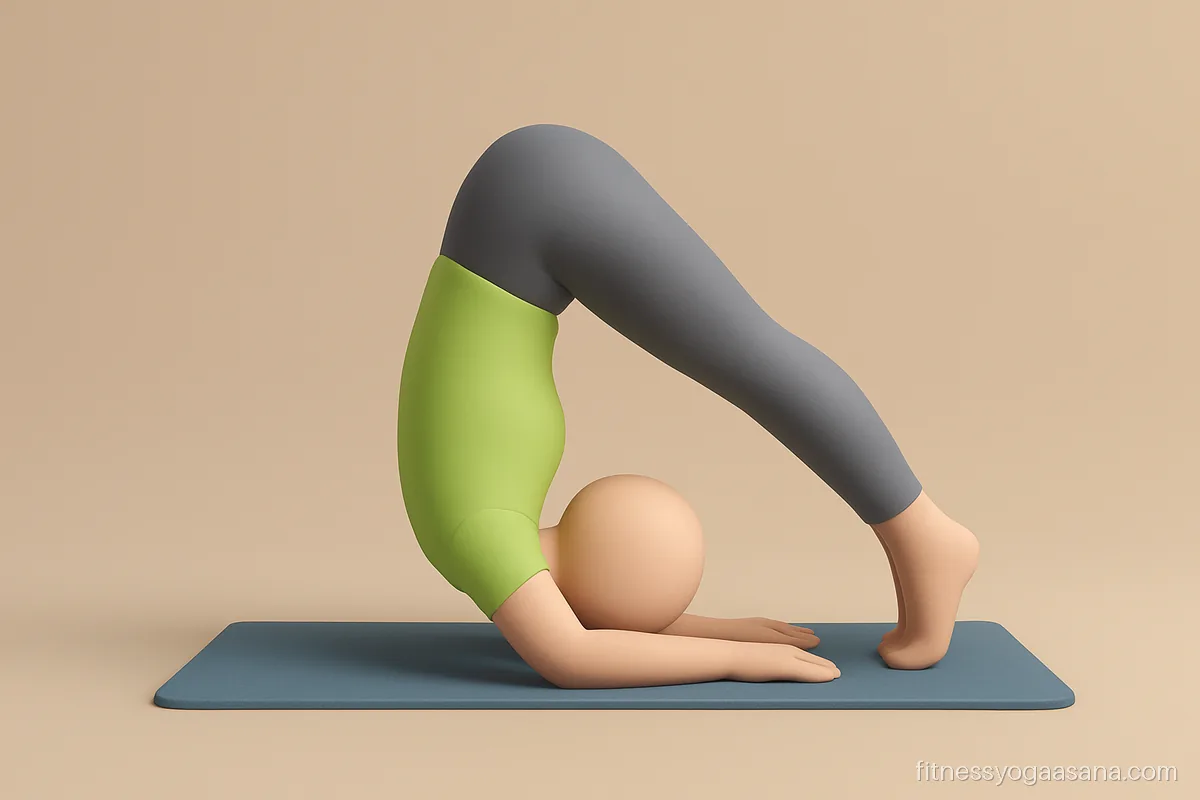
Viparita karani mudra, the half shoulder stand, angles the legs over the face and is much easier on the neck.
Teacher's cue: Rest the hips in the palms like a bowl.

- Level
- All levels
- Hold
- Setup
- Works on
- Neck protection
Line the tops of the shoulders up with the folded edge of the blankets before lifting the legs.
Teacher's cue: Fold the blankets neatly so the edge is firm and straight.
- Level
- Intermediate
- Hold
- 5 breaths
- Works on
- Counter stretch
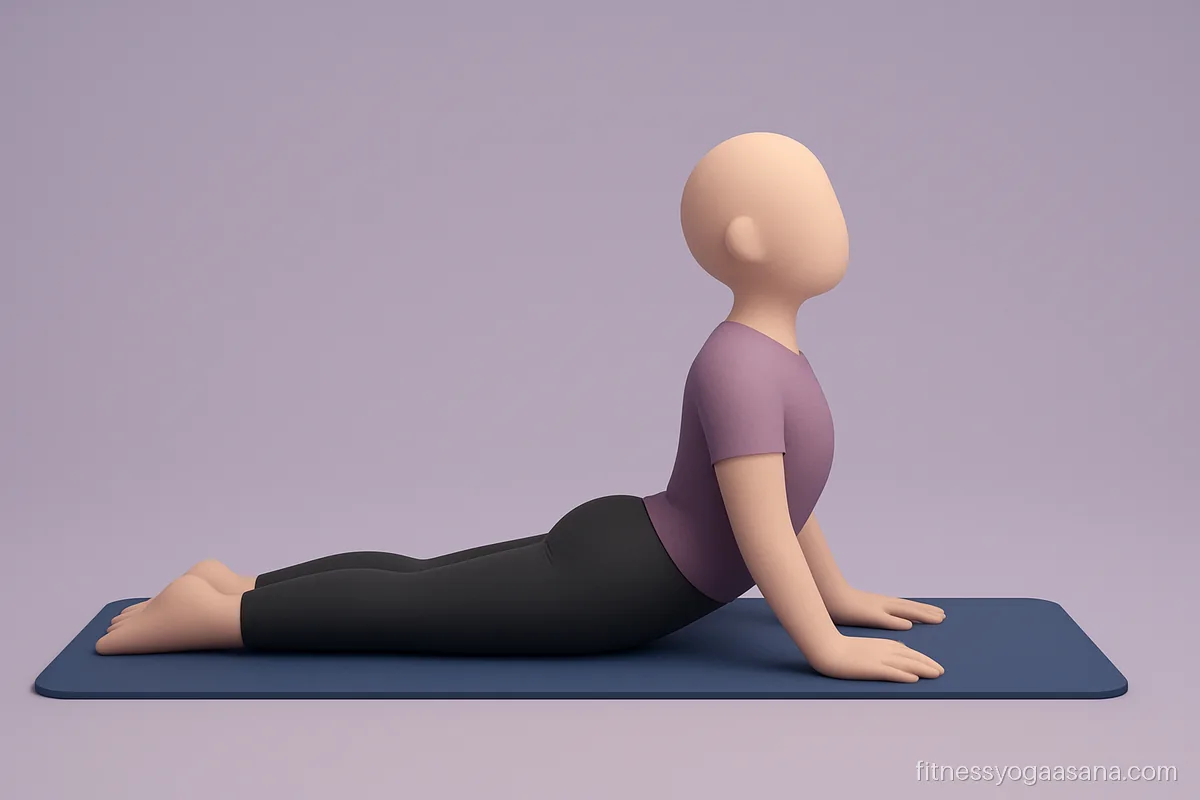
Fish pose afterward opens the throat and arches the upper back.
Teacher's cue: Give fish roughly half the time you spent upside down.
Why the blankets matter
Lying flat on the floor in shoulder stand forces the neck into a sharp bend, flattening its natural curve while the body weight presses down. Raising the shoulder line on blankets gives the cervical spine room to stay curved and hang into the space beyond the edge. If you feel pressure in the neck or throat, come down and adjust the setup or try the half version instead.
Half shoulder stand
In the half version, the hips rest in the hands and the legs angle over the face, so the body forms a gentle diagonal. It gives many of the restful effects of inversion with much less neck load. An even gentler option is legs up the wall, which needs no balance at all and suits almost everyone.
Sarvangasana benefits
- Reverses the usual pull of gravity, which many people find restful.
- Strengthens the shoulders, upper back and core that hold the body vertical.
- Stretches the back of the neck and upper back.
- Is traditionally described as calming when held quietly.
Claims that shoulder stand regulates the thyroid are popular but not supported by good evidence. The yoga for thyroid page sorts fact from hope.
Who should not do shoulder stand
Leave sarvangasana out with a hurt neck or cervical disc trouble, uncontrolled hypertension, cardiac illness, eye pressure or retina issues, during menstruation if it is uncomfortable, in pregnancy unless very experienced and advised by a doctor, and with ear infections or a head cold. Beginners should learn it from a teacher in person. Use legs up the wall as a safe alternative.
Sequence around it
Warm up the shoulders and upper back first. Put shoulder stand toward the close of practice, then plough pose if appropriate, then matsyasana as a counter stretch, then rest. Searches for shoulder stand yoga, sarvangasana yoga pose and sarvang asana all refer to this sequence.
Practise on an empty stomach, move slowly into each position and stop at any sharp pain. If you have an injury, a health condition or are pregnant, check with a doctor or an experienced teacher first.
Questions people ask
What is sarvangasana in English?
Shoulder stand, sometimes translated as the all limbs pose.
Why use blankets for shoulder stand?
Raised shoulders leave the cervical spine room, so the body weight does not squash it.
How long should I hold sarvangasana?
Start with thirty seconds and build gradually to two or three minutes.
Is sarvangasana good for thyroid?
Many say so, yet trials have not shown it. Follow your doctor's treatment.
What should I do after shoulder stand?
Fish pose for a shorter hold, then lie still.
Practise next
 Halasana (plough)Plough pose: legs overhead, weight on the shoulders
 Matsyasana (fish)Fish pose: an open chest, lifted ribs, and a lightly supported head
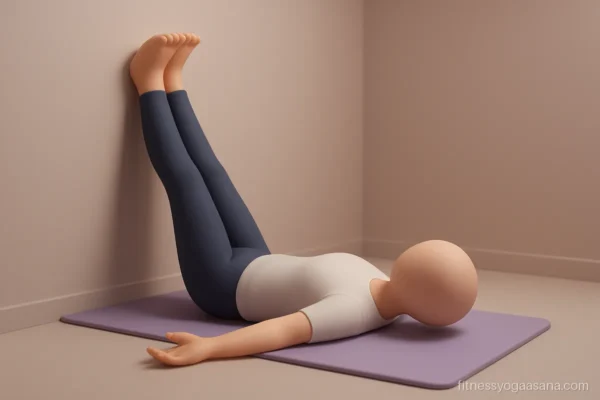 Viparita karani (legs up the wall)Lying with the legs resting up a wall: the easiest restful inversion
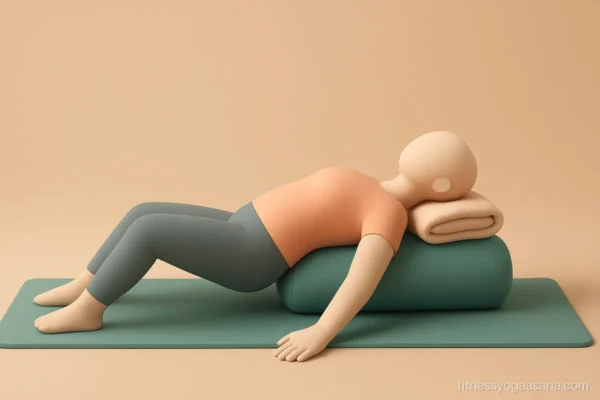 Yoga for thyroidA gentle routine and the facts about yoga and thyroid health
 Advanced yoga posesArm balances, inversions and deep bends, with prep poses
 Yoga for neck painGentle neck and shoulder routine, with poses to avoid
More in yoga poses
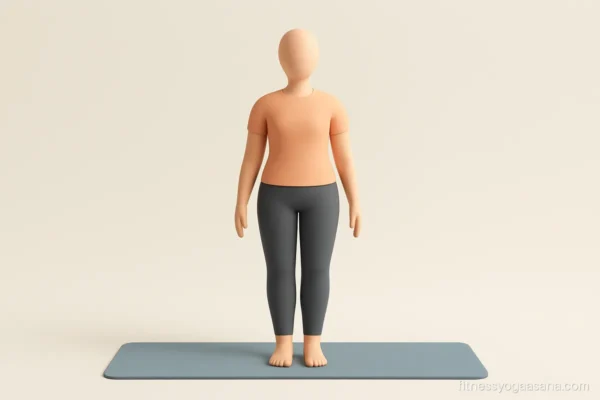 Yoga asanas namesSanskrit and English names of common yoga poses, with pictures
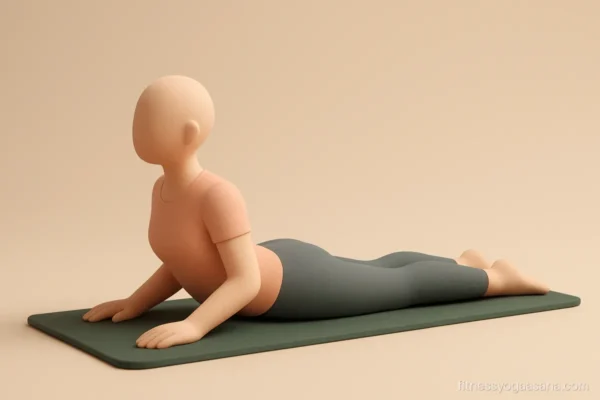 Bhujangasana (cobra)Cobra pose: a gentle back bend lying on the belly
 Standing yoga posesThe main standing asanas with names, pictures and a sequence
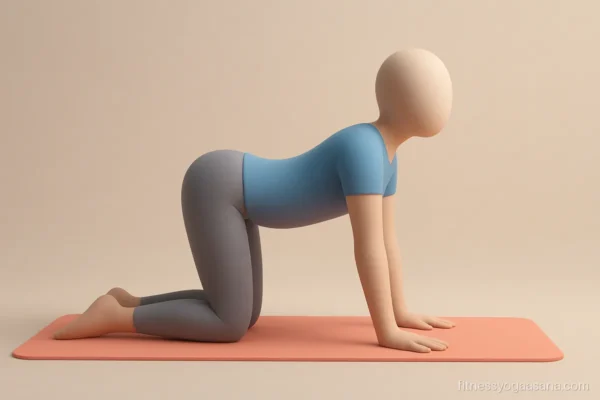 Cat cow poseA flowing spine warm up on hands and knees, linked to the breath
 Balasana (child)Child pose: a kneeling forward rest for the back and mind
 Sitting yoga posesSeated asanas for breathing, flexibility and calm, with names
 Butterfly poseSoles together, knees wide: a seated hip opener
 Tadasana (mountain)Mountain pose: the standing base for every other asana