Matsyasana: Fish Pose, Supported and Classic
Yoga poses 4 illustrations Updated 2 Nov 2026
Matsyasana, the fish pose, is a back bend done lying down. You lie on the back, lift the chest high by pressing into the forearms, and either rest the crown of the head lightly on the floor or support the head on a block. Matsya means fish. The shape puffs the chest out like a fish's body, and it is traditionally practised straight after shoulder stand to stretch the neck in the opposite direction.
This guide gives a supported matsyasana that suits nearly everyone, the classic version, the lotus variation, the benefits, and the neck care that keeps the pose safe.
- Sanskrit
- Matsyasana (matsya: fish)
- English
- Fish pose
- Level
- Beginner (supported) to intermediate
- Hold
- 5 breaths classic; 3 minutes supported
- Counter to
- Shoulder stand and plough
- Skip if
- Neck injury, migraine, low BP spells
How to do matsyasana
- Lie on the back with legs extended and together.
- Slide the hands, palms down, under the hips.
- Press the forearms and elbows into the floor and lift the chest.
- Let the head drop back gently until the crown just touches the mat, or rest it on a block.
- Keep pressing through the elbows so the neck carries little weight.
- Breathe deeply into the upper chest for about five breaths.
- To exit, press into the elbows, lift the head, tuck the chin, and lower the back down.
Matsyasana (fish) in pictures
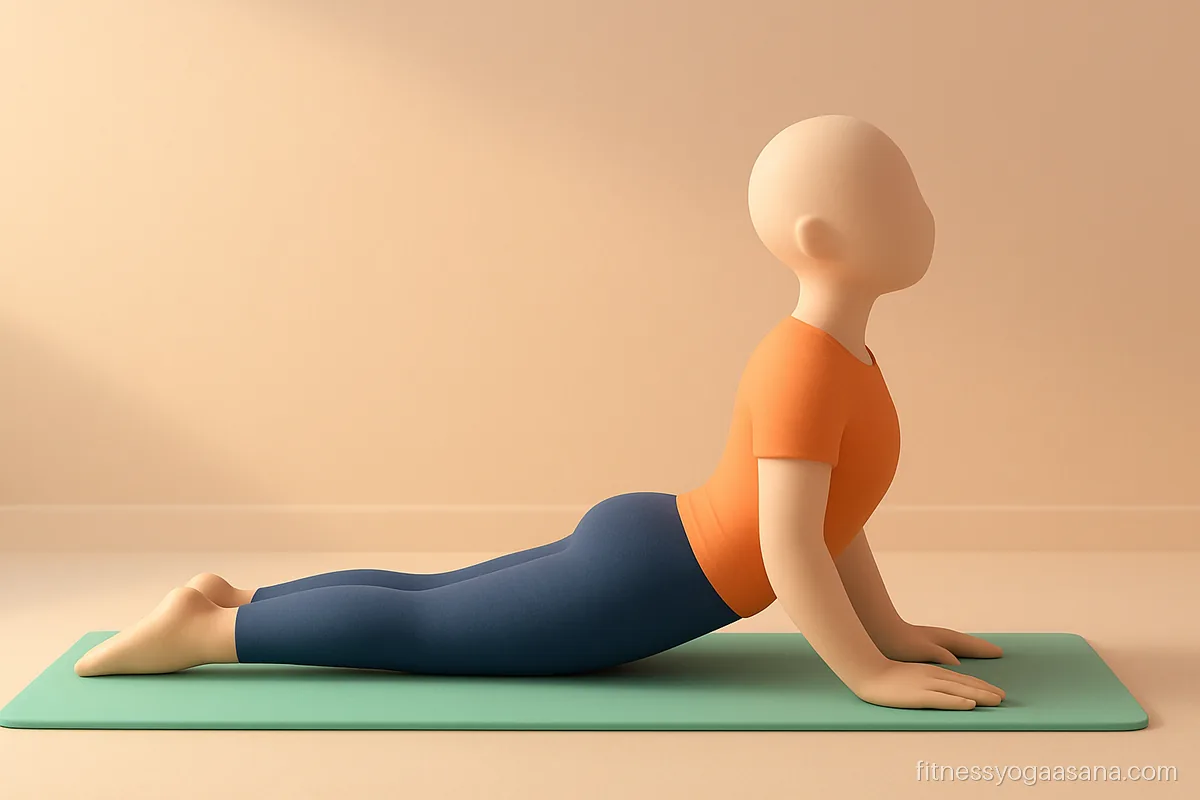
- Level
- Intermediate
- Hold
- 5 breaths
- Works on
- Chest, throat
Classic matsyasana: the forearms take the weight so the head barely touches the floor.
Teacher's cue: Most of your weight lives in the elbows, almost none in the head.
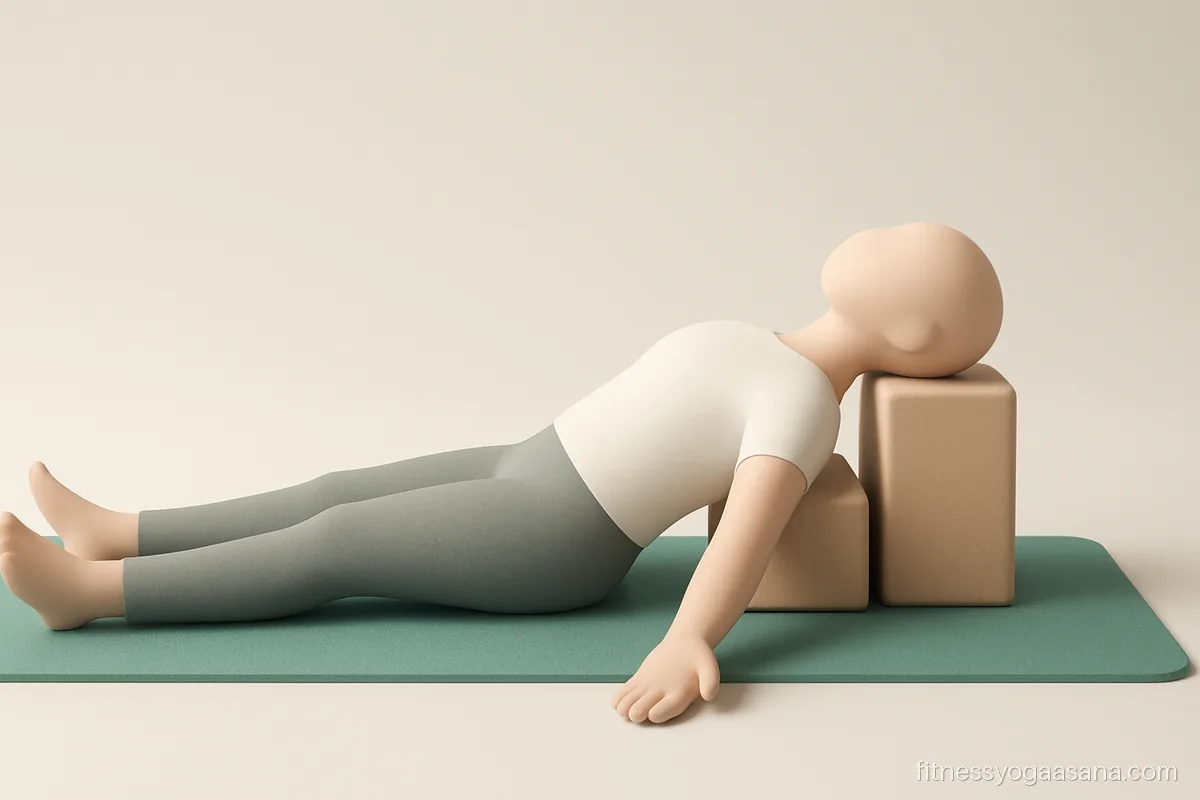
- Level
- Beginner
- Hold
- 1 to 3 minutes
- Works on
- Chest opening
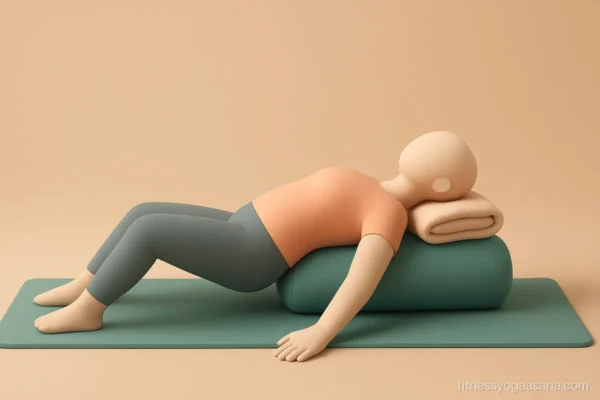
Supported fish over two blocks, one under the shoulder blades and one under the head, is restful and safe for the neck.
Teacher's cue: Let the arms fall open, palms up, and breathe into the ribs.
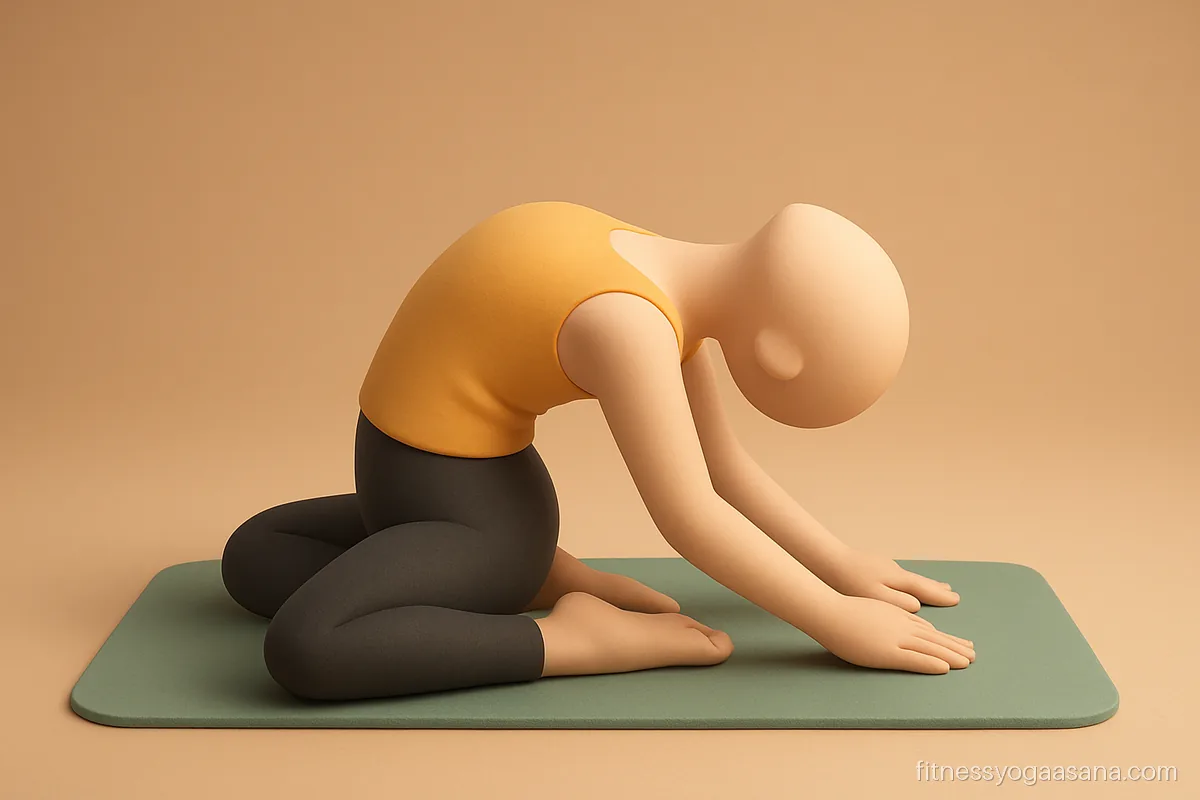
- Level
- Advanced
- Hold
- 3 to 5 breaths
- Works on
- Hips, chest
The lotus variation is traditional but needs open hips and knees; skip it unless lotus is easy for you.
Teacher's cue: Never force the knees into lotus to reach this shape.
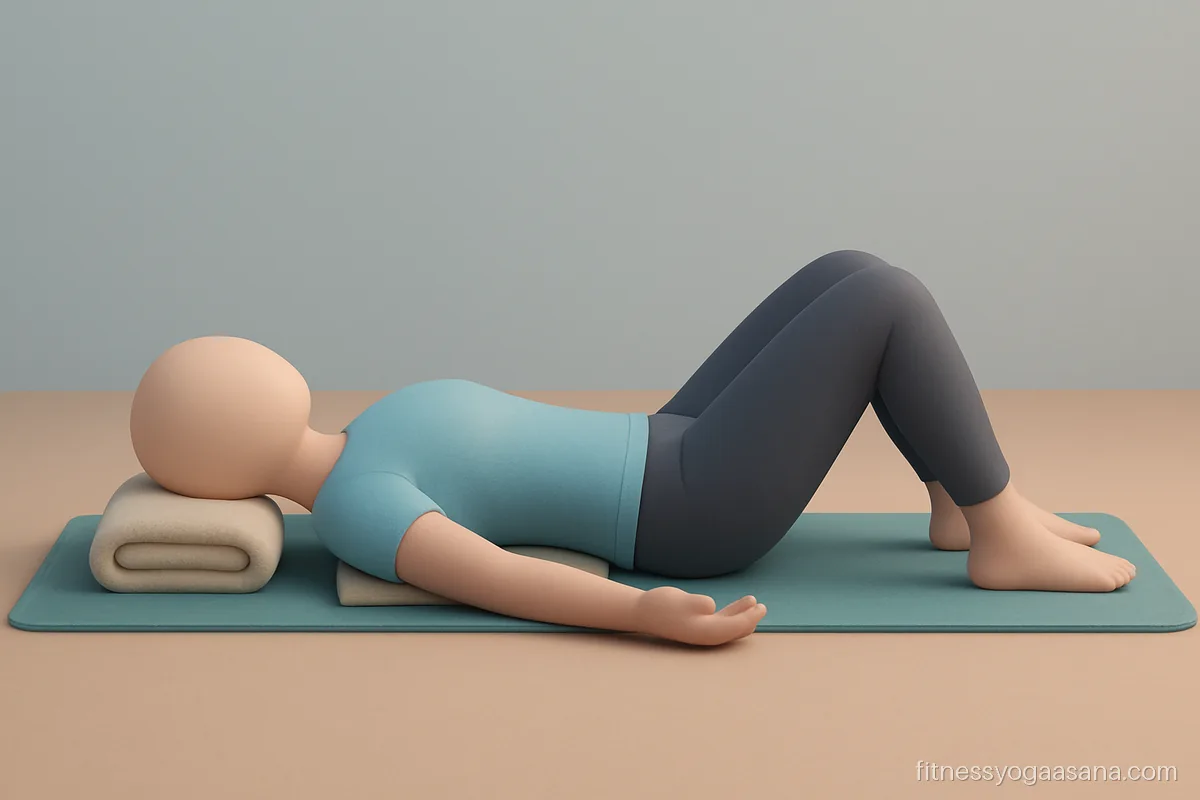
- Level
- Beginner
- Hold
- 2 to 5 minutes
- Works on
- Posture reset
No blocks? A blanket rolled lengthwise under the spine gives a soft chest opening that suits stiff upper backs.
Teacher's cue: Rest the head on the floor or a folded towel so the neck stays neutral.
Supported fish pose for beginners
Place a yoga block on its middle height under the shoulder blades and a second block, higher, under the back of the head. Lie back over them with the legs long or the soles together. The chest opens without any load on the neck. Stay one to three minutes. A rolled blanket along the spine works if you do not have blocks. This supported version is ideal after a day of sitting hunched at a desk.
Why fish pose follows shoulder stand
In sarvangasana and halasana the neck is strongly flexed, chin toward chest. Fish pose takes the neck gently in the other direction and opens the front of the throat and chest. That is why traditional sequences pair them, usually holding fish for about half as long as the shoulder stand.
A short chest opening sequence
For a desk worker's evening reset, try this order: five rounds of cat cow, two rounds of cobra, then three minutes of supported matsyasana over a rolled blanket, and finish with knees hugged to the chest. The whole sequence takes about ten minutes and leaves the shoulders feeling broader.
Matsyasana benefits
- Stretches the chest, front of the neck, abdomen and hip flexors.
- Counters slouching posture.
- Encourages full breathing into the upper ribs.
- Gently strengthens the upper back muscles.
Fish pose yoga benefits listed online often include thyroid effects; those claims are not proven, and the pose should not replace treatment. The yoga for thyroid page weighs those claims honestly.
Neck safety
Avoid the classic version if you have a neck injury, cervical disc problems, a migraine, or feel dizzy when the head tips back. Use the two block supported version instead, or simply lie over a rolled blanket. Never turn the head while in fish pose. If the throat feels compressed rather than stretched, lift out and add support.
Names you might see
Matsyasana yoga, matsyasana fish pose yoga, matsyasana yoga pose and fish pose in yoga all mean this shape. The full lotus version is sometimes called padma matsyasana. A seated twist with a similar name, matsyendrasana, is unrelated in shape; it is named after a sage rather than a fish.
Practise on an empty stomach, move slowly into each position and stop at any sharp pain. If you have an injury, a health condition or are pregnant, check with a doctor or an experienced teacher first.
Questions people ask
What is matsyasana in English?
Fish pose.
Why is matsyasana done after sarvangasana?
It stretches the neck and chest in the opposite direction to shoulder stand, balancing the spine.
Is fish pose safe for the neck?
Yes if most weight stays on the forearms. With neck problems, use the supported block version.
How long should I hold fish pose?
About five breaths in the classic form, or one to three minutes in the supported version.
Can beginners do matsyasana?
Yes, ideally the supported version over blocks or a rolled blanket.
Practise next
 Halasana (plough)Plough pose: legs overhead, weight on the shoulders
 Setu bandhasana (bridge)Hips lifted from the floor: a gentle back bend and glute builder
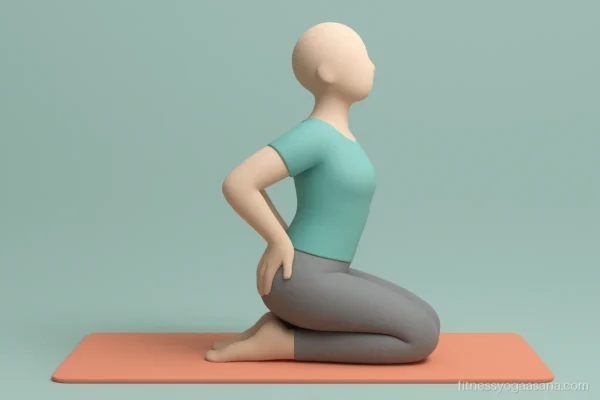 Ustrasana (camel)Camel pose: a kneeling back bend that opens chest and hips
 Padmasana (lotus)Lotus pose: the classic cross legged seat for meditation
 Yoga for thyroidA gentle routine and the facts about yoga and thyroid health
 Yoga for neck painGentle neck and shoulder routine, with poses to avoid
More in yoga poses
 Yoga asanas namesSanskrit and English names of common yoga poses, with pictures
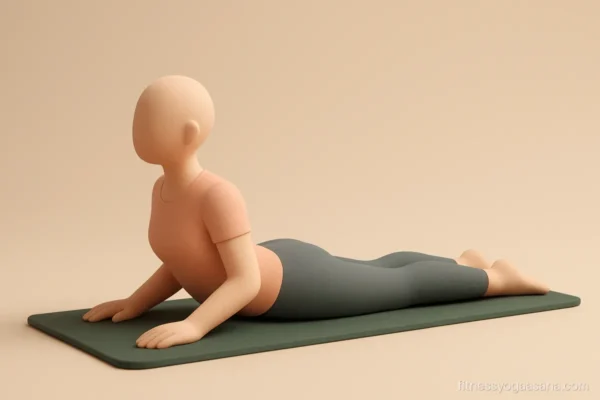 Bhujangasana (cobra)Cobra pose: a gentle back bend lying on the belly
 Standing yoga posesThe main standing asanas with names, pictures and a sequence
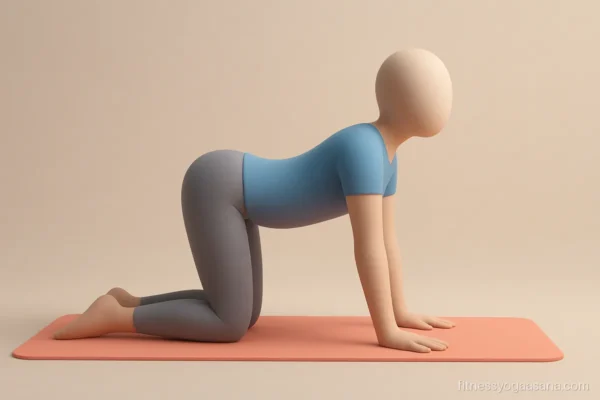 Cat cow poseA flowing spine warm up on hands and knees, linked to the breath
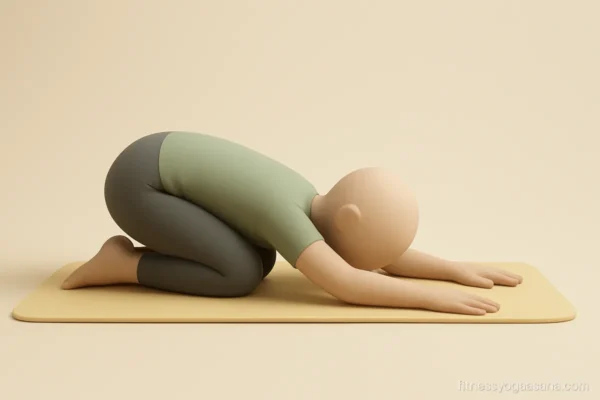 Balasana (child)Child pose: a kneeling forward rest for the back and mind
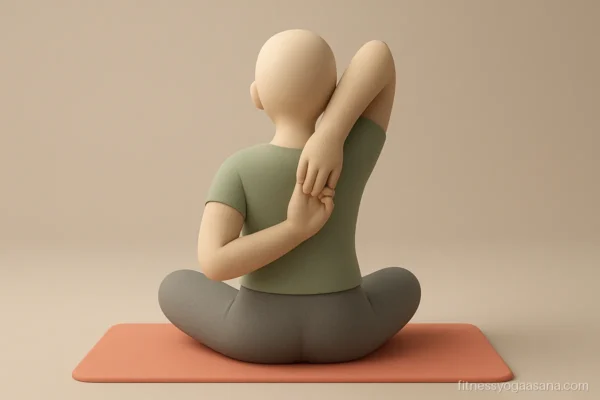 Sitting yoga posesSeated asanas for breathing, flexibility and calm, with names
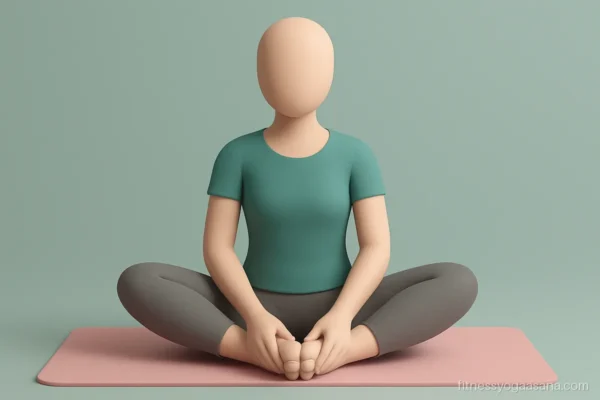 Butterfly poseSoles together, knees wide: a seated hip opener
 Tadasana (mountain)Mountain pose: the standing base for every other asana